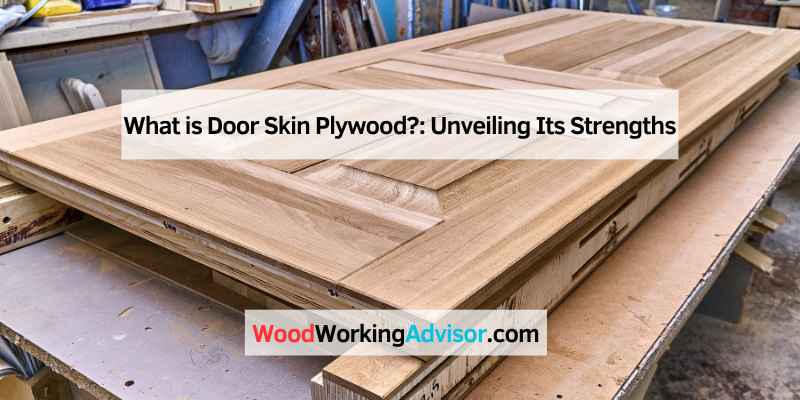
What Is Door Skin Plywood? Thickness, Uses & Luan Grades
Door skin plywood is a thin (usually 1/8 to 1/4 inch) veneer panel, most often 3-ply luan mahogany, glued to both faces of a hollow-core door frame to create a smooth, paintable or stainable surface. Use interior-grade skins on hollow-core doors only; exterior doors need marine-grade or exterior-rated skins bonded with waterproof adhesive, or the veneer delaminates from rain exposure within a season or two. This guide covers standard thicknesses, how the layers are manufactured, the contact cement that actually bonds a skin without bubbling, and how to tell a good skin from a warped one before you buy.
Introduction To Door Skin Plywood
Best Door Skin Adhesive Pick
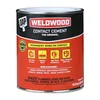
DAP Weldwood Original Contact Cement, 16 oz – $18.91
The manufacturing process below relies on glued veneer layers under high pressure — this is the same style of contact cement used to bond a door skin to a hollow-core frame without trapping air bubbles under the veneer.
- Best for: bonding luan/veneer door skins to hollow-core door frames
- Why we picked it: instant grab on contact, no clamping needed once both surfaces are coated and tacky
- Main drawback: strong solvent odor — needs ventilation and is not repositionable once surfaces touch
As an Amazon Associate we earn from qualifying purchases.
Door skin plywood has a rich history in woodworking. It has been used for many years to create durable door surfaces. Originally, craftsmen made doors from solid wood. As technology improved, plywood became a popular choice.
This material is made by gluing together thin layers of wood veneer. The layers are arranged with their grains running in different directions. This process gives door skin plywood its strength and stability.
| Layer Type | Function |
|---|---|
| Face Veneer | Provides a smooth surface for finishing. |
| Core Layers | Adds strength and durability. |
| Back Veneer | Balances the structure and prevents warping. |
Key Characteristics
Door skin plywood is known for its excellent durability. This material can withstand daily wear and tear. It is resistant to moisture and fungus. This makes it ideal for various environments.
The thickness of door skin plywood varies. Thicker plywood offers more strength and stability. It is also less likely to warp over time.
Another important feature is its surface finish. A smooth surface is easy to paint or stain. This provides flexibility in design and style.
Manufacturing Process
The manufacturing process of door skin plywood involves several key steps. First, logs are debarked and cut into thin veneers. These veneers are then dried to reduce moisture content. After drying, the veneers are glued together in layers. This creates a strong and durable board.
Next, the plywood is pressed under high pressure to bond the layers firmly. The pressed plywood is then trimmed to specific sizes. Finally, the surface is sanded to create a smooth finish.
Quality control measures are crucial in this process. Each batch is tested for strength and durability. Visual inspections ensure there are no defects. Regular checks help maintain high standards throughout production.
Applications In Construction
Door skin plywood is widely used in both residential and commercial settings. It provides a strong and durable surface for doors.
In residential use, door skin plywood is perfect for interior doors. It helps create a smooth and attractive finish. Many homeowners choose this material for its affordability and ease of installation.
Commercial use of door skin plywood includes offices and stores. It withstands heavy traffic and daily wear. Businesses appreciate its versatility and professional appearance.
Benefits Of Using Door Skin Plywood
Door skin plywood offers great cost-effectiveness. It is cheaper than solid wood. This makes it a popular choice for many.
Installation is simple and quick. Many homeowners can do it themselves. This saves money on labor costs. A few basic tools are all that is needed.
Door skin plywood also reduces waste. It comes in large sheets, making cutting easier. This helps to use less material overall.
It is lightweight, which makes it easy to handle. This feature is helpful for lifting and placing.
Design And Aesthetic Appeal
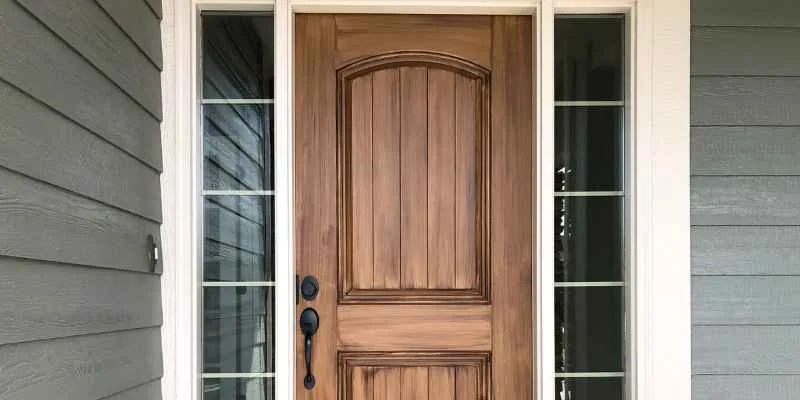
Door skin plywood offers a wide range of finishes. These finishes can enhance the design of any door. Choose from options like natural wood, laminate, or painted surfaces. Each finish provides a unique look and feel.
Customization options are also available for door skin plywood. Sizes, shapes, and patterns can be tailored to fit specific needs. Select from various textures to match your home style. This flexibility makes it easy to create a personalized touch.
| Finish Type | Features |
|---|---|
| Natural Wood | Classic look, unique grain patterns |
| Laminate | Durable, easy to clean, many colors |
| Painted | Custom colors, modern appearance |
Maintenance And Upkeep
Cleaning door skin plywood is easy. Use a soft cloth to wipe off dust. For stains, mix mild soap with water. Avoid using harsh chemicals that can damage the surface. Rinse the cloth and wipe again to remove soap residue.
Long-term care is essential for maintaining plywood’s quality. Store it in a dry area to prevent moisture damage. Regular inspections help catch any early signs of wear. Apply a protective sealant every few years. This will enhance durability and appearance.
Environmental Impact
Door skin plywood has a significant environmental impact. Sustainable practices help reduce this effect. Manufacturers use renewable resources for production. This helps minimize deforestation and carbon emissions.
Recycling and proper disposal are essential. Old plywood can be repurposed or recycled. This process reduces waste in landfills. Using recycled materials lowers the demand for new resources.
Many companies focus on eco-friendly practices. They use non-toxic adhesives and finishes. This ensures better air quality and safety.
| Practice | Benefit |
|---|---|
| Using renewable resources | Reduces deforestation |
| Recycling | Minimizes landfill waste |
| Non-toxic materials | Improves air quality |
Frequently Asked Questions
What Is Door Skin Plywood Used For?
Door skin plywood is primarily used for constructing the outer layer of doors. It provides a smooth, durable surface that enhances aesthetic appeal. This type of plywood is lightweight yet sturdy, making it ideal for both interior and exterior doors.
It’s also easy to paint or stain for customization.
How Thick Is Door Skin Plywood?
Typically, door skin plywood ranges from 1/8 inch to 1/4 inch in thickness. The thickness may vary based on manufacturer specifications and intended use. Thicker options provide enhanced durability and stability, while thinner ones are lighter and easier to handle.
Always check product details before purchasing.
Is Door Skin Plywood Waterproof?
Most door skin plywood is not waterproof. It is designed for indoor and outdoor use but can warp if exposed to excessive moisture. For areas with high humidity, consider using marine-grade plywood or applying a waterproof sealant. Proper maintenance can extend the lifespan of your door skin plywood.
Can I Paint Door Skin Plywood?
Yes, you can paint door skin plywood easily. It accepts paint well, allowing for various finishes. Ensure the surface is clean and sanded before applying primer and paint. Using a high-quality paint will enhance durability and appearance, making it a great choice for customizing your doors.
Conclusion
Door skin plywood is a versatile and durable option for building and renovating doors. Its strength and resistance to wear make it ideal for various applications. By choosing the right door skin plywood, you enhance both aesthetics and functionality. Invest in quality materials to ensure lasting results in your projects.
Sponsored / affiliate links. As an Amazon Associate I earn from qualifying purchases. I may earn additional commission from eligible campaigns.