What Is Kiln-Dried Whitewood? Uses & Properties
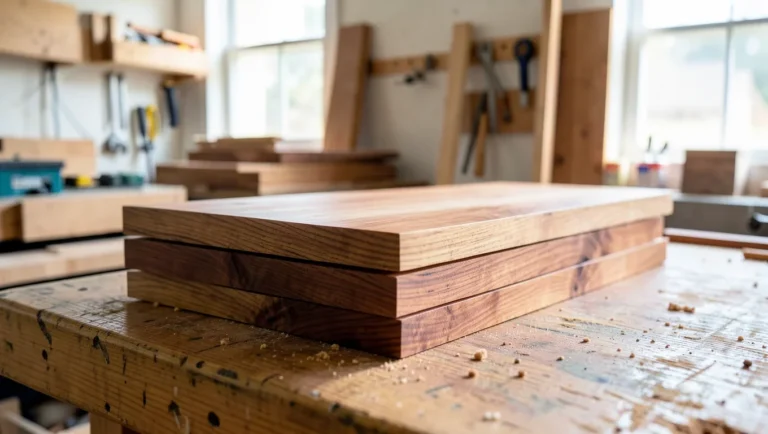
Kiln-dried (KD) whitewood is softwood lumber – typically spruce, pine, or fir (SPF) – that’s been dried in a heated chamber to a controlled moisture content, usually 19% or less under the industry “S-DRY” standard. That’s the key spec: it’s not just “dry wood,” it’s wood dried to a specific, certified moisture target that air-drying can’t reliably hit.
If you’re trying to identify whitewood as a species or wondering what it’s generally used for, see our full whitewood identification guide. This page focuses specifically on what “kiln-dried” adds to that: the moisture spec, the grading stamps you’ll see at the lumber yard, and why that number actually matters for a project.
The Moisture Content Standard, Explained
Best Moisture Meter Pick
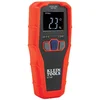
Klein Tools ET140 Pinless Moisture Meter – $49.97
Checking a board’s actual moisture % yourself is the only way to confirm a kiln-dried label is accurate before you build with it.
- Best for: Verifying a board is actually at 19% or 15% moisture before buying or building
- Why we picked it: Pinless, non-destructive – checks up to 3/4 inch below the surface without marking the wood
- Main drawback: Surface moisture readings can vary slightly from core moisture on thicker stock
Compare more moisture-checking & storage supplies
 Option 1 General Tools MMD4E Wood Moisture Meter – $37.70
|
 Option 2 Proster Pinless Moisture Meter – $25.85
|
 Option 3 Anchorseal 2 End Grain Sealer (1 Quart) – $28.45
|
As an Amazon Associate we earn from qualifying purchases.
“Kiln-dried” isn’t a single fixed number – it’s a range depending on the grading standard and end use:
| Stamp / Term | Moisture Content | What It Means |
|---|---|---|
| S-GRN (Surfaced Green) | Above 19% | Undried lumber – will shrink and can warp as it dries in place |
| S-DRY / KD | 19% or less | Standard kiln-dried framing lumber – the most common grade at home centers |
| MC15 / KD15 | 15% or less | Drier grade, less shrinkage, often used for higher-end trim or where tighter tolerances matter |
| KD-HT (Heat Treated) | Varies | Heat-treated to kill pests per ISPM 15 – required for export pallets/crating, not primarily a dryness spec |
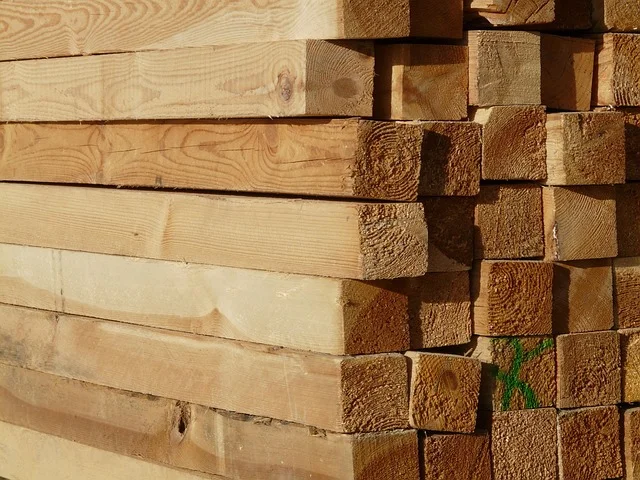
Look for a stamp on the board itself (usually near the end) reading S-DRY, KD, or MC15/19 – that’s the actual moisture certification, not just a label the mill decided to add.
Why The Moisture Number Actually Matters
Wood shrinks as it loses moisture, and it does so unevenly across the grain – which is exactly what causes cupping, twisting, and gaps in joinery. A board at 19% moisture has already done most of its shrinking before you buy it; a green (undried) board will keep shrinking after it’s built into your project, which is how you get a tight-fitting joint that opens up a gap six months later.
That’s the real reason kiln-dried whitewood holds its shape better over time than air-dried or green lumber of the same species – it’s not that kiln heat makes the wood inherently stronger, it’s that the moisture is already stabilized before the wood goes into your project.
Kiln-Dried Vs. Air-Dried: The Real Difference
Kiln drying uses heated, humidity-controlled chambers to bring lumber down to a target moisture content in days rather than months. Air drying (stacking lumber with spacers in a covered, ventilated area) is slower and typically can’t reliably get softwood much below 15-20% moisture in most climates, since it depends on ambient humidity rather than a controlled target.
For most construction and furniture use, kiln-dried is worth the extra cost specifically because the moisture content is verified and consistent board to board – air-dried lumber from the same batch can vary noticeably in moisture from one board to the next.
Common Uses For Kiln-Dried Whitewood
Kiln-dried SPF whitewood shows up most often in:
- Framing lumber (2x4s, 2x6s, etc.) – the S-DRY stamp is standard here specifically because dimensional stability matters for structural work
- Furniture and shelving – the lower, stable moisture content reduces the risk of joints loosening or panels cupping after assembly
- Interior trim and paneling – often specified at MC15 for tighter joints and less visible seasonal movement
It’s a poor choice for permanent outdoor use without additional treatment or sealing – kiln-drying controls moisture at the time of milling, but untreated whitewood will still absorb moisture and swell/shrink seasonally once exposed to weather.
Choosing And Storing Kiln-Dried Whitewood
- Check for the actual grading stamp (S-DRY, KD, MC15/19) rather than trusting a generic “kiln-dried” label with no visible certification.
- Sight down the length of each board for bow, crook, or twist even if the moisture spec is correct – a board can be properly dried and still have been stored or handled poorly.
- Store it stickered (with spacers between layers) and off the ground once you get it home, especially in a humid garage or shed – a properly kiln-dried board can still pick up moisture back up if stored badly before use.
- Let it acclimate a few days indoors before final glue-up or finishing if you’re moving it from an unconditioned space (a lumber yard or garage) into a climate-controlled shop.
Frequently Asked Questions
What Is Kiln Dried Whitewood?
Kiln-dried whitewood is softwood (typically spruce, pine, or fir) dried in a heated chamber to a controlled moisture content, usually 19% or less under the S-DRY standard. That certified moisture target is what separates it from air-dried or green lumber of the same species.
Why Is Kiln Drying Important For Wood?
Kiln drying brings wood to a stable, verified moisture content before it’s sold, so most of the shrinkage has already happened. That reduces warping, cupping, and joints loosening after a project is built, compared to air-dried or green lumber that keeps losing moisture (and changing shape) after installation.
What Moisture Content Should Kiln-Dried Wood Have?
Standard S-DRY/KD lumber runs 19% moisture content or less. Higher-spec MC15/KD15 lumber runs 15% or less, used where tighter dimensional stability matters, like trim and furniture. Look for the actual grading stamp on the board rather than assuming from a generic “kiln-dried” label.
How Can I Identify Kiln Dried Wood?
Look for an S-DRY, KD, or MC15/19 stamp near the end of the board – that’s the actual moisture certification. Kiln-dried lumber also tends to be noticeably lighter in weight than green lumber of the same dimensions, since a meaningful portion of the weight difference is water.
Conclusion
Kiln-dried whitewood is defined by its certified moisture content – typically 19% or less under the S-DRY standard – not just by being “dry” in a general sense. Check the actual grading stamp when you buy it, and store it properly afterward, since even correctly kiln-dried lumber can pick moisture back up if it sits stickered improperly in a humid space.
Sponsored / affiliate links. As an Amazon Associate I earn from qualifying purchases. I may earn additional commission from eligible campaigns.