Sugar Maple Vs Red Maple For Woodworking
Sugar maple is usually the better woodworking choice when you need harder, more wear-resistant lumber, while red maple is the better pick when lower cost and easier machining matter more. Pick the wrong one and you can end up with dull tools, tearout, dents, or a tabletop that marks too easily. This guide compares hardness, machining, finishing, stability, and the best uses for cabinets, furniture, tabletops, and turned parts.
This guide is part of our Maple Species Hardness Chart: Janka Rating Compared series.
For lumber buyers, the key split is hard maple versus soft maple. Sugar maple is the species most closely tied to hard maple stock, while red maple often shows up in soft maple bundles at the yard. That does not make red maple weak; it usually means lower density, less dent resistance, and easier cutting, planing, and sanding.
Sugar maple vs red maple for woodworking: the core trade-off


| Decision factor | Sugar Maple | Red Maple | Winner |
|---|---|---|---|
| Hardness and wear resistance | Higher hardness; better for surfaces that take abrasion | Lower hardness; still solid, but dents more readily | Sugar Maple |
| Machining and tool wear | Harder on blades and cutters; more likely to punish dull tools | Easier to machine and plane; usually friendlier for general work | Red Maple |
| Staining and clear finish | More predictable for clear finish; stain can still blotch if prep is poor | Can finish well too, but color can read less uniform from board to board | Sugar Maple |
| Movement and stability after milling | Stable when properly dried and stored | Also stable when properly dried and stored; same moisture-control rules apply | Tie |
| Cost sensitivity | Usually the pricier choice | Usually the better value choice | Red Maple |
What the table means for cabinets, furniture, and tabletops
If the project needs a tough surface, sugar maple usually wins. If the job is mostly about good appearance with less machining resistance and a tighter budget, red maple makes more sense. For painted parts, the easier cut of red maple can be a real advantage because you are not paying extra for a clear-grain face that paint will hide.
📊 Sugar maple can reach 60-80 ft. Source: Sugar Maple vs Red Maple: Maintenance Needs Compared.
How do sugar maple and red maple compare side by side?
Sugar maple is the harder, denser choice and usually gives better wear resistance, while red maple is easier to machine and often costs less. Both are legitimate hardwoods for furniture and cabinets, but sugar maple is the safer pick for heavy use, and red maple is often the better value when the part will be painted or lightly worn.
Hardness, machining, finish, and cost in real use
In a lumber yard, the difference matters most when you start cutting and finishing. Sugar maple pushes back more during planing and may dull cutters sooner, but it gives you a tougher surface. Red maple cuts more easily, which helps on shop time and tool life, yet it gives up some dent resistance.
Say your project is a 30-inch-wide dining table that will see daily dishes, sliding plates, and elbow wear. Sugar maple is the safer choice if you want the top to resist dents and edge bruising. Red maple can work, but it is easier to mark.
Comparison table for woodworking traits
| Trait | Sugar Maple | Red Maple | Winner |
|---|---|---|---|
| Density and hardness | Higher | Lower | Sugar Maple |
| Ease of cutting and planing | Harder on tools | Generally easier | Red Maple |
| Stain appearance | More uniform with proper prep | Can vary more from board to board | Sugar Maple |
| Paint-grade suitability | Good | Very good | Red Maple |
| Wear resistance | Better | Good, but less durable under abuse | Sugar Maple |
Is sugar maple harder than red maple?
Sugar maple is generally harder than red maple, which is why it is often chosen for more wear-heavy work. In woodworking terms, hardness matters because it affects dent resistance, edge durability, and how long a tabletop, butcher block, or chair rung stays looking crisp under use.
Janka hardness and why it matters
The usual way to compare wood hardness is the Janka hardness test, which is reported in lbf. A higher Janka value means the surface better resists dents and wear, which is useful for floors, tops, and cutting surfaces. It also means the wood can be tougher on cutters and sandpaper. (en.wikipedia.org)
That trade-off shows up quickly in the shop. Harder stock can leave cleaner edges once the cutter is set correctly, but dull blades make the job much worse. Softer stock cuts with less strain, so red maple is often friendlier when speed and tooling costs matter more than maximum wear resistance.
What higher density changes in cutting and fastening
Higher density can improve screw holding and day-to-day toughness, but it can also raise the risk of burning on a router table or tearout with poor grain direction. Pre-drilling remains a good practice in either species. For fine joinery, sharp tools matter more than brand names or saw horsepower.
What is the difference between sugar maple and red maple grain?
Sugar maple usually has a tighter, more consistent grain pattern, while red maple can be a little more variable from board to board. That matters because uniform grain tends to sand and finish more predictably. Irregular grain and color variation increase the chance of blotch, especially with stain.
Grain structure, figure consistency, and blotch risk
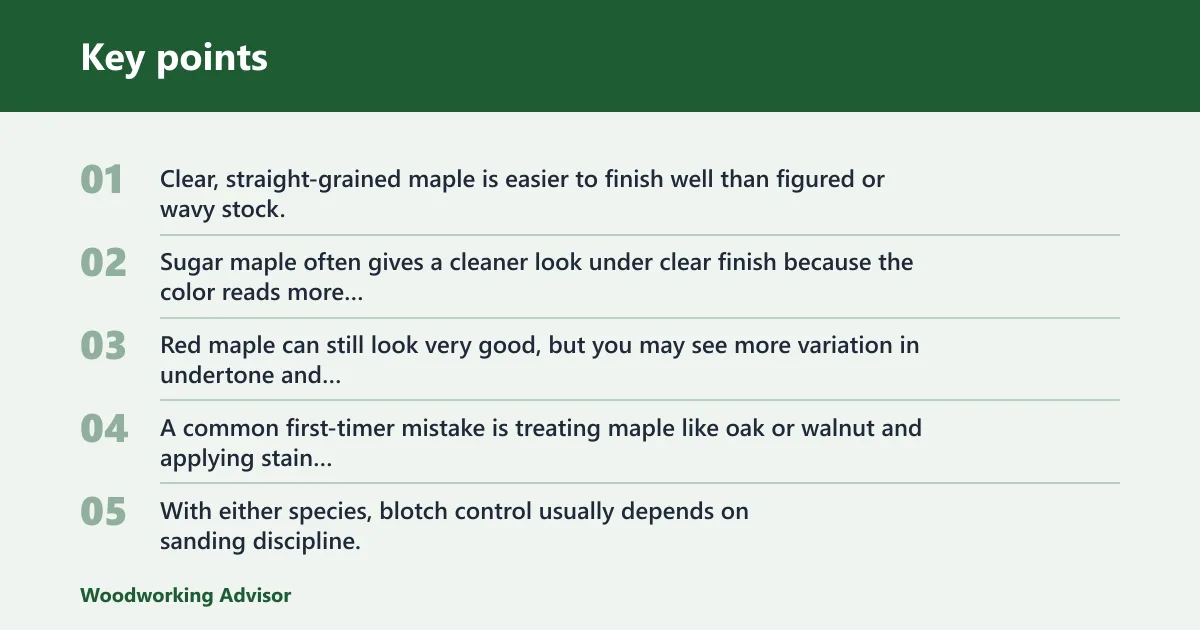
Clear, straight-grained maple is easier to finish well than figured or wavy stock. Sugar maple often gives a cleaner look under clear finish because the color reads more evenly. Red maple can still look very good, but you may see more variation in undertone and absorption across the same panel.
A common first-timer mistake is treating maple like oak or walnut and applying stain without testing scrap first. With either species, blotch control usually depends on sanding discipline, pore-sealing strategy, and consistent milling. If the project will be stained dark, sample boards matter.
Which species usually behaves better under clear finish versus paint
For a clear finish, sugar maple often has an edge because its tighter, more even look can support a bright, crisp result. For paint, red maple often makes more sense because the finish hides the grain distinction and the lower cost can free up budget for better prep or hardware.
Does either maple move more after milling?
Neither species should be chosen as if movement is a big separator. Movement after milling depends far more on moisture content, drying quality, and how the boards are stored before and after cutting. Properly kiln-dried maple from either species can stay stable; poorly seasoned stock from either species can warp.
Moisture content, kiln-dried stock, and why seasoning matters
Ask for kiln-dried stock and look for boards that have been acclimated to the shop before final milling. That matters because moisture loss or gain after machining can change flatness, joint fit, and glue line reliability. If a board still carries uneven internal moisture, twist or cup can show up later.
Both maples prefer slightly acidic to neutral soil with pH 5.5-7.0 in the landscape, and both need consistent moisture when young, but those tree facts are not the lumber rule. For woodworking, the important point is the state of the board you buy. Dry, straight stock beats species labels alone.
Stability, warp risk, and how board selection affects results
Choose boards with straight grain when possible, and avoid pieces with obvious stress, pith, or severe runout for wide panels. Flat-sawn maple can be more prone to visible movement than quartersawn stock, regardless of species. The species choice matters, but board quality and moisture control matter more.
Choose sugar maple if… / Choose red maple if…
Choose sugar maple when the part will take wear, abrasion, or repeated contact, and choose red maple when you want easier machining or lower cost and the part will see less abuse. In short: sugar maple is the stronger spec for durability, while red maple is often the smarter buy for painted or moderate-use work.
Choose sugar maple if…
- You are building tabletops, butcher blocks, or other surfaces that take daily wear.
- You want the harder option for better dent resistance and longer surface life.
- You plan to use a clear finish and want a more consistent visual result.
- You can accept harder machining and slightly higher cost.
Choose red maple if…
- You are making painted furniture, cabinet parts, or secondary components.
- You want easier planing, sanding, and routing.
- You are working to a tighter budget and do not need maximum hardness.
- You are willing to choose carefully from straight, dry boards and test any stain first.
Project match table: which maple is better for each use?
The right answer depends on the job, not the tree label alone. Sugar maple usually wins where wear resistance and surface durability matter most; red maple often wins where cost, paintability, or easier machining matter more. For many shop builds, that split saves both time and money.
| Woodworking use | Sugar Maple | Red Maple | Key reason |
|---|---|---|---|
| Cabinet doors | Good | Better for paint-grade work | Red maple is easier to machine and the finish will hide grain differences |
| Drawer fronts | Good | Better value | Red maple is strong enough and usually easier on tools for repeated parts |
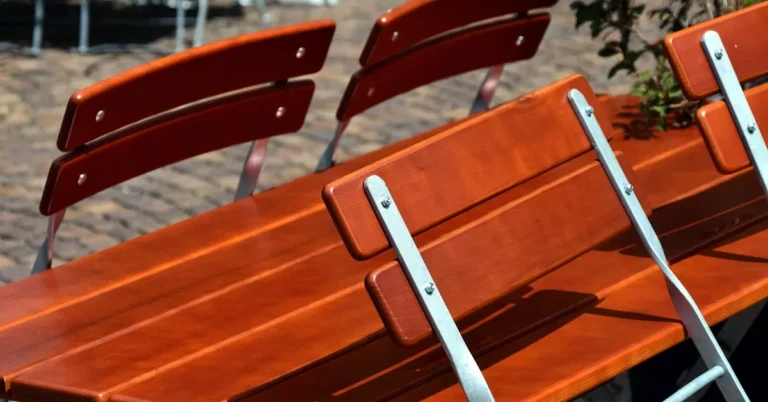
| Tabletops | Best choice | Usable for lighter-duty tops | Sugar maple offers better dent and wear resistance |
| Painted furniture | Good | Best choice | Paint hides the visual advantage of sugar maple, so cost and machining favor red maple |
| Butcher blocks | Best choice | Not the first pick | Butcher blocks need hardness and abrasion resistance |
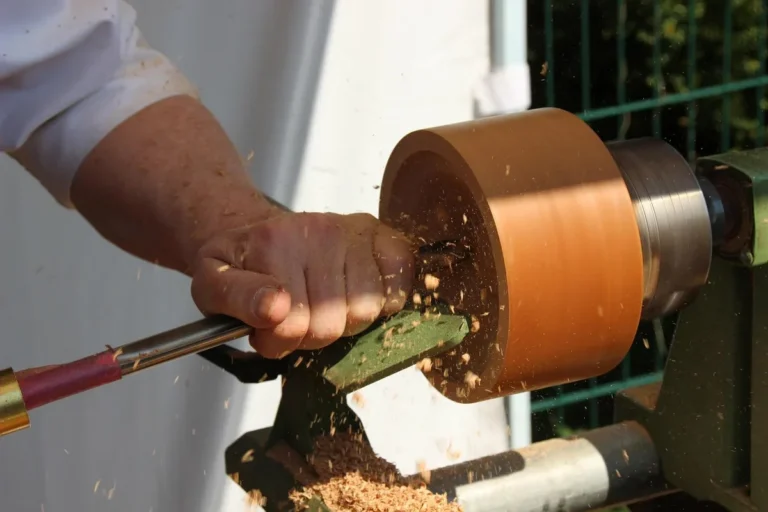
| Turned parts | Good for crisp detail | Better when you want easier turning | Red maple is easier to cut; sugar maple can hold sharper wear surfaces |
Can red maple be used for cabinets and tabletops?
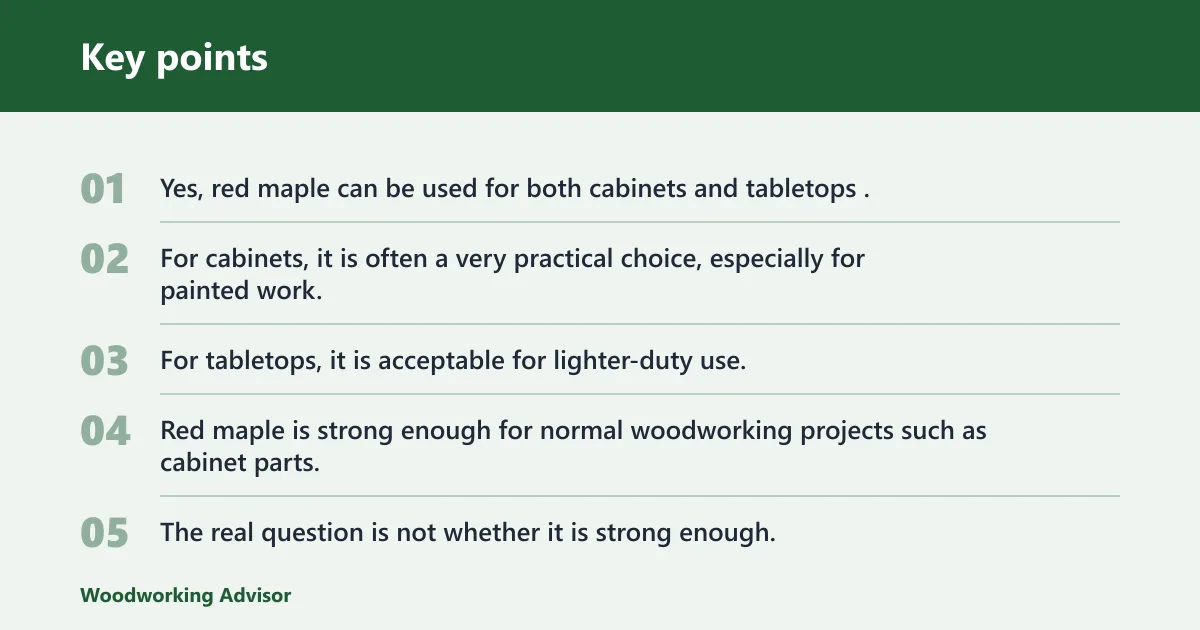
Yes, red maple can be used for both cabinets and tabletops. For cabinets, it is often a very practical choice, especially for painted work. For tabletops, it is acceptable for lighter-duty use, but sugar maple is the better option when the surface will face daily abuse.
Is red maple strong enough for woodworking?
Yes. Red maple is strong enough for normal woodworking projects such as cabinet parts, drawer fronts, casework, and many furniture components. The real question is not whether it is strong enough, but whether the project needs the extra hardness and wear resistance that sugar maple provides.
How can I tell sugar maple from red maple lumber?
You usually cannot identify lumber with perfect certainty from one quick glance, but there are useful clues. Sugar maple is often sold as hard maple stock, while red maple is often grouped into soft maple. In boards, look for differences in color range, grain consistency, and how the supplier labeled the pile.
- Check the yard label first; hard maple and soft maple are the most useful retail categories.
- Inspect grain consistency. Sugar maple often looks tighter and more uniform.
- Look at color variation across the board stack. Red maple can show more mixed tones.
- Ask whether the lumber is kiln-dried and where it was graded.
- When in doubt, choose by project need, not by guesswork in the rack.
Tree clues that matter only as a backup
If the lumber still has bark or sapwood clues, mature sugar maple bark tends to be tighter, while young red maple bark is smoother. Sugar maple also grows slower and can reach 60-80 ft, while red maple grows faster and is described as 40-60 ft tall. Those are tree clues, not buying rules, but they can help confirm the species if the seller knows the source.
Which maple is better for durability and wear resistance?
Sugar maple is often a stronger choice when durability and wear resistance matter. Its higher hardness makes it the safer choice for tabletops, butcher blocks, chair arms, stair parts, and any surface that will see abrasion or repeated contact. Red maple is durable enough for many projects, but it is the lighter-duty option.
What durability means in real projects
Durability is not only about resisting breakage. It also includes dent resistance, edge wear, and how well a surface keeps looking good after repeated use. Sugar maple handles those demands better, which is why it is often chosen for furniture and cabinets where the client expects a long service life.
Red maple still has an important place. When the design is paint-grade, when tool access is limited, or when the budget needs to stretch, it is a sensible hardwood choice. That is especially true for casework and non-abusive parts that need clean machining more than maximum surface toughness.
Frequently asked questions
Is sugar maple better than red maple for furniture?
Sugar maple is better for furniture that will take wear, especially tops, chairs, and visible edges that get bumped often. Red maple is often better for painted furniture or pieces where easier machining and lower cost matter more than maximum hardness. For a clear-finish heirloom, sugar maple usually has the edge.
Which maple stains and finishes better, sugar maple or red maple?
Sugar maple usually finishes more predictably because its grain is tighter and more uniform. Red maple can also finish well, but it may show more variation in stain absorption and color. Either species can blotch if the surface is not prepped carefully, so test scraps before committing to stain.
When should I choose red maple instead of sugar maple?
Choose red maple when the part will be painted, when machining ease matters, or when the budget is tighter and maximum wear resistance is not required. It is a sensible pick for cabinet parts, drawer fronts, and many furniture components that do not take constant abuse.
Sponsored / affiliate links. As an Amazon Associate I earn from qualifying purchases. I may earn additional commission from eligible campaigns.