What Are MDF Cabinets? The Moisture Myth Everyone Repeats
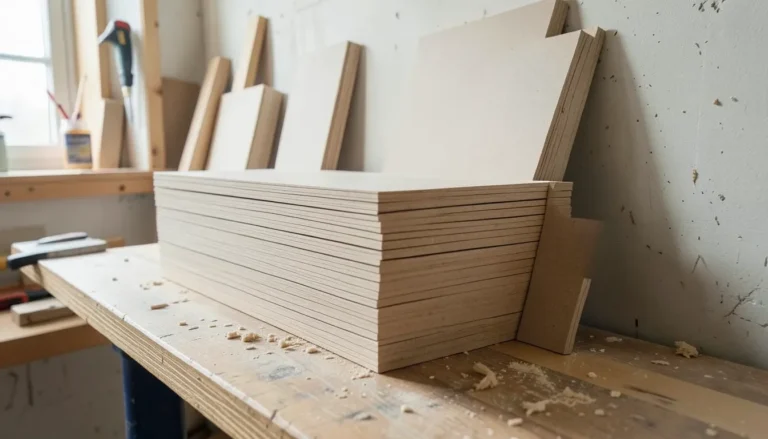
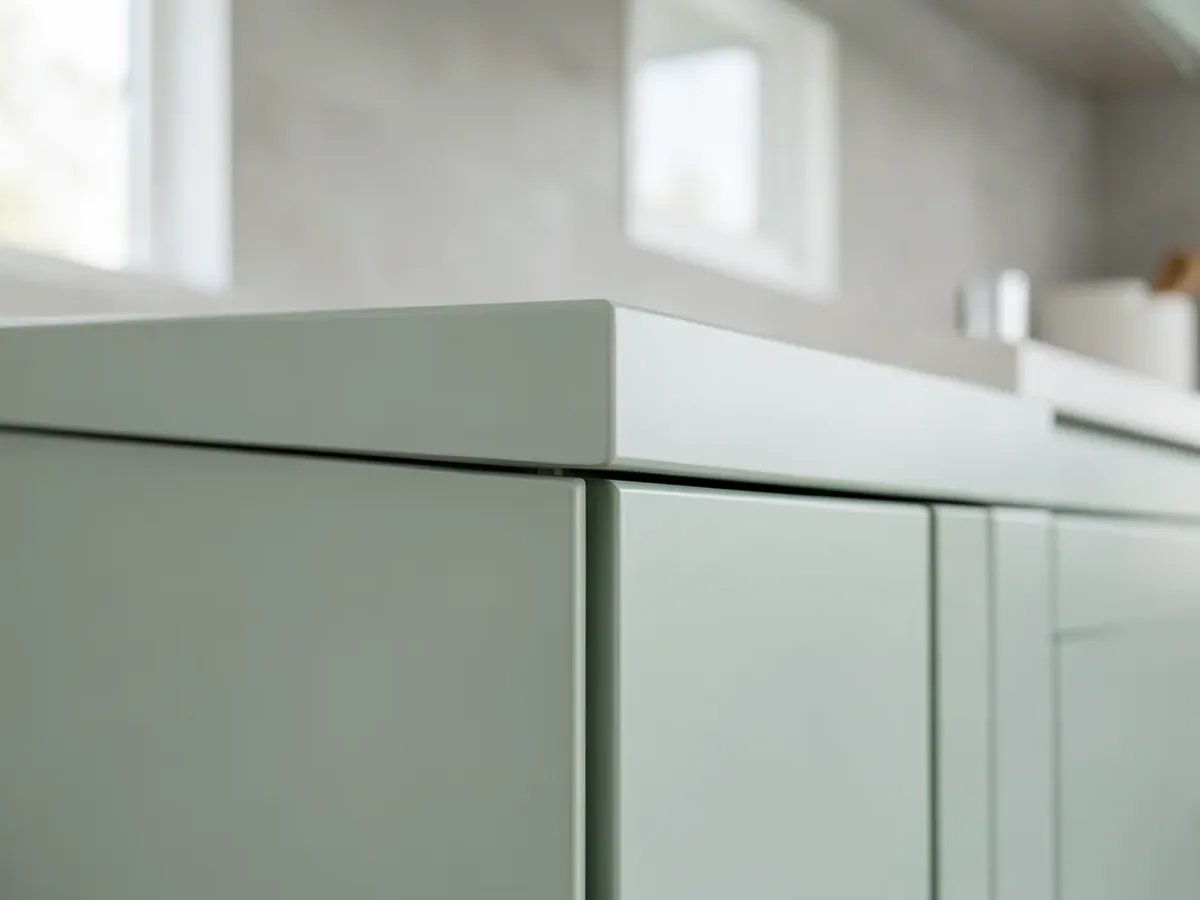
MDF cabinets are cabinets built from medium-density fiberboard — wood fibers bonded with resin under heat and pressure into a dense, uniform panel with no grain, knots, or layers. That uniformity is exactly why MDF paints to a glass-smooth finish that plywood and solid wood can’t match without a lot of extra filling and sanding, and it’s the real reason MDF dominates painted kitchen cabinet doors specifically.
It’s not a wood substitute for every job, though. MDF is heavier than plywood of the same size, its screw-holding strength is weaker (fibers strip out of a stripped hole more easily than plywood’s cross-grain layers), and its edges chip more readily under an impact since there’s no long wood fiber to resist a hit. None of that rules it out for cabinets, it just means MDF plays a specific role rather than being a universal wood replacement.
The Moisture Claim You’ll See Repeated (and Why It’s Wrong)
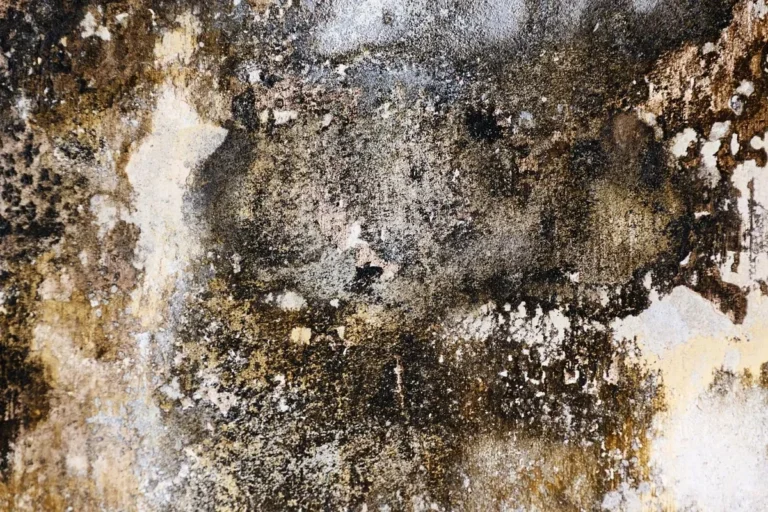
Standard MDF does not resist moisture — it’s one of the material’s real weak points, not a strength. Uncoated MDF swells, and in bad cases delaminates or crumbles, when it stays wet for any length of time, which is exactly why kitchen sink base cabinets and bathroom vanities are common spots to find swollen, sagging MDF a few years in. If you want MDF specifically for a moisture-prone location, look for moisture-resistant MDF (often tinted green by the manufacturer), which uses a different resin formulation and wax sizing to slow water absorption — it’s more resistant, not waterproof, so a sustained leak will still damage it eventually.
Getting a Clean Edge and Finish
For Cut MDF Edges
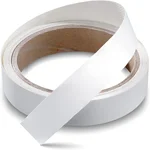 |
White Melamine Iron-On Edge Banding, 3/4″ x 10ft – $7.99 A cut MDF edge is porous and fuzzy, and paint alone won’t hide it well. Iron-on banding gives cut edges (on cabinet ends, shelves, or DIY panels) a clean, factory-look finish in a few minutes with a household iron.
|
Factory MDF cabinet doors typically arrive already primed and edge-sealed. If you’re building or refinishing MDF cabinet parts yourself, seal cut edges with a sanding sealer or edge banding before painting — a raw MDF edge soaks up paint unevenly and can look chalky or rough compared to the factory-finished faces no matter how many coats you add.
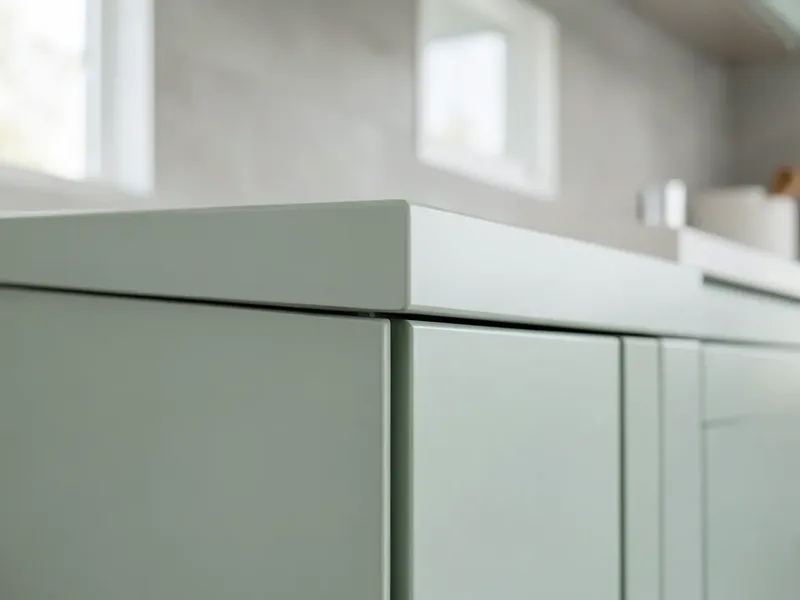
MDF vs. Solid Wood vs. Plywood, for Cabinets Specifically
| Property | MDF | Plywood | Solid Wood |
|---|---|---|---|
| Paint finish | Excellent, no grain to fill | Grain telegraphs through paint | Grain and knots show through |
| Moisture resistance | Poor unless MR-rated | Good, especially exterior-grade | Fair, moves with humidity |
| Screw-holding | Weaker, strips more easily | Strong, cross-grain layers | Strong |
| Weight | Heaviest | Moderate | Varies by species |
| Cost | Lowest | Mid-range | Highest |
| Refinishing | Can’t be sanded/refinished easily | Limited, thin veneer layers | Can be sanded and refinished repeatedly |
Most real kitchens mix materials rather than picking one: MDF for painted door and drawer fronts where the smooth finish matters most, plywood for cabinet boxes where moisture exposure and screw-holding matter more, and solid wood trim or face frames where you want something you could theoretically sand and refinish decades from now.
One Thing Worth Knowing Before You Buy: Formaldehyde Ratings
Older or lower-quality MDF used urea-formaldehyde resin, which can off-gas formaldehyde, a real indoor air quality concern, especially in a small, enclosed kitchen. Since 2018, MDF sold in the US has to meet CARB Phase 2 or TSCA Title VI formaldehyde emission limits, so cabinet-grade MDF from a reputable supplier today is held to a real regulated standard, not just a marketing claim. If you’re buying secondhand cabinets or an off-brand import, it’s worth asking whether the MDF is CARB2/TSCA Title VI compliant rather than assuming it is. See our full breakdown of MDF formaldehyde limits and the “MDF is banned” myth for the exact numbers.
On the environmental side, MDF fiber commonly comes from sawmill residue, wood chips, and recycled scrap wood rather than lumber harvested specifically for it, which is a genuine, specific sustainability point rather than a vague “eco-friendly” claim.
Keeping MDF Cabinets Looking Good
- Wipe, don’t soak. A damp cloth with mild soap is fine; standing water anywhere on the surface, especially at seams and edges, is what causes swelling.
- Fix chips fast. A chipped edge exposes raw fiber that absorbs moisture quickly; fill and repaint it before it has a chance to swell.
- Skip the pressure spray. Aggressive cleaning sprays and abrasive pads can dull or scratch the painted surface, which (unlike solid wood) can’t just be sanded and refinished afterward.
- Watch under the sink specifically. That’s the single most common place MDF cabinets fail, from slow leaks nobody notices until the toe-kick or cabinet floor has already swollen.
Frequently Asked Questions
How long do MDF kitchen cabinets last?
Commonly 10 to 15 years with reasonable care, though moisture exposure is what actually determines lifespan more than age alone. A dry MDF cabinet can easily outlast that; a leaking one can fail in a fraction of the time.
Is MDF better than laminate for cabinets?
They’re not really competitors: laminate is a surface material, MDF is the substrate underneath it. Many cabinets are laminate-wrapped MDF. The real comparison is a painted MDF door versus a laminate-faced door: paint gives more color/style flexibility, laminate resists scratches and moisture better.
How do I tell if my cabinets are MDF?
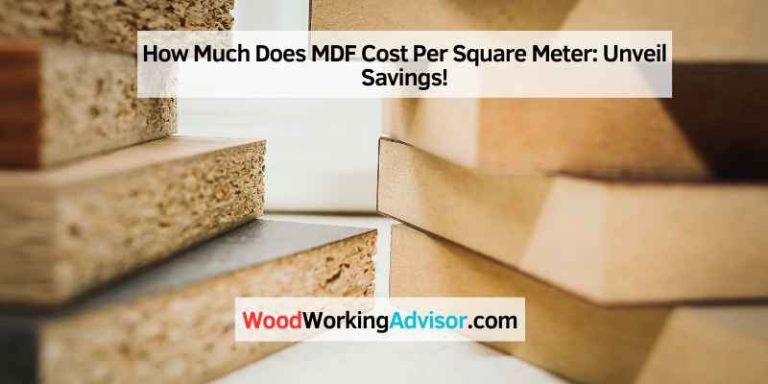
Look at a cut edge or the back of a drawer front: MDF shows a uniform, fine, sawdust-like texture with no visible wood grain or layers, unlike plywood’s visible layers or solid wood’s grain. MDF is also noticeably heavier than a plywood or particleboard panel of the same size.
Can I paint MDF cabinets myself?
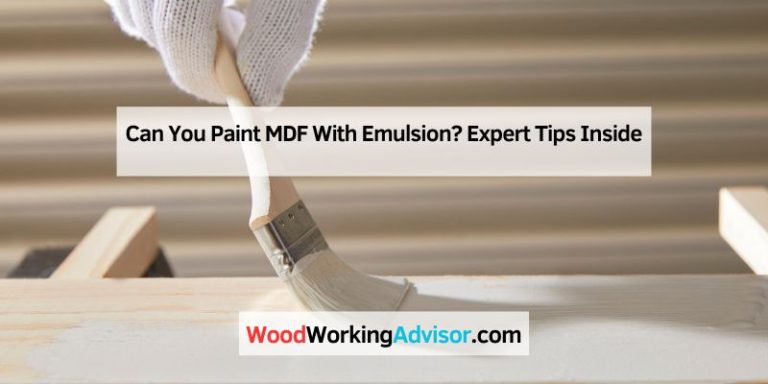
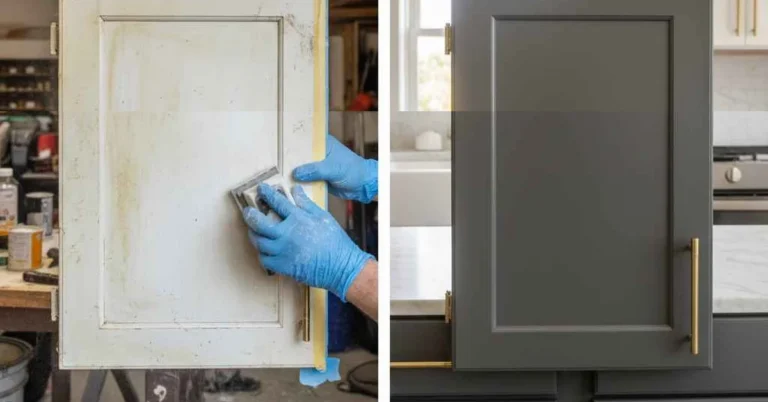
Yes. Clean the surface, seal any raw cut edges, prime with a quality bonding primer, and finish with paint rated for cabinetry (most benefit from a harder enamel-type finish over standard wall paint). Sand lightly between coats for a smooth result.
Bottom Line
MDF cabinets earn their popularity honestly: no grain means a genuinely better painted finish than plywood or solid wood, at a lower price. The real tradeoff is moisture sensitivity and weaker screw-holding, not the “resists moisture” myth that gets repeated online. Keep water away from it, seal cut edges before finishing, and check for MR-rated MDF and CARB2/TSCA Title VI compliance if either matters for your project.
Sponsored / affiliate links. As an Amazon Associate I earn from qualifying purchases. I may earn additional commission from eligible campaigns.