How Do You Take Care Of Wood Floors To Make Them Last?
Proper care for wood floors involves regular cleaning, strategic protection, and prompt attention to spills or damage. This helps preserve their beauty and extend their lifespan, making them a lasting feature in your home.
Understanding Your Wood Floors
Editor’s Pick For Daily Cleaning
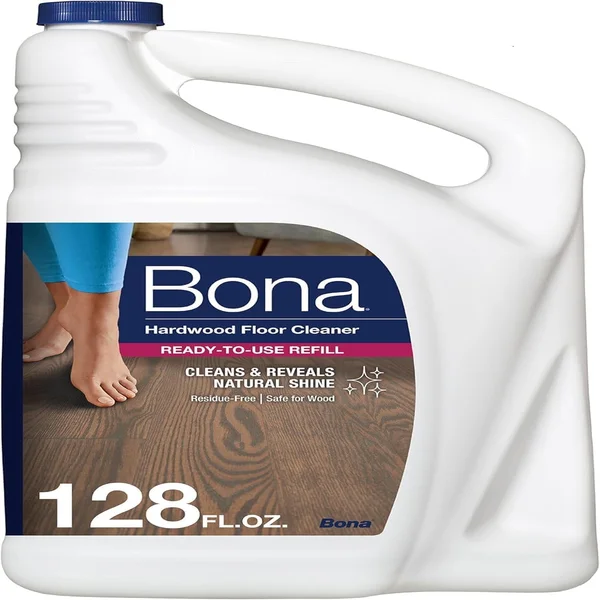 |
Bona Hardwood Floor Cleaner Refill (128 fl oz) – $34.42 A pH-neutral, no-rinse formula made specifically for finished wood floors, so it won’t dull polyurethane the way an all-purpose cleaner can.
|
Wood floors are beautiful. They bring warmth to a home. But they are also sensitive.
Wood is a natural material. It can react to moisture. It can also get scratched.
Knowing what kind of wood floor you have is step one. It’s also good to know what finish it has.
There are many types of wood floors. Common ones include hardwood and engineered wood. Hardwood is solid wood all the way through.
Engineered wood has layers. The top layer is real wood. The layers below are usually plywood or fiberboard.
Both are nice. But they might need slightly different care.
Finishes are important too. Polyurethane is very common. It’s tough.
It creates a protective layer. Wax finishes are older. They need buffing.
Oil finishes soak into the wood. They give a natural look. They often need more frequent touch-ups.
The finish is what you’ll mostly clean. It’s the shield for your wood. A damaged finish lets water and dirt get to the wood itself.
This is how problems start. So, protecting the finish is key. That’s the main goal of floor care.
The Mistake That Undoes a Good Finish
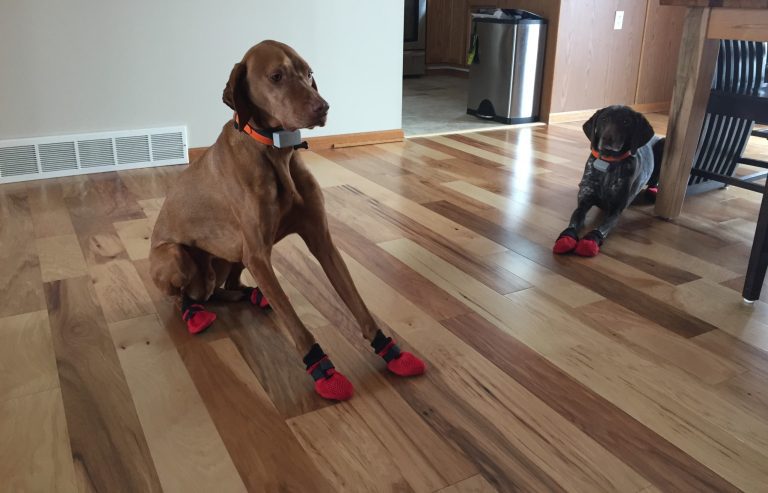
Here’s a scenario that plays out in a lot of houses with dogs: muddy paw prints track across a hardwood floor, nobody notices for twenty minutes, and by the time someone grabs a paper towel, the mud has started to dry and set into a dark streak instead of wiping away clean.
That’s the pattern behind most “ruined” wood floors that aren’t actually ruined at all. Dried debris and dirt sit on top of the finish, not the wood itself, but scrubbing at a dried spot with a dry paper towel just grinds grit into the finish and can dull or scratch it.
The fix is almost always the same: a barely-damp microfiber cloth, gentle dabbing rather than rubbing, and patience. Rubbing spreads the mess around and can push moisture into the seams between boards. Dabbing lifts it. If a spot needs more than a minute of gentle work, switch to a wood-safe cleaner instead of pressing harder.
Daily Wood Floor Habits
Sweep or Dust Mop Often: This removes grit. Grit acts like sandpaper. It scratches your floor over time.
Deal with Spills Fast: Wipe up any liquid right away. Don’t let it sit. Water is wood’s enemy.
Use Doormats: Place mats inside and outside doors. This catches dirt and water before it hits the wood.
No High Heels: High heels can dent wood. The narrow heel puts a lot of pressure on a small spot.
Cleaning Your Wood Floors: The Gentle Approach
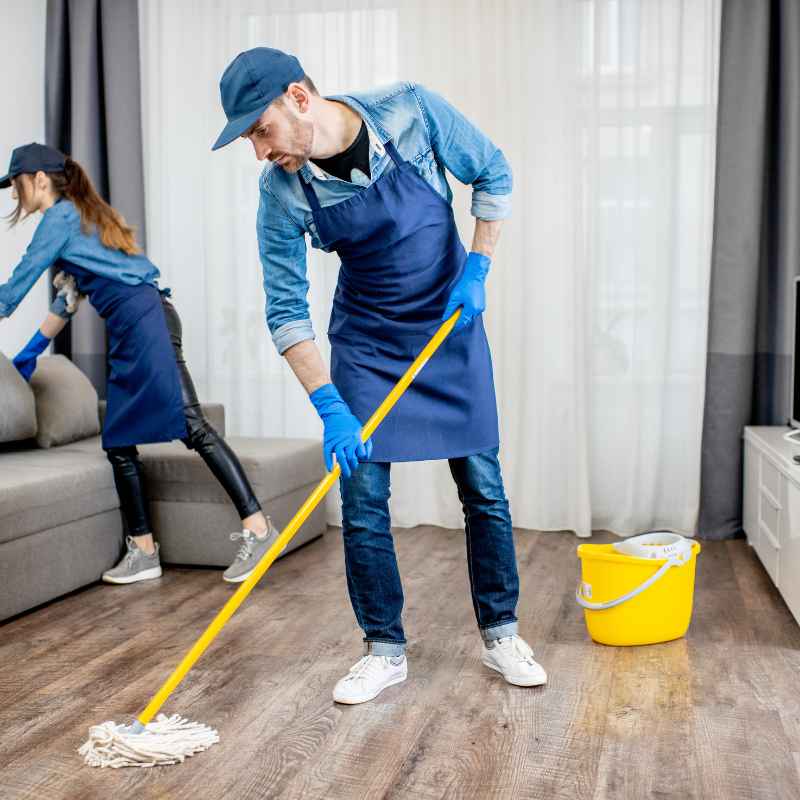
Cleaning wood floors is not like cleaning tile. You can’t just mop it with a soaking wet mop. That’s a sure way to cause harm.
You need to be gentle. Think of it like caring for a favorite piece of furniture.
For most modern finishes, like polyurethane, a dry sweep or dust mop is best for daily dirt. This removes dust, hair, and small debris. It prevents them from scratching the floor.
You can use a soft broom or a microfiber dust mop. These are great at picking up fine particles.
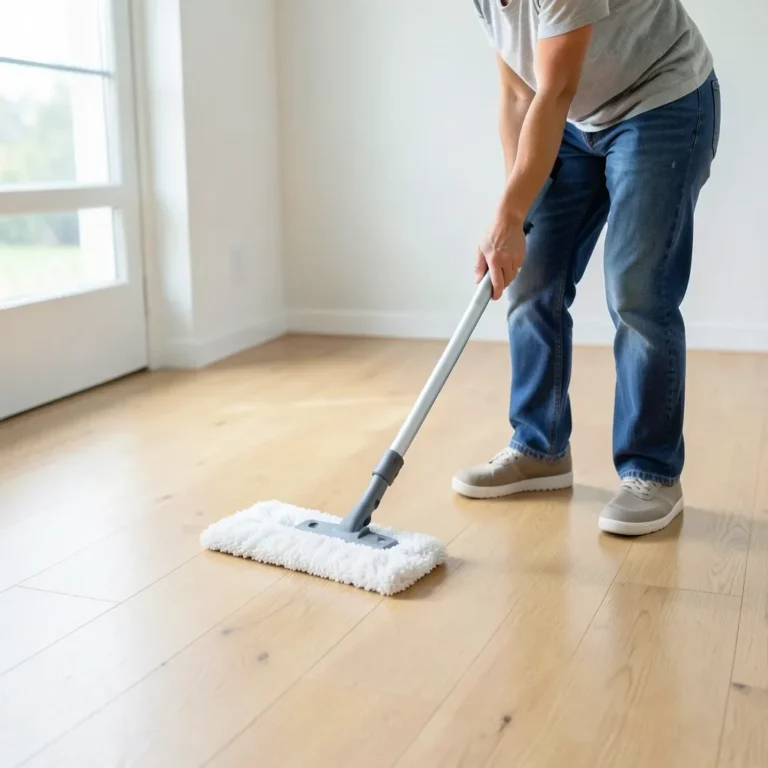
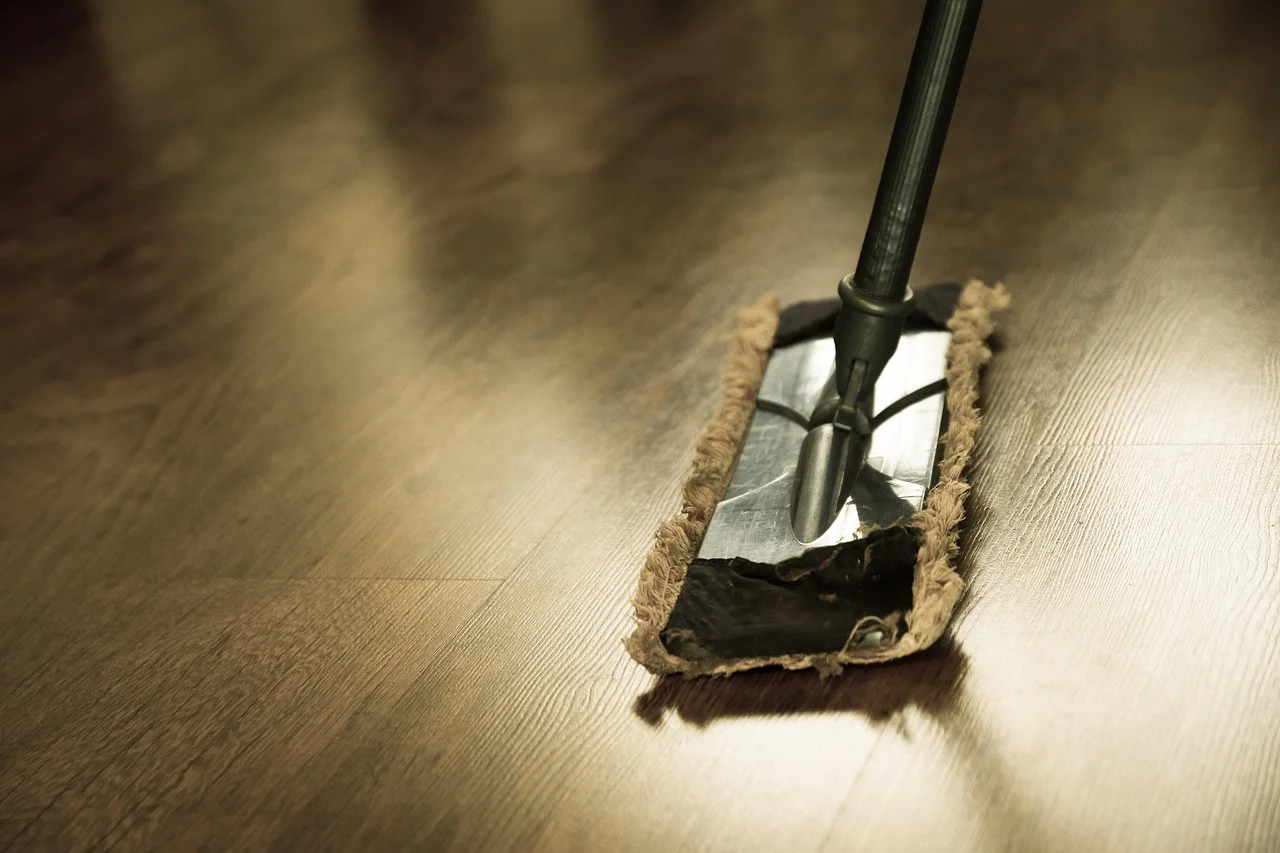
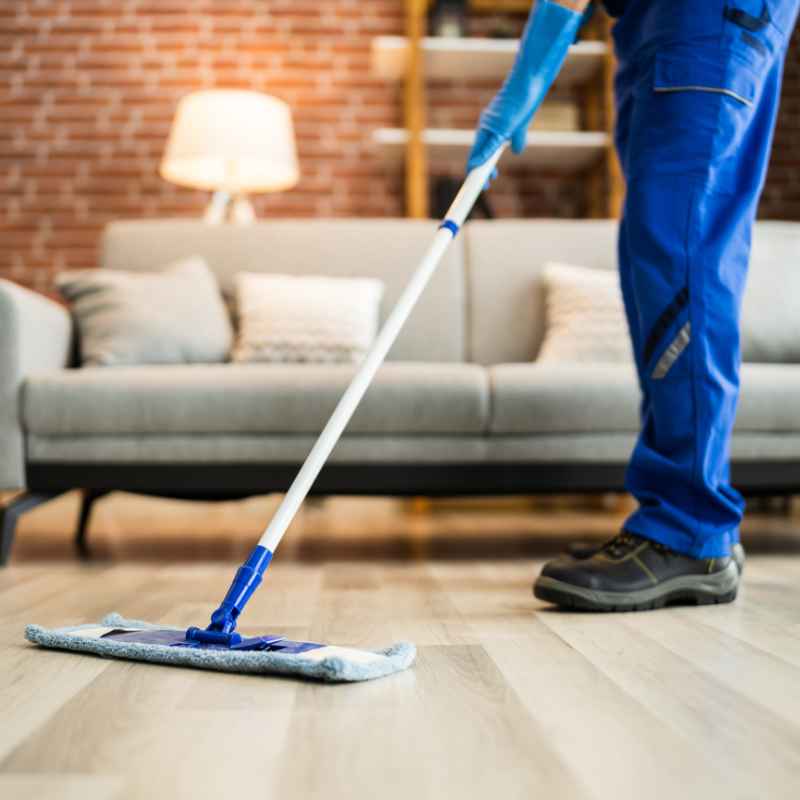
When it’s time for a deeper clean, a damp mop is your friend. And I mean damp. Wring out the mop until it feels almost dry.
You want to use very little water. For most jobs, a simple solution works best.
A good choice is a mix of water and a tiny bit of mild dish soap. Or, you can buy a wood floor cleaner made for your floor’s finish. Always check the cleaner’s label.
Make sure it’s okay for your type of wood floor and its finish. Some cleaners can dull the finish. Others might leave a sticky residue.
When mopping, work in sections. Mop one small area. Then dry it immediately with a clean, dry cloth or mop.
This ensures no water sits on the wood for long. It also helps prevent streaks. You’re cleaning and drying in one go.
Avoid steam mops. While they seem like a good idea, the heat and steam can damage the wood and its finish. They can force moisture into the wood.
This can cause warping or discoloration over time. Stick to the damp mop method.
Wood Floor Cleaning Mistake Alert
Using too much water: This is the biggest no-no. Water can seep into the wood. It causes swelling and damage.
Harsh chemicals: Ammonia, vinegar, or abrasive cleaners can strip the finish. They can also scratch the wood.
Using a wet mop: A wet mop leaves too much moisture. It’s like leaving puddles on your floor.
Not sweeping first: Trying to mop over grit just grinds it in. It makes scratches.
Protecting Your Investment: Prevention is Key
The best way to keep your wood floors looking new is to prevent damage in the first place. This involves a few smart habits and tools. It’s all about creating a barrier between the floor and potential harm.
Felt pads are a lifesaver. Put them on the legs of all your furniture. This includes chairs, tables, sofas, and even pet bowls.
When furniture is moved, the felt pads glide smoothly. They stop scratches and dents from happening. Check these pads often.
They can wear out or collect grit themselves.
Area rugs are another great protector. Use them in high-traffic areas. Think hallways, entryways, and dining areas.
They catch dirt and debris. They also add a layer of cushioning. Make sure the rugs have a backing that won’t discolor or damage your wood floor.
Some rubber or vinyl backings can react with the finish. Look for rugs with natural fiber backings or use a rug pad designed for wood floors.
For entryways, use sturdy doormats. A good doormat can trap a lot of dirt and moisture. Encourage everyone to wipe their feet.
This small habit makes a big difference over time. It stops tiny stones and dirt particles from being tracked inside. These particles are like tiny knives to your floor’s finish.
Keep pets’ nails trimmed. Dog nails and cat claws can easily scratch wood floors. Regular nail trims are a must.
Also, consider non-slip mats under pet bowls. This catches any spilled water. Water left to sit is bad for wood.
Sunlight can also damage wood floors. Over time, direct sun can cause fading. The color can change.
It might become lighter or darker. It can also dry out the wood. Use curtains or blinds to block direct sunlight during peak hours.
This helps keep the color uniform and the wood healthy.
Smart Furniture Habits
Felt Pads: Always use them on furniture legs.
Glides: For very heavy items, use furniture glides. They help slide things without scratching.
Careful Moving: When moving furniture, lift it. Don’t drag it. Even with felt pads, dragging can cause damage.
Chair Mats: Use clear plastic chair mats at desks. This protects the floor from rolling chairs.
Dealing with Spills and Accidents
Accidents happen. A spilled drink, a pet’s mishap, or a leaky plant pot. The key is always speed.
The longer a liquid sits on wood, the more damage it can do.
If a spill occurs, grab a clean cloth immediately. Blot up as much liquid as you can. Don’t rub.
Rubbing can spread the spill. It can also push liquid into the wood grain.
Once the bulk of the liquid is up, use a slightly damp cloth to wipe the area clean. Again, make sure the cloth is just damp, not wet. Follow up immediately with a dry cloth to absorb any lingering moisture.
The area should be completely dry within minutes.
For sticky spills, like juice or soda, use a wood floor cleaner. Or, use that mild dish soap and water mix. Gently wipe the spot.
Then, dry it thoroughly. Sticky residue can attract dirt. It can also become a slip hazard.
If slickness keeps coming back in the same spot, cleanup alone will not fix it. See our guide on how to make wood floors less slippery for anti-slip coatings, rugs, and traction fixes.
If you have a pet accident, clean it up as quickly as possible. Use an enzymatic cleaner designed for pet stains. These cleaners break down the organic matter.
They help eliminate odors. Always follow the product instructions. Test the cleaner in an inconspicuous spot first to ensure it doesn’t harm your floor’s finish.
Never use cleaning products that are not made for wood floors. Things like bleach, ammonia, or all-purpose cleaners can be too harsh. They can strip away the protective finish.
This leaves your floor vulnerable. Read product labels carefully. When in doubt, stick to water and a mild soap or a cleaner specifically made for wood.
Quick Spill Response Guide
Immediate Blot: Use a clean, absorbent cloth. Don’t rub.
Damp Wipe: Use a well-wrung-out cloth. Remove any residue.
Dry Thoroughly: Use a dry cloth or mop. Ensure no moisture remains.
Special Cleaners: For tough spots, use a wood-safe cleaner. Always test first.
When to Call the Pros (or Consider Refinishing)
Even with the best care, wood floors can show wear over time. Scratches, dents, and fading are normal. They tell the story of your home.
But there comes a point when basic cleaning isn’t enough.
Deep scratches or gouges might need professional attention. A flooring company can often repair these. They might be able to sand down the damaged area.
Then they can refinish it to match the rest of the floor. This is usually much cheaper than replacing the whole floor.
If your floor looks dull all over, even after cleaning, it might be time for a recoat. This is a lighter form of refinishing. It involves screening the floor to remove the dull top layer.
Then a new protective coat of finish is applied. This can bring back the shine and protect the wood.
A full refinishing involves sanding down the wood to bare. Then it’s stained and sealed with a new finish. This is a big job.
It can completely transform old, worn floors. It’s a great option when the damage is significant or the finish is completely worn away.
How often you need to refinish depends on the floor’s use. A high-traffic home with pets and kids might need it every 5–7 years. A low-traffic home might go 10–15 years or longer.
It’s a good idea to inspect your floors annually. Look for signs of wear. This helps you plan for future maintenance.
When considering professionals, always get multiple quotes. Ask for references. Look for companies with good reviews and a solid track record in wood floor restoration.
They can assess the condition of your floor. They can recommend the best course of action.
Signs Your Floor Needs Professional Help
Deep Scratches: If you can feel a significant indentation with your fingernail.
Widespread Dullness: The shine is gone everywhere, not just in spots.
Water Damage: Cupping, crowning, or dark stains from moisture.
Worn Finish: Areas where the finish is completely gone, showing bare wood.
Color Changes: Uneven fading or discoloration that cleaning can’t fix.
Common Wood Floor Myths Debunked
There are many ideas about wood floor care floating around. Some are helpful. Others can actually harm your floors.
Let’s clear up a few common myths.
Myth vs. Reality
Myth: You need to wax wood floors regularly.
Reality: Most modern wood floors have a polyurethane finish. Wax can build up on this finish. It makes the floor sticky and dull.
Wax is only for certain types of floors, usually older ones with a wax finish.
Myth: Vinegar is a great natural cleaner for wood floors.
Reality: While vinegar is acidic, it can dull the finish of wood floors over time. It’s best to avoid it. Stick to cleaners made for wood or a very mild soap solution.
Myth: You can’t clean hardwood floors with a damp mop.
Reality: A damp mop is perfectly fine for wood floors, as long as it’s wrung out well. The key is minimal water. A soaking wet mop is the problem.
Myth: Once scratched, a wood floor is ruined.
Reality: Minor scratches can often be buffed out or repaired. Deeper scratches can be sanded and refinished. Wood floors are durable and can often be restored.
Understanding Different Wood Floor Types
Knowing your floor helps you care for it better. Let’s look at the main types.
Quick Scan: Floor Types
Solid Hardwood: Made of a single piece of wood. Very durable. Can be sanded and refinished many times.
Needs careful moisture control.
Engineered Wood: Layers of wood or composite material. Top layer is real wood. More stable than solid wood.
Less prone to expansion and contraction. Some can be refinished, but not as many times as solid wood.
Laminate Flooring: Looks like wood but is not made of real wood. It’s a photographic image under a protective layer. Cannot be refinished.
Usually very durable and water-resistant. Care is similar to wood, but avoid excess water.
Luxury Vinyl Plank (LVP): Mimics wood very well. Made of vinyl. Highly water-resistant and durable.
Easy to clean. Does not require special wood floor cleaners. Regular sweeping and damp mopping is fine.
Maintaining Specific Finishes
The finish on your floor is crucial. It protects the wood. Different finishes need slightly different upkeep.
Finish Care Guide
Polyurethane Finish: This is the most common. It’s a hard, durable surface. Regular sweeping and damp mopping are key.
Use pH-neutral cleaners designed for polyurethane floors. Avoid abrasive pads or harsh chemicals. This finish can be screened and recoated or fully refinished.
Wax Finish: These floors have a softer feel. They need regular buffing to maintain shine. Spills must be cleaned immediately as wax is porous.
Use only wax cleaners or mild soap and water. Never use polyurethane cleaners. Waxed floors need to be re-waxed periodically.
They can be buffed or recoated with wax.
Penetrating Oil Finish: These oils soak into the wood. They provide a natural, matte look. They require regular cleaning with specific oil-based wood floor cleaners.
They may need re-oiling in high-traffic areas every few years. Full refinishing involves re-oiling the entire floor.
The Role of Humidity
Wood expands and contracts with changes in humidity. In dry winter months, wood shrinks. This can cause small gaps to appear between planks.
In humid summer months, wood expands. This can make the gaps disappear or even cause planks to push against each other.
Maintaining a consistent humidity level in your home is important for wood floors. The ideal range is usually between 35% and 55%. Using a humidifier in dry winter months can help.
Using a dehumidifier in very humid summer months can also be beneficial.
This consistency helps prevent the wood from expanding and contracting too much. This reduces the risk of gaps, cupping (where planks curl upwards), or buckling (where planks push upwards and become uneven).
Humidity Quick Facts
Ideal Range: 35% – 55% relative humidity.
Dry Air (Winter): Wood shrinks, gaps may appear.
Humid Air (Summer): Wood expands, gaps may close.
Tools: Humidifier, dehumidifier, hygrometer (to measure humidity).
FAQs About Wood Floor Care
How often should I sweep my wood floors?
You should sweep or dust mop your wood floors daily or every other day. This removes grit and debris that can scratch the finish over time. High-traffic areas may need more frequent sweeping.
Can I use a vacuum cleaner on my wood floors?
Yes, but only with a vacuum cleaner that has a soft brush roll or a hard floor attachment. Avoid vacuums with beater bars that can scratch or dent the wood. Always check your vacuum cleaner’s settings.
What is the best cleaner for polyurethane wood floors?
For polyurethane floors, a pH-neutral wood floor cleaner is best. You can also use a very mild solution of dish soap and water, but ensure the mop is only damp. Always rinse and dry the floor thoroughly.
How do I get rid of pet odors on wood floors?
For pet accidents, clean them up immediately. Use an enzymatic cleaner made for pet stains. These cleaners break down odor-causing molecules.
For general odors, ensure good ventilation and regular cleaning.
Is it okay to use furniture polish on my wood floors?
No, furniture polish is not meant for wood floors. It can leave a slippery residue and attract dirt. Stick to cleaners specifically designed for wood floors.
If you need to polish furniture, do it separately and away from the floor.
How do I know if my floor is sealed with polyurethane or wax?
A common test is to drop a tiny bit of water in an inconspicuous spot. If it beads up, it’s likely polyurethane. If it soaks in quickly or leaves a dark mark, it might be wax or an oil finish.
You can also check with the installer or previous owner if possible.
Conclusion: Lasting Beauty Through Smart Care
Taking care of your wood floors is an ongoing process. It’s about consistent, gentle habits. By understanding your floors, protecting them daily, and cleaning them wisely, you ensure they stay beautiful.
They become a cherished part of your home for years to come.
Sponsored / affiliate links. As an Amazon Associate I earn from qualifying purchases. I may earn additional commission from eligible campaigns.