What Is the Darkest Wood Stain? True Black vs. Ebonizing Explained
Minwax True Black and General Finishes Black Gel Stain are the darkest off-the-shelf wood stains you can buy, and both are designed to sit closer to a true, neutral black than shades like Ebony or Espresso. But “darkest” splits into two different questions: which pigmented product is closest to true black, and whether real ebonizing – a chemical reaction, not a stain at all – can go even darker than any can of pigment ever will.
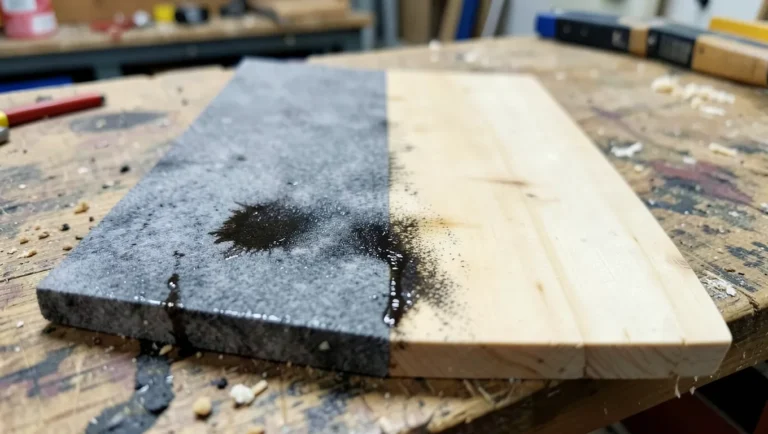
Most of what gets marketed as a “black” stain is actually a very dark brown once it’s on the wood, because pigment particles settle into the grain unevenly and let some of the wood’s own color show through underneath. A true black – flat, neutral, almost no brown or gray undertone – takes either a stain formulated specifically for that (gel stains are usually the most opaque) or a completely different process: iron-acetate ebonizing, which reacts with tannins already in the wood instead of coating it.
The Darkest Wood Stains You Can Buy
A handful of commercial stain names come up again and again when woodworkers talk about going as dark as possible: Minwax Ebony, Minwax True Black, Minwax Jacobean, Minwax Espresso, and gel-stain versions from Varathane and General Finishes. They are not interchangeable. Jacobean and Espresso are both very dark brown, not black – Espresso in particular is deep enough that it’s often mistaken for black in photos, but next to an actual black stain it reads warm and brown. Minwax Ebony leans slightly gray-black rather than pure black. Products explicitly labeled “True Black” or “Black” (as opposed to a named color like Ebony or Jacobean) are the ones actually formulated to be neutral black rather than a very dark brown.
Best Gel Stain For True Black Opacity
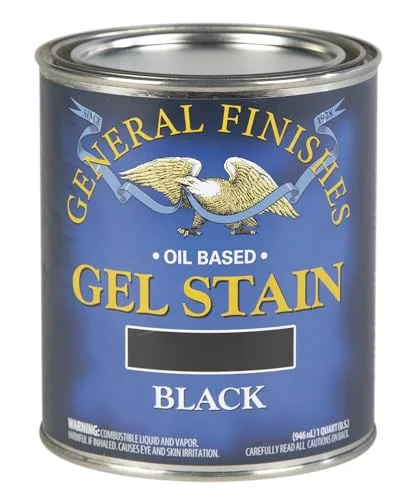 |
General Finishes Oil Base Gel Stain, 1 Quart, Black – $45.00 A heavy-bodied gel that sits on top of the wood instead of soaking in unevenly, which is what gets it closer to a true, opaque black on lighter woods like pine or poplar than a thin liquid stain can.
|
Naturally dark woods change this math. Walnut already has a deep brown tone, so even a modest stain reads as nearly black without much added pigment. Lighter species need a stain formulated for opacity, or more coats of a thinner one, to reach the same visual darkness a dark species gets almost for free.
Real Ebonizing Is Not the Same Thing as a Black Stain
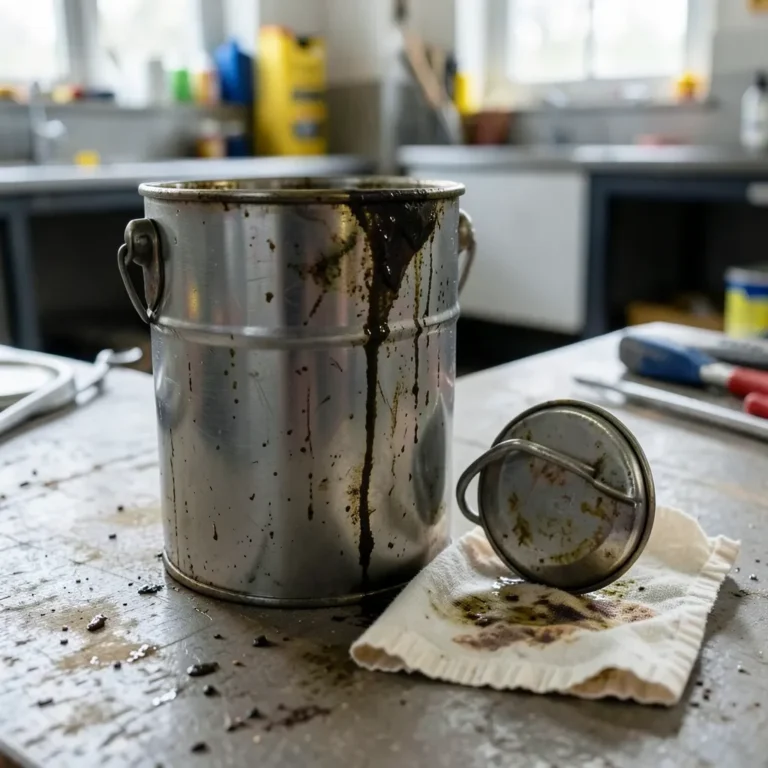
Every product above is a pigmented or dyed coating – color that sits in or on the wood fibers. True ebonizing is a chemical reaction. The classic method: drop fine (0000) steel wool into white vinegar and let it sit, loosely covered, for a few days to about two weeks. The vinegar dissolves the iron out of the steel wool into an iron-acetate solution. Wiped onto bare, sanded wood that contains natural tannins, the iron acetate reacts with those tannins and turns the surface black within minutes – no pigment involved at all.
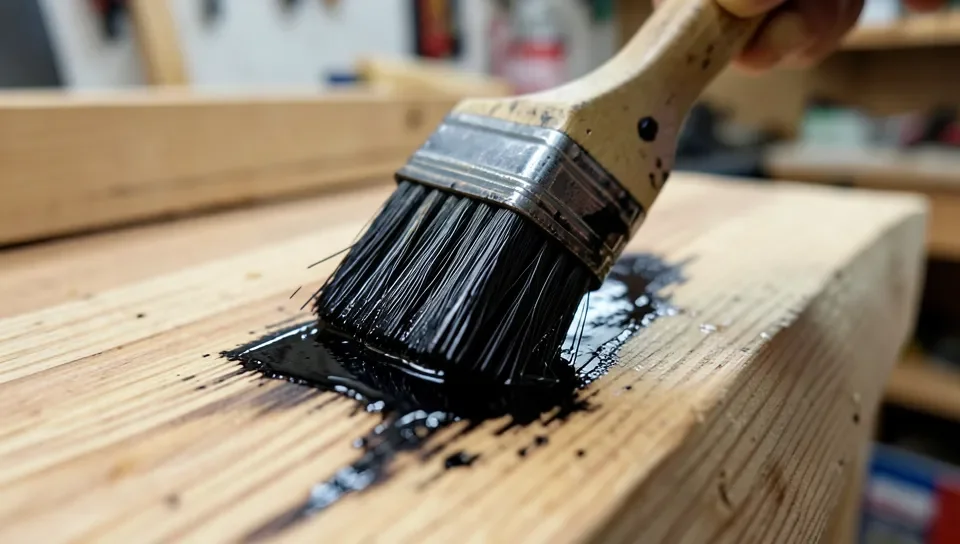
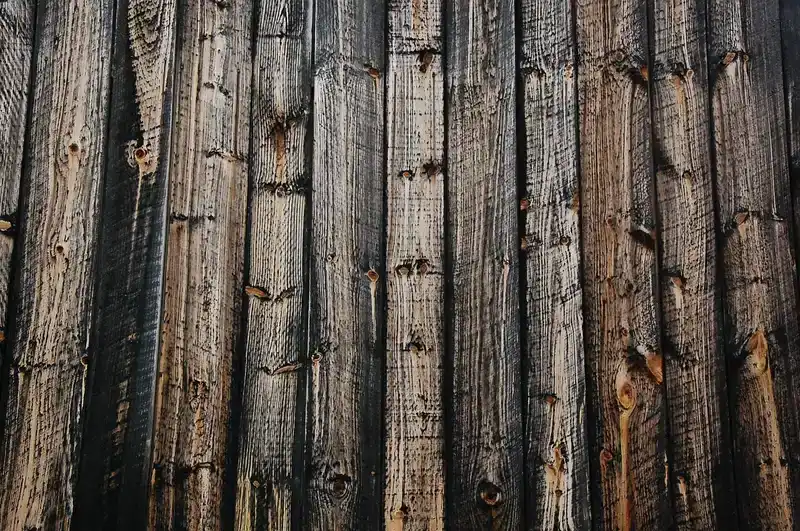
Because it’s a reaction with the wood itself rather than a coating over it, ebonizing typically leaves more of the actual grain and figure visible than a solid pigment stain does – the wood darkens, but the texture underneath still reads through, closer to how genuine ebony wood looks. This is the exact chemistry we cover in more depth in our guide to staining mahogany black, since mahogany’s natural tannin content makes it one of the better woods for ebonizing to actually work well without a pre-treatment step. Woods with little or no tannin – maple and pine are the common examples – need a tannin pre-treatment first (strong black tea or a diluted tannic acid solution, wiped on and dried before the iron acetate goes on) or the reaction comes out gray-brown and patchy instead of black.
How Many Coats You Need Depends on the Wood
The same black stain looks different depending on what it’s going onto, and that changes how much of it you’ll actually need.
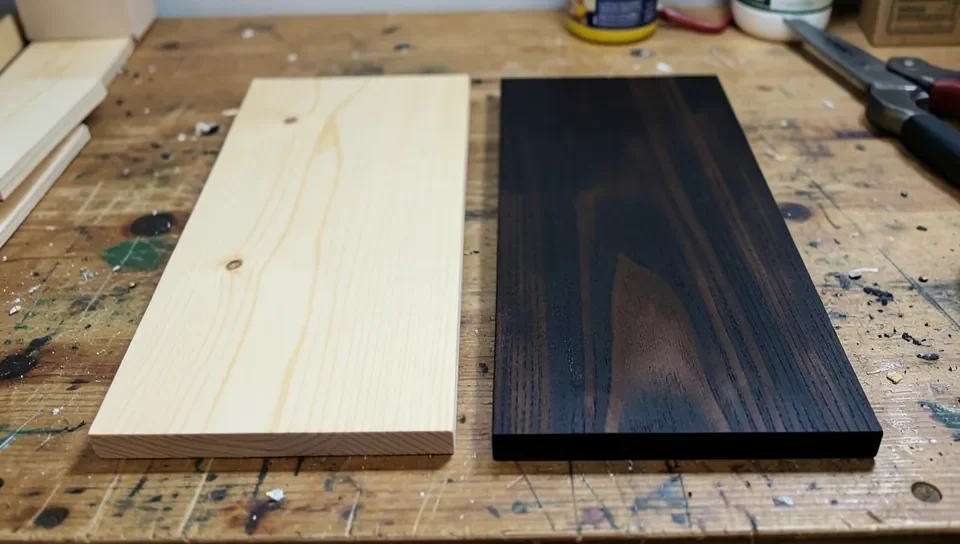
- Pine and poplar are pale and close-grained, so a single coat of a liquid pigment stain usually looks more gray-brown than black. Getting a genuinely opaque black on these woods typically takes a gel stain (which builds surface coverage instead of relying on absorption) or two to three coats of a liquid stain with light sanding between coats.
- Oak and ash have large open pores that soak up pigment stain unevenly, which can leave a blotchy look rather than a flat black. A pre-stain conditioner or a gel stain helps even this out.
- Walnut already reads dark brown to nearly black on its own. One coat of almost any dark stain, sometimes even just an oil finish with no stain at all, gets it close to black. A second coat deepens it further, but the wood is doing most of the work already.
One heavy, single coat is the most common way to end up with a flat, plasticky-looking black instead of a rich one, regardless of wood species. Multiple thin coats, sanded lightly between each with 320 or 400 grit, build color gradually and let each layer bond to the last instead of pooling unevenly on the surface.
Gel, Oil-Based, or Water-Based Dye: Which Gets Darkest
Gel stains are heavy-bodied and sit more on top of the wood instead of soaking in, which is exactly why they’re the most reliable way to reach a fully opaque black on light or blotch-prone woods. They’re also more forgiving on vertical surfaces since they don’t run.
Oil-based liquid stains penetrate deeper into the wood fibers and dry slower, giving more working time to even out the color, but on light or open-pored wood they can look thinner or streakier than a gel because there’s less pigment sitting on the surface.
Water-based dye stains dissolve completely rather than suspending pigment particles, so they penetrate evenly regardless of pore size. On tight-grained wood this often gives the most uniform, saturated black of the three – the tradeoff is that dyes can fade faster under direct sunlight than a pigmented stain will.
Getting the Deepest Possible Black: Step by Step
- Sand progressively through 120, 150, and 220 grit. Don’t go finer – over-sanding can burnish the surface and make it resist stain absorption.
- Vacuum and wipe the surface with a tack cloth or a rag dampened with mineral spirits to pull sanding dust out of the grain.
- On light or blotch-prone wood (pine, poplar, birch), apply a pre-stain wood conditioner if you’re using a liquid pigment stain – gel stains generally don’t need one.
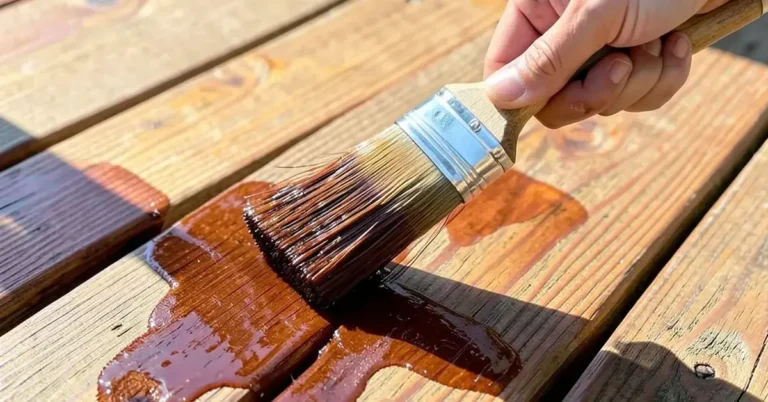
- Apply the stain with a foam brush, rag, or pad, working in manageable sections. For gel stain, wipe off the excess after a few minutes the way you would an oil stain. For dye stain, you generally leave it to dry rather than wiping it back.
- Let each coat dry fully per the can’s recoat time, then knock back any raised grain with a light pass of 320-grit sandpaper before the next coat.
- Apply a second or third thin coat if the color hasn’t reached full opacity. Check between coats rather than guessing at a number up front – light woods often need two to three, walnut and other dark species often need only one.
- Once fully dry, seal with a topcoat. Water-based polyurethane stays clearest and keeps the black closer to true black; oil-based polyurethane ambers slightly as it cures, which warms a pure black toward a softer near-black over time but holds up better under heavy wear.
Frequently Asked Questions
What is the darkest wood stain you can buy?
Products labeled “True Black” or simply “Black” – such as Minwax True Black or General Finishes Black gel stain – are formulated to be a neutral black rather than a very dark brown. Named colors like Minwax Ebony, Jacobean, and Espresso are all very dark, but each has a brown or gray undertone rather than being a true, neutral black.
Is ebonizing darker than a black stain?
Ebonizing is a different process, not simply “darker.” It’s a chemical reaction between an iron-acetate solution and the tannins already in the wood, rather than a pigment or dye coating the surface. On a tannin-rich wood it can turn genuinely black while leaving more of the wood’s own grain visible than a solid pigment stain does.
How many coats of black stain does pine need to look black?
Pine is pale and close-grained, so a single coat of a liquid pigment stain usually looks more dark gray-brown than black. A gel stain, or two to three thin coats of a liquid stain with light sanding between each, generally gets pine to a fully opaque black.
Can I mix wood stains to make them darker?
Yes, as long as the stains share the same base (both oil-based or both water-based). Mix small test batches first and try them on scrap wood, since combining stains changes both the color and how evenly it absorbs.
Conclusion
If you want the darkest possible look from a can, reach for a product actually labeled “True Black” or “Black,” not a named dark color like Ebony or Espresso, and lean on a gel stain if the wood underneath is pale or open-grained. If you want something genuinely different from anything sold as a stain, true iron-acetate ebonizing reacts with the wood itself instead of coating it, and it’s worth trying on a tannin-rich species like walnut, oak, or mahogany before assuming a stain can is your only option.
Sponsored / affiliate links. As an Amazon Associate I earn from qualifying purchases. I may earn additional commission from eligible campaigns.