Satin vs Semi-Gloss vs Flat Paint: Gloss Units and Best Uses
Flat, satin, and semi-gloss paint differ in gloss units (GU) measured at 60 degrees: on the Master Painters Institute (MPI) scale, flat is 5 GU or less, satin 20-35 GU, and semi-gloss 35-70 GU. Higher gloss wipes cleaner and resists scrubbing better, but it also highlights every dent and brush mark, which matters on wood trim. This guide covers the real numbers, where brands disagree, and which sheen fits each surface.
Flat vs Satin vs Semi-Gloss: The Gloss-Unit Numbers
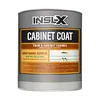 |
Best Semi-Gloss Trim Paint Pick INSL-X Cabinet Coat Urethane Acrylic Semi-Gloss Enamel, 1 Quart, $26.99 A semi-gloss trim and cabinet enamel, so it lands in the 35-70 GU band this guide recommends for wood surfaces that get touched and wiped down.
|
As an Amazon Associate we earn from qualifying purchases.
The Master Painters Institute defines seven gloss levels, G1 through G7, using a 60-degree gloss reading and, for the flatter levels, an 85-degree sheen reading. The three sheens in this comparison, plus the two neighbors people confuse them with, look like this in MPI’s own specification language.
| MPI level | Sheen | Gloss at 60 degrees | Sheen at 85 degrees |
|---|---|---|---|
| G1 | Flat or matte | 5 GU max | 10 max |
| G3 | Eggshell | 10-25 GU | 10-35 |
| G4 | Satin | 20-35 GU | 35 min |
| G5 | Semi-gloss | 35-70 GU | not specified |
| G6 | Gloss | 70-85 GU | not specified |
Source: MPI gloss and sheen standards as reproduced in a published architectural painting specification. MPI also defines G2 (velvet, 10 GU max at 60 degrees) and G7 (high-gloss, over 85 GU).
Two things stand out. Satin and semi-gloss touch at exactly 35 GU, so a paint at the boundary could be labeled either one. And eggshell and satin overlap between 20 and 25 GU, which is why a can labeled satin from one brand can look just like another brand’s eggshell.
Why “Gloss Percent” Is the Wrong Way to Read a Sheen
Many guides, including an earlier version of this one, describe sheen as a percentage of light reflected, such as flat at 0-5 percent. That is not how gloss is measured. A gloss unit is a reading relative to a reference: a polished black glass standard is defined as 100 GU at the measuring angle (Konica Minolta’s gloss-standards guide describes this). A paint at 35 GU is not “reflecting 35 percent of the light.” It is reading 35 percent of what the glass reference reads at 60 degrees.
The practical consequence is that the label on the can is a marketing term, while the gloss reading is a measurement. The ASTM D523 method, which the MPI describes as the basis for objective gloss, is what coating labs use to produce that number. Brands then choose their own names for the result. Firwood, a UK paint maker cited on Wikipedia’s paint sheen page, uses 26-40 for satin and 41-69 for semi-gloss, which does not line up with MPI’s bands. Neither is wrong; they are different scales.
How to use this when you shop: open the product’s technical data sheet and look for the 60-degree gloss reading. If you are matching an existing sheen, compare GU numbers instead of names. For a closer look at the satin band specifically, our guide to how shiny satin paint really is goes deeper on the 20-35 GU range.
📊 A 5 GU difference is only just visible to a trained observer when measured with the correct geometry. Source: Konica Minolta Sensing, Understanding Gloss Standards & Units. Cans labeled with different sheen names can sit closer together than the names suggest.
Flat Paint: Where It Works and Where It Fails
Flat paint sits at the bottom of the scale, 5 GU or less at 60 degrees, so it absorbs light instead of bouncing it back. The MPI notes that low-gloss coatings have better hiding power and mask surface defects, which is why flat is the traditional ceiling finish and the usual choice for walls with drywall seams or patch marks.
The price is washability. The MPI also notes that low-gloss coatings can have poor abrasion resistance and are harder to clean, and Benjamin Moore advises caution with flat paint in high-traffic areas because stains are harder to remove from low-sheen paint. On wood, that rules flat out for baseboards, door casings, and anything hands touch. It can work on a bedroom wall or on the back of a bookcase that nobody wipes down.
Satin Paint: The Middle Ground
Satin covers 20-35 GU at 60 degrees on the MPI scale, and its 85-degree sheen is specified at a minimum of 35, which is the part of the spec that gives satin its soft, low-angle glow. It still hides minor wall flaws better than semi-gloss, while resisting scuffs and wiping better than flat.
Benjamin Moore describes satin as offering better stain resistance and durability than lower sheens and places it on trim, doors, and windows, while recommending eggshell for family rooms and hallways. In practice, satin is the compromise sheen: flexible enough for most walls, and acceptable on trim when you do not want the full shine of semi-gloss.
Semi-Gloss Paint: Durable, and Unforgiving
Semi-gloss runs 35-70 GU, roughly double the top of the satin band. The MPI says high-gloss coatings give better abrasion resistance and easier cleaning but also highlight surface flaws, which is the trade you accept with every step up in sheen. Benjamin Moore recommends semi-gloss for trim, doors, kitchen cabinets, and architectural details, noting it cures to a smooth, furniture-like finish.
That unforgiving side is the part most comparison articles skip. Look at the same wall or door under raking light, a window or lamp at a shallow angle, and a semi-gloss surface makes every sanding scratch, filled nail hole, and brush ridge visible. A flat sheen under identical conditions often hides them.
Which Sheen for Which Surface
This table turns the sources above into a surface-by-surface starting point. The pairings for ceilings, trim, doors, and cabinets follow the Benjamin Moore and MPI guidance cited in this article; the walls-in-wet-rooms and furniture rows are our own judgment based on the same durability-versus-flaws trade.
| Surface | Suggested sheen | Why |
|---|---|---|
| Ceilings | Flat | Hides roller marks and seams; little contact or cleaning |
| Bedroom and formal-room walls | Flat or satin | Low traffic; choose by how much wall damage you need to hide |
| Hallway, family-room, kids-room walls | Satin | Better stain resistance and wipeability than flat |
| Kitchen and bathroom walls | Satin or semi-gloss | Frequent wiping favors higher gloss; semi-gloss shows wall flaws |
| Baseboards, casings, window trim | Satin or semi-gloss | Constant contact; semi-gloss is the durable pick, satin the softer one |
| Interior doors | Satin or semi-gloss | Hand contact on edges and around the knob |
| Cabinet doors and frames | Semi-gloss | Wiped often; recommended for kitchen cabinets by Benjamin Moore |
| Painted furniture | Satin or semi-gloss | Semi-gloss wipes cleaner; satin forgives sanding marks and dents |
Semi-Gloss on Wood: Why Prep Matters More Than the Paint
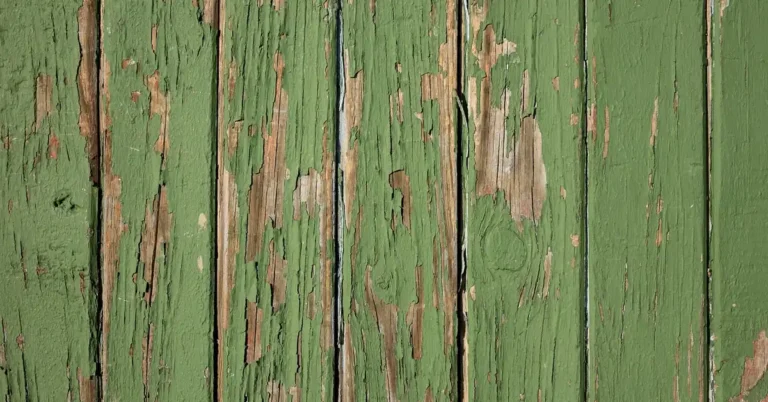
Wood is where the semi-gloss trade-off bites hardest. Raised grain, old sanding scratches, and dents all show in a 35-70 GU surface. Painted trim and furniture have a second problem: old paint that is cracked or peeling will telegraph through new gloss coats.
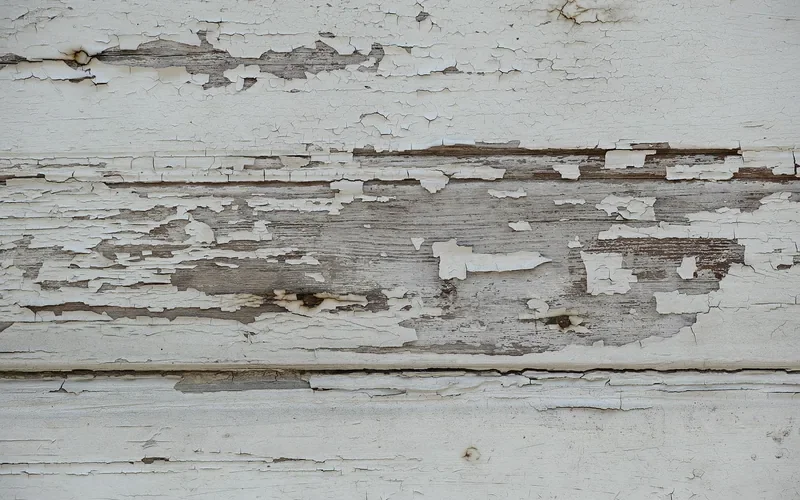
- Remove loose paint. Scrape and sand anything flaking back to a solid edge, then feather the edge so it does not show as a ridge under gloss.
- Fill and sand dents. Fill nail holes and dings, then sand smooth. Under semi-gloss, any leftover scratch reads as a line.
- Prime bare wood. Spot-prime sanded or bare areas so the topcoat dries to an even sheen instead of flashing.
- Apply thin coats. Thick coats of glossy paint tend to show brush marks and sags more than thin ones.
- Check in raking light before the final coat. Hold a lamp at a shallow angle across the surface; anything you see now will be there for years.
- Test the sheen on a scrap board first. Sheen looks different at a low viewing angle than straight on, so judge it from where people will actually see it.
For a full prep-prime-paint walkthrough on bare or previously painted wood, see our guide to painting wood furniture and stopping bleed-through. For trim specifically, what finish trim should be compares sheens by trim type, and recoat windows differ by brand, as in our Behr paint drying time chart.
What About Clear Finishes Over Wood?
Clear topcoats use similar sheen names but are a different product category. If you are choosing between satin and semi-gloss on a tabletop or cabinet top, read our satin vs semi-gloss polyurethane comparison, and for water-based clear coat application, how to apply Minwax Polycrylic. For more painting guides, browse our paints category.
Frequently Asked Questions
Is semi-gloss shinier than satin?
Yes. On the Master Painters Institute scale, semi-gloss (Gloss Level 5) reads 35-70 gloss units at 60 degrees, while satin (Level 4) reads 20-35. Semi-gloss therefore reflects more light, looks glossier, and shows surface flaws more clearly than satin.
Is it better to use satin or semi-gloss?
It depends on the surface. Satin suits walls that need an occasional wipe and a soft look. Semi-gloss suits trim, doors, and cabinets that get touched and cleaned often. On wood with dents or sanding marks, satin hides more, so prep quality should decide the choice.
What is flatter, semi-gloss or satin?
Satin is flatter. Satin measures 20-35 gloss units at 60 degrees on MPI’s scale and semi-gloss measures 35-70. Flat or matte paint is flatter still, at 5 gloss units or less.
When should you use flat paint instead of semi-gloss?
Use flat on ceilings and very low-traffic walls, where hiding roller marks and drywall flaws matters more than cleaning. Benjamin Moore advises caution with flat paint in high-traffic areas. Use semi-gloss on trim, doors, and cabinets that are touched and wiped regularly.
Does a higher sheen make paint last longer?
Higher sheen generally means better abrasion resistance and easier cleaning, according to the Master Painters Institute, while low-gloss coatings can show poor abrasion resistance and are harder to clean. That is a durability and washability gain, not a guarantee of a longer repaint interval.
Conclusion
Pick the sheen by how the surface is used, then check the gloss reading rather than the label. Use flat (5 GU or less) where hiding flaws matters most, satin (20-35 GU) for walls that get wiped, and semi-gloss (35-70 GU) on trim, doors, and cabinets, provided the wood underneath is sanded, filled, and primed well enough to survive a shiny finish.
Sponsored / affiliate links. As an Amazon Associate I earn from qualifying purchases. I may earn additional commission from eligible campaigns.