Can You Still Buy Methylene Chloride Paint Remover? (2026)
No. Methylene chloride paint removers have been illegal to sell to consumers in the US since November 22, 2019, and a September 2026 court ruling did not change that. The chemical has killed people working in small, poorly ventilated rooms, and CDC investigators concluded that in a small, enclosed bathroom it is unlikely a methylene chloride stripper can be used safely. This guide covers what the rules say now, why the chemical is so dangerous, and which methods and strippers to use instead.
Is Methylene Chloride Paint Remover Banned? What the Rules Say Now
Best Safer Stripper Pick | |
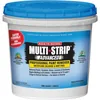 |
Sunnyside Back to Nature Multi-Strip Advanced Paint & Varnish Remover (Quart), $14.97 The practical swap for the banned strippers this guide covers: the listing states it is formulated with no methylene chloride or NMP.
|
As an Amazon Associate we earn from qualifying purchases.
For homeowners the answer is simple: you cannot legally buy it. EPA’s 2019 rule bans the manufacture (including import), processing and distribution of methylene chloride for consumer paint and coating removal, and the agency’s own page says retailers cannot distribute these products for any paint and coating removal purpose. The rules for workplaces are a separate, changing story, laid out below. Note that the 2019 rule bans consumer paint-removal products, not every use of the chemical: EPA says sales to commercial and industrial customers are not covered by it.
| Date | What happened | Who it affects |
|---|---|---|
| Nov 22, 2019 | EPA’s ban on methylene chloride for consumer paint and coating removal takes effect | Consumers and retailers |
| May 8, 2024 | EPA’s broader TSCA rule (89 Fed. Reg. 39254, finalized April 2024) is published in the Federal Register, prohibiting most industrial and commercial uses and setting a workplace protection program | Workplaces |
| Nov 2025 | EPA extends some compliance dates in the 2024 rule, for example 18 more months for non-federal laboratories | Workplaces |
| Sep 15, 2026 | The Fifth Circuit (East Fork Enterprises, Inc. v. EPA, Nos. 24-60227 and 24-60256) grants the industry petitions, vacates the 2024 rule and its risk determination, and remands to EPA. The 2019 consumer rule was not challenged in the case | Workplaces (the 2024 rule’s bans and workplace program are vacated) |
The court’s own opinion, filed September 15, 2026, describes the 2019 consumer rule as a “final rule (not challenged here)” and vacates only the 2024 rule and its associated risk determination, remanding to EPA. The case turned on how EPA evaluated risk under the Toxic Substances Control Act, not on whether the chemical is dangerous; the opinion itself says over-exposure can cause injury or even death and that the chemical has carcinogenic properties. Because the 2024 rule is vacated, its workplace bans and its Workplace Chemical Protection Program are no longer the operative rules while EPA reconsiders. We could not find a primary-source record of whether anyone has asked the court for rehearing or whether EPA has issued a new rule, so check EPA’s methylene chloride risk-management page for the current status.
Workplaces are still regulated. OSHA’s methylene chloride standard, 29 CFR 1910.1052, applies to occupational exposure in general industry, construction and shipyard employment. It sets an exposure limit of 25 ppm as an 8-hour average, a short-term limit of 125 ppm over 15 minutes and an action level of 12.5 ppm, and requires exposure monitoring, respiratory protection, medical surveillance and hazard communication. Being allowed to use the chemical at work does not make it safe: the same chemical killed the workers described below.
Safety first
We do not list sellers, workarounds, or tips for using methylene chloride at home. For consumers it is banned, and the safe answer is to use a different stripper or method. If you work with it professionally, OSHA’s methylene chloride standard (29 CFR 1910.1052) applies. If anyone has been exposed and feels dizzy, confused or faint, get them into fresh air at once and call 911 or Poison Control at 1-800-222-1222.
Why Methylene Chloride Strippers Killed People
The best-documented deaths come from bathtub refinishing. A CDC study of cases from 2000 to 2011 found methylene chloride exposure killed bathtub refinishers who were stripping tubs in residential bathrooms.
13 bathtub refinishers died from methylene chloride exposure between 2000 and 2011, aged 23 to 57 (median 39). Source: CDC MMWR, Fatal Exposure to Methylene Chloride Among Bathtub Refinishers
The details are what make the study useful. The products involved were not obscure: ten different products were tied to the 13 deaths, with 60% to 100% methylene chloride, and six were marketed for the aircraft industry. None of the product labels mentioned bathtub refinishing. In the documented cases protective equipment, including respirators, either was not used or was inadequate. In the case the report describes in detail, the bathroom had a 50 cubic feet per minute ventilation fan, but it was off, and the worker wore latex gloves and no respiratory protection. Every death happened in a residential bathroom with inadequate ventilation.
The report says the victims likely lost consciousness and died of respiratory depression, because methylene chloride acts as a central nervous system depressant at high concentrations. Eight of the 13 had cardiac disease. The CDC report adds the physical reason small rooms are so dangerous: methylene chloride vapors are heavier than air, so in the case it describes they likely stayed in the bathtub after the stripper was applied. OSHA considers the chemical a potential occupational carcinogen.
EPA’s 2019 consumer ban cites the same pattern. In its words, people have died after being incapacitated during paint and coating removal with methylene chloride.
How to Tell If a Stripper Contains It
Do not rely on the front of the can. Check the ingredient list and the safety data sheet (SDS) for the exact product.
- Names to look for: methylene chloride, dichloromethane, or DCM.
- Old stock: cans bought before 2019 in garages, estate sales or workshops may still contain it. Do not use them.
- Positive claims: a product that states “no methylene chloride” should say so on the label or SDS, not only in marketing copy.
- Industrial and aircraft products: the CDC cases above involved products not marketed for tubs at all, so a product being made for professionals is no sign it is right for a home project.
What to Use Instead of Methylene Chloride
Pick the method by the room and the surface, not only by the paint. A tub, a closet or a bathroom with one small window is the highest-risk setting for any solvent. For tub stripping the CDC authors recommend alternative methods such as sanding.
| Method | Best for | What to watch |
|---|---|---|
| Gel stripper that states no methylene chloride or NMP | Several layers of paint or varnish on furniture and trim | Slow dwell times (one listing says it begins working in 30 minutes); still wear gloves and eye protection and ventilate |
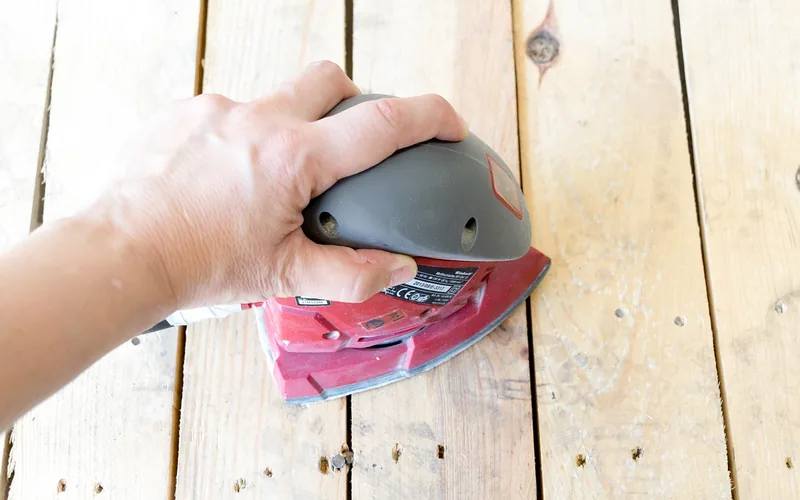
| Sanding or scraping | Flat, solid wood and small areas | Dust; it cannot reach carvings or corners; homes built before 1978 are more likely to have lead paint, and EPA says not to sand or use heat guns on lead-based paint, so have it tested first |
| Heat gun | Thick paint on flat or exterior wood | Scorching and fire risk; not for possible lead paint (EPA advises against heat guns on lead-based paint); see the strip, sand or heat gun comparison linked below |
| Other chemistries named by the CDC authors: petroleum distillates, acetate, mineral spirits, caustic paste, acid-based formulas | Specific jobs where the label says so | Each has its own hazards; read the SDS before buying |
If you are choosing between those methods for a finish on wood, our guide to how to remove finish from wood with a stripper, sand or heat gun compares them step by step.
How to use a methylene chloride free gel stripper
- Test first: try a small hidden spot to see how long it takes and what the wood does.
- Ventilate: open windows, keep air moving, and wear chemical-resistant gloves and eye protection as the label directs.
- Apply: brush on a thick, even coat. One listing says a light coat removes 1 to 4 layers and a heavier coat removes more.
- Wait: let it work for the time on the label. Do not scrape early.
- Scrape and wipe: lift the softened finish with a plastic scraper or putty knife, then clean as the label says.
- Dispose properly: follow the label and your local household hazardous waste program for leftover stripper, sludge and soaked rags.
For specific jobs, see how to get paint off cabinets without damaging them, how to remove latex paint from wood, how to clean off Citristrip residue after a citrus gel, or remove paint from wood without chemicals. What a stripper wash does is explained in our paint stripper wash guide.
Common Myths About the Methylene Chloride Ban
| Myth | What the sources show |
|---|---|
| The 2026 court ruling lifted the ban | The ruling vacated the 2024 workplace rule. The 2019 consumer prohibition was a separate rule and was not at issue in the case. |
| Banned for consumers means the chemical is gone | The ban covers consumer paint and coating removal. EPA’s page notes the 2019 rule applies to consumers, not to every use of the chemical. |
| Only careless people were hurt | The 13 documented victims were bathtub refinishers aged 23 to 57, with a median age of 39. |
| A respirator makes it safe | In the CDC cases, protective equipment either was not used or was inadequate. CDC says workers need respiratory protection such as tight-fitting, full-face, supplied-air respirators, and that in a small enclosed bathroom a stripper is unlikely to be usable safely at all. A dust mask or ordinary cartridge mask is not that. |
| This is a workplace problem only | EPA’s 2019 consumer rule was issued because of deaths from consumer paint and coating removal. |
Frequently Asked Questions
Is methylene chloride paint stripper illegal?
For consumer paint and coating removal, yes. EPA’s rule in effect since November 22, 2019 prohibits manufacturing, processing and distributing methylene chloride for that use, and retailers cannot distribute it for any paint and coating removal purpose. The September 2026 court decision vacated the separate 2024 workplace rule, not this consumer prohibition.
Can you still buy methylene chloride paint remover?
Not as a consumer paint remover. EPA’s rule covers retailers, including e-commerce sales, so it cannot lawfully be distributed to consumers for paint and coating removal in stores or online. We do not point to sellers or workarounds. Use a stripper that states on its label that it contains no methylene chloride.
Does Citristrip have methylene chloride?
The Amazon listing for the 40 oz Citristrip gel says it contains no methylene chloride or NMP. Labels and formulas can change, so confirm on the can and in the safety data sheet for the exact container you are holding.
What is another name for methylene chloride?
Dichloromethane, often shortened to DCM. EPA’s own fact sheet is titled with both names. Check the ingredient list and safety data sheet for either name, not just the front-label claims.
What should I do with an old can of methylene chloride stripper?
Do not use it. Keep it sealed, away from heat, children and pets, and ask your local household hazardous waste program how to dispose of it. Do not pour it down a drain or onto the ground.
Conclusion
Methylene chloride paint remover is not something a homeowner can legally buy, and the September 2026 court decision did not change that. The deaths documented by the CDC happened to people stripping bathtubs with methylene chloride products, so the safer move is to skip the chemical entirely. Choose sanding, heat or a stripper that states no methylene chloride, ventilate, wear the right protection, and match the method to the room.
Sponsored / affiliate links. As an Amazon Associate I earn from qualifying purchases. I may earn additional commission from eligible campaigns.