What Kills Termites In Wood: Essential Proven Solutions
Termites in wood are killed by liquid termiticides, bait systems, boric acid (borates), beneficial nematodes, essential oils like orange oil, and extreme heat or cold treatments. For small infestations, DIY spot treatments can work, but widespread problems often require professional chemical barriers or fumigation to eliminate the entire colony and protect your home.
Hello there! It’s Md Meraj, your friendly guide in the world of woodworking. Finding tiny tunnels or crumbly spots in a beautiful piece of wood is a heart-sinking moment for any DIYer or homeowner. Termites can turn your proud projects or even parts of your home into dust. It feels frustrating, I know. But don’t worry, you are in the right place.
Dealing with termites might seem like a huge, scary task, but it doesn’t have to be. We’re going to break it down into simple, manageable steps. In this guide, I’ll walk you through how to spot these pesky critters, understand what you’re dealing with, and explore proven solutions—from simple home remedies to knowing when it’s time to call in the experts. Let’s protect our wood together!
First Things First: How to Identify Termite Damage
Before we can talk about solutions, you need to be sure you’re dealing with termites. They are sneaky pests, but they always leave clues behind. Knowing what to look for is the first step in taking back your workshop and home.
Signs of an Active Termite Infestation
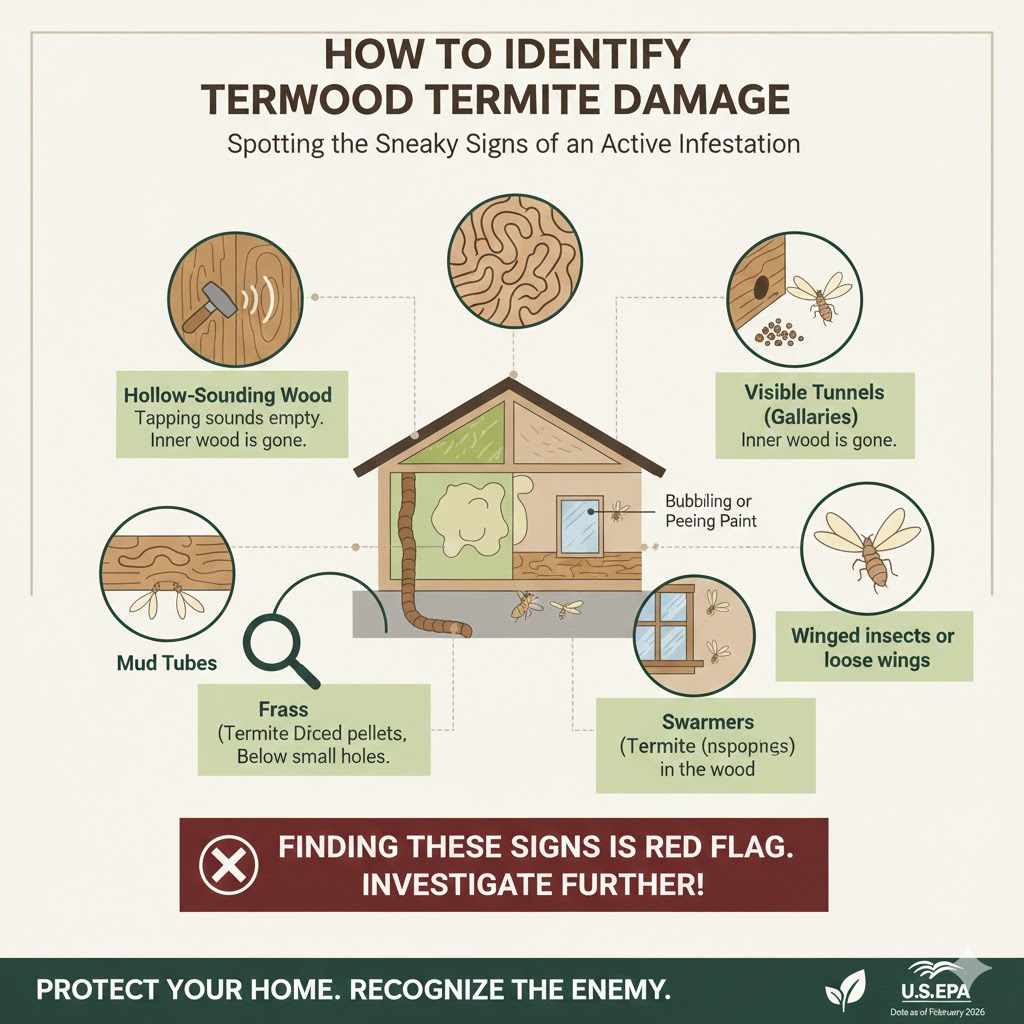
Keep your eyes peeled for these common red flags. Finding one doesn’t automatically mean a huge problem, but it’s a sign to investigate further.
- Hollow-Sounding Wood: Gently tap on a piece of wood you suspect is infested. If it sounds hollow or papery, termites may have been feasting on the inside, leaving just a thin outer layer.
- Visible Tunnels (Galleries): Sometimes you can see the tunnels termites carve through wood. They follow the grain of the wood, creating a maze-like pattern.
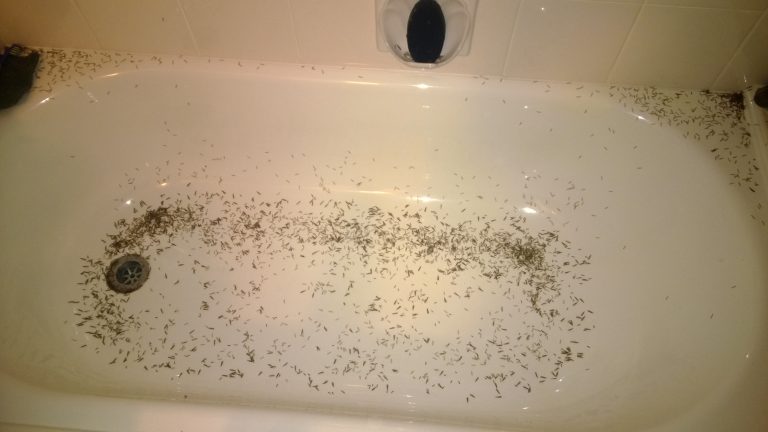
- Frass (Termite Droppings): Drywood termites push their droppings out of small holes. These droppings, called frass, look like tiny, six-sided pellets and can resemble sawdust or coffee grounds. You might find small piles of frass below infested wood.
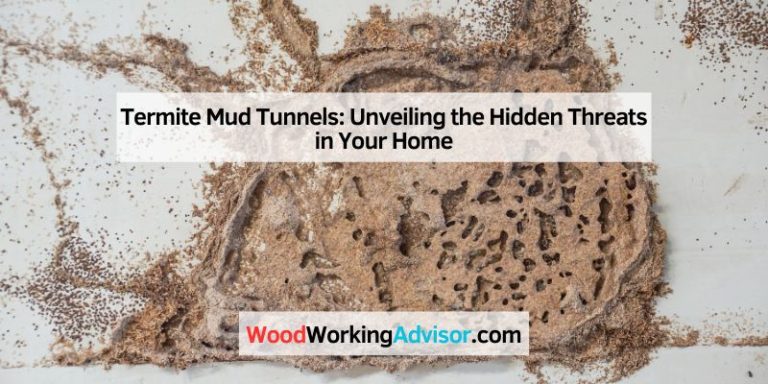
- Mud Tubes: Subterranean termites build pencil-sized tunnels from mud, wood, and saliva. They use these tubes to travel from their underground colonies to their food source (your wood!). Check your home’s foundation, walls, and crawl spaces for these.
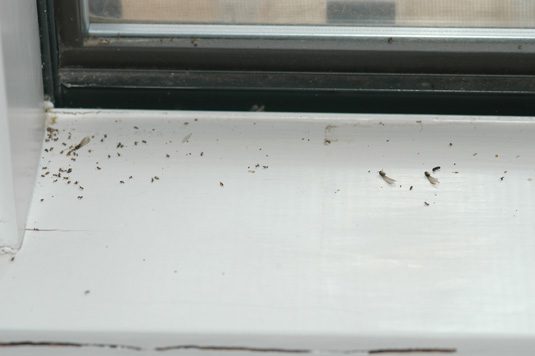
- Swarmers or Discarded Wings: Termite colonies send out “swarmers” to start new colonies. You might see a temporary swarm of winged insects or find their discarded wings near windowsills and doors. This is a sure sign of a nearby colony.
- Bubbling or Peeling Paint: When termites damage the wood just below the paint, it can cause the surface to bubble or peel. This often looks like water damage, but it’s a key sign of a hidden infestation.
Know Your Enemy: Drywood vs. Subterranean Termites
Not all termites are the same. The two most common types you’ll encounter are drywood and subterranean termites. Knowing which one you have is crucial because the treatment methods are different. One solution might work perfectly for one type but not at all for the other.
Subterranean termites need contact with soil to survive, while drywood termites live entirely inside the wood they infest. Here’s a simple table to help you tell them apart.
| Feature | Drywood Termites | Subterranean Termites |
|---|---|---|
| Where They Live | Directly inside dry wood (furniture, framing, attics). | Underground in the soil; travel to wood to feed. |
| Moisture Needs | Very low; they get water from the wood they eat. | High; they need constant contact with soil and moisture. |
| Visible Signs | Piles of six-sided frass (droppings). No mud tubes. | Pencil-sized mud tubes on foundations or walls. |
| Damage Pattern | Eats wood across and against the grain, creating large, smooth galleries. | Eats soft wood along the grain, leaving layers of hard wood and dirt. |
| Colony Size | Smaller colonies (a few thousand members). | Very large colonies (hundreds of thousands to millions). |
Understanding these differences helps you choose the right battle plan. Drywood termite problems can sometimes be handled with spot treatments, but subterranean termites almost always require a professional approach due to their large, hidden colonies.
DIY Termite Treatments You Can Use Today
If you’ve caught the problem early or are dealing with a small, localized infestation (like in a piece of furniture), a DIY solution might be all you need. These methods are affordable and accessible. Remember to always put safety first!
Safety First! Your Essential Gear
Before you start any treatment, make sure you have the right safety equipment. Even natural products can cause irritation.
- Safety Goggles: Protect your eyes from splashes and dust.
- Gloves: Keep chemicals and powders off your skin.
- Dust Mask or Respirator: Especially important when working with fine powders like boric acid or diatomaceous earth.
- Long Sleeves and Pants: Cover your skin to prevent contact with treatment products.
Solution 1: Boric Acid (Borates)
Boric acid is a naturally occurring compound that is a proven termite killer. It’s one of the most effective and popular DIY treatments. When termites ingest wood treated with borates, it disrupts their digestive system, and they starve.
How to Use Boric Acid:
- Get the Right Product: Look for a product containing disodium octaborate tetrahydrate. This is a borate salt that dissolves in water and is specifically designed for wood treatment. You can find it at most hardware stores or online.
- Mix the Solution: Follow the manufacturer’s instructions to mix the borate powder with water. Typically, you’ll mix about one cup of powder per gallon of water. Stir until the powder is fully dissolved.
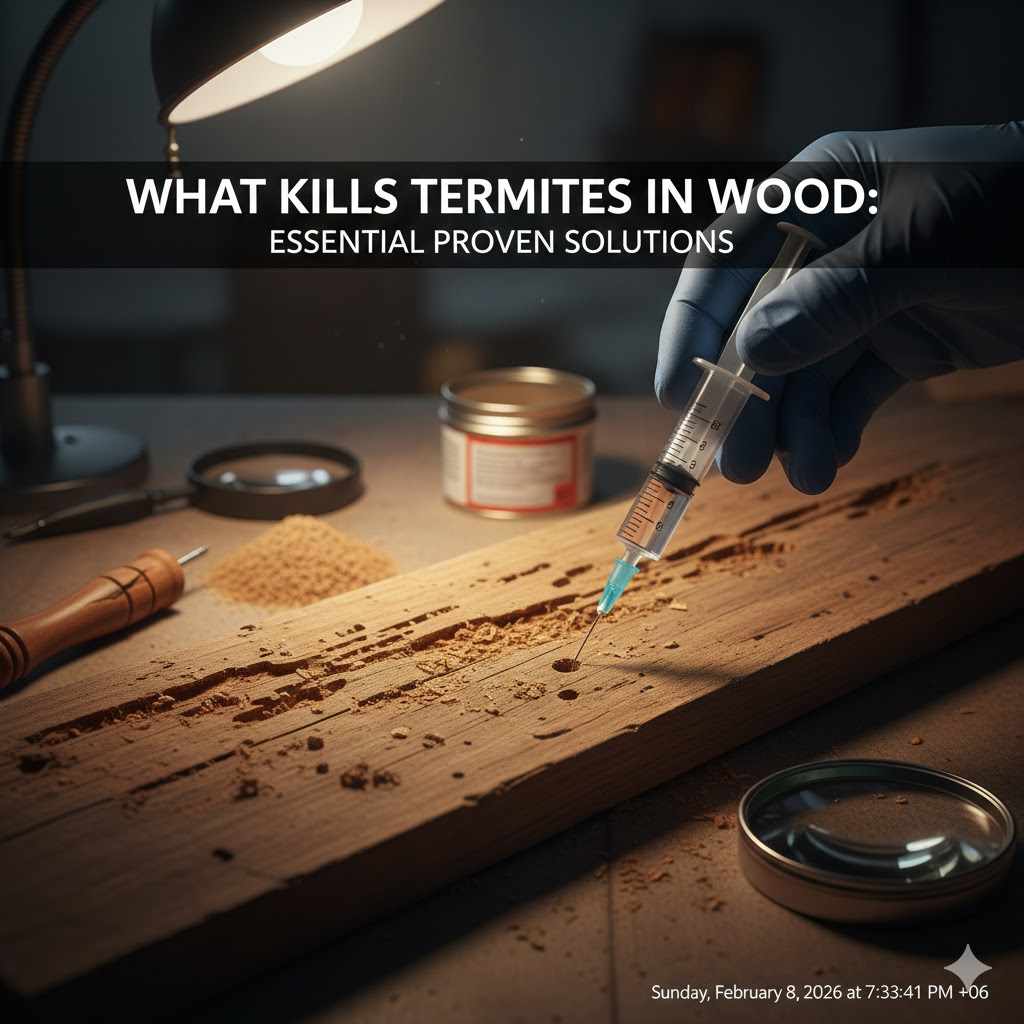
- Apply to Wood: You can spray, paint, or inject the solution onto or into the infested wood. For surface protection on bare wood, a simple spray or paint application works great. For active infestations, drill small holes into the termite galleries and inject the solution directly inside using a syringe.
- Let it Dry: The solution will soak into the wood and crystallize, providing long-lasting protection. It works best on bare, untreated wood, as sealants or paints can prevent it from absorbing.
The U.S. Environmental Protection Agency (EPA) recognizes boric acid as an effective pesticide with low toxicity to humans when used correctly, making it a great choice for indoor applications.
Solution 2: Orange Oil (d-Limonene)
If you prefer a natural, pleasant-smelling option, orange oil is a fantastic choice. The active ingredient, d-Limonene, is extracted from orange peels. It destroys termites on contact by dissolving their exoskeletons.
How to Use Orange Oil:
- Identify the Infestation Area: Orange oil is a spot treatment, so it’s most effective when you know exactly where the termites are. Look for frass piles or tap the wood to find hollow spots.
- Drill and Inject: Drill small holes into the wood where you suspect termite activity.
- Inject the Oil: Use a syringe to inject pure orange oil directly into the termite galleries. The oil will kill termites on contact and spread through the tunnels.
- Repeat if Necessary: Because it only kills on contact, you might need to reapply if you miss any areas.
Orange oil is best for small, contained drywood termite infestations. It won’t work for subterranean termites and isn’t a preventative solution for the whole house.
Solution 3: Diatomaceous Earth (DE)
Diatomaceous Earth is a fine powder made from the fossilized remains of tiny aquatic organisms. To us, it feels like soft powder, but to a termite, its sharp edges are deadly. DE scratches the termite’s waxy outer layer, causing it to dehydrate and die.
How to Use Diatomaceous Earth:
- Get Food-Grade DE: Always use food-grade diatomaceous earth for home applications. It’s safer for people and pets.
- Apply the Powder: Use a powder duster to lightly puff a thin layer of DE into cracks, crevices, and voids where you suspect termites. You can also apply it around the perimeter of a piece of furniture or along baseboards.
- Inject into Galleries: For active infestations, you can try to puff the powder directly into termite holes or galleries.
DE is a non-toxic, mechanical killer, but it works slowly. It’s great for prevention and for treating hard-to-reach areas where termites might travel.
DIY Method Comparison
Choosing the right method can feel tricky. Here’s a quick comparison to help you decide what’s best for your situation.
| Treatment Method | Best For | Pros | Cons |
|---|---|---|---|
| Boric Acid (Borates) | Unfinished wood, furniture, preventative treatment. Drywood termites. | Long-lasting protection, low toxicity, effective stomach poison. | Only works on bare wood; can be washed away by water. |
| Orange Oil | Small, localized drywood termite infestations. Spot treatments. | Natural, non-toxic, fast-acting on contact, pleasant smell. | Doesn’t provide residual protection; can be flammable. |
| Diatomaceous Earth | Cracks, voids, preventative barriers. Both termite types. | Non-toxic, safe for pets/family, long-lasting if dry. | Slow-acting; can be messy; less effective in damp areas. |
When to Call a Professional: The Bigger Guns
My goal is always to empower you to handle things yourself. However, some termite problems are just too big or too widespread for DIY methods. If you have a large infestation, suspect subterranean termites, or see signs of structural damage, it’s time to call in a licensed pest control professional.
Professionals have access to tools and treatments that are more powerful and comprehensive than what’s available to the public. Here are the main methods they use:
1. Liquid Termiticide Barriers
This is the most common professional treatment for subterranean termites. A pest control expert digs a trench around your home’s foundation and applies a liquid termiticide to the soil. This creates a continuous chemical barrier that termites cannot cross. When they try, they are either killed or carry the poison back to the colony, wiping it out. These treatments can protect a home for several years.
2. Termite Baiting Systems
This is a more targeted and environmentally friendly approach. A professional places bait stations in the ground around your property. The stations contain a slow-acting poison disguised as a termite food source. Foraging termites find the bait, eat it, and share it with the rest of the colony, including the queen. Over time, this eliminates the entire colony. Bait systems require ongoing monitoring by the pest control company.
3. Fumigation (Tenting)
For severe, widespread drywood termite infestations, fumigation might be the only option. This involves covering the entire house with a massive tent and releasing a gas that penetrates all the wood, killing the termites. It is a highly effective but also highly invasive process. You and your pets will need to vacate the home for a few days.
According to research from university extensions like the University of California’s Statewide IPM Program, choosing between these professional methods depends entirely on the type of termite and the extent of the infestation. An expert can help you make the right call.
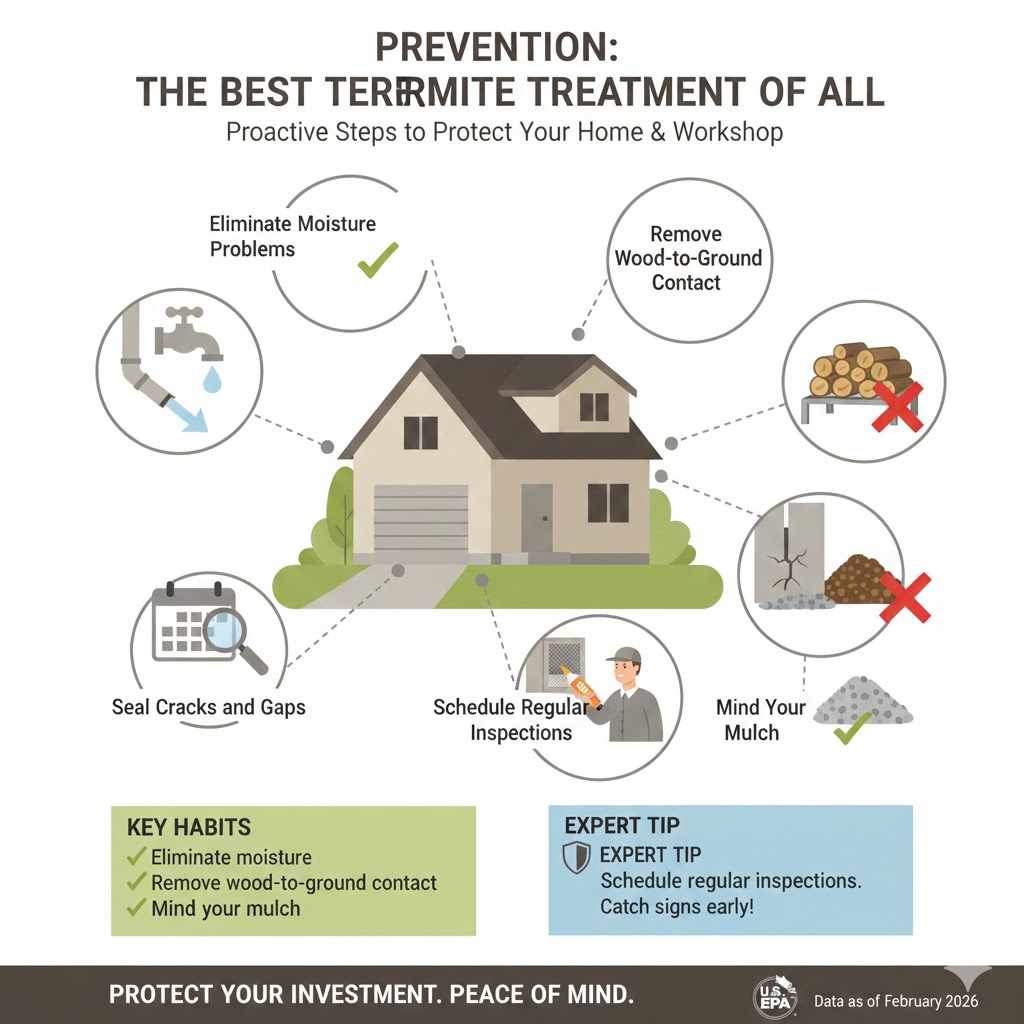
Prevention: The Best Termite Treatment of All
Killing active termites is only half the battle. The best strategy is to make your home and workshop an unattractive place for them to begin with. An ounce of prevention is truly worth a pound of cure—or in this case, a pound of expensive repairs!
Here are some simple, practical steps you can take to prevent future termite troubles:
- Eliminate Moisture Problems: Termites thrive in moist environments. Fix leaky faucets, pipes, and AC units. Ensure your gutters and downspouts are clean and direct water away from your foundation. Grade the soil around your foundation so it slopes away from the house.
- Remove Wood-to-Ground Contact: Any wood touching the ground is a direct highway for termites into your home. Ensure there is at least a 6-inch gap between the soil and any wood siding. Store firewood, lumber, and paper products away from your foundation and off the ground.
- Seal Cracks and Gaps: Seal any cracks in your foundation, and use screens on outside vents. Pay close attention to where utility lines enter your home and seal those entry points.
- Schedule Regular Inspections: Whether you do it yourself or hire a professional, an annual termite inspection is a smart investment. It allows you to catch any signs of trouble early before major damage can occur.
- Mind Your Mulch: Keep wood mulch several inches away from your foundation. While it’s great for your garden, it can provide a food source and moist cover for termites. Consider using rubber or gravel mulch near your house instead.
Frequently Asked Questions (FAQ)
What is the fastest way to kill termites in wood?
The fastest way to kill termites in a localized area is with a direct chemical spray or injection, like orange oil or a borate solution. For a widespread infestation, professional fumigation is the quickest method to eliminate all termites at once, though it requires vacating the home.
Can I treat termites in wood myself?
Yes, you can treat small, localized termite infestations yourself using methods like boric acid, orange oil, or diatomaceous earth. These are best for items like furniture or a small patch of infested framing. However, large or structural infestations should always be handled by a professional.
Does vinegar kill termites?
Vinegar, especially when mixed with lemon juice, can kill termites on contact due to its acidic nature. You can spray it directly on visible termites. However, it is not a lasting solution as it doesn’t penetrate deep into the wood and won’t eliminate the hidden colony.
How do you know if termites are gone for good?
The only way to be certain termites are gone is the absence of new signs of activity over a long period. This means no new mud tubes, no new frass piles, and no visible swarms during their season. Regular professional inspections are the best way to confirm that a treatment was successful and that they haven’t returned.
Can termite-damaged wood be repaired?
It depends on the extent of the damage. If the damage is cosmetic or minor, the wood can often be repaired using wood hardeners and fillers. However, if the wood is structurally compromised (like a floor joist or support beam), it must be replaced by a qualified contractor to ensure the safety of your home.
What temperature kills termites?
Termites cannot survive extreme temperatures. Heat treatments that raise the wood’s core temperature to over 120°F (49°C) for at least 35 minutes will kill them. Likewise, freezing temperatures below 15°F (-9°C) for several days will also eliminate them. These methods are great for furniture or other movable items.
Final Thoughts: You’ve Got This!
Discovering termites in your precious wood can feel overwhelming, but I hope this guide has shown you that you have the power to fight back. By correctly identifying the problem, understanding your options, and taking careful, deliberate action, you can protect your projects and your home.
Remember to start with a thorough inspection to know what you’re up against. For small jobs, a DIY solution like boric acid can work wonders. But never hesitate to call a professional for big problems—your home’s structural safety is always the top priority. And most importantly, focus on prevention to keep these wood-eaters away for good.
You are more than capable of handling this. Take it one step at a time, be safe, and soon you’ll be back to enjoying your woodworking with peace of mind. Happy building!