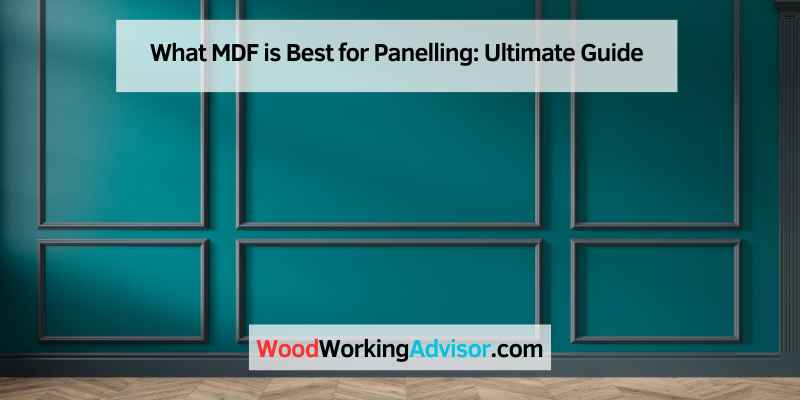
What MDF is Best for Panelling: Ultimate Guide
The best MDF for paneling is typically the moisture-resistant (MR) grade. It provides durability and protection against moisture.
This makes it suitable for paneling in areas prone to humidity, such as bathrooms and kitchens. MDF, or medium-density fiberboard, is a popular choice for paneling due to its affordability, smooth surface, and ease of customization. When selecting MDF for paneling, it’s important to consider the moisture resistance of the material.
Moisture-resistant (MR) MDF is the best choice for areas where exposure to moisture is a concern, as it offers enhanced protection against swelling and damage. By choosing the right type of MDF for paneling, you can ensure a long-lasting and visually appealing finish for your interior spaces.
Introduction To MDF For Panelling
When it comes to panelling, Medium Density Fiberboard (MDF) has become a popular choice due to its versatility and affordability. In this section, we will explore the rise of MDF and the benefits it offers for panelling applications.
The Rise Of MDF
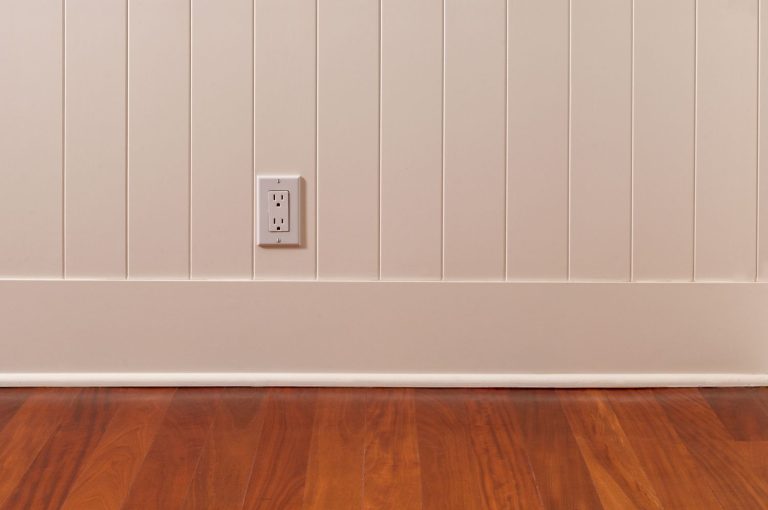
MDF has experienced a significant surge in popularity as a preferred material for panelling in recent years. Its uniform density and smooth surface make it an ideal choice for creating sleek and modern panel designs. The ease of shaping and cutting MDF has also contributed to its widespread adoption in the panelling industry.
Benefits In Panelling
One of the key advantages of using MDF for panelling is its cost-effectiveness. In addition to being budget-friendly, MDF offers a stable substrate for various finishes and paints, allowing for endless customization possibilities. Its consistent quality and resistance to warping make it a reliable option for achieving seamless panel installations.
Types Of MDF
MDF, or Medium-Density Fiberboard, comes in various types for paneling. Choose the best MDF for paneling based on factors like durability, moisture resistance, and design flexibility. Opt for moisture-resistant MDF for areas prone to humidity, while fire-resistant MDF is ideal for spaces requiring enhanced safety measures.
When it comes to panelling, Medium Density Fibreboard (MDF) is a popular choice due to its versatility and affordability. MDF is a composite wood product made from wood fibres and resin, and it can be used for a variety of applications including panelling, cabinetry, and furniture. However, not all MDF is created equal. Here are the three main types of MDF you should consider when choosing the best option for panelling:
Standard MDF
Standard MDF is the most common type of MDF used for panelling. It is made from softwood fibres and is the most affordable option. Standard MDF is suitable for indoor use and can be painted, stained, or veneered to achieve the desired look. However, standard MDF is not recommended for areas with high humidity or moisture levels as it can absorb water and swell, which can cause the panelling to warp or distort.
Moisture Resistant MDF
Moisture Resistant MDF, also known as MR MDF, is designed to withstand high humidity and moisture levels. It is made from hardwood fibres and is treated with a moisture-resistant resin to prevent water absorption. MR MDF is an excellent choice for panelling in bathrooms, kitchens, and other areas where moisture is present. It can also be used for exterior applications as long as it is properly sealed and maintained.
Fire Retardant MDF
Fire Retardant MDF, also known as FR MDF, is treated with fire retardant chemicals to improve its resistance to fire. FR MDF is suitable for use in public buildings, commercial spaces, and other areas where fire safety is a concern. It is important to note that FR MDF is not fireproof, but it does provide additional time for occupants to evacuate in the event of a fire. FR MDF is available in different fire ratings, so it is important to choose the appropriate rating for the intended application.
In conclusion, choosing the right type of MDF for panelling is essential to ensure that the panelling is durable, functional, and aesthetically pleasing. By considering the above types of MDF, you can select the best option for your project based on your specific needs and requirements.
Choosing The Right MDF For Your Project
Considerations For Selection
MDF comes in various types, each suitable for different projects.
Comparing MDF Types
Understanding the differences in MDF types is crucial.
Consider the density, thickness, and finish of the MDF.
- Standard MDF: Suitable for general indoor projects.
- Moisture-Resistant MDF: Ideal for areas prone to moisture.
- Fire-Retardant MDF: Provides enhanced fire protection.
Choose based on the specific requirements of your project.
| MDF Type | Best For |
|---|---|
| Standard MDF | General indoor use |
| Moisture-Resistant MDF | Areas with high humidity |
| Fire-Retardant MDF | Enhanced fire protection |
Make an informed decision based on project needs and budget.
Preparation And Installation Tips
When it comes to panelling, choosing the right MDF is crucial for a successful project. Here are some key Preparation and Installation Tips to help you achieve professional results.
Surface Preparation
- Ensure the wall surface is clean and dry
- Fill any holes or cracks with putty
- Sand the surface to create a smooth finish
Cutting And Fixing MDF
- Measure and mark the MDF panels accurately
- Use a fine-tooth saw for clean cuts
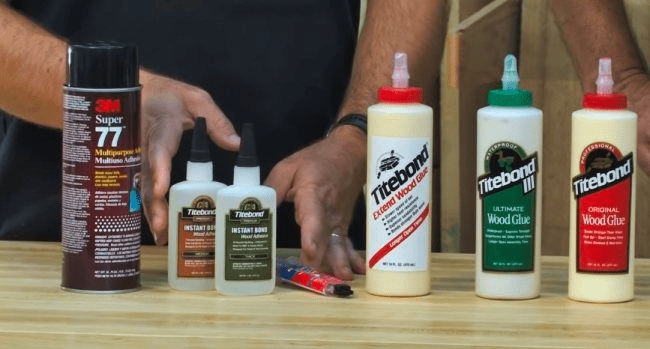
- Apply adhesive evenly for strong adhesion
Finishing Techniques For MDF Panelling
MDF panelling is a versatile option for finishing interiors. The best MDF for panelling is medium density fireboard (MDF), which is denser and more durable than standard MDF. Finishing techniques such as painting, staining, and veneering can enhance the appearance and protect the surface of MDF panelling.
When it comes to choosing the right MDF for panelling, it’s important to consider the finishing technique as well. MDF panels can be painted, veneered, or laminated to achieve the desired finish. In this article, we will explore the different finishing techniques for MDF panelling to help you choose the best one for your project.
Painting MDF Panels
Painting is the most common finishing technique for MDF panelling. It’s a simple and cost-effective way to achieve a smooth and uniform finish. However, it’s important to prepare the surface properly before painting to ensure the paint adheres well and doesn’t peel off over time.
To paint MDF panels, follow these steps:
- Clean the surface with a dry cloth to remove any dust or debris.
- Apply a coat of primer to seal the surface and prevent the MDF from absorbing too much paint.
- Once the primer is dry, sand the surface lightly with fine-grit sandpaper to remove any imperfections and create a smooth surface.
- Apply the paint using a brush or roller, making sure to cover the entire surface evenly.
- Allow the paint to dry completely before applying a second coat if necessary.
Veneering And Laminating
Veneering and laminating are two other finishing techniques that can be used to achieve a more decorative and durable finish for MDF panelling.
Veneering involves applying a thin layer of real wood veneer to the surface of the MDF panel. This gives the panel a natural wood look and feel, while also providing additional durability and resistance to moisture and scratches.
Laminating, on the other hand, involves applying a layer of decorative laminate to the surface of the MDF panel. This can be a cost-effective way to achieve a variety of finishes, including wood grain, metallic, and solid colors. Laminated MDF panels are also easy to clean and maintain, making them ideal for high-traffic areas.
In conclusion, choosing the right finishing technique for your MDF panelling depends on your specific needs and preferences. Whether you choose to paint, veneer, or laminate your panels, be sure to follow the proper preparation and application techniques to achieve the best results.
Maintenance And Care
Proper maintenance and care of your MDF paneling are essential to ensure its longevity and keep it looking its best. By following a routine cleaning regimen and addressing any damage promptly, you can preserve the beauty and functionality of your MDF panels for years to come.
Routine Cleaning
To keep your MDF paneling in top condition, regular cleaning is necessary. Here are some simple steps to follow:
- Dust the surface of the panels regularly using a soft, lint-free cloth or a feather duster.
- For more stubborn dirt or stains, dampen a clean cloth with a mild detergent diluted in water. Gently wipe the affected area, being careful not to saturate the MDF.
- After cleaning, use a dry cloth to remove any excess moisture and ensure the panels are completely dry.
Remember to avoid using harsh chemicals, abrasive cleaners, or excessive water, as these can damage the MDF surface.
Damage Repair
If your MDF paneling sustains any damage, such as scratches or dents, it is important to address it promptly to prevent further issues. Here are some steps to help you repair minor damage:
- For small scratches or scuffs, you can use a touch-up marker or paint that matches the color of your MDF panels. Apply the marker or paint to the damaged area, following the manufacturer’s instructions.
- If the damage is more significant, you may need to fill the area with wood filler. After it dries, sand the filled area gently until it is smooth and flush with the surrounding surface.
- Once the repair is complete, you can touch up the color by using a matching marker or paint, as mentioned earlier.
For major damage or extensive repairs, it is advisable to seek professional assistance to ensure the best results.
By following these maintenance and care guidelines, you can keep your MDF paneling in excellent condition. Regular cleaning and prompt damage repair will help to extend its lifespan and preserve its aesthetic appeal.

Cost Analysis
When it comes to paneling, finding the right MDF (medium-density fiberboard) is crucial for balancing quality and cost. Let’s take a closer look at the cost analysis for MDF paneling to help you make an informed decision for your project.
Price Comparison
Before diving into a paneling project, it’s essential to consider the cost differences between various MDF options. Here’s a breakdown of the most common MDF types:
| MDF Type | Price Range |
|---|---|
| Raw MDF | $-$$ |
| Moisture-Resistant MDF | $$-$$$ |
| Fire-Rated MDF | $$$-$$$$ |
Budgeting For Your Project
When planning your project, consider the following factors to effectively budget for your MDF paneling:
- Measure the paneling area accurately to determine the required MDF quantity.
- Factor in additional costs for priming, painting, or finishing the MDF.
- Obtain quotes from multiple suppliers to compare prices and find the best deal.
Case Studies
Residential Projects
When selecting the best MDF for paneling in residential projects, it is essential to consider factors such as durability, aesthetics, and ease of installation. In a recent case study, a homeowner opted for medium-density fiberboard with a high-quality veneer finish for their living room paneling. The MDF provided a sleek, modern look while offering excellent resistance to wear and tear, making it a perfect choice for high-traffic areas of the home.
Commercial Applications
In commercial settings, the choice of MDF for paneling is crucial to achieving both a professional appearance and long-term resilience. A case study of a corporate office renovation revealed the benefits of using moisture-resistant MDF in washroom paneling. This specialized MDF not only withstood the rigors of frequent cleaning and humidity but also maintained its attractive appearance, proving to be a cost-effective and practical solution for commercial applications.
Frequently Asked Questions
What Is The Best Type Of MDF For Panelling?
The best type of MDF for panelling is moisture-resistant MDF. It is specially designed to withstand high humidity and moisture, making it ideal for areas like bathrooms and kitchens. Moisture-resistant MDF is more durable and less likely to warp or swell when exposed to moisture, ensuring a longer lifespan for your panelling.
Can I Use Standard MDF For Panelling?
Yes, you can use standard MDF for panelling. However, it is important to note that standard MDF is not moisture-resistant and may not hold up well in areas with high humidity or moisture. If you plan to install the panelling in a bathroom or kitchen, it is recommended to use moisture-resistant MDF for better durability and performance.
What Are The Advantages Of Using Mdf For Panelling?
Using MDF for panelling offers several advantages. It is a cost-effective option compared to solid wood, making it more budget-friendly. MDF is also easy to work with, as it can be cut, shaped, and painted according to your desired design.
Additionally, MDF provides a smooth and uniform surface, ensuring a professional finish for your panelling.
Is MDF A Good Choice For Panelling In High-traffic Areas?
Yes, MDF is a good choice for panelling in high-traffic areas. Its durability and resistance to wear and tear make it suitable for busy spaces like hallways, living rooms, and commercial establishments. Additionally, MDF can be reinforced with additional layers or coatings for added protection and longevity in high-traffic areas.
Conclusion
Choose the right MDF for your panelling project to achieve durability and aesthetic appeal. Consider factors like thickness, density, and finish to make an informed decision. Quality MDF ensures a long-lasting and visually pleasing outcome for your panelling needs. Make your choice wisely for a successful project.