What Is Unfinished MDF? Composition, Uses, and How to Finish It
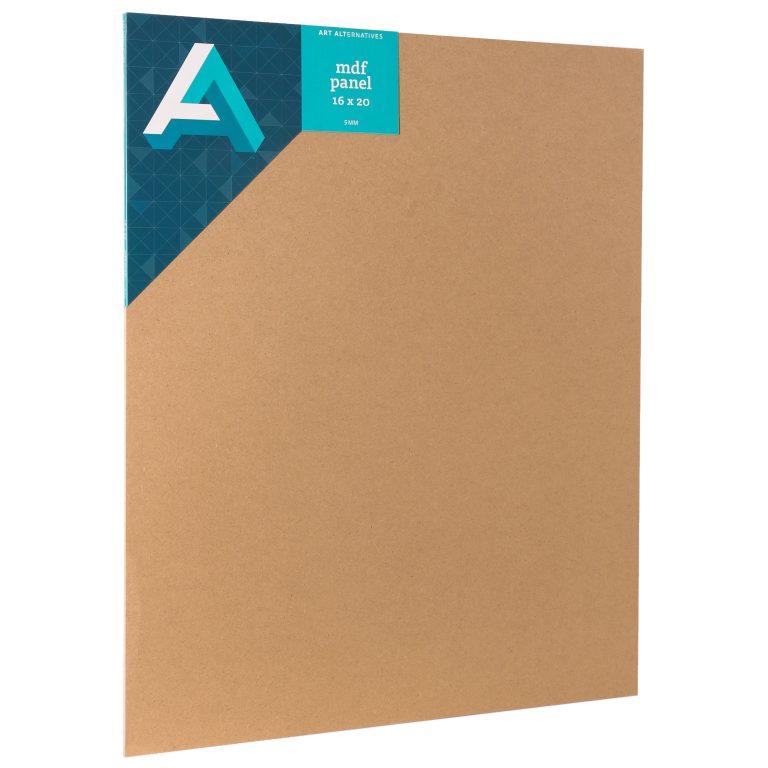
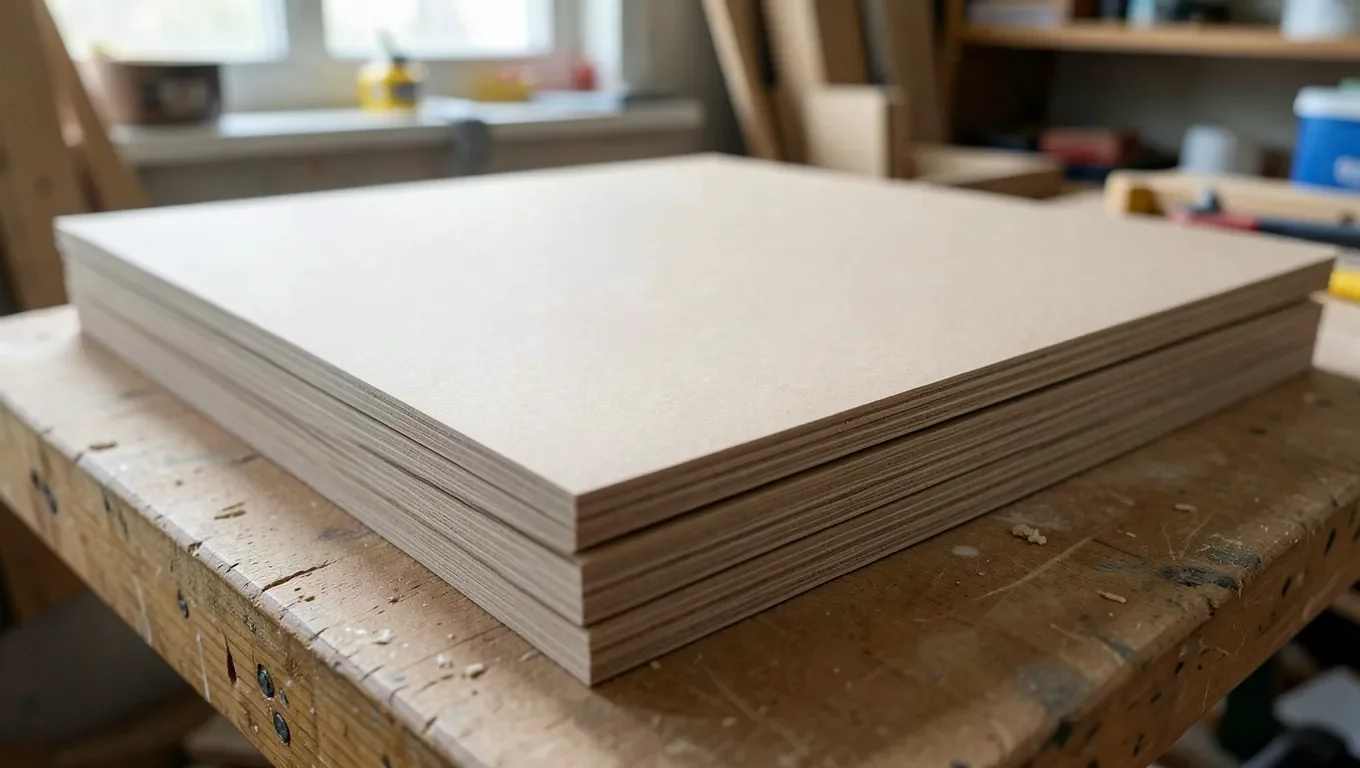
Unfinished MDF (Medium Density Fiberboard) is engineered wood sheet stock, sold raw with no paint, laminate, or veneer applied – just compressed wood fibers, wax, and resin pressed flat, ready for you to cut, shape, and finish however the project calls for. That “blank canvas” state is exactly the point: unlike prefinished MDF or melamine board, unfinished sheets take paint, primer, and edge treatments on your terms, which is why it’s the default choice for cabinet boxes, shelving, trim, and painted furniture.
How Unfinished MDF Is Actually Made
Seals Raw MDF Edges In One Coat
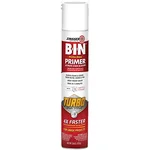 |
Zinsser B-I-N Shellac Primer-Sealer – $14.99 A shellac base locks down raw, porous MDF edges better than a standard latex primer, which just soaks in unevenly.
|
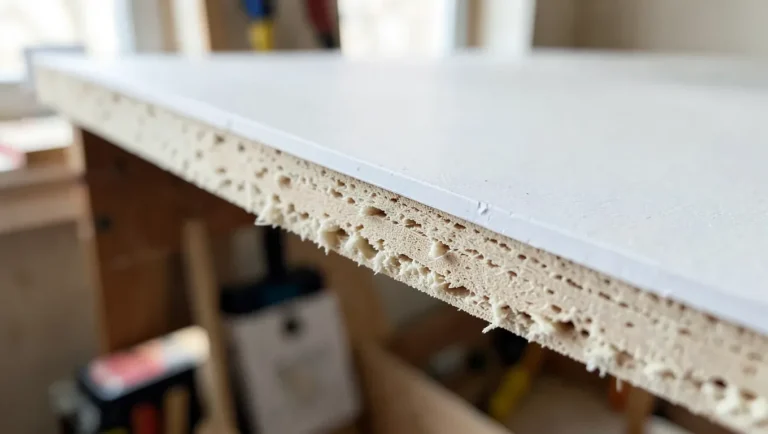
Manufacturers break down wood – typically softwood residue and sawmill byproduct rather than whole logs – into fine fibers, blend them with wax and a resin binder (usually urea-formaldehyde or a similar adhesive), then press the mixture under heat and pressure into flat panels. The result has no grain direction and no growth rings, because it isn’t wood in the structural sense anymore – it’s a uniform composite. That uniformity is exactly why it cuts, drills, and sands so predictably compared to solid lumber, which can tear out or split depending on grain direction.
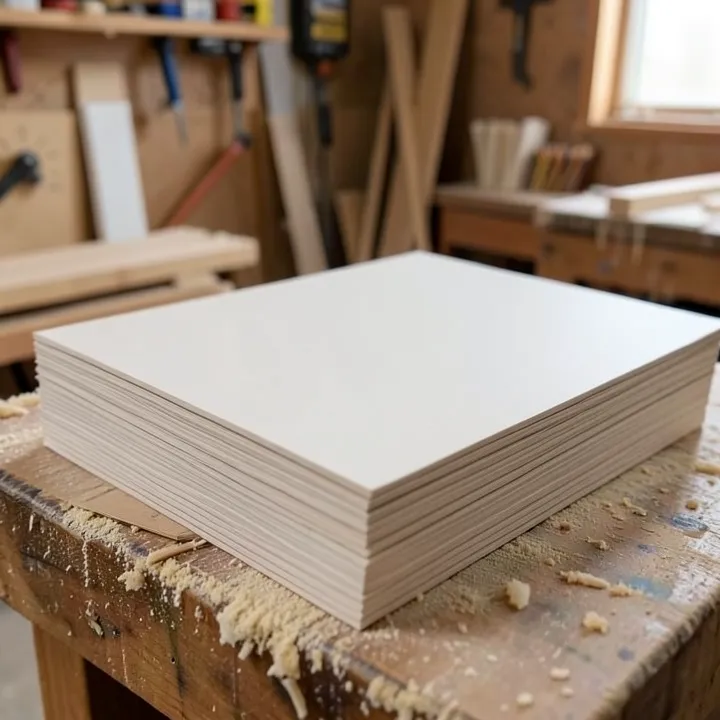
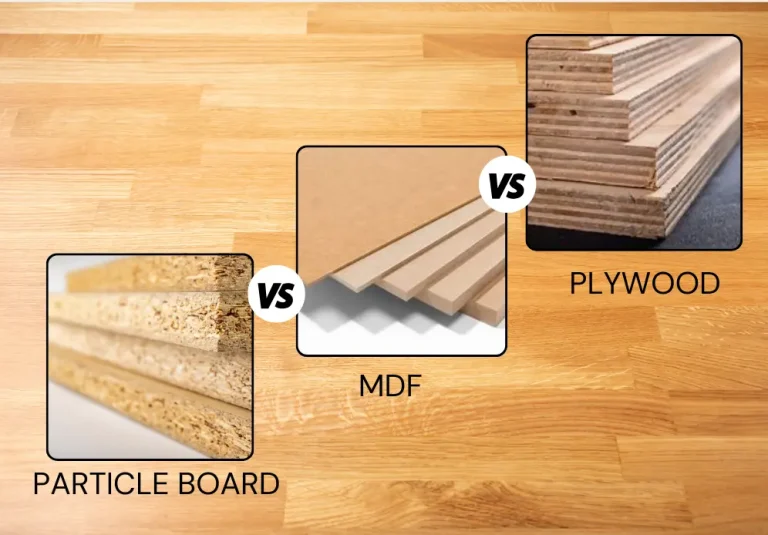
MDF vs. Plywood vs. Particle Board
These three get lumped together as “sheet goods” but behave differently:
| MDF | Plywood | Particle Board | |
|---|---|---|---|
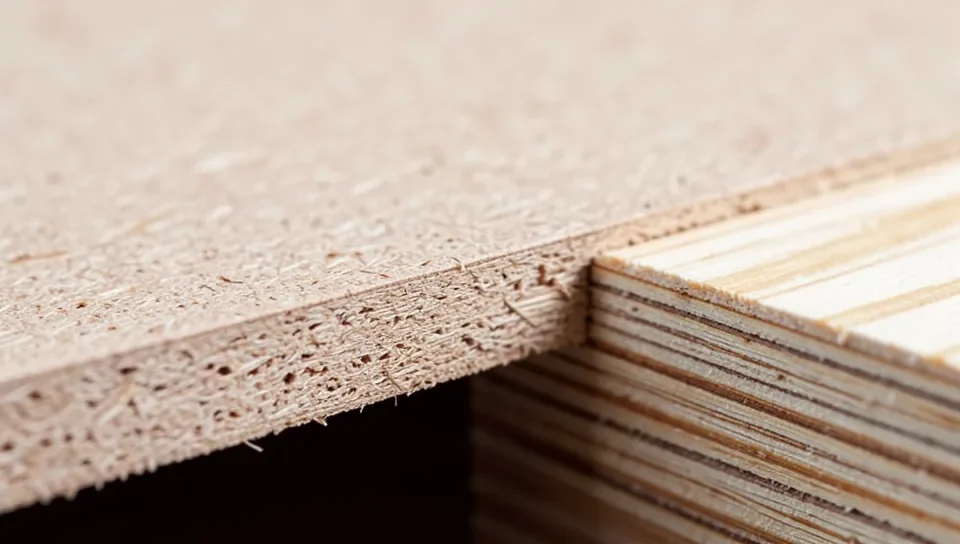
| Structure | Fine fibers, uniform density | Cross-laminated wood veneer layers | Coarse wood chips/particles |
| Edge quality | Smooth, machines cleanly, no voids | Can show void gaps in cheaper grades | Rough, crumbly, weakest edges |
| Screw holding | Good, but strips if overtightened | Best of the three | Weakest – prone to stripping |
| Weight | Heavy | Lighter than MDF at equal thickness | Similar to MDF |
| Best for | Painted furniture, cabinet doors, molding | Structural panels, cabinet boxes, furniture carcasses | Budget shelving, underlayment |
The Formaldehyde Question, Answered Specifically
MDF isn’t banned in the US, but the formaldehyde-emission concern behind that rumor is real and has actual regulation behind it: since 2018, wood products sold in the US – including MDF – fall under EPA rules implementing Title VI of the Toxic Substances Control Act (TSCA), which caps formaldehyde emissions and requires manufacturer certification (often shown as “TSCA Title VI compliant” or “CARB2-compliant,” referencing California’s earlier, similar Air Resources Board standard). Buying from a mainstream supplier (Home Depot, Lowe’s, a real lumberyard) means you’re getting compliant board. The practical takeaway isn’t “avoid MDF” – it’s “cut and sand it with real dust control,” covered below, because the standard limits total emissions from the panel, not what’s released the moment you generate a cloud of fine dust cutting it.
Where Unfinished MDF Actually Excels
- Painted furniture and cabinet doors – no wood grain to telegraph through paint, so a sprayed or brushed finish looks flawless with proper prep.
- Router-profiled molding and trim – the uniform density cuts clean, crisp profiles that solid wood can chip out on tight curves.
- Shop jigs and templates – flat, stable, and won’t warp with seasonal humidity the way solid lumber can.
- Speaker box building – its density and lack of resonant grain structure make it a longtime favorite for damping unwanted cabinet vibration.
Where It Falls Short
- Anywhere it will get wet. Standard MDF swells and delaminates when it absorbs water, and unlike solid wood, it doesn’t return to its original shape once it dries – the fiber structure is permanently disrupted. Exterior or moisture-prone applications need a moisture-resistant (MR) MDF variant specifically, not standard board sealed after the fact.
- Load-bearing shelving over a long span. MDF sags under sustained weight more than plywood of equal thickness – keep unsupported spans shorter or add a solid-wood edge for stiffness.
- Screwed joints near an edge. The fibers near a cut edge have less to grip than face-driven screws do – pre-drill, and consider a specialty MDF screw or add glue to the joint for real holding strength.
Cutting and Handling Safely
MDF dust is genuinely finer and more irritating than sawdust from solid lumber – wear a proper particulate respirator (not just a paper mask), cut with dust collection running wherever possible, and work in a ventilated space. Sand with the same precautions; MDF’s fine, uniform fiber means sanding dust is correspondingly fine and gets airborne easily.
Finishing It Right
- Seal the edges first. Cut edges are the most porous, absorbent part of the board – they’ll soak up paint and swell slightly if left unsealed. A shellac-based primer-sealer handles this better than a standard latex primer because it locks down the raw fiber in one coat instead of soaking in.
- Prime the faces. Even the smooth factory face benefits from a sealing primer coat – it keeps top-coat paint from being absorbed unevenly, which otherwise shows as dull, blotchy patches.
- Sand lightly between coats. A fine-grit pass knocks down any raised fiber without cutting back through to raw MDF.
- Topcoat with your chosen paint or clear finish. Once sealed, MDF takes paint as well as any material – the sealing step is what makes the difference, not the topcoat itself.
Frequently Asked Questions
Why is MDF sometimes said to be banned in the US?
MDF isn’t banned. The rumor comes from real formaldehyde-emission concerns, which are now addressed by EPA regulations under TSCA Title VI (and California’s earlier CARB2 standard) that cap emissions and require manufacturer compliance. Board from a mainstream supplier meets these standards – the practical precaution is dust control when cutting, not avoiding the material.
Can you paint unfinished MDF?
Yes, and it takes paint very well once properly sealed. Prime the cut edges first with a shellac-based sealer since they’re the most porous part of the board, prime the faces, sand lightly between coats, then apply your topcoat.
What’s the difference between MDF and particle board?
MDF is made from fine, uniform wood fibers pressed into a dense, smooth panel, while particle board uses coarser wood chips and particles, resulting in a rougher surface and weaker screw-holding, especially near edges. MDF machines more cleanly and holds detailed router profiles better; particle board is generally the cheaper, weaker option of the two.
Is MDF as good as real solid wood?
It depends on the job. MDF is more dimensionally stable, cheaper, and better for painted, detailed profiles, but it has no structural grain strength, sags more under load, and is ruined by water exposure in a way solid wood often isn’t. Choose MDF for painted cabinetry and trim; choose solid wood where load-bearing strength, moisture exposure, or a natural wood-grain look matters.
Conclusion
Unfinished MDF is exactly what the name says – raw, uncoated engineered board waiting for you to prime, paint, or seal it to spec. It earns its popularity in painted furniture and trim work because of its smooth, grain-free surface, but that same fiber structure means real care around moisture, edge sealing, and dust control during cutting. Get those three things right and it’s one of the most predictable, cost-effective sheet materials available.
Sponsored / affiliate links. As an Amazon Associate I earn from qualifying purchases. I may earn additional commission from eligible campaigns.