What to Use After Citristrip: Top Finishing Tips!
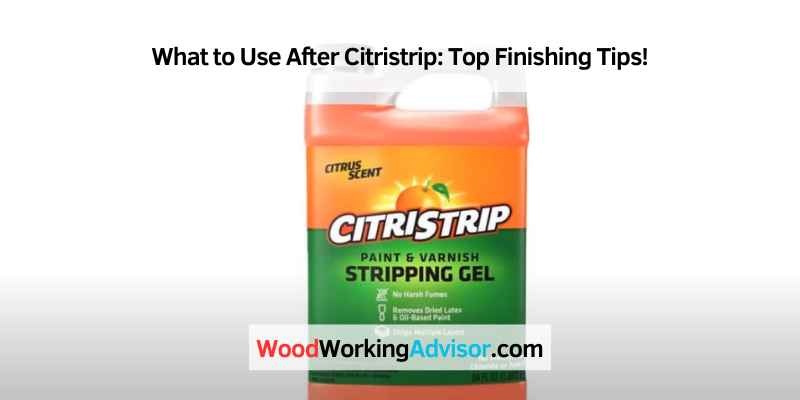
To remove residue after using Citristrip, you can use mineral spirits or denatured alcohol. These products effectively dissolve any remaining Citristrip and leave a clean surface for further treatment or finishing.
They are readily available and easy to use. When it comes to removing stubborn paint or varnish, Citristrip is a popular choice due to its effectiveness and environmentally friendly formula. However, once the stripping process is complete, you may be left with some residue that needs to be cleaned up.
In this blog post, we will explore the best options for what to use after Citristrip, ensuring a smooth and flawless finish. By following these tips, you can achieve professional results in your paint or varnish removal projects. So, let’s dive in and discover the ideal solutions to remove any remaining residue after using Citristrip.
Introduction To Citristrip
After using Citristrip, follow up with mineral spirits to clean and remove any remaining residue effectively. Mineral spirits are perfect for wiping off the stripped surface and preparing it for refinishing. Remember to use gloves and work in a well-ventilated area for safety.
The Benefits Of Using Citristrip
Citristrip is a powerful yet gentle paint and varnish stripper that is perfect for removing unwanted finishes from a variety of surfaces. One of the main benefits of using Citristrip is that it is made from all-natural ingredients, which means it is safe to use indoors and around children and pets. Citristrip is also biodegradable, making it an eco-friendly choice for those who are concerned about the environment.
- Powerful yet gentle paint and varnish stripper
- Made from all-natural ingredients
- Safe to use indoors and around children and pets
- Biodegradable and eco-friendly
Common Projects And Applications
Citristrip is a versatile product that can be used to remove a variety of finishes from different surfaces. Some common projects and applications include:
| Project/Application | Surface |
|---|---|
| Removing paint and varnish | Wood, metal, masonry, and concrete |
| Cleaning and restoring antique furniture | Wood |
| Removing graffiti and adhesive residue | Brick, concrete, and stucco |
| Stripping paint from car parts | Metal |
- Versatile product suitable for different surfaces
- Cleans and restores antique furniture
- Removes graffiti and adhesive residue
- Strips paint from car parts
Preparation Before Finishing
When it comes to refinishing furniture or stripping old paint, Citristrip is a popular choice due to its effectiveness and safety. However, once you have successfully removed the old finish, you might be wondering what to use next to prepare the surface for the new finish. In this article, we will explore the essential steps and materials needed for proper preparation before finishing.
Cleaning The Stripped Surface
Before applying any new finish, it is crucial to thoroughly clean the stripped surface. This will ensure that there are no residues left behind that could interfere with the adhesion of the new finish. To clean the surface effectively, follow these simple steps:
- Start by wiping down the surface with a clean, damp cloth to remove any loose debris or dust.
- Next, use a mild detergent or wood cleaner and a soft-bristle brush to gently scrub the surface. Be sure to remove any dirt, grease, or grime that may have accumulated over time.
- Rinse the surface with clean water and allow it to dry completely before proceeding.
By cleaning the stripped surface thoroughly, you create a clean and smooth foundation for the new finish, which will result in a more durable and professional-looking outcome.
Materials Needed For Post-stripping
To properly prepare the stripped surface for finishing, you will need a few essential materials. These include:
| Materials | Usage |
|---|---|
| 120-grit sandpaper | To smooth out any rough patches or imperfections on the surface. |
| Tack cloth | To remove any remaining dust or debris after sanding. |
| Wood filler | To fill in any cracks, holes, or gaps in the surface. |
| Primer | To create a strong bond between the stripped surface and the new finish. |
| Paintbrush or roller | To apply the primer and the final finish. |
Having these materials on hand will ensure that you are well-prepared to tackle the next steps in the refinishing process.
Neutralizing The Surface
After using Citristrip, it’s crucial to neutralize the surface to remove any residue. A mixture of water and vinegar is an effective option for this purpose. Simply wipe down the surface with a cloth dampened in the solution to ensure a clean and neutralized finish.
Why Neutralizing Is Important
Neutralizing the surface after using Citristrip is an essential step in the paint stripping process. When you apply a paint stripper like Citristrip, it breaks down the paint and creates a chemical reaction on the surface. If you don’t neutralize the surface properly, the remaining residue can interfere with the adhesion of new paint or stain. Additionally, it can cause the surface to become discolored or develop a rough texture. Therefore, neutralizing is crucial to prepare the surface for the next steps in your project.
Step-by-step Neutralizing Process
Follow these simple steps to effectively neutralize the surface after using Citristrip:
- Gather Your Supplies: Before you start, make sure you have all the necessary supplies, including rubber gloves, a bucket, clean water, and a sponge or cloth.
- Remove Citristrip Residue: Use a sponge or cloth dampened with clean water to wipe away any remaining Citristrip residue from the surface. Be thorough in removing all traces of the stripping agent.
- Dilute Vinegar: Mix equal parts of white vinegar and water in your bucket. This solution will help neutralize any remaining chemicals on the surface.
- Apply Vinegar Solution: Dip your sponge or cloth into the vinegar solution and gently wipe the entire surface. Ensure that you cover all areas evenly. The acidic properties of vinegar will help neutralize the alkaline residue left by Citristrip.
- Rinse with Clean Water: After applying the vinegar solution, rinse the surface thoroughly with clean water. This step will remove any remaining vinegar residue and ensure that the surface is completely neutralized.
- Allow to Dry: Finally, allow the surface to air dry completely before proceeding with the next steps of your project. This will ensure that the surface is ready for painting or staining.
By following these simple steps, you can effectively neutralize the surface after using Citristrip and ensure that your project proceeds smoothly. Remember, proper neutralization is key to achieving a clean, well-prepared surface for your desired finish.
Sanding For A Smooth Finish
Sanding for a Smooth Finish is crucial after using Citristrip to remove paint or varnish.
Choosing The Right Sandpaper
Select the correct sandpaper grit based on the surface and level of refinishing needed.
Tips For Effective Sanding
- Start with a coarse grit and gradually move to finer grits for a polished result.
- Use a sanding block or tool to ensure even pressure and consistent finish.
- Sand in the direction of the wood grain to prevent scratches and achieve a smooth surface.
- Wipe down the surface with a tack cloth to remove dust before applying a new finish.
Applying Stain After Citristrip
To apply stain after using Citristrip, it’s best to use a wood conditioner to prepare the surface. This will ensure an even application of the stain and prevent blotchiness. After conditioning, apply your chosen stain and finish with a protective topcoat.
After using Citristrip, it’s essential to apply a stain to achieve a beautiful finish on your wood surface. However, selecting the right stain and applying it correctly can be challenging. This section will discuss the best techniques for even stain application and selecting the right stain.
Selecting The Right Stain
Choosing the right stain is crucial to achieving the desired look for your wood surface. There are various types of stains, such as oil-based, water-based, and gel stains. Each type has its advantages and disadvantages.
Oil-based stains are durable and provide a rich color, but they take longer to dry and can be challenging to clean up. Water-based stains dry faster, are easy to clean up, and have less odor, but they may not provide as rich of a color as oil-based stains. Gel stains are thicker and easier to control, providing a more consistent finish, but they may not penetrate the wood as well as other stains.
Consider the type of wood you are staining and the look you want to achieve when selecting a stain. Test the stain on a small, inconspicuous area before applying it to the entire surface.
Techniques For Even Stain Application
Applying stain evenly is essential for achieving a professional-looking finish. Here are some techniques to ensure even stain application:
- Always stir the stain thoroughly before applying it to ensure an even color.
- Apply the stain in thin coats, using a brush or rag to spread it evenly.
- Wipe off excess stain with a clean rag after a few minutes to prevent blotching.
- Allow the stain to dry completely before applying a second coat or a protective finish.
- If you are using a water-based stain, dampen the wood with a cloth before applying the stain to ensure even absorption.
By following these techniques, you can achieve a beautiful and even finish on your wood surface.
In conclusion, applying stain after using Citristrip is a crucial step in achieving a professional-looking finish on your wood surface. Selecting the right stain and applying it evenly can be challenging, but with the right techniques, you can achieve the desired results.
Top Coats For Protection
When it comes to preserving and protecting your freshly stripped surfaces, choosing the right top coat is essential. Applying a top coat not only enhances the appearance of the surface but also provides protection against wear and tear. Let’s explore the different types of top coats and some application tips for durability.
Types Of Top Coats
There are various top coats available, each with its own unique properties and applications. Choosing the right top coat depends on the type of surface and the level of protection required. Here are some common types of top coats:
- Lacquer: Provides a durable and glossy finish, suitable for indoor use.
- Polyurethane: Offers excellent durability and protection, ideal for high-traffic areas.
- Varnish: Enhances the natural beauty of wood and provides a protective layer.
- Shellac: Creates a warm, amber-toned finish and offers good heat and moisture resistance.
Application Tips For Durability
Applying a top coat properly is crucial for ensuring long-lasting protection. Here are some application tips to enhance the durability of your top coat:
- Clean the Surface: Ensure the surface is clean and free of any debris before applying the top coat.
- Even Application: Apply the top coat evenly in thin layers to avoid drips and streaks.
- Sand Between Coats: Lightly sand the surface between coats to promote adhesion and a smooth finish.
- Proper Drying Time: Allow each coat to dry completely before applying the next layer to achieve optimal durability.
When To Use Paint
Advantages Of Painting Over Staining
Painting provides a durable finish that can withstand harsh weather conditions.
It allows for greater color variety and customization to match your decor.
Guide To Painting After Stripping
After using Citristrip, ensure the surface is clean and dry before painting.
Apply a primer to improve paint adhesion and enhance the final finish.
- Choose a high-quality paint suitable for the surface being painted.
- Use a brush or roller to apply the paint evenly, following the grain or pattern of the surface.
Maintaining Your Finished Project
After using Citristrip, apply mineral spirits to clean and prep the surface for refinishing. Follow up with a light sanding to ensure a smooth finish before applying your desired paint or stain. Remember to protect your project with a clear topcoat for long-lasting results.
Routine Care For Longevity
After using Citristrip, maintain your project regularly for long-lasting results.
Repairing Wear And Tear
Address any damage promptly to preserve the integrity of your project.
To maintain your finished project, follow these simple guidelines:
Routine Care for Longevity
– Wipe the surface with a damp cloth regularly
– Apply a fresh coat of sealant every 6 months
– Avoid placing hot items directly on the surface
Repairing Wear and Tear
– Sand down any rough patches
– Fill in any cracks or holes with wood filler
– Reapply paint or finish as needed
Troubleshooting Common Issues
After using Citristrip, it is important to follow up with the right products for troubleshooting common issues. Look for alternative solutions such as mineral spirits or denatured alcohol to effectively remove any remaining residue and ensure a clean surface.
Resolving Stickiness
If the surface is sticky after using Citristrip, clean it with mineral spirits and a clean cloth.
Dealing With Blotchy Areas
To fix blotchy areas post-Citristrip, lightly sand the surface with fine-grit sandpaper.
Frequently Asked Questions
What Are The Best Alternatives To Citristrip?
There are several alternatives to Citristrip, such as Bio-Clean, Soy Gel, and Formbys. Each product has its own unique formula and benefits, so it’s important to choose one that best suits your specific needs and the type of finish you are removing.
How Long Should I Wait After Using Citristrip?
After applying Citristrip, it is recommended to wait at least 30 minutes to 24 hours, depending on the type of finish and the number of layers being removed. Always follow the manufacturer’s instructions for the best results.
Can I Use Citristrip Outdoors?
Yes, Citristrip can be used outdoors, but it’s important to consider the environmental conditions. Choose a dry, mild day with temperatures between 65°F and 85°F for the best results. Avoid using Citristrip in direct sunlight or windy conditions.
Conclusion
After using Citristrip, consider using mineral spirits to remove any remaining residue. This will ensure a clean surface for refinishing. Alternatively, you can use warm, soapy water to clean the stripped surface. Remember to follow safety precautions and proper disposal methods when dealing with chemical strippers.
Following these steps will lead to a successful refinishing project.