How to Clean Wooden Toilet Seat: A Step-by-Step Guide
To clean a wooden toilet seat, wipe it down with mild soap and warm water using a soft cloth, then dry it completely. Wood absorbs moisture and stains differently than plastic or ceramic, so harsh chemicals and heavy water exposure both work against you here. This guide covers the full process, from removing the seat for a deeper clean to the fasteners and finish that keep it looking good long-term.
What You’ll Need
Clean Without Stripping The Finish
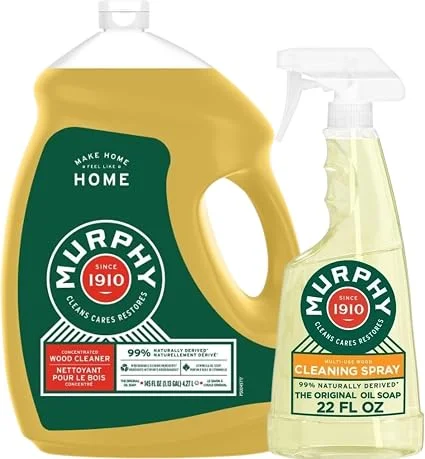 |
Murphy Oil Soap Wood Cleaner A gentle, purpose-made wood cleaner that cuts through grime without the harsh chemicals that dull a finished wood seat.
|
Mild soap, warm water, and a soft microfiber cloth handle most cleaning. Keep white vinegar on hand for odor control and baking soda for stubborn spots. Rubber gloves are worth wearing, and a screwdriver is needed if you’re removing the seat to clean underneath and around the hinges.
Removing The Seat (Optional But Recommended)
Removing the seat makes it much easier to clean the underside and the hinge area, where grime tends to build up unnoticed. Locate the screws or quick-release clips at the back where the seat attaches to the bowl, loosen and remove them, then lift the seat free and set it on a towel-covered flat surface to work on. Open a window or run the exhaust fan while you clean – it keeps fumes from cleaning products from building up and helps the seat dry faster afterward.
Removing Dust And Debris First
Brush off loose dust and debris with a soft-bristled brush before introducing any moisture – this keeps you from grinding grit into the finish once you start wiping with a damp cloth. Follow with a lightly dampened (not wet) cloth to pick up what the brush left behind, paying attention to the hinge area and any grooves where dust collects.
Choosing And Applying A Cleaner
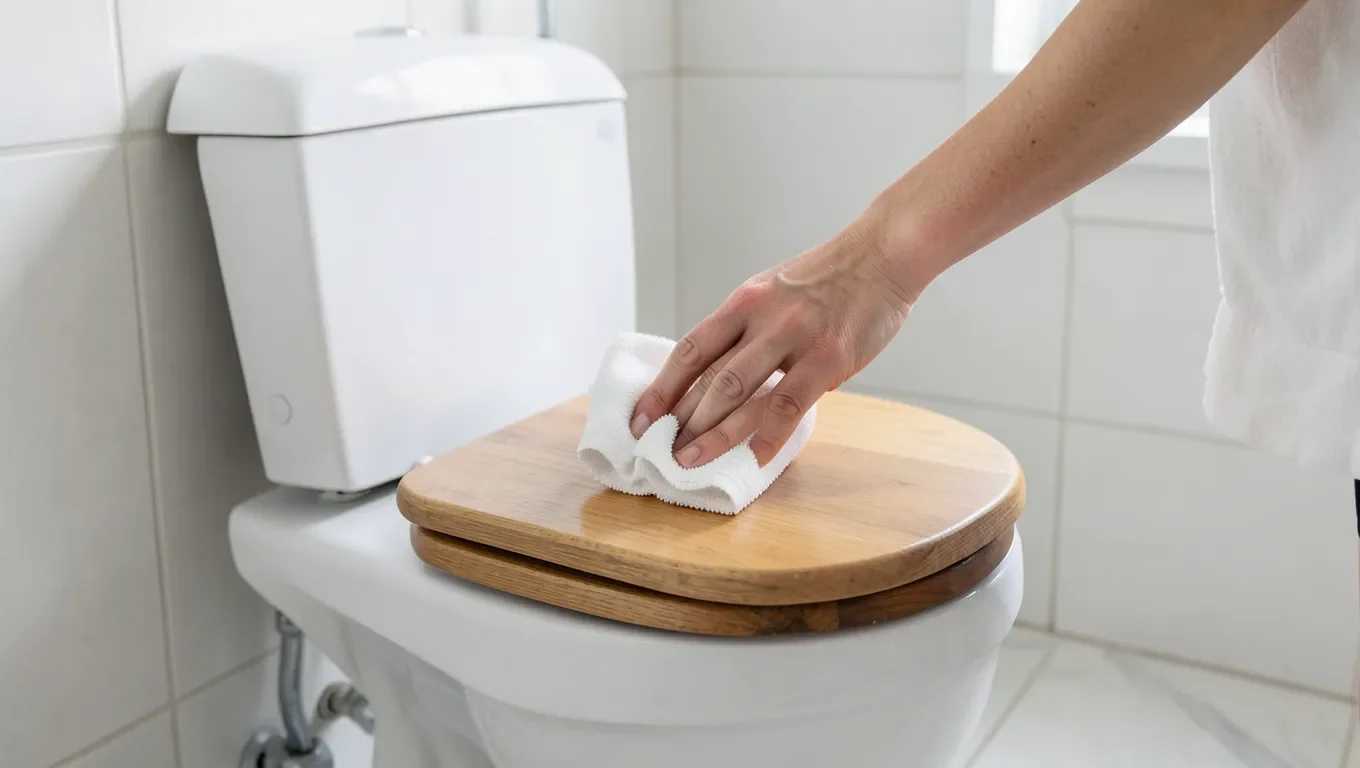
A mild detergent, a purpose-made wood cleaner, or a simple water-and-vinegar mix all work without stripping the finish – avoid harsh household cleaners, since they can strip the wood’s protective coating and lead to cracking or discoloration over time. Dampen a soft cloth with your chosen cleaner and wipe in gentle circular motions rather than scrubbing hard, covering the edges and underside as well as the top surface, since those areas can harbor bacteria just as easily as the visible surface.
Scrubbing Stains
Use a soft brush rather than anything abrasive – a stiff or hard-bristled brush can scratch through a wood finish, and once that happens moisture gets underneath the surface much more easily. For a stubborn stain, apply cleaner directly to the spot, let it sit for a few minutes to loosen the residue, then work it gently with the soft brush before rinsing. Repeat rather than pressing harder if the stain doesn’t lift the first time.
Rinsing And Checking For Residue
Rinse with a cloth dampened in clean warm water rather than pouring water directly over the seat – a light touch here prevents water from working into any seams or cracks. Check the surface for leftover soap film once rinsed; residue left behind can attract dirt and cause discoloration over time, so a second wipe-down with plain water is worth the extra minute if you see any cloudiness.
Drying The Seat
Pat the seat dry with a clean towel rather than wiping, which spreads moisture around instead of lifting it off – the same logic as blotting a spill on fabric. Once most of the water is gone, let the seat air dry completely before reattaching or using it; trapped moisture under a reassembled seat is a common, avoidable cause of warping and mold over time. A window cracked open or a fan pointed at the seat speeds this up.
When Cleaning Isn”’t Enough: Refinishing
If the seat starts absorbing water instead of beading it off, or the surface feels rough and dry no matter how well it”’s cleaned, the finish has worn through and cleaning alone won”’t fix it. Light sanding with fine-grit sandpaper (220 or higher) followed by a fresh coat of the original finish – polyurethane, oil, or whatever the seat was originally sealed with – restores that water resistance. Match the new finish to the old one where possible; mixing an oil finish over a polyurethane coat, for example, generally won”’t bond well and can leave a tacky or uneven surface.
Reattaching The Seat
Before reattaching, check the hinges for rust, cracking, or stiff movement – worn hinges are worth replacing at this point rather than reinstalling a seat that will wobble. Align the seat with the mounting holes, hand-tighten the screws first to get everything positioned correctly, then finish tightening with a screwdriver. Stop snugging once the seat feels stable; overtightening is a real way to crack the mounting points on a wood seat, unlike the more forgiving plastic hardware on standard seats.
Frequently Asked Questions
How Do You Get Urine Stains Out Of A Wooden Toilet Seat?
Clean urine stains from a wooden toilet seat using a mixture of vinegar and water. Gently scrub with a soft cloth.
Can You Use Clorox Wipes On Wooden Toilet Seat?
Yes, you can use Clorox wipes on a wooden toilet seat, but avoid excessive moisture. Wipe gently and dry thoroughly.
Can You Use Bleach On A Wooden Toilet Seat?
Avoid using bleach on a wooden toilet seat. Bleach can damage the wood and ruin its finish. Instead, use a mild soap and water solution for cleaning.
How To Clean Enameled Wood Toilet Seat Stains?
Clean enameled wood toilet seat stains with mild soap and water. Gently scrub using a soft cloth. Rinse thoroughly and dry. For stubborn stains, use a mixture of baking soda and water. Avoid abrasive cleaners to prevent damage. If you are still deciding whether enameled wood is the right pick for your bathroom in the first place, see our full enameled wood vs. plastic toilet seat comparison.
Conclusion
Keeping a wooden toilet seat clean comes down to mild soap, a soft cloth, and thorough drying – the same habits that protect any finished wood surface. Skip harsh chemicals and bleach, dry the seat fully before reattaching it, and a wood toilet seat will hold its finish and look good for years.
Sponsored / affiliate links. As an Amazon Associate I earn from qualifying purchases. I may earn additional commission from eligible campaigns.