What Type of Lacquer to Use on Wood: Best Finishes Revealed
For wood finishing, use either oil-based or water-based lacquer. Oil-based lacquer offers durability, while water-based lacquer provides quick drying times.
Choosing the right lacquer for wood can significantly enhance its appearance and longevity. Different projects require different finishes, so understanding the options is essential. Oil-based lacquers are ideal for high-traffic areas due to their resilience against wear and tear. They also impart a warm, rich tone to wood, enhancing its natural beauty.
On the other hand, water-based lacquers dry faster and emit fewer fumes, making them a safer choice for indoor applications. Knowing the specific needs of your project will help you select the best lacquer to achieve a flawless finish.
Introduction To Wood Finishing
Choosing the right finish for wood is very important. The finish protects the wood and enhances its beauty. A good finish can make your wood last longer. There are many types of wood finishes available.
Some common types include:
- Polyurethane: Durable and water-resistant.
- Lacquer: Quick-drying and gives a smooth finish.
- Shellac: Natural and easy to repair.
- Varnish: Great for outdoor projects.
- Oil: Deeply penetrates and nourishes the wood.
Using the right type of finish can greatly affect the wood’s appearance. Always consider the project and wood type before making a choice.
Exploring Lacquer Finishes
Lacquer is a popular finish for wood. It provides a strong and durable coat. This finish is known for its high gloss and smooth texture.
Some important characteristics of lacquer include:
- Quick drying time
- Excellent adhesion
- Resistance to scratches
- Ability to enhance wood grain
Using lacquer on wood offers many benefits. It protects against moisture and stains. This finish is easy to apply and can be repaired easily. Lacquer also provides a beautiful and shiny appearance.
Types Of Lacquer For Wood
Nitrocellulose lacquer is quick-drying and easy to apply. It provides a strong finish. This type is great for furniture and woodwork. However, it can be less durable over time.
Acrylic lacquer offers a clear and glossy finish. It is water-based and low in odor. This lacquer is flexible and resistant to yellowing. Perfect for indoor projects, it dries quickly.
Catalyzed lacquer combines durability with a hard finish. It dries fast and resists scratches. This type is ideal for high-traffic areas. It requires careful application due to its chemical components.
Comparing Lacquer With Other Finishes
Lacquer and polyurethane both protect wood, but they differ in application. Lacquer dries quickly, making it easy to apply. Polyurethane takes longer to dry but offers a stronger finish. Choose lacquer for fast projects and polyurethane for durability.
Lacquer and shellac are both clear finishes. Shellac is made from natural materials, while lacquer is synthetic. Shellac can be sensitive to heat and water. Lacquer provides better protection against these elements.
Comparing lacquer with varnish, varnish offers a thicker finish. It is more resistant to scratches and UV rays. Lacquer dries quickly but may require more frequent touch-ups. Choose varnish for outdoor projects and lacquer for indoor use.
Choosing The Right Lacquer
Choosing the right lacquer depends on the type of wood. Different woods have unique characteristics. Some lacquers work better with specific wood types.
Softwoods, like pine, absorb lacquer quickly. Use a spray lacquer for even coverage. It dries fast and gives a smooth finish.
Hardwoods, like oak, require a different approach. A brush-on lacquer is ideal. It allows for better control and helps avoid streaks.
For outdoor projects, choose a water-resistant lacquer. It protects against moisture and UV rays. This keeps the wood looking great for longer.
Always test the lacquer on a small area first. This ensures the desired look and finish. Proper preparation leads to the best results.
Application Techniques
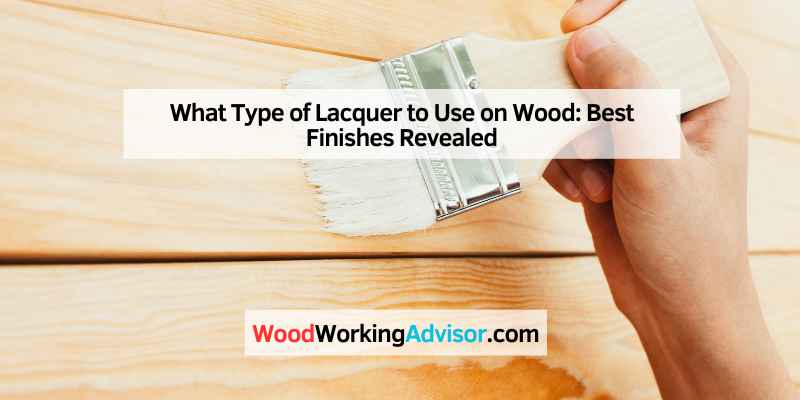
Start by sanding the wood surface. This helps remove old finishes and smooths the grain. Use a fine-grit sandpaper for the best results. After sanding, clean the surface with a damp cloth to remove dust.
Spraying lacquer gives a smooth finish and covers large areas quickly. It requires proper ventilation and safety gear. Brushing allows for more control, especially in tight spots. Choose based on your project needs.
For a smooth finish, apply thin coats of lacquer. Allow each coat to dry before adding another. Lightly sand between coats to enhance adhesion. Maintain a consistent speed while spraying or brushing for even coverage.
Safety And Environmental Considerations
Proper ventilation is crucial when using lacquer on wood. Open windows and doors to allow fresh air in. Use fans to help circulate air and reduce fumes.
Wearing protective gear is essential for safety. Use gloves to protect your hands. A mask helps filter out harmful particles. Goggles can shield your eyes from splashes.
| Eco-Friendly Lacquer Options | Description |
|---|---|
| Water-Based Lacquer | Low in VOCs and easy to clean up. |
| Plant-Based Lacquer | Made from natural ingredients, safer for the environment. |
| Shellac | Non-toxic and biodegradable finish option. |
Maintenance And Care
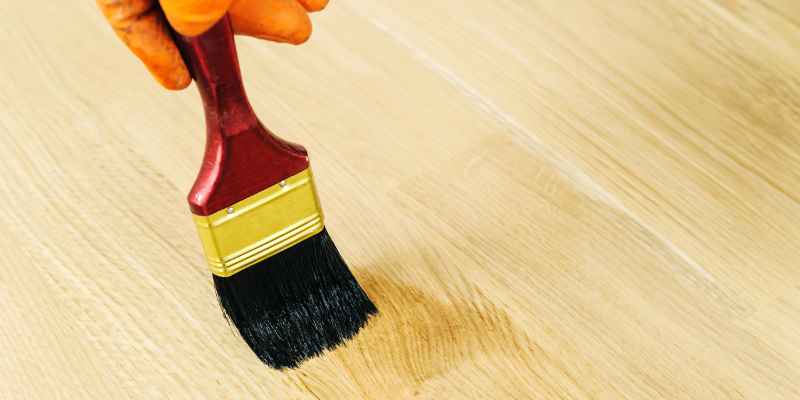
Cleaning lacquered surfaces requires a soft cloth. Use a damp cloth with mild soap. Avoid harsh chemicals that can damage the finish.
Repairing scratches and damage is simple. Use a matching touch-up lacquer. Apply it carefully with a fine brush.
Long-term care tips include keeping surfaces dust-free. Use coasters to prevent rings and stains. Avoid direct sunlight to maintain the color and shine.
Frequently Asked Questions
What Is The Best Lacquer For Wood Finishes?
The best lacquer for wood finishes often depends on your project. Nitrocellulose lacquer offers a quick-drying solution, ideal for furniture. Water-based lacquers are eco-friendly and less toxic. For outdoor projects, consider polyurethane lacquer for durability. Always test on a small area first to ensure compatibility.
How Do I Apply Lacquer To Wood Properly?
To apply lacquer to wood properly, start with a clean surface. Use fine sandpaper to prepare the wood. Apply the lacquer in thin, even coats. A spray gun or brush works well. Allow each coat to dry before sanding lightly.
Finish with a final coat for a smooth appearance.
Can Lacquer Be Used On All Types Of Wood?
Lacquer can be used on most types of wood, but results may vary. Softwoods like pine absorb lacquer differently than hardwoods like oak. Always test on a small section first. Some woods may require a sealer before applying lacquer to achieve the best finish.
Is Lacquer Waterproof For Wood Protection?
Lacquer provides some water resistance but is not fully waterproof. For projects exposed to moisture, consider using a polyurethane finish instead. Lacquer can swell and lose adhesion when wet. Always ensure proper sealing and maintenance for long-lasting protection against water damage.
Conclusion
Choosing the right lacquer for wood is essential for durability and appearance. Whether you prefer oil-based or water-based options, understanding their differences will help you make an informed decision. A well-selected lacquer enhances your wood project, ensuring it looks great and lasts longer.
Invest time in your choice for the best results.