Is Zinsser Shellac Food Safe? Only SealCoat, Once Cured
Zinsser shellac is food-safe only in its dewaxed SealCoat formula, and only once it has fully cured — the far more common Bulls Eye Clear and Amber cans on the same shelf still contain natural wax and are not the product to reach for on a cutting board. Grabbing the wrong can, or using a freshly-coated item before it finishes curing, is the mistake that causes most of the confusion. This guide covers which Zinsser can is actually dewaxed, the real cure time before food contact, and the FDA regulation shellac falls under.
Which Zinsser Shellac Is Food Safe? Only SealCoat
Only Food-Safe-Grade Zinsser Pick
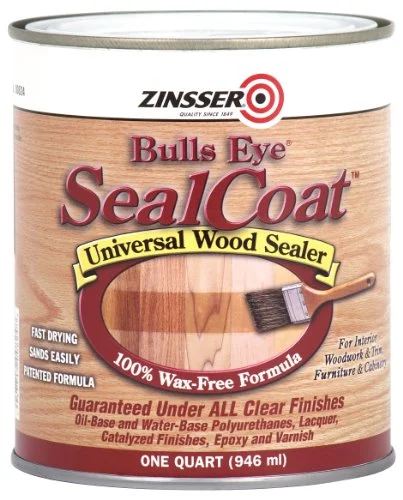 |
Zinsser Bulls Eye SealCoat, 1 Quart – $36.23 SealCoat is the only Zinsser shellac product that is dewaxed by formula – the Bulls Eye Clear and Amber cans on the same shelf both contain natural wax and are not the product this guide is describing as food-contact appropriate.
|
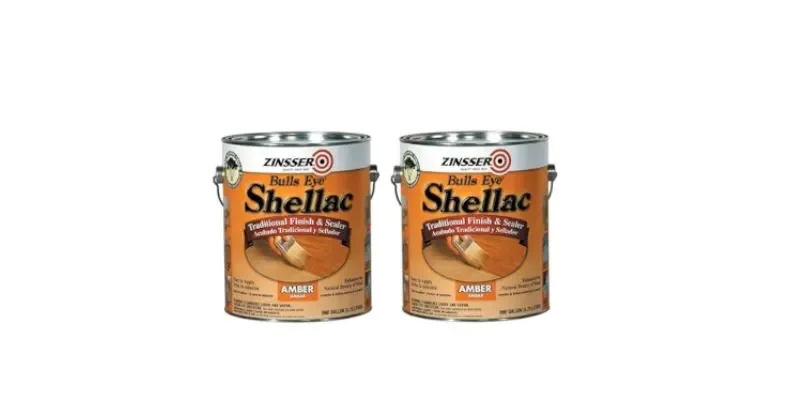
Zinsser sells shellac under three names on the same shelf: Bulls Eye Clear, Bulls Eye Amber, and SealCoat. Only SealCoat is dewaxed — the Clear and Amber cans keep the natural wax from the lac insect secretion that shellac is made from. That wax is exactly what a food-contact surface doesn’t need sitting between the wood and whatever touches it. For a full breakdown of how to tell the cans apart on the shelf, see our guide to which Zinsser shellac is dewaxed.
Why Wax Matters for Food Contact
The wax in regular shellac isn’t toxic, but it’s a soft, greasy layer that can transfer in small amounts to whatever sits on top of it — not what you want on a cutting board that gets washed and scraped daily. Dewaxed shellac skips that layer entirely, curing into a harder, more uniform film. This is also why woodworkers use dewaxed shellac (not the waxed cans) as a sealer under oil-based topcoats: wax blocks adhesion the same way it would sit between a coated board and your food.
Is Shellac Approved by the FDA?
Shellac is listed as an approved substance for resinous and polymeric coatings that contact food under FDA regulation 21 CFR 175.300 — the same regulatory category that covers can linings and other food-contact coatings. That listing covers refined shellac as a raw material; Zinsser’s own retail cans are a hardware-store finish product, not separately certified as a food-contact item by Zinsser. The practical takeaway most finishers use is: the underlying material is FDA-recognized, so a fully-cured, dewaxed, properly-applied coat is the safest bet on kitchen items.
📊 Shellac is specifically named under 21 CFR 175.300, “Resinous and polymeric coatings,” as an approved substance for food-contact coatings. – Source: eCFR, Title 21, Section 175.300
How Long Does Zinsser Shellac Take to Fully Cure?
Zinsser shellac is dry to the touch in about 30 to 60 minutes, which is fast enough to recoat the same day — but dry-to-touch is not the same as fully cured. Shellac needs roughly 25 to 30 days to fully harden and reach its final chemical stability, the same rule of thumb that applies to most film finishes. Put a freshly-coated cutting board straight into daily kitchen use after a few hours and you’re using it before the finish has actually finished hardening.
How to Apply Zinsser SealCoat Safely on Food-Contact Items
- Sand the bare wood to at least 220-grit so the shellac lays down evenly.
- Apply SealCoat with a natural-bristle brush or a folded cotton pad in thin, even coats — thick coats take longer to cure all the way through.
- Let each coat dry 30–60 minutes before recoating; 2–3 thin coats build better protection than one thick one.
- Lightly scuff-sand between coats with 320-grit for a smoother final film.
- Set the finished piece aside for 25–30 days before regular food contact and washing, even though it will feel dry within the hour.
The Real Myth: “Any Zinsser Shellac Is Food Safe”
The common mistake isn’t thinking shellac in general is unsafe — it’s assuming any can labeled “Zinsser Shellac” is interchangeable. It isn’t. Bulls Eye Clear and Bulls Eye Amber are both waxed, and Zinsser doesn’t market either one as food-contact grade. SealCoat is the specific dewaxed product this guide is describing, and reaching for the wrong can on the shelf is the actual source of most of the confusion online.
Best Practices for Long-Term Use on Kitchen Items
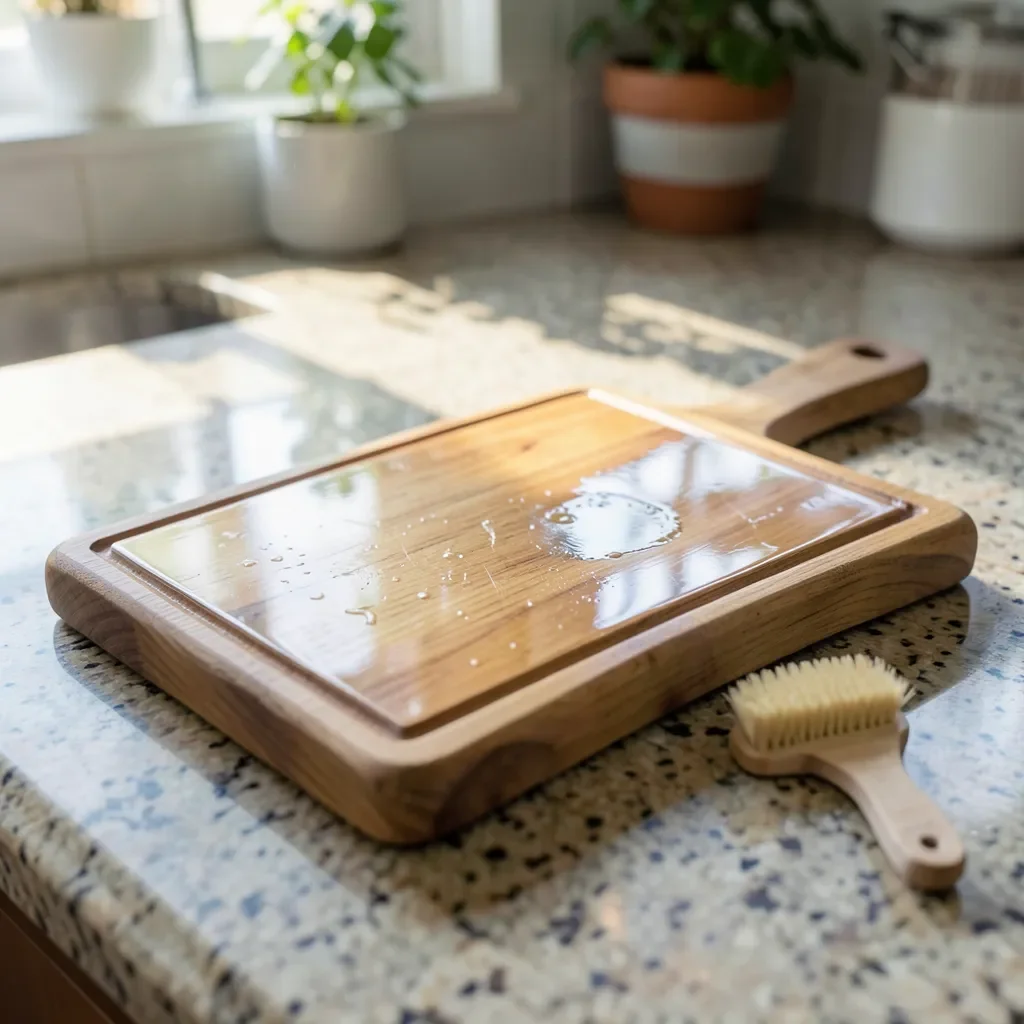
Wash finished items by hand with mild soap and warm water — skip the dishwasher, since prolonged heat and moisture will break down any film finish, dewaxed or not. Avoid soaking cutting boards or bowls, and dry them upright so water doesn’t pool against the finish. Reapply a fresh coat of SealCoat every year or two on high-use items, and lightly re-sand first if the surface feels rough or shows watermarks.
Frequently Asked Questions
Is Zinsser Shellac safe for food contact?
Only the dewaxed SealCoat formula, once fully cured. Bulls Eye Clear and Bulls Eye Amber both contain natural wax and are not the product to use on cutting boards or serving items. Check the can label for “SealCoat” specifically before using any Zinsser shellac on a food-contact surface.
Can I use Zinsser Shellac on kitchen items?
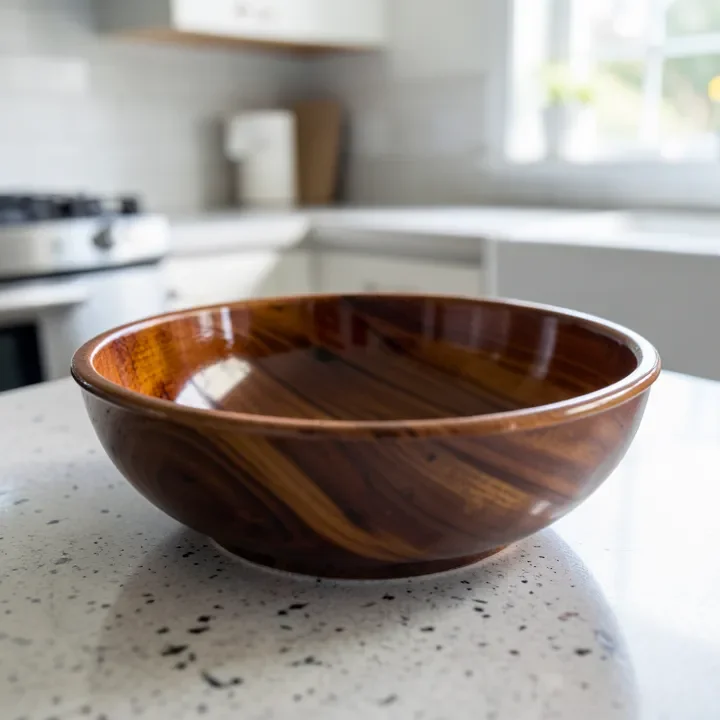
Yes, if it’s SealCoat specifically and it has fully cured for about 25 to 30 days. It works well for sealing wooden utensils, cutting boards, and salad bowls. Bulls Eye Clear and Amber, the waxed versions, are better saved for furniture and non-food surfaces.
How long does Zinsser Shellac take to cure?
It’s dry to the touch within 30 to 60 minutes, but full cure — the point where it’s chemically stable enough for daily food contact and washing — takes about 25 to 30 days. Don’t judge readiness by touch alone; give it the full month before regular kitchen use.
Is Zinsser Shellac non-toxic when dry?
Yes, shellac itself is a natural resin and is recognized by the FDA under 21 CFR 175.300 as an approved substance for food-contact coatings. That covers the refined shellac material; it doesn’t mean every retail can is certified as a food-contact product, which is why choosing the dewaxed SealCoat formula still matters.
Conclusion
Reach for Zinsser Bulls Eye SealCoat, not Clear or Amber, for anything that will touch food — and give it the full 25 to 30 days to cure before it goes into daily use. Skipping either step is where the real risk is, not shellac itself.
Sponsored / affiliate links. As an Amazon Associate I earn from qualifying purchases. I may earn additional commission from eligible campaigns.