Is Almond Wood a Hardwood? Yes: Hardness, Uses and Sourcing
Yes, almond wood is a hardwood. It comes from the almond tree (Prunus dulcis), a deciduous broadleaf tree in the rose family, and that botanical origin is all the word “hardwood” actually measures. Almond wood is also genuinely dense, but as a woodworking material it is a small-scale, specialty wood, not a lumberyard species.
Older versions of this page, and a lot of thin articles online, describe almond as a flooring and cabinetry wood. We could not find a source that supports that. What the sources do show is that almond is sold as smoking wood, firewood and turning stock, mostly from old orchard trees. This guide covers the classification, the numbers we could verify (and the ones we could not), and how to work or cook with it. For a wider look at wood categories, see our guide to types of wood.
Yes, Almond Is a Hardwood: What “Hardwood” Really Means
Best Almond Smoking Chunks
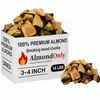 |
AlmondOnly 3-4 Inch Almond Smoking Wood Chunks, 14 lbs, $27.99 Almond wood is easiest to buy as smoking chunks, and this box is 100% almond in a size that suits offset smokers and kettle grills.
|
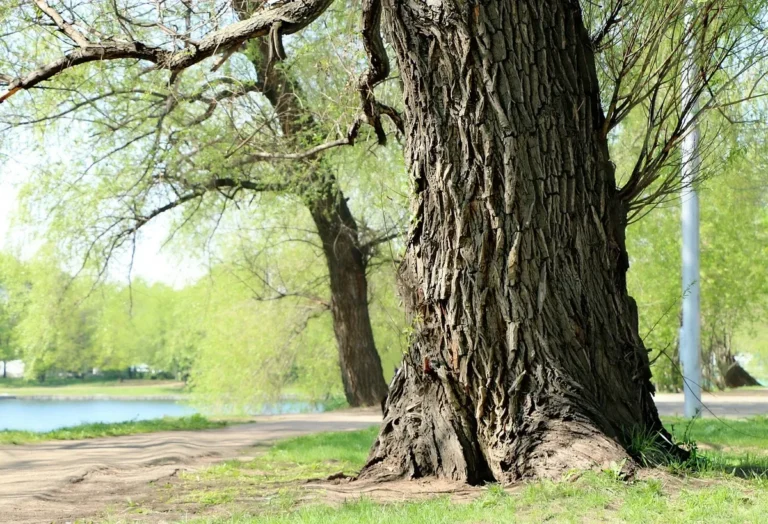
In woodworking, “hardwood” and “softwood” are botanical labels. Hardwoods come from angiosperms, the flowering broadleaf trees, and softwoods come from conifers. The label says nothing about how hard the board is. Balsa is a hardwood, and some conifers such as yew are harder than plenty of broadleaf woods. Almond is a broadleaf tree that drops its leaves each year, so it is a hardwood by definition.
Almond is also a member of the genus Prunus, the same group as cherry, plum and apricot. That family tie is useful because the wood behaves like its relatives: fine-textured, tinted brown with reddish tones, and usually available only in small pieces.
One naming trap: “Indian almond” or “tropical almond” (Terminalia catappa) is a different tree from the orchard almond. If a seller lists “almond wood,” check whether it means Prunus dulcis.
Almond Wood Properties: What We Could and Could Not Verify
The Wood Database, our usual reference for species data, does not have an almond page (the address returns a 404 as of this update). So the table below separates what a source states from what is only a rough figure. Treat the almond hardness number in particular as approximate.
| Property | Almond (Prunus dulcis) | Confidence |
|---|---|---|
| Classification | Hardwood (deciduous broadleaf, genus Prunus) | High: botanical fact |
| Density | About 48 lb/ft3 (770 kg/m3) at 12% moisture, from a secondary listing | Medium: no primary source found |
| Janka hardness | Listed near 1,700 lbf on one hobbyist chart | Low: not confirmed by a primary source |
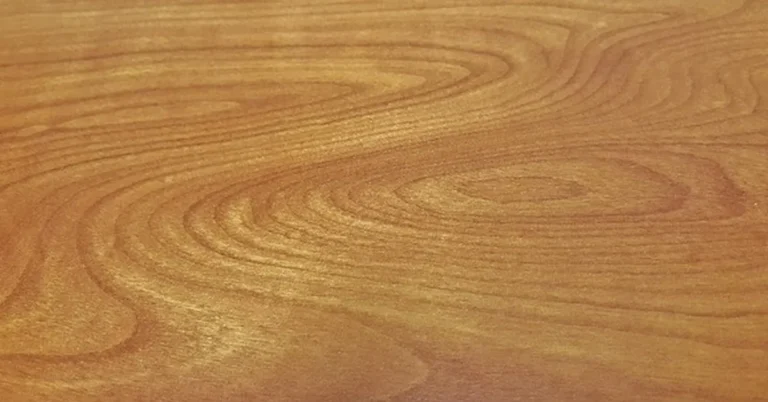
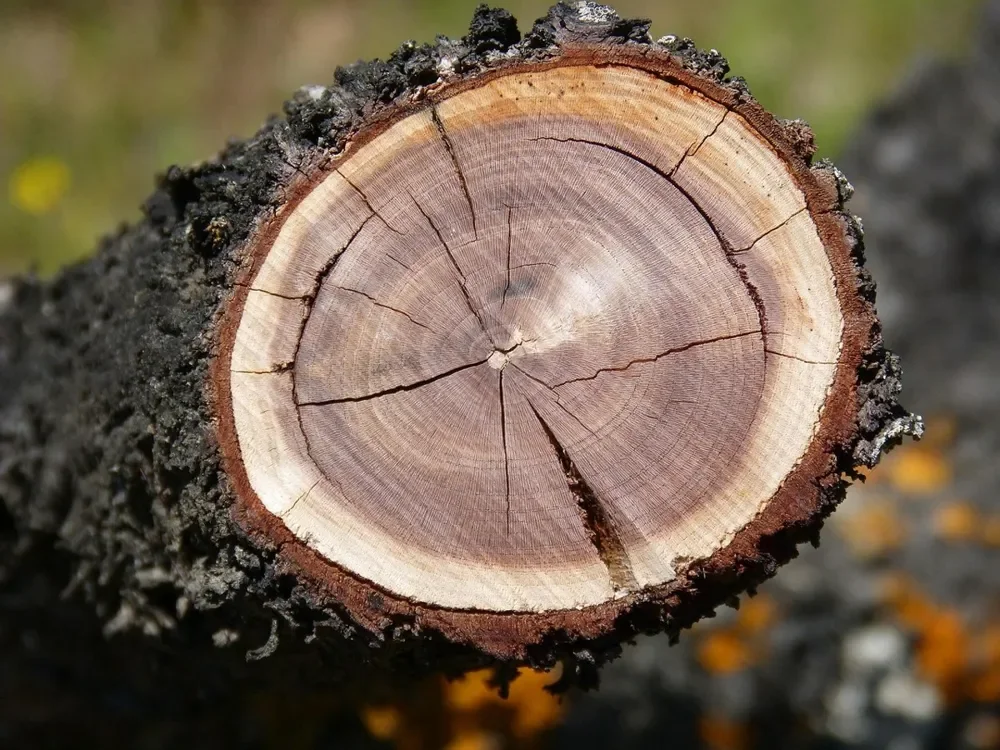
| Heartwood colour | Reddish brown heartwood with pale sapwood (visible in the photo below) | Observed on a real branch |
| Workability | Expect behaviour similar to apricot, its close relative: works easily on straight grain, tears out on irregular grain | Inferred from the apricot profile |
| Availability | Orchard removals, turning blanks, smoking chunks; not standard lumber | Consistent across sources |
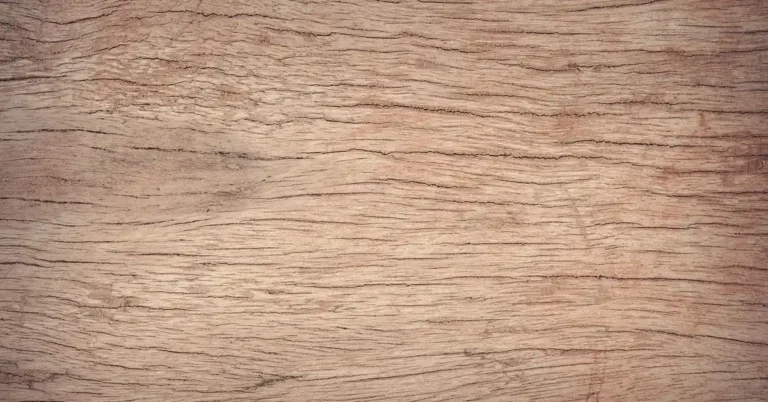
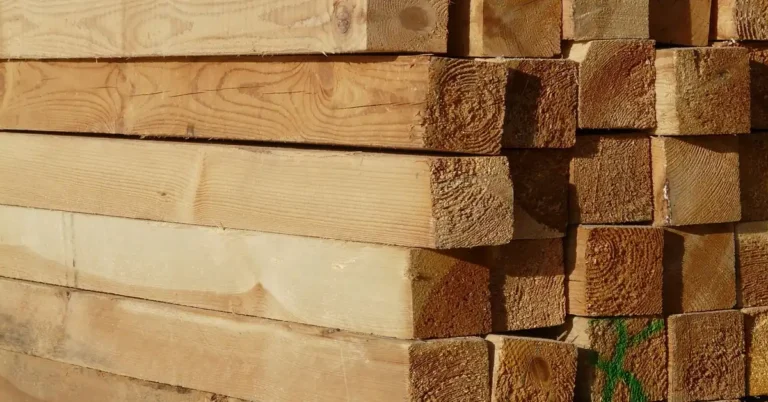
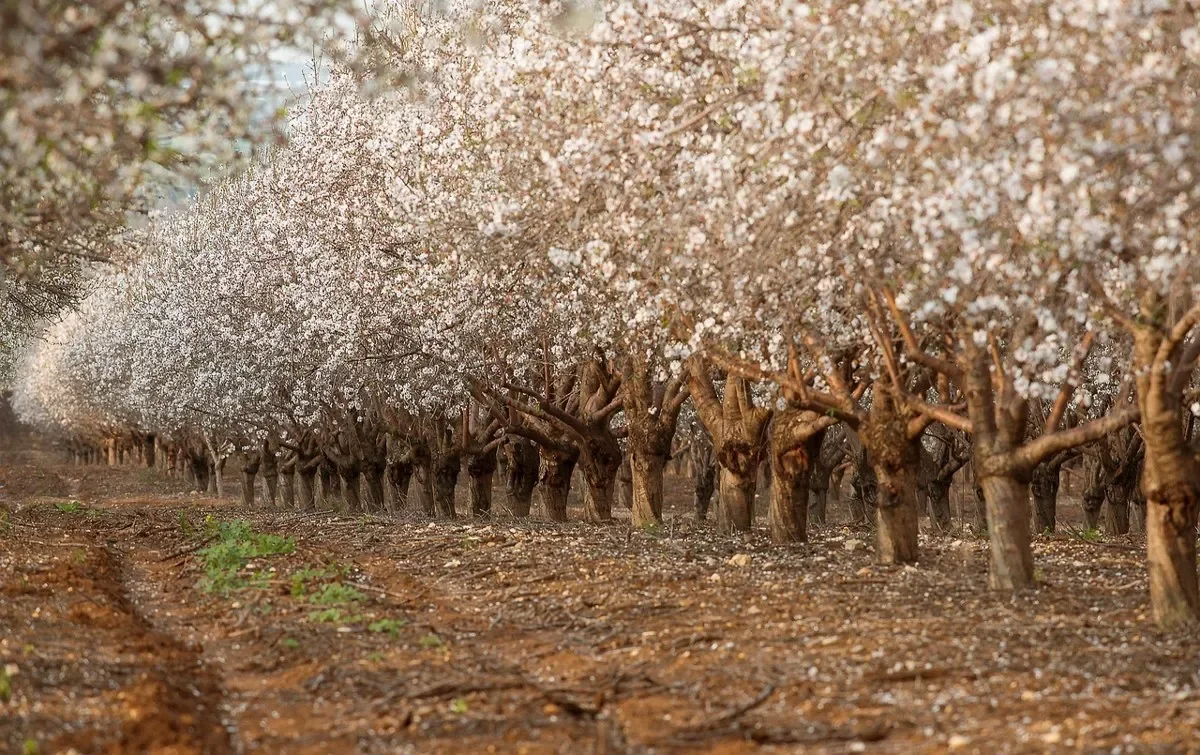
A cross-section shows why almond is rarely sold as boards. Orchard trees are pruned into short, branching trunks, and the wood tends to check (crack radially) as it dries, as you can see in this branch.
How Hard Is Almond Compared With Other Woods?
Hardness is separate from the hardwood label. Here is how the almond figure and its closest verified relative stack up against common furniture woods. The oak, maple and cherry values are the standard published Janka figures; the almond figure is the rough one flagged above.
| Wood | Janka hardness (lbf) | Note |
|---|---|---|
| Black cherry | 950 | Same genus as almond |
| Apricot | 1,390 | Wood Database estimate from specific gravity; same genus |
| Red oak | 1,290 | Common benchmark |
| Hard maple | 1,450 | Common benchmark |
| Almond | About 1,700 (unconfirmed) | Rough chart value; treat as an upper-range guess |
The takeaway: almond is probably harder than black cherry and in the range of hard maple or above, but you should not spec a project around the 1,700 figure without testing your own piece. If you buy a blank, a quick dent test on an offcut tells you more than any chart.
Working With Almond Wood
Because almond is available mostly as turning blanks and short billets, it suits bowls, spindles, knife handles, pens and small boxes rather than tabletops. Based on the apricot profile for a close relative, expect straight-grain areas to cut cleanly and knotty or irregular areas to tear out, so keep tools sharp and take light passes. Pre-drill before screwing, since dense fruitwoods split at the ends. If you get splinters while handling rough orchard wood, our guide to wood splinters covers removal.
For finishing, sand through the grits and use a penetrating oil to bring out the reddish heartwood. Our woodworking oil finish guide explains the options. If you are comparing almond against cherry for colour, see how to identify cherry wood.
Dry the wood slowly. Green orchard wood checks quickly, so seal end grain with wax or a commercial end-grain sealer if you plan to turn or carve it later.
Buying Almond Wood: What to Check Before You Pay
Because almond is not a standard lumber species, quality varies a lot between sellers. Before buying blanks or billets, confirm the botanical name so you do not end up with Indian almond, ask whether the pieces are kiln-dried or air-dried and how long, and look at the end grain for deep radial cracks that will ruin a small turning. For smoking wood, ask whether the chunks are bark-on and whether they were dried, since wet chunks smolder and produce acrid smoke. Expect to pay a premium compared with generic hickory or oak, because supply is limited to orchard removals.
Almond as Smoking and Cooking Wood
This is where almond really earns its keep. Sellers and firewood guides describe almond smoke as nutty, slightly sweet and delicate. It is milder than cherry or apple and often compared with pecan. That makes it a good choice for pork, chicken and fish, where a heavy hickory smoke can overpower the meat. For technique, see our guide on using wood chips in a smoker and the companion piece on cooking with cherry wood.
As fuel, almond burns hot and long. One firewood guide lists it at 32.9 million BTU per cord, above oak, while another lists 27.0 million BTU, so the true figure depends on moisture and species mix. Either way it makes steady coals with little ash, and the same guide says freshly felled almond can dry in about a year, roughly half the time oak needs.
Safety basics apply: cook only with clean, untreated, seasoned wood. Ask the seller whether the wood came from orchard removals or from a finished product, and never burn painted, stained or pressure-treated scraps in a smoker or grill.
Is Almond Wood Sustainable?
Mostly yes, because almond wood is a byproduct. When growers replant an old orchard, the removed trees become firewood, smoking wood and turning stock instead of being chipped or burned. The catch is supply: one source notes that drought and growers leaving the industry have reduced the number of orchards available. Almond is not a wood you should expect to find cheaply or in bulk.
Nut Allergy and Dust Safety
We could not find a reliable source on whether almond wood dust or smoke affects people with tree nut allergies, so we are not going to guess. If you have a tree nut allergy, ask your allergist before sanding or smoking with it. For any fine wood dust, wear an N95 respirator and use dust collection when sanding.
Frequently Asked Questions
Is almond wood a hardwood?
Yes. Almond (Prunus dulcis) is a deciduous broadleaf tree, and broadleaf trees are classed as hardwoods. The label is botanical and does not describe how hard the wood is.
How hard is almond wood?
Sources are thin. One chart lists it near 1,700 lbf on the Janka scale, but we could not confirm that against a primary source. Its close relative apricot is estimated at 1,390 lbf by the Wood Database, so almond is a dense, moderately hard fruitwood.
Can you build furniture from almond wood?
Rarely. Almond is mostly available as small orchard removals, turning blanks and smoking wood, not as wide, straight boards. It suits turned objects, handles and small projects better than tables or cabinets.
Is almond wood good for smoking meat?
Yes. It is described as a mild, nutty and slightly sweet smoke, gentler than hickory or cherry, and works well with pork, poultry and fish. Use only clean, untreated, seasoned wood.
Is Indian almond the same as almond wood?
No. Indian almond (Terminalia catappa) is a different tree from the orchard almond (Prunus dulcis). Confirm the species before buying.
Conclusion
Almond is a hardwood, but its real value is as a small-format specialty wood for turning, carving and smoking, not as a furniture lumber. If you want the classification comparison for other woods, our birch hardwood or softwood guide is a good next read.
Sponsored / affiliate links. As an Amazon Associate I earn from qualifying purchases. I may earn additional commission from eligible campaigns.
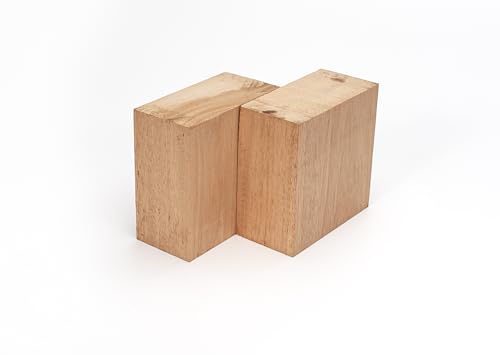 Exotic Wood Zone Wood Blanks for Bowls | Hardwood Bowl Blanks | Unfinished, Kiln-Dried, Sustainable Hardwood for Handcrafted Decorative Bowls & Functional Pieces (Fijian Mahogany, 7" x 7" x 2")
 Cherry Wood 4 Pack Hardwood Project Board Blanks, 12 x 6 x 1/4 inches, Unfinished Lumber Planks for DIY Crafts, Carving, Laser Engraving or Scroll Saw - Thin Wood