What Is Ebonized Wood? How This Dark Ebony-Look Finish Is Made
Ebonized wood is timber chemically darkened with an iron-acetate solution (or dyed) to mimic true ebony — but true chemical ebonizing only works well on high-tannin woods like oak and walnut, not pine. Using the wrong method on the wrong species leaves a blotchy gray-brown instead of black. This guide covers the real chemistry behind ebonizing, which woods take it best, and the modern stain and dye products that get the look without the reaction.
Want the full step-by-step process, including how long to steep the solution and how to handle low-tannin woods? See our complete guide on how to ebonize wood.
The Allure Of Ebonised Wood
Best Ebony Wood Stain Pick
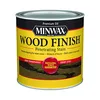
Minwax Wood Finish Ebony Stain, Half Pint – $7.98
A quick, low-mess way to get the ebonized look on furniture without mixing a vinegar-and-steel-wool solution — deep-penetrating oil stain that darkens most hardwoods, including the high-tannin oak and walnut this guide recommends, in one coat.
- Best for: A fast, consistent black finish on furniture, trim, or small projects
- Why we picked it: Same deep-black result as chemical ebonizing, no mixing or waiting days for a vinegar solution to brew
- Main drawback: A surface stain, not a true chemical reaction — won’t show grain quite as translucently as real ebonizing on high-tannin wood
As an Amazon Associate we earn from qualifying purchases.
True ebonizing is a chemical reaction, not a coat of paint. The classic recipe steeps steel wool in vinegar for a few days, which produces iron acetate. Wiped onto wood, that iron acetate reacts with the wood’s natural tannins and turns black in the fibers themselves — the same reaction that turns a rusty nail stuck in wet oak black. Ebonizing became popular in the 19th century as a mass-market substitute once real ebony grew too scarce and expensive to keep up with furniture demand.
The catch: tannin content varies enormously by species. High-tannin woods (oak, walnut, mahogany, chestnut) turn deep black with one or two coats. Low-tannin woods (pine, maple, birch, poplar) barely darken at all unless you pre-treat them — brewing strong black tea and wiping it on first adds enough tannin for the iron acetate to react against. Skipping that step on pine is the single most common reason a DIY ebonizing project comes out patchy gray instead of black.
| Feature | Ebonised Wood | Natural Ebony |
|---|---|---|
| Cost | Lower | Higher |
| Durability | Moderate | High |
| Appearance | Dark finish | Rich black |
Ebonising Techniques Explored
There are two real routes to an ebonized look. Traditional (chemical) ebonizing uses the iron-acetate-and-tannin reaction described above — steel wool soaked in vinegar for 3-5 days, strained, then wiped onto the wood. Dye or gel-stain ebonizing uses a commercial black wood dye or oil stain instead of a chemical reaction — faster, more consistent from can to can, and it works on low-tannin softwoods without a tea pre-treatment. Neither method is “wrong” — the chemical method gives a more translucent, grain-showing black on the right wood; a dye or stain gives a flatter, more uniform black on any wood.
If your project uses pine, poplar, or another low-tannin wood and you don’t want to pre-treat with tea, or you just want a one-step product, see our guide on how to darken pine without a chemical stain. Whichever method you use, always test on an offcut first — the same solution or stain can look noticeably different from one board to the next depending on grain and moisture content.
Characteristics Of Ebonised Wood
Ebonised wood is known for its rich, dark color. This wood comes from various species, often dyed to enhance its appearance. The texture is usually smoother than natural wood. Ebonised wood offers a striking look for furniture and decor.
Its durability makes it suitable for many uses. This wood is resistant to wear and tear. Regular maintenance is essential to keep it looking good. Use a soft cloth for cleaning to avoid scratches.
Applying a good quality wood polish helps maintain its shine. Avoid harsh chemicals that can damage the finish. Ebonised wood can last for many years with proper care.
Design Applications
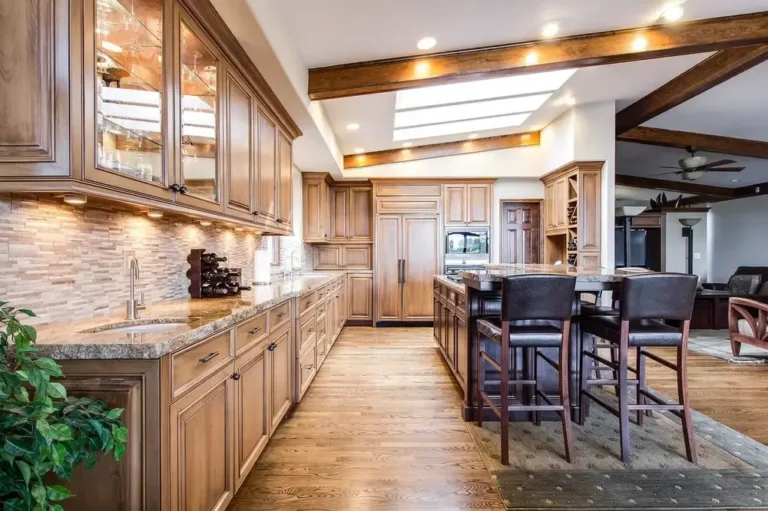
Ebonised wood is a popular choice for furniture and cabinetry. It adds a sleek, modern look to any space. This wood type has a deep, rich color that enhances its beauty. Designers often use it for tables, chairs, and cabinets.
Architectural elements benefit greatly from ebonised wood. It can be used for doors, trim, and moldings. This wood creates a striking contrast with lighter colors. It helps to achieve a sophisticated and elegant atmosphere in homes and offices.
The Process Of Ebonising Wood
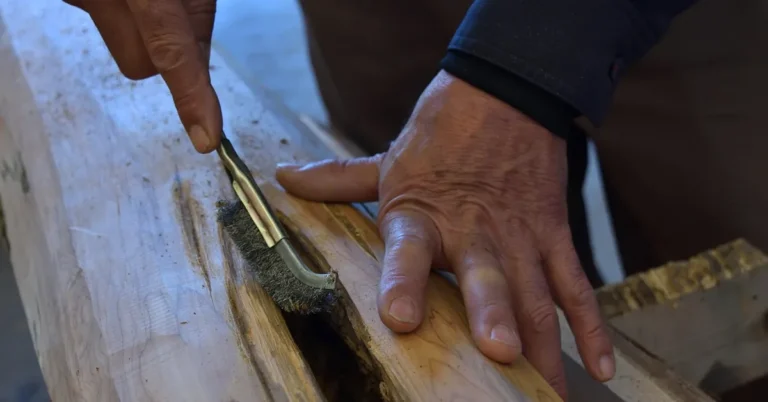
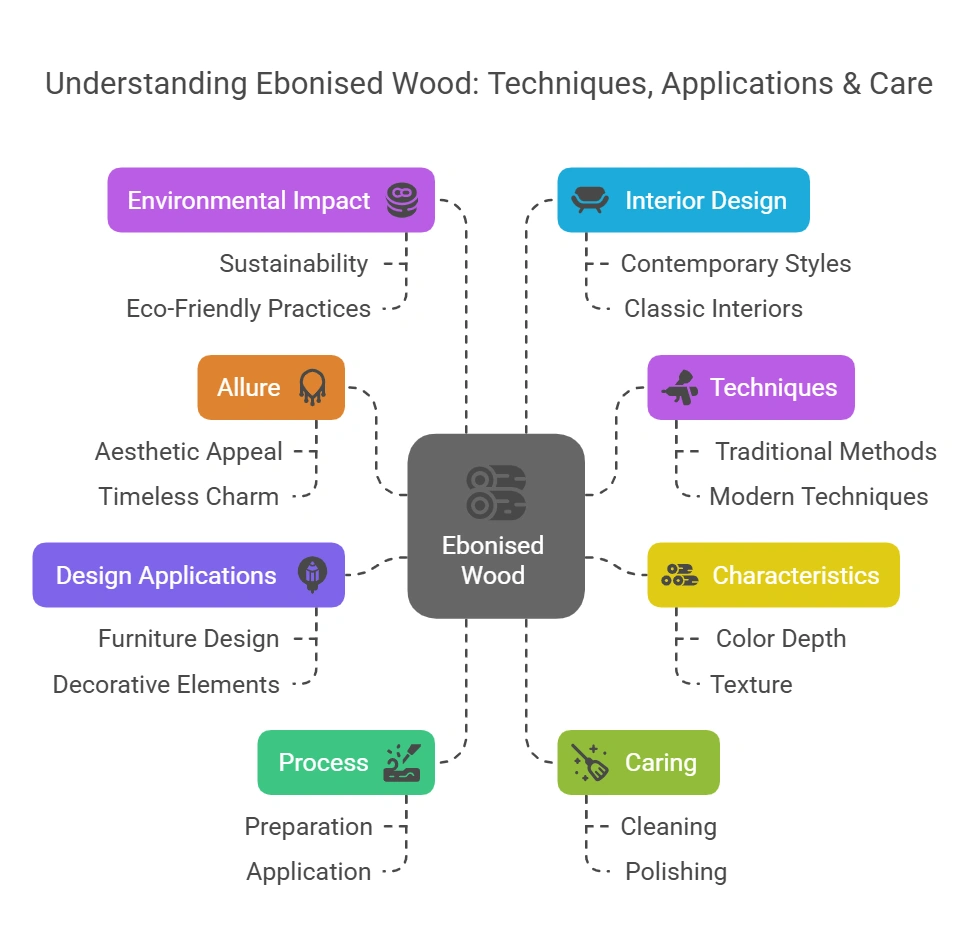
Ebonising wood gives a rich, dark finish. This process starts with preparing the wood. First, the wood must be clean and smooth. Any dirt or old finish should be removed. Sanding helps to achieve a nice surface.
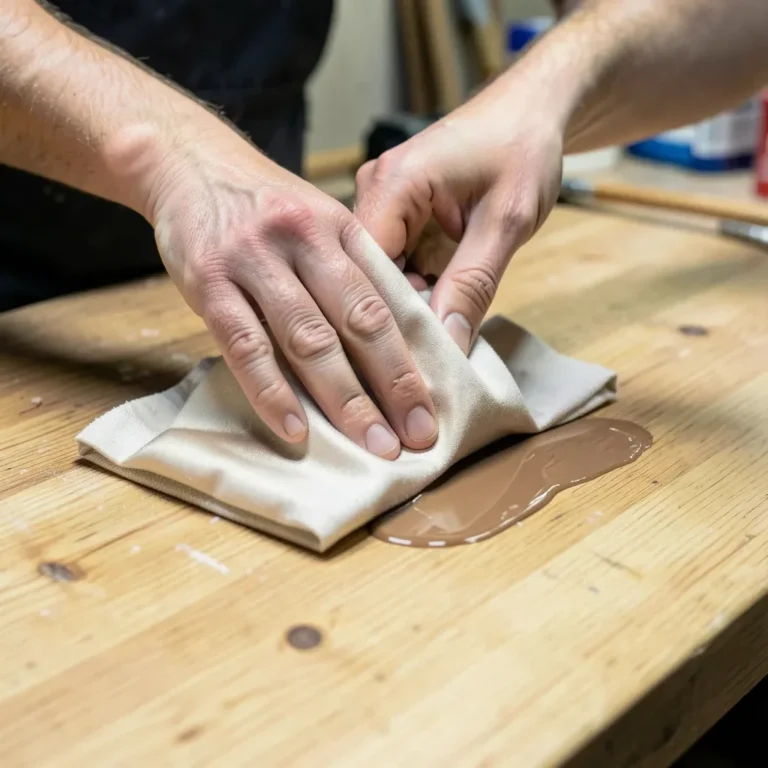
Next, an ebonizing solution is applied — typically fine steel wool dissolved in white vinegar for a few days, then strained. The wood absorbs this iron-acetate mixture and darkens as it reacts with tannin already in the fibers. Applying multiple coats deepens the color; let the wood dry completely between coats. If the color comes out uneven or lighter than expected, check whether your color choice actually needs to match an existing stain before adding another coat.
After the final coat, a sealant is often used. This protects the wood and enhances its beauty. The result is a stunning, deep black wood that looks elegant.
Caring For Ebonised Wood
Caring for Ebonised Wood helps maintain its beauty and longevity. Regular cleaning is essential. Use a soft, damp cloth to wipe the surface. Avoid harsh chemicals or abrasive materials. They can damage the finish.
For stubborn stains, mix mild soap with water. Gently scrub the area with a soft sponge. Rinse the sponge and wipe off any soap residue. Allow the wood to dry completely.
| Restoration Technique | Description |
|---|---|
| Re-oiling | Apply a suitable oil to enhance color and shine. |
| Light sanding | Use fine-grit sandpaper to remove scratches. |
| Refinishing | Strip old finish and apply a new coat for a fresh look. |
Environmental Impact And Sustainability
Ebonised wood is popular for its striking appearance and durability. Sourcing responsibly is key to protect our forests. Many companies use sustainable practices to obtain this wood.
Some methods include:
- Replanting trees after harvesting.
- Using wood from well-managed forests.
- Supporting local communities.
Eco-friendly alternatives exist for those seeking options. Bamboo is a strong and renewable choice. Reclaimed wood offers a unique look while reducing waste.
These options help preserve nature while still enjoying beautiful furniture and designs.
Ebonised Wood In Interior Design
Ebonised wood is a popular choice in modern decor. It adds a touch of elegance and sophistication. This wood looks sleek and fits well with various styles. Dark finishes bring out the beauty of furniture and fixtures.
In historical interiors, ebonised wood has rich significance. It was often used in Victorian and Art Deco designs. This wood symbolizes luxury and craftsmanship. Many antique pieces feature ebonised wood, showcasing its timeless appeal.
Frequently Asked Questions
What Is Ebonised Wood Made From?
Ebonised wood is typically created from lighter woods like pine or maple. The process involves applying a stain or dye that mimics the rich black color of true ebony. This technique allows for a cost-effective alternative to solid ebony while maintaining a similar aesthetic appeal.
How Is Ebonised Wood Treated?
Ebonised wood is treated using a combination of stains, dyes, and finishes. These treatments enhance the wood’s appearance and protect it from damage. The most common methods include using chemical stains or vinegar and steel wool solutions to achieve that deep black color.
What Are The Benefits Of Ebonised Wood?
Ebonised wood offers several benefits, including a striking appearance and affordability compared to solid ebony. It is versatile, fitting various design styles. Additionally, it provides durability and resistance to wear, making it suitable for furniture and decorative applications.
Is Ebonised Wood Durable?
Yes, ebonised wood is quite durable when properly treated. The finishing processes used enhance its resistance to scratches and moisture. However, care is still necessary to maintain its appearance over time, especially in high-traffic areas or outdoor settings.
Is Ebonizing the Same as Staining Wood Black?
No. Staining coats the wood surface with black pigment, while true ebonizing is a chemical reaction between an iron-acetate solution and the wood’s own tannins, which turns the fibers themselves black. Ebonizing shows the wood grain through the black finish; a black stain or paint typically looks flatter and more uniform.
Which Woods Ebonize Best?
High-tannin hardwoods ebonize best, especially oak, walnut, mahogany, and chestnut. Low-tannin woods like pine, maple, birch, and poplar need to be pre-treated with strong black tea (which adds tannin) before the iron-acetate solution will turn them black; otherwise they only darken to a patchy gray-brown.
Conclusion
Ebonised wood offers a unique aesthetic and durability for various applications. Its deep, rich color enhances the beauty of furniture and decor. Understanding its characteristics can help you make informed choices for your projects. Embrace the elegance of ebonised wood to elevate your space and enjoy its timeless appeal.
Sponsored / affiliate links. As an Amazon Associate I earn from qualifying purchases. I may earn additional commission from eligible campaigns.