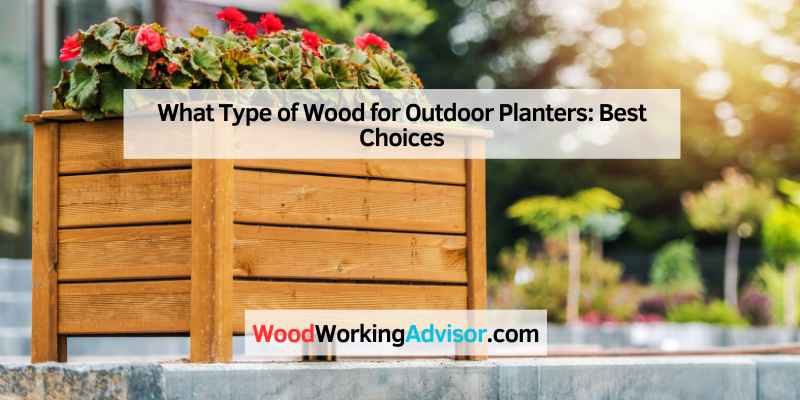
What Type of Wood for Outdoor Planters: Best Choices
Cedar and redwood are the best types of wood for outdoor planters due to their natural resistance to rot and pests. Pressure-treated pine is another affordable option, but it may not last as long.
Choosing the right wood for outdoor planters is essential for durability and aesthetics. Cedar and redwood stand out for their natural oils that resist decay, making them ideal for outdoor conditions. These woods also offer a beautiful appearance, enhancing the overall look of your garden.
Pressure-treated pine provides a budget-friendly alternative, though it may require more maintenance over time. Understanding the properties of different types of wood helps ensure your planters remain functional and attractive for years to come. Select the best material to enjoy thriving plants and a stunning outdoor space.
Introduction To Outdoor Planters
Outdoor planters add beauty to gardens. Choosing the right wood is essential for durability.
Cedar, redwood, and teak are popular choices. They resist rot and insects. Avoid softwoods like pine, as they decay quickly.
Climate plays a big role. In wet areas, select wood with good moisture resistance. In dry climates, look for wood that withstands heat.
Budget is another factor. Some woods are more expensive than others. Consider your budget before making a choice.
Aesthetics matter too. Different woods have unique colors and grains. Choose one that fits your garden’s style.
Overall, the right wood enhances your planters. It ensures they last longer and look great.
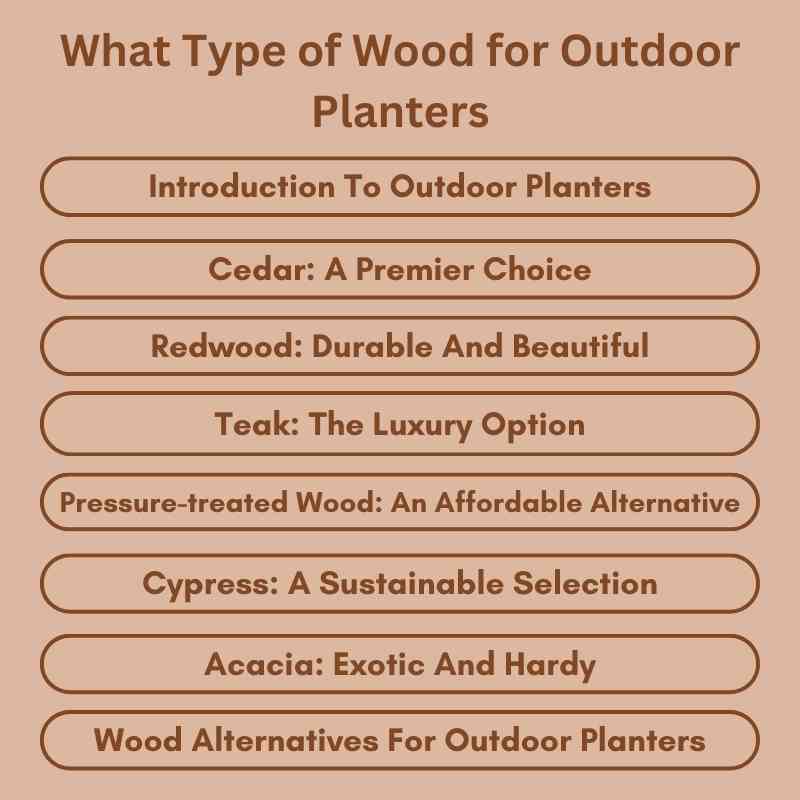
Cedar: A Premier Choice
Cedar is a top choice for outdoor planters. Its natural resistance to decay makes it last longer. This wood can withstand moisture and insects well. Cedar contains natural oils that help protect it.
The aesthetic appeal of cedar is undeniable. It has a beautiful grain and rich color. Cedar planters can enhance any garden or patio. This wood also ages gracefully, developing a lovely silver hue.
Redwood: Durable And Beautiful
Redwood is a popular choice for outdoor planters. It offers great durability against the elements. This wood is naturally resistant to decay and insects. Its life span can reach many years.
The visual characteristics of redwood are stunning. It has a rich, warm color that adds beauty to any garden. The grain pattern is unique and attractive. Over time, it develops a beautiful silver-gray patina.
Using redwood for outdoor planters ensures they remain strong and lovely. This wood requires minimal maintenance, making it a smart choice. It blends well with various landscaping styles.
Teak: The Luxury Option
Teak is known for its exceptional durability. This wood can withstand harsh weather conditions. Its natural oils help resist moisture and pests.
When caring for teak, use a soft cloth to clean it. Avoid harsh chemicals that can damage the wood. Regularly apply teak oil to maintain its rich color. This will keep your outdoor planters looking beautiful.
Teak requires minimal maintenance compared to other woods. A simple rinse with water and mild soap is often enough. This makes it a practical choice for busy gardeners.
Pressure-treated Wood: An Affordable Alternative
Pressure-treated wood is a popular choice for outdoor planters. It is affordable and can last for years. This wood undergoes a special treatment process to resist moisture and pests.
The treatment involves placing wood in a vacuum chamber. Chemicals are forced into the wood fibers. This process helps to protect against rot and insects.
Safety is important when using treated wood. Always wash your hands after handling it. Consider using a liner for planters to reduce contact with soil.
Choose a reputable supplier for pressure-treated wood. Look for certifications that guarantee safety and quality.
Cypress: A Sustainable Selection
Cypress wood is a great choice for outdoor planters. Its natural durability makes it resistant to rot and insects. This wood can last for many years without needing much care.
Using cypress has important environmental benefits. It grows quickly, which helps keep forests healthy. This wood is also sourced from sustainable forests. Choosing cypress means supporting eco-friendly practices.
Acacia: Exotic And Hardy
Acacia wood is known for its strong resistance to weather. This makes it perfect for outdoor planters. It can withstand rain, sun, and humidity. Acacia doesn’t warp or crack easily, ensuring your planters last longer.
Unique grain patterns add to the beauty of Acacia. Each piece of wood has a distinct look. This makes every planter a one-of-a-kind piece. The rich colors and textures enhance any garden or patio.
Wood Alternatives For Outdoor Planters
Composite woods are great for outdoor planters. They mix recycled materials with wood fibers. This makes them strong and durable.
These materials resist rot and insects. They do not require much maintenance. Many brands offer different colors and textures.
Eco-friendly options are available in composite woods. They help reduce waste and save trees. Choosing composite woods is a smart choice for the environment.
Care And Maintenance Of Wooden Planters
Wooden planters require regular care to last longer. Check for cracks and rot often. Clean the surface with soap and water. This prevents dirt and mold buildup.
Use a sealant to protect the wood from moisture. Reapply the sealant every year for best results. Keep the planters off the ground to avoid water damage.
Replace your planter when it shows significant damage. Look for large cracks or warping. If the wood feels soft or breaks easily, it’s time for a new one.
Choosing the right wood type can extend the planter’s life. Cedar and redwood resist decay well. Treating the wood properly adds further protection.
Frequently Asked Questions
What Wood Is Best For Outdoor Planters?
Cedar and redwood are top choices for outdoor planters. They resist rot and insects effectively. Treated pine is also popular, but it may not last as long. Choose wood based on budget and aesthetics. Always ensure proper drainage to prolong the life of your planters.
How Long Does Wood Last Outdoors?
The lifespan of wood outdoors varies by type. Untreated softwoods like pine may last 5 to 10 years. In contrast, hardwoods like teak can last over 25 years. Environmental factors such as moisture and sun exposure also affect durability. Regular maintenance can extend the life of your planters.
Can I Use Untreated Wood For Planters?
Using untreated wood for planters is possible but risky. It will rot faster, especially in wet conditions. If you opt for untreated wood, choose naturally rot-resistant types like cedar. Additionally, consider lining the planter to protect the wood. This can help prolong its lifespan significantly.
Is Pressure-treated Wood Safe For Planters?
Pressure-treated wood is generally safe for planters if used correctly. It contains chemicals to resist rot and insects. However, some chemicals may leach into the soil. To avoid this, line the inside of the planter with a barrier. This keeps the soil separate from the treated wood.
Conclusion
Choosing the right wood for outdoor planters is essential for durability and aesthetics. Cedar and redwood are excellent options due to their natural resistance to decay. Pressure-treated pine offers affordability but requires care. Always prioritize wood that suits your climate and plant needs.
Make an informed choice for beautiful, lasting planters.