Why Dust Collection Matters for Your Ryobi Table Saw
Let’s start with the basics. Woodworking is messy. Every cut you make with your Ryobi table saw sends sawdust flying everywhere. It settles on your tools, your floor, and even your clothes. Worse, it gets into the air you breathe. I remember my early days in the shop, thinking a quick sweep would solve the problem. Spoiler alert: it didn’t. Sawdust isn’t just annoying—it can be harmful. Fine dust particles can irritate your lungs and cause long-term health issues if you’re exposed regularly.
A good dust collector does more than keep your shop tidy. It protects your health by capturing those tiny particles before they become airborne. It also saves you time on cleanup, letting you focus on what you love—building beautiful projects. For a Ryobi table saw, which often lacks a built-in dust collection system (especially on budget models like the RTS21G or RTS12), adding a dust collector is almost a necessity. Trust me, once you set one up, you’ll wonder how you ever worked without it.
Understanding the Dust Collection Challenges with Ryobi Table Saws
Ryobi table saws are fantastic for DIYers and hobbyists. They’re affordable and reliable, but dust collection isn’t their strong suit. I learned this the hard way with my RTS23. The dust port, if your model even has one, is usually a 2.5-inch opening that’s not always optimized for efficient collection. On some models, like the RTS21G, there’s no dust port at all—just an open bottom where sawdust falls through. This means dust ends up everywhere: on the floor, in the air, and even in your face during cuts.
Another challenge is airflow. Table saws create a lot of dust, and without a sealed system, much of it escapes. I’ve noticed that the open design of many Ryobi saws lets dust sneak out through gaps around the blade or motor. The key is to find or create a solution that seals those gaps and directs dust to your collector. Don’t worry—I’ll walk you through the options I’ve tested and what works best.
Types of Dust Collectors for Ryobi Table Saws
When I started looking for a dust collector for my Ryobi table saw, I was overwhelmed by the options. There are a few main types to consider, each with pros and cons. Let’s break them down so you can choose what fits your shop and budget.
Shop Vacuums
Shop vacuums are the go-to for many woodworkers, including me when I started. They’re affordable, portable, and easy to connect to a Ryobi table saw with a 2.5-inch dust port. I use a Ridgid shop vac with a 2.5-inch hose, and it does a decent job capturing dust. The trick is to create a sealed system around the saw to maximize suction.
- Pros: Affordable, widely available, easy to set up.
- Cons: Limited capacity, can clog with heavy use, not ideal for large projects.
Dust Collector Bags
Dust collector bags are simple and budget-friendly. They attach to the dust port (or under the saw if there’s no port) and catch sawdust as it falls. I tried a universal dust bag compatible with Ryobi saws, and it caught about 70% of the dust—better than nothing, but not perfect.
- Pros: Cheap, easy to install, no power needed.
- Cons: Misses fine dust, needs frequent emptying, not great for heavy-duty work.
Dedicated Dust Collectors
For serious woodworkers, a dedicated dust collector with a 4-inch hose is a step up. These systems have powerful motors and large bags or canisters to handle high dust volumes. I upgraded to a 1 HP dust collector, and it’s a game-changer for my shop. The larger hose size requires an adapter for Ryobi’s 2.5-inch port, but it’s worth the effort.
- Pros: High suction power, handles large projects, captures fine dust.
- Cons: Expensive, takes up more space, may need adapters.
DIY Solutions
If you’re handy (and let’s face it, you probably are), you can build your own dust collection system. I’ve experimented with cardboard funnels and plywood enclosures to trap dust under my saw. These can be effective if done right, but they take time and trial-and-error to perfect.
- Pros: Customizable, low-cost, satisfying to build.
- Cons: Requires skill, may not be as efficient as commercial options.
Here’s a quick comparison table to help you decide:
| Type | Cost | Efficiency | Ease of Use | Best For |
|---|---|---|---|---|
| Shop Vacuum | $50–$150 | Moderate | Easy | Small shops, occasional use |
| Dust Collector Bag | $20–$50 | Low-Moderate | Very Easy | Budget-conscious hobbyists |
| Dedicated Dust Collector | $200–$600+ | High | Moderate | Serious woodworkers, large shops |
| DIY Solution | $10–$50 | Varies | Moderate-Hard | DIY enthusiasts, custom needs |
Key Features to Look for in a Dust Collector
Not all dust collectors are created equal. When I was shopping for one, I focused on a few key features to ensure it worked well with my Ryobi table saw. Here’s what you should consider:
Compatibility with Ryobi Dust Ports
Most Ryobi table saws have a 2.5-inch dust port, but some older models don’t. Check your saw’s manual or measure the port size. If there’s no port, you’ll need a solution that works with an open-bottom saw, like a dust bag or a custom enclosure. I found that a universal 2.5-inch to 4-inch adapter was a lifesaver for connecting my dust collector to my RTS12.
Suction Power
Suction power, measured in CFM (cubic feet per minute), determines how much dust the system can handle. For a Ryobi table saw, 100–200 CFM is usually enough for a shop vac. For a dedicated dust collector, aim for 400 CFM or more. My 1 HP collector pulls 650 CFM, and it handles everything I throw at it.
Filtration
Fine dust is the real health hazard. Look for a system with a micron rating of 1–5 microns to capture those tiny particles. My shop vac has a HEPA filter, which gives me peace of mind knowing I’m not breathing in harmful dust.
Ease of Setup and Maintenance
You don’t want to spend hours setting up or cleaning your dust collector. I prefer systems with quick-release bags or canisters for easy emptying. Also, check if the hose and adapters are easy to connect and disconnect. Trust me, you’ll appreciate this when you’re in the middle of a project.
Portability
If your shop is small or you move your saw around, a lightweight, portable dust collector is key. My shop vac is easy to wheel around, but my dedicated collector stays in one spot because it’s bulky.
How to Set Up a Dust Collector for Your Ryobi Table Saw
Setting up a dust collector can feel daunting, but I’ve done it enough times to know it’s manageable with a little planning. Here’s a step-by-step guide based on what worked for me:
- Check Your Saw’s Dust Port: Identify whether your Ryobi saw has a 2.5-inch port or no port at all. For models without a port, you’ll need a dust bag or a custom solution.
- Choose Your Dust Collector: Decide between a shop vac, dust bag, or dedicated collector based on your budget and needs. I started with a shop vac and later upgraded to a dedicated system.
- Get the Right Adapters: If your dust collector’s hose doesn’t match your saw’s port, buy a 2.5-inch to 4-inch adapter or a universal hose kit. I found mine at Home Depot for about $15.
- Seal Gaps: For maximum efficiency, seal any gaps around the saw’s base or blade area. I used foam weatherstripping and magnetic sheets to close off openings on my RTS23. This directs more dust to the collector.
- Position the Collector: Place your dust collector or shop vac close to the saw to minimize hose length. A shorter hose means better suction. I keep mine right under the workbench.
- Test and Adjust: Run a test cut and check for dust leakage. If dust is escaping, adjust your seals or try a different adapter. It took me a couple of tries to get my setup airtight.
- Maintain Regularly: Empty the dust bag or canister often to maintain suction. I also clean my shop vac’s filter every few weeks to keep it working efficiently.
DIY Dust Collection Hacks for Ryobi Table Saws
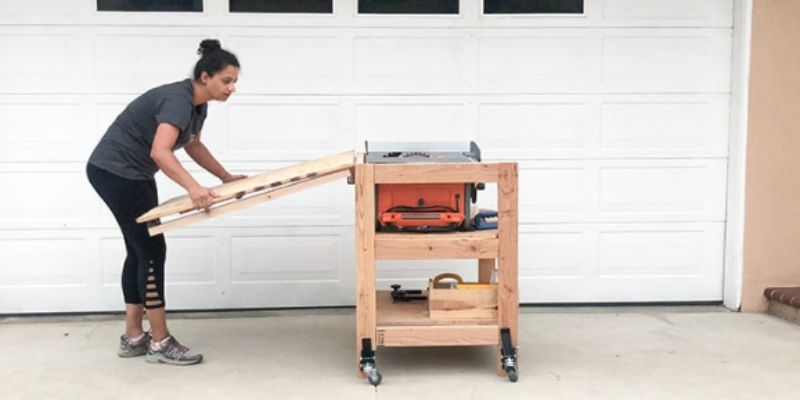
If you’re on a budget or love a good project, building your own dust collection system is rewarding. I’ve tried a few DIY hacks that worked surprisingly well. Here are my favorites:
Cardboard Funnel
I made a simple funnel out of cardboard to fit under my saw’s open bottom. I taped it to the base and attached a shop vac hose to the narrow end. It’s not pretty, but it catches about 80% of the dust. Just make sure it’s sturdy and sealed with duct tape.
Plywood Enclosure
For a more permanent solution, I built a plywood box to enclose the bottom of my saw. I cut a hole for a 2.5-inch hose and sealed the edges with caulk. This setup captures nearly all the dust and looks cleaner than cardboard.
Magnetic Curtains
I used magnetic printer sheets (available at office supply stores) to create a flexible curtain around the blade area. It’s easy to adjust when I tilt the blade and helps direct dust downward to the collector.
These hacks are cheap and effective, but they require some trial-and-error. If you’re not confident in your DIY skills, a store-bought solution might be easier.
My Top Dust Collector Recommendations for Ryobi Table Saws
After testing several options, here are the dust collectors I recommend for Ryobi table saws:
- Ridgid 6-Gallon Shop Vac: Affordable, portable, and powerful enough for small to medium projects. It has a 2.5-inch hose that fits most Ryobi dust ports. I’ve used this for years with great results.
- WEN 1 HP Dust Collector: This is my current setup. It’s a bit pricier but handles large projects with ease. You’ll need a 4-inch to 2.5-inch adapter, but it’s worth it for the suction power.
- Universal Dust Collector Bag: If you’re on a tight budget, a dust bag like the one compatible with Bosch, Dewalt, and Ryobi saws is a solid choice. It’s not perfect, but it’s better than nothing.
- Milescraft Dust Cutter: This is a unique system that fits most table saws and captures over 90% of dust. I haven’t tried it myself, but it gets great reviews for ease of use.
Tips for Maximizing Dust Collection Efficiency
Over the years, I’ve picked up a few tricks to get the most out of my dust collector. Here’s what I’ve learned:
- Use a Zero-Clearance Insert: A zero-clearance throat plate reduces the gap around the blade, forcing more dust downward to the collector. I made one for my saw, and it made a big difference.
- Keep Hoses Short: Long hoses reduce suction. Keep your dust collector as close to the saw as possible.
- Add an Air Filtration System: Even with a good dust collector, some fine dust escapes. I hung an overhead air filter in my shop, and it keeps the air much cleaner.
- Wear a Mask: No dust collector is 100% effective. I always wear a dust mask for extra protection, especially on long cutting sessions.
- Clean Regularly: A clogged filter or full bag kills suction. I check my system before every big project to make sure it’s working at full power.
Common Mistakes to Avoid
I’ve made plenty of mistakes setting up dust collection for my Ryobi table saw. Here are some pitfalls to watch out for:
- Buying a Cheap Dust Bag Without Checking Fit: Not all universal bags fit Ryobi saws perfectly. Double-check the port size before buying.
- Ignoring Fine Dust: A basic shop vac might catch big particles but miss the fine stuff. Invest in a HEPA filter if you can.
- Overloading Your Shop Vac: I burned out a motor once by running my shop vac too long on a big project. If you’re cutting a lot, consider a dedicated dust collector.
- Not Sealing Gaps: If air can leak out, so can dust. Take the time to seal every gap around your saw.
Conclusion
Adding a dust collector to your Ryobi table saw is one of the best upgrades you can make. It transforms your workshop from a dusty mess to a clean, safe space where you can focus on creating. Whether you go for a shop vac, a dedicated dust collector, or a DIY solution, the key is finding a system that fits your saw, your budget, and your woodworking goals. I’ve spent years tweaking my setup, and I can tell you it’s worth every penny and every minute of effort.
A clean shop means more time building, less time cleaning, and better health in the long run. So, grab your tools, pick a dust collector, and get ready to enjoy woodworking like never before. Your lungs—and your spouse—will thank you!
FAQs
What’s the easiest dust collector to use with a Ryobi table saw?
A shop vacuum is the easiest option. It’s affordable, portable, and connects directly to a 2.5-inch dust port. I use a Ridgid 6-gallon shop vac, and it’s super simple to set up and use.
A shop vac works great for small shops or occasional projects. Just make sure you have the right adapter for your saw’s dust port. Empty it regularly to keep the suction strong.
Can I use a dust collector bag instead of a shop vac?
Yes, a dust collector bag is a good budget option. It attaches to the dust port or under the saw and catches most of the sawdust. I tried one, and it caught about 70% of the dust.
However, bags don’t capture fine dust as well as a shop vac or dedicated collector. They’re best for light use or if you’re on a tight budget.
How do I set up dust collection for a Ryobi saw with no dust port?
If your Ryobi saw doesn’t have a dust port, you can use a dust bag or build a DIY solution. I made a cardboard funnel under my RTS21G and hooked it to a shop vac. It worked surprisingly well.
You can also build a plywood enclosure to trap dust. Seal it tightly and add a hose port for your shop vac. It takes some effort, but it’s effective.
Is a dedicated dust collector worth the cost?
For serious woodworkers, absolutely. I upgraded to a 1 HP WEN dust collector, and it handles way more dust than my shop vac ever could. It’s great for big projects and keeps my shop cleaner.
If you’re just doing small projects, a shop vac might be enough. But if you’re cutting a lot of wood, a dedicated collector is a smart investment.
How often should I clean my dust collector?
It depends on how much you use it. I empty my shop vac’s canister after every big project, and I clean the filter every few weeks. For a dedicated dust collector, check the bag or canister weekly if you’re woodworking regularly.
Regular cleaning keeps the suction strong and prevents clogs. It’s a small habit that makes a big difference.