Why is Pressure-Treated Wood Cheaper Than Untreated Wood?
Ever wandered through the aisles of your local hardware store, looking at the stacks of lumber, and wondered why pressure-treated wood often comes with a lower price tag than its untreated counterpart? You’re not alone.
This pricing paradox might seem puzzling at first glance. After all, wouldn’t the additional treatment process add to the cost? Here’s where the fascinating world of wood treatment unfolds, revealing secrets that could change the way you approach your next DIY project.
As you dig deeper into this topic, you’ll uncover the reasons behind the cost difference and discover how choosing the right type of wood can save you money in the long run. Stick around, because understanding these insights could lead to smarter, more cost-effective choices for your home and garden projects.
Production Cost Differences
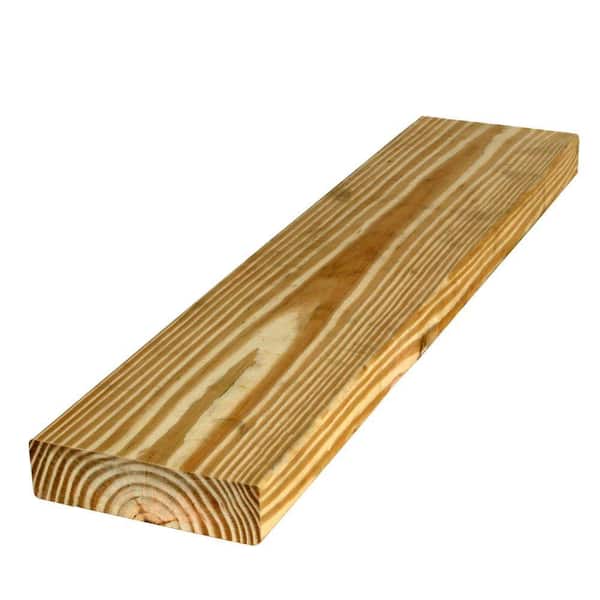
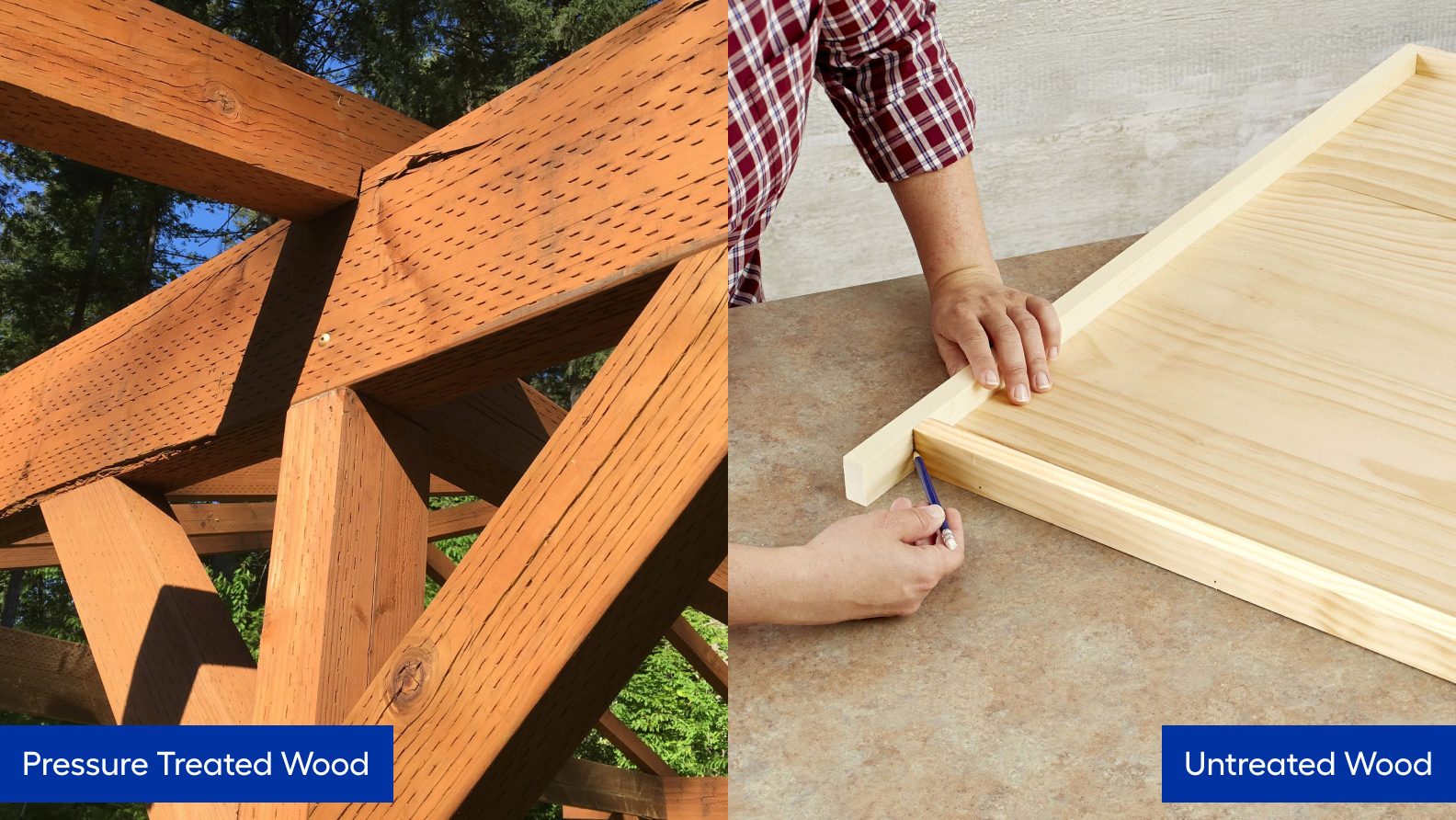
Pressure-treated wood uses special chemicals. These chemicals protect wood from bugs and water. Untreated wood does not have these chemicals. Making treated wood needs extra steps. But, the chemicals are not very expensive. So, treated wood stays cheap. Untreated wood may seem simple. Yet, it can get damaged easily. This makes it cost more over time.
Many companies make pressure-treated wood. They produce lots of it. This helps them save money. It’s cheaper to make many pieces at once. Untreated wood does not need special factories. Yet, treated wood is made in big places. These places cut costs by making lots. This is why treated wood is cheaperthan untreated wood.
Durability And Longevity Factors
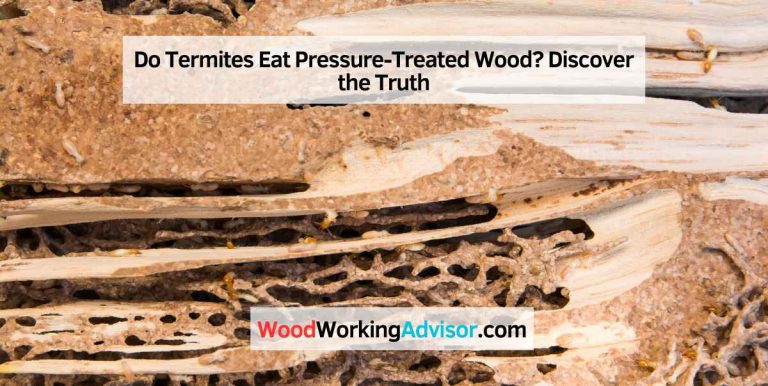
Pressure-treated woodfights against bugs and rot. It has special chemicals. These chemicals protect it from rain and sun. This makes it last longer than regular wood. Regular wood can get eaten by bugs or rot in the rain.
Pressure-treated woodneeds less care. You don’t have to paint it often. Regular wood needs more care. It can crack or change color. This means more work for you. So, pressure-treated wood saves time and money.
Market Demand And Supply
Pressure-treated woodis very popular with people. It lasts longer than untreated wood. People like it because it is strong. It also costs less. This makes it a good choice. Many people buy it for their home projects. Builders prefer it, too. They use it for decks and fences.
The construction industryaffects wood prices. Builders need a lot of wood. More demand means more supply. This keeps prices low. Pressure-treated wood is strong. It is also safe from bugs and rot. Builders trust this wood for big projects. It is often cheaper than untreated wood. This helps builders save money.

Credit: www.saltcitydecks.com
Economic Impacts
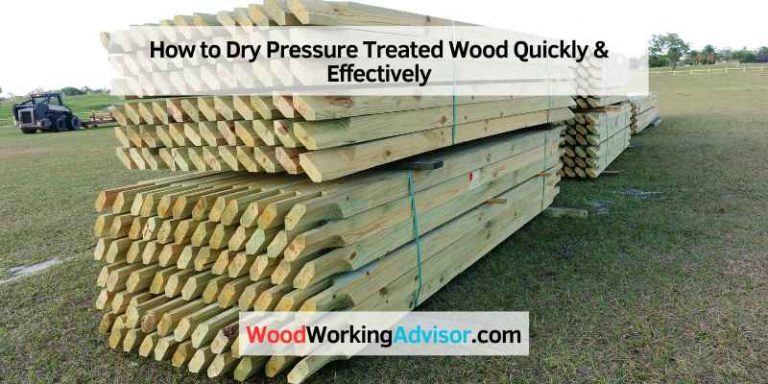
Pressure-treated woodis often cheaper for big projects. It resists rot and bugs. This means it lasts longer. Builders save money on repairs. They don’t need to replace wood often. This makes it a smart choice for large jobs. Buying in bulk lowers costs even more. Many builders choose it for this reason. It’s a budget-friendly option.
This wood is easy to find. Many stores stock it. This makes it convenient for buyers. It’s also widely available. Untreated wood can be harder to find. Stores may not have it in stock. But pressure-treated wood is always ready. This makes it a popular choice. People like having easy access to materials. It helps projects start on time.
Environmental Considerations
Credit: www.thehandymansdaughter.com
Untreated wood is natural and raw. It comes straight from trees. Treated wood goes through a special process. This process makes it last longer. The chemicals used in treated wood help protect it. But these chemicals can harm the environment. They might leak into the soil.
Treated wood can save trees. It lasts longer, so fewer trees are cut. Untreated wood may need replacing sooner. This means more trees are needed. Using less wood helps the planet. But treated wood’s chemicals must be handled carefully. The choice affects nature.
Cutting trees for wood uses natural resources. Untreated wood uses more trees over time. Treated wood lasts longer, saving trees. But making treated wood uses energy. It also uses chemicals from the earth. Both types of wood affect the environment. Each has a different impact on resources. Choosing wisely helps nature.
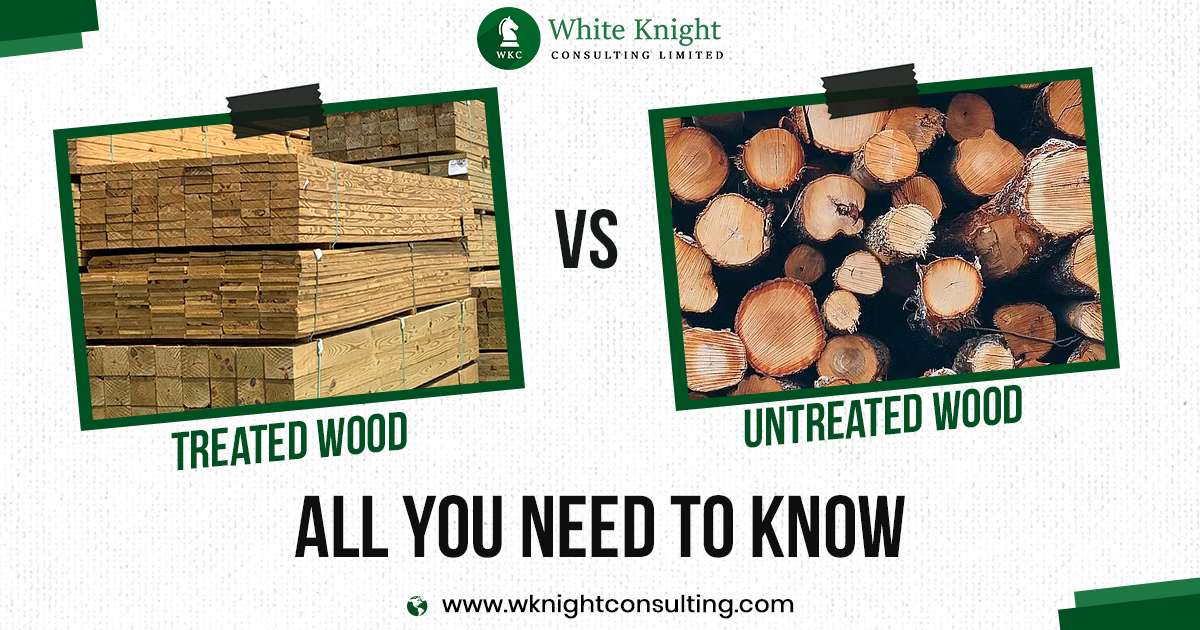
Credit: wknightconsulting.com
Frequently Asked Questions
Why Is Pressure-treated Wood More Affordable?
Pressure-treated wood is cheaper due to its mass production and widespread availability. The treatment process allows for bulk manufacturing, reducing costs. Additionally, pressure-treated wood often uses less expensive softwoods, further lowering its price compared to untreated hardwoods.
Does Pressure-treated Wood Last Longer Than Untreated?
Yes, pressure-treated wood lasts longer because it resists decay and insect damage. Chemicals used in treatment protect the wood from harsh environmental elements. This durability ensures a longer lifespan than untreated wood, making it a cost-effective choice for many projects.
Is Pressure-treated Wood Safe For Indoor Use?
Pressure-treated wood can be used indoors but with caution. Ensure it’s properly sealed to prevent chemical exposure. It’s commonly used for structural purposes rather than furniture. Always check safety guidelines and consider alternatives for sensitive indoor applications.
Can Untreated Wood Be More Durable?
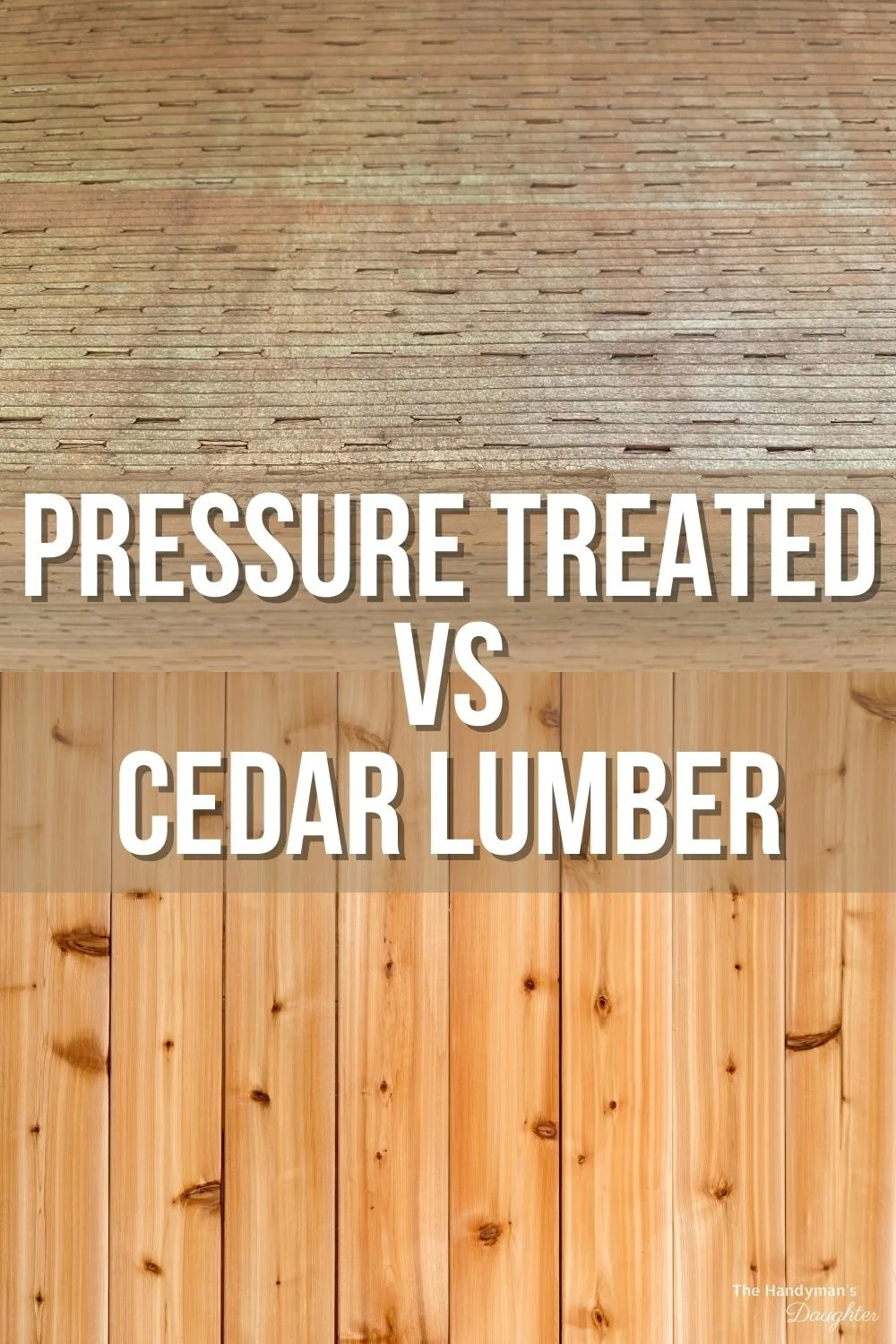
Untreated wood can be durable if naturally resistant types are chosen. Hardwoods like cedar or teak offer natural resistance to elements. However, they’re often more expensive than pressure-treated options and may require regular maintenance for prolonged durability.
Conclusion
Pressure-treated wood often costs less than untreated wood. This is due to its longer lifespan and lower maintenance needs. Treated wood resists rot and pests better, reducing replacement costs. It’s a practical choice for outdoor projects. Untreated wood may need frequent care, increasing expenses over time.
Consider your project needs. Think about environment exposure and future care. Opt for treated wood for budget-friendly and durable results. Making informed choices saves money and effort. Evaluate your priorities before buying. Choose wisely for lasting benefits.