How to Use a Wood Stove Efficiently
Run a wood stove efficiently by keeping flames hot and active, keeping the flue clean, and holding stove-top temperatures in the manufacturer’s target range. Reduce air only after the load is fully burning. Poor control wastes wood, makes smoke and creosote, and can overheat or stall the stove. This guide shows how to read flame behavior, smoke, and temperature, then adjust fuel load and air settings for cleaner heat.
What you need before lighting up
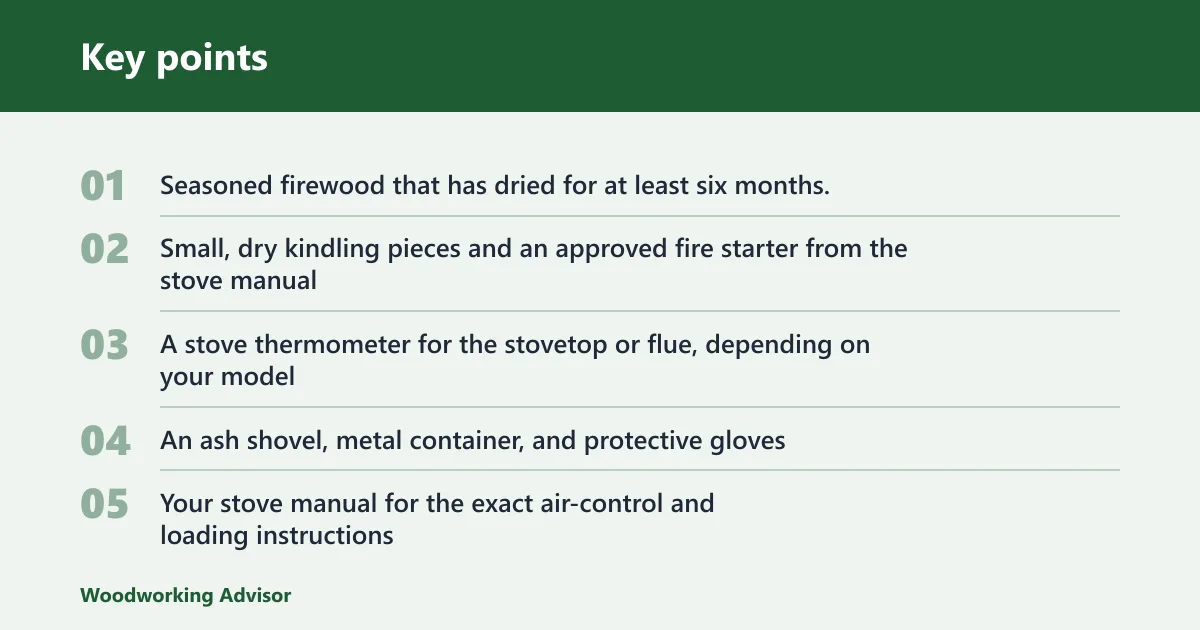


Efficient burning starts with the right fuel and a few basic tools. Seasoned firewood, small dry kindling, and a stove thermometer matter more than forced starting tricks. Keep ash tools and gloves close so you can adjust the stove without stopping the burn.
- Seasoned firewood that has dried for at least six months, and longer if your species or climate demands it
- Small, dry kindling pieces and an approved fire starter from the stove manual
- A stove thermometer for the stovetop or flue, depending on your model
- An ash shovel, metal container, and protective gloves
- Your stove manual for the exact air-control and loading instructions
What seasoned wood changes
Seasoned firewood has lower moisture content, so it makes less smoke, burns hotter, and lights more predictably. Wet wood makes heavy smoke and creosote buildup, which hurts efficiency and raises safety risk. Pine also tends to produce more soot than many other woods.
How do you light the stove safely?
Open the air controls fully, build a small starter load, and keep the door closed as the manual directs. The goal is a strong, steady flame that warms the flue quickly and prevents smoke spillage. Do not leave the stove unattended with the door cracked open.
Light the first load in a controlled way
- Set the primary air intake fully open and open any secondary air supply as directed by the manual.
- Arrange small bits of dry softwood kindling so air can move through the pile.
- Add the approved fire starter the manual allows.
- Light the starter and close the door only as instructed.
- Wait for the flame to become bright and active before changing settings.
A warm flue improves startup because draft pulls smoke upward. A cold flue can stall ignition, so a weak first flame often means you need more time, not less air reduction.
How to tell the startup is working
Healthy startup flames look lively, not lazy. Smoke should thin quickly once draft is established. If you see dense black smoke, the wood is wet or contaminated, and the fire is not burning efficiently.
How do you build heat without wasting wood?
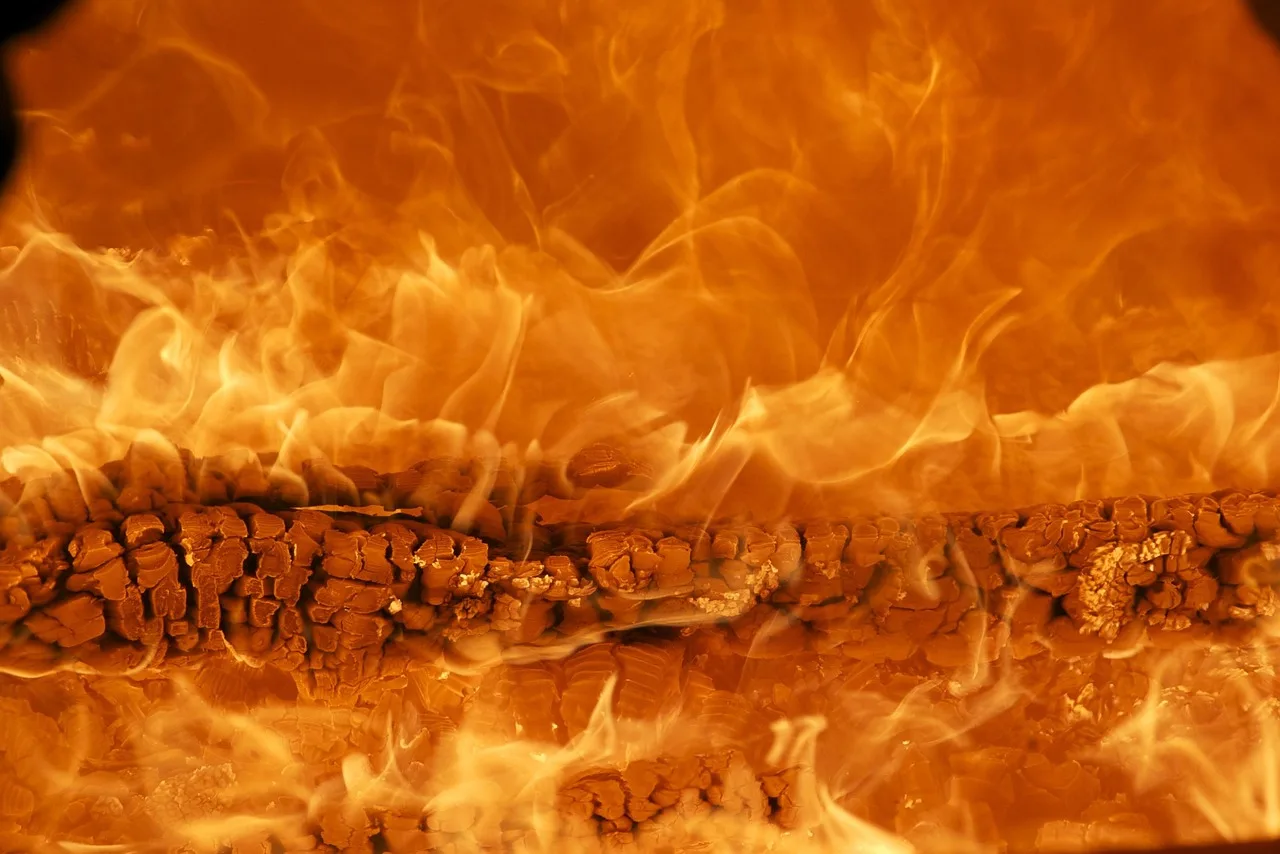
Build heat by keeping flame active and adding larger logs only after the first load is established. Trim the air in small steps, not big jumps. If you close the air too soon, the fire smolders, smoke increases, and heat output falls even though more wood is still being consumed.
Step up the log size gradually
- Start with kindling and one small split.
- Once the small load is fully burning, add one medium log.
- When that log has strong flame on its edges, add larger logs if the firebox still has room.
- After each addition, recheck the flame and thermometer before closing the air further.
Say your stove lights cleanly, then the flames turn lazy after one large log is added. The fix is not more fuel at once. Stop overloading the firebox early, and return to smaller splits until the firebox temperature rises again.
Use the thermometer as a control, not decoration
A stove thermometer helps you avoid smoldering and runaway heat. If the fire is active but the thermometer stays low, the load is too damp, too large, or short on air. If heat climbs too fast, reduce air in small steps and watch for stable flame rather than smoke.
How do you make the burn cleaner?
Cleaner burns come from dry fuel, the right log size, a thin ash bed, and controlled air. Secondary air helps finish gases after the fire is hot enough, but it cannot fix wet wood or a smothered load. Keep the fire bright enough to burn smoke before it exits the stove.
Keep ash in the useful range
There should be around 1 inch of ash at the bed of the stove. That thin layer insulates the firebed and helps with lighting. Too much ash restricts airflow and can weaken combustion, so remove buildup as needed with an ash tool. A regular vacuum is unsuitable for ash removal.
Let the stove burn, not smolder
Smoldering means fuel is being heated without enough oxygen for clean combustion. It usually shows up as dirty glass, heavy smoke, and a reluctant flame. Open the air before the fire slips into that state, then bring the load back into a hotter burn zone.
Wood stove efficiency diagnostic checklist
Use this table when flame behavior, smoke, or stove temperature look wrong. Match the symptom first, then correct the likely cause before adding more fuel.
| Symptom | Likely cause | Immediate fix | Prevention |
|---|---|---|---|
| Dense black smoke | Wet or contaminated wood | Open air controls fully and switch to seasoned fuel | Store wood under cover and burn dry splits only |
| Weak draft | Cold flue or restricted chimney | Keep the air fully open and warm the flue with a small hot start | Preheat the stove and keep the chimney clean |
| Glass sooting | Low heat, wet wood, or too little air | Increase air and burn a hotter load | Use dry wood and avoid long smoldering periods |
| Fire dying after 20 minutes | Fuel too small, too wet, or air reduced too early | Reopen air and rebuild with dry kindling and a small split | Reduce air only after the load is fully established |
| Excessive ash | Long run without cleanup | Remove ash until about 1 inch remains | Check ash depth during regular use |
| Overheating | Too much air or too much dry fuel packed tightly | Trim air in small steps and stop overloading the firebox | Use the thermometer and add logs gradually |
| Slow warmup | Cold flue, oversized splits, or weak starter load | Use smaller dry kindling and keep air fully open longer | Build a quick-start base before larger logs |
| Lazy yellow flames | Not enough oxygen for full combustion | Open the primary air intake more | Adjust in smaller steps instead of cutting air sharply |
| Smoke spilling into the room | Draft has not established | Stop loading, open air fully, and follow the manual | Warm the flue before expecting steady draft |
| Rapid fuel loss | Air too high for the stage of the fire | Reduce air once the fire is established | Match air settings to lighting, cruising, or reload stage |
| Heavy soot in the firebox | Incomplete combustion over time | Run a hotter, cleaner burn and inspect the flue | Clean on schedule and avoid long low-air burns |
Lighting-stage actions
| Fire stage | Ideal action |
|---|---|
| Lighting | Open air fully, use small dry kindling, and keep the load compact enough for fast ignition |
| Establishment | Keep the fire active, then trim air only after flames are strong and steady |
| Cruising | Hold a lively flame with reduced air and watch the thermometer for the cleaner burn zone |
| Reload | Add one or two logs at a time, then return the air to a higher setting until the new load catches |
What if the stove smokes or smolders?
If the stove smokes or smolders, check draft and flue warmth first, then open the air before smoke builds. Smoke that lingers or pushes into the room usually means the fire is not getting enough oxygen or the chimney is too cold. Stop and follow the manual if smoke spills indoors.
If that didn’t work, try this next
- Confirm the flue and chimney are clear of buildup.
- Use smaller, drier fuel and rebuild the starter load.
- Check whether ash is blocking airflow at the bed of the stove.
- Inspect the chimney and stove for cleaning needs if the problem repeats.
Suppose a beginner loads two large splits, closes the air early, and sees gray smoke at the flue. The fix is to reopen the air, let the fire recover, and return to smaller fuel until flames are strong and the smoke thins.
Why creosote matters
Creosote forms from incomplete combustion and builds in the flue or chimney. Wet wood and low heat make it worse. That buildup steals draft, lowers efficiency, and creates a safety hazard, so a smoky burn is a maintenance issue, not just a visual one.
How often should you clean a wood stove to keep it efficient?
Clean the stove regularly during the heating season, and give it a thorough cleaning at the beginning and end of the season. Soot, ash, and creosote reduce airflow and heat transfer. If glass soots quickly or the stove starts to run lazily, the cleaning interval is too long.
What to clean
- Remove excess ash whenever it rises above a thin bed
- Inspect the firebox, glass, and door seals during the season
- Check the flue and chimney on the schedule your manual recommends
- Plan a full seasonal cleaning before first use and after the final fire
Common mistakes
Most efficiency losses come from a few repeat errors. They are easy to avoid once you match the stove’s stage to the right air setting and fuel size.
- Closing the air too soon and forcing the fire into smoke
- Using wet or oversized fuel at startup
- Letting ash pile too high and choke airflow
- Packing the firebox early instead of building heat in stages
- Ignoring a cold flue and expecting draft to appear on its own
Wood stove inserts and enclosed stoves usually give you more controlled airflow than an open fireplace. That control makes them better for room heating and for moving heat through the home, but only if you keep the fire hot enough to burn cleanly.
Frequently asked questions
How to most efficiently use a wood burning stove
Use the stove in stages: full air for lighting, then a gradual reduction once the fire is established, then small reloads as needed. Keep about 1 inch of ash, clean the flue on schedule, and avoid loading oversized logs before the box is hot.
What wood stove settings make a fire burn hotter and cleaner
For a hotter, cleaner burn, start with the air fully open, then reduce it only after the load is burning strongly. Use the primary air intake to establish the fire and rely on secondary air once the stove is hot enough for cleaner combustion.
What should I do if my wood stove is making too much smoke?
Open the air controls, check that the fuel is seasoned, and confirm the flue is warm enough to draft. If smoke spills into the room, stop loading, keep the door shut as the manual directs, and follow the manufacturer’s procedure for a draft problem.
Sponsored / affiliate links. As an Amazon Associate I earn from qualifying purchases. I may earn additional commission from eligible campaigns.