Wood Filler Vs Glue And Sawdust: Ultimate Comparison Guide
Are you stuck trying to fix those pesky wood imperfections but can’t decide whether to use wood filler or the classic glue and sawdust combo? You’re not alone.
This common dilemma can make all the difference in your DIY projects. Imagine achieving a flawless finish on your wooden masterpiece, only to realize that one wrong choice could compromise its durability or appearance. You’ll discover the pros and cons of wood filler versus glue and sawdust, helping you make an informed decision for your next woodworking task.
Get ready to transform your projects with confidence!
Wood Filler Basics
Wood filler is a popular choice for repairing damaged wood. It fills gaps, cracks, and holes. Wood fillers can restore the appearance of your wooden items. Understanding the basics helps in choosing the right product.
Composition And Types
Wood fillers are made from different materials. Common ingredients include wood fibers, binders, and solvents. There are two main types: water-based and solvent-based fillers. Water-based fillers dry faster and are easy to clean. Solvent-based fillers are more durable and water-resistant.
Application Methods
Applying wood filler is simple. First, clean the surface of dust and debris. Use a putty knife to spread the filler into the damaged area. Press firmly to ensure it fills the gap completely. Allow it to dry according to the product instructions. Once dry, sand the area until it’s smooth.
Advantages Of Wood Fillers
Wood fillers offer several benefits. They provide a smooth finish that blends with the wood. They are available in various colors to match different wood types. Wood fillers can be painted or stained. They are also easy to use, even for beginners.

Credit: www.reddit.com
Glue And Sawdust Mixture
Choosing between wood filler and a glue and sawdust mixture depends on the project. Wood filler provides a smooth finish and is ideal for large gaps. Glue and sawdust offer a natural look, perfect for smaller repairs, blending seamlessly with the wood.
Glue and sawdust can be an effective solution for wood repairs. This mixture is a simple and cost-effective way to fill gaps or cracks in wood surfaces. It offers a versatile alternative to store-bought wood fillers, especially for DIY enthusiasts. Learn how to create this mixture, its benefits, and common uses.
How To Create The Mixture
Start by gathering sawdust from the same type of wood. This ensures a consistent color match. Mix the sawdust with wood glue in a small container. Stir until the mixture reaches a thick, paste-like consistency. It should be sticky and easy to mold. Adjust the ratio as needed for your project. Apply the mixture to the wood surface with a putty knife. Smooth it out to match the surrounding wood. Let it dry completely before sanding or finishing.
Benefits Of Using Glue And Sawdust
This mixture is customizable to your needs. It can match the wood’s color perfectly. It offers strong adhesion and fills gaps well. Use it for small repairs without buying new products. The mixture is eco-friendly, using leftover materials. It dries quickly and is easy to apply.
Common Uses
Repair small dents or scratches on wooden furniture. Fill gaps between boards on wooden floors. Use it for woodworking projects needing small corrections. It works well for filling nail holes and minor imperfections. Builders use it for quick fixes on-site. It’s handy for restoring old furniture or wooden decor.
Performance Comparison
When tackling woodworking projects, you’ve likely encountered the debate between using wood filler versus glue and sawdust. Understanding how these two options stack up in terms of performance can make a big difference in your work. Let’s dive into their performance comparison, focusing on durability, ease of use, and aesthetic finish.
Durability And Strength
Durability is crucial in any wood repair. Wood filler is designed to endure, offering a strong bond that’s less prone to cracking over time. It’s engineered to withstand the test of time and environmental changes.
Glue and sawdust, while a traditional remedy, might not offer the same resilience. It can shrink or crack as the wood expands and contracts. Have you ever noticed small gaps appearing after a season? That’s a common issue with glue and sawdust.
In terms of strength, wood filler often provides a tougher surface. It’s like giving your project an extra layer of armor. So, consider how much wear and tear your project will face.
Ease Of Use
Wood filler is straightforward. It’s ready to go right out of the package. You simply apply it, let it dry, and sand it down. This simplicity makes it appealing, especially for quick fixes.
On the other hand, mixing glue with sawdust requires precision. If you’ve ever tried it, you know it can be messy. Achieving the right consistency can be tricky. Have you ever ended up with a sticky mess that took forever to clean?
Think about your comfort level with DIY projects. If ease of use is your priority, wood filler might be your best friend.
Aesthetic Finish
For a seamless look, wood filler can be tinted to match the surrounding wood. It blends in well, providing a smooth finish that’s ideal for visible repairs. You can paint or stain it to perfection.
Glue and sawdust can be harder to camouflage. Even with careful mixing, it might look patchy. Have you ever found yourself staring at a repair that just doesn’t blend in?
If you’re aiming for a polished appearance, consider the finish. Which option aligns with your aesthetic goals?
Each method has its strengths and weaknesses. As you weigh your choice, think about your project’s specific needs and your skill level. Your decision could make all the difference in the final outcome.
Cost Analysis
Comparing wood filler with glue and sawdust reveals cost differences. Wood filler often costs more but offers convenience. Glue and sawdust, while cheaper, require more preparation time. Each option has its own balance of cost and effort, influencing your project choice.
Analyzing the cost of wood filler versus glue and sawdust is crucial when deciding which option suits your woodworking needs. The financial aspect can be a determining factor, especially if you’re on a tight budget or working on a large project. Understanding the price differences and evaluating long-term value can help you make an informed decision.
###
Price Comparison
When comparing the upfront costs, wood filler often comes with a higher price tag. A small container can range from $5 to $15, depending on the brand and quality. On the other hand, if you already have glue and sawdust available in your workshop, combining these could be virtually free.
I once found myself in a pinch during a home renovation project. Running low on budget, I opted for glue and sawdust to fill some gaps. It was a cost-effective choice, but it required more effort to mix and apply.
However, if you’re buying glue specifically for this purpose, consider the cost of a bottle of wood glue, typically around $3 to $10. Sawdust, generally a byproduct of woodworking, is often considered an added bonus at no extra cost.
Long-term Value
While initial costs are important, long-term value plays a significant role in decision-making. Wood filler is designed for durability and often provides a smoother, more professional finish. This can save you time and money in the long run by reducing the need for repairs.
Imagine you’re working on a piece of furniture that will see a lot of use. Would you want to risk using an improvised filler that might not hold up? Wood filler may initially cost more, but its reliability can offer peace of mind.
In contrast, glue and sawdust can be a practical solution for temporary fixes or less visible areas. However, their durability might not match that of commercial wood fillers. Consider if the project requires strength and longevity or if it’s something more flexible.
What does your project demand? Weighing the cost against the lifespan of your repair can guide you to the most practical choice.
Environmental Impact
Understanding the environmental impact of wood filler and glue mixed with sawdust is crucial. These products can affect the planet differently. Knowing their sustainability can guide eco-friendly decisions.
Sustainability Considerations
Wood fillers often contain synthetic compounds. These can be harmful to the environment. They may release toxins during production. Disposal can add to pollution.
Glue and sawdust use natural materials. This mixture relies on recycled wood. It reduces waste by repurposing sawdust. A more sustainable option than synthetic fillers.
Eco-friendly Alternatives
Choose water-based wood fillers. These have fewer chemicals. They are safer for the environment. Brands offer biodegradable options.
Consider homemade mixtures. Mix glue with sawdust. It reduces waste. Limits reliance on synthetic products. Promotes recycling and sustainability.
Explore plant-based adhesives. These are less toxic. They provide a green alternative. Support environmentally conscious choices.

Credit: www.reddit.com
User Preferences
Choosing between wood filler and glue with sawdust involves understanding their applications. Wood filler is ideal for filling gaps and cracks, offering a smooth finish. Glue mixed with sawdust works well for smaller repairs, providing strong adhesion. Each has its benefits depending on the repair needs.
When it comes to choosing between wood filler and glue mixed with sawdust, user preferences can vary widely. Some people swear by the professional finish of wood filler, while others find the rustic charm of glue and sawdust more appealing. Preferences often depend on the task at hand, personal experiences, and the desired outcome.
DIY Enthusiast Views
DIY enthusiasts often favor glue and sawdust for its simplicity and cost-effectiveness. Mixing sawdust with glue can be a satisfying process, giving you control over the texture and color. You might enjoy experimenting with different wood types to match your project.
Imagine fixing a wooden chair at home. You notice a small chip in the leg and decide to try glue and sawdust. The blend matches the chair’s grain perfectly, giving a seamless finish. Many hobbyists appreciate this hands-on approach. It’s a way to connect deeply with your craft.
Do you think glue and sawdust could bring out the artisan in you?
Professional Insights
Professionals often prefer wood filler for its reliability and ease of use. Wood filler is formulated to bond tightly and resist cracking. It’s ideal for projects demanding precision, like cabinetry or flooring.
Consider a furniture restorer working on an antique table. They choose wood filler for its consistent finish and durability. It saves time and ensures a professional look. This choice reflects the need for efficiency and quality in professional settings.
Could wood filler be the key to achieving your project’s polished finish?
User preferences reveal the intriguing balance between cost, convenience, and quality. Whether you lean towards DIY methods or professional products, your choice impacts the final result. Which option aligns with your vision for your next woodworking project?
Tips For Best Results
Choosing between wood filler and glue mixed with sawdust depends on the repair’s needs. Wood filler offers a smooth finish and is ideal for visible areas. Glue and sawdust are perfect for filling larger gaps, providing a strong bond and natural look.
Consider the project’s demands for best results.
When tackling woodworking projects, achieving a seamless finish is often the goal. Whether you opt for wood filler or a glue and sawdust mixture, understanding how to use each method effectively can make all the difference. Here are some practical tips to ensure you get the best results in your woodworking endeavors.
Choosing The Right Product
Selecting between wood filler and a glue and sawdust mix depends on your specific needs. Wood filler is ideal for larger gaps or holes. It comes pre-mixed and ready to use, saving you time.
On the other hand, creating a paste with glue and sawdust is perfect for matching the wood’s color. This method allows for a more customized appearance, especially if you’re using the same sawdust from your project. Consider the size and visibility of the repair when making your choice.
Application Techniques
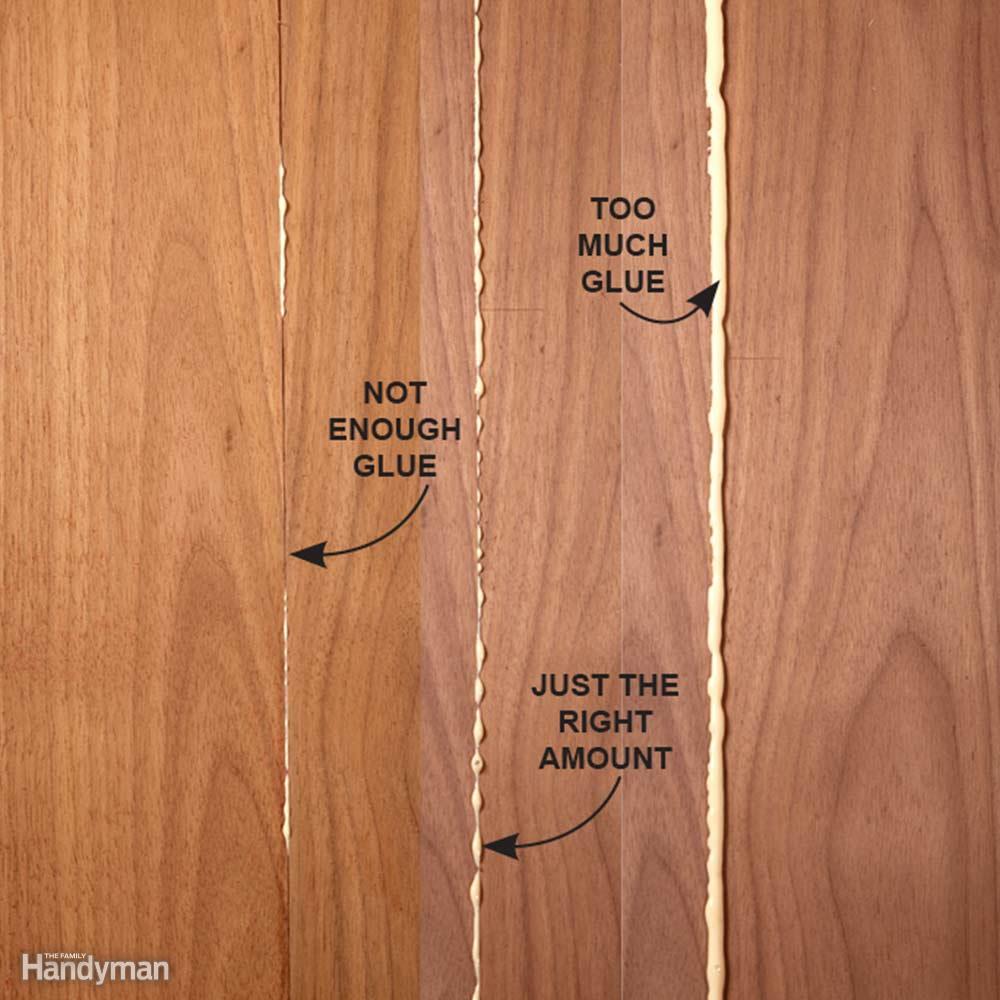
Applying wood filler is straightforward. Use a putty knife to press the filler into the hole or gap. Ensure it’s slightly overfilled to allow for sanding down to a smooth finish once dry.
When using glue and sawdust, mix them to a thick paste. Apply with a small spatula or even your finger for precision. This mix is best for smaller defects or when blending into the wood grain is essential.
Remember, less is more. You can always add more if needed, but removing excess can be tricky.
What has been your experience with these methods? Have you found one particularly effective in specific scenarios? Your insights could help others make the best choice for their project.
Credit: nickcornwell.weebly.com
Frequently Asked Questions
Is Wood Filler Better Than Sawdust And Glue?
Wood filler offers a smoother finish and is easier to work with than sawdust and glue. It provides better durability and color matching for repairs. Sawdust and glue can be cost-effective but may not blend seamlessly. Choose wood filler for professional results and sawdust for quick, small fixes.
When Should You Not Use Wood Filler?
Avoid using wood filler on flexible surfaces or areas needing structural support. It doesn’t bond well with damp wood.
Can Sawdust Be Used As A Wood Filler?
Yes, you can use sawdust as a wood filler by mixing it with wood glue. This creates a paste that fills gaps and cracks effectively. Ensure the sawdust matches the wood’s color for a seamless finish. This method is cost-effective and eco-friendly.
What Is The Ratio Of Wood Glue To Sawdust?
Mix wood glue and sawdust in a ratio of 1:1. Adjust based on desired consistency. Ensure the mixture is thick enough to fill gaps or cracks effectively.
Conclusion
Choosing between wood filler and glue with sawdust depends on your project. Wood filler offers a smooth finish, great for visible repairs. Glue and sawdust mix is budget-friendly and works well for hidden fixes. Consider your repair needs and budget before deciding.
Both options have their strengths. Wood filler provides a professional look. Glue and sawdust mix can save money. Evaluate what suits your project best. Each method has its place in woodworking. Remember to test on a small area first. This ensures the best results.
Happy woodworking!