Wood vs Metal Which Is Better for Raised Garden Beds?
Picking the right material for your raised garden beds can feel a bit tricky when you’re just starting out. You’ve probably wondered, “Wood vs Metal Which Is Better for Raised Garden Beds?” and felt a little unsure about the best choice for your garden dreams. Don’t worry, it’s a common question, and we’re here to make it super simple.
We’ll break down the pros and cons of each, helping you pick the perfect fit without any confusion. Get ready to learn what makes each material great and how to decide what’s best for you.
Wood vs Metal Which Is Better For Raised Garden Beds
When you’re planning your garden, one of the first big decisions you’ll make is what to build your raised beds out of. Raised beds are fantastic because they help with drainage, warm up the soil faster in spring, and make gardening easier on your back. But the big question for many gardeners is whether to go with wood or metal.
Both have their fans and their drawbacks, and the best choice really depends on what you’re looking for in terms of cost, looks, durability, and how much work you want to put in. Let’s explore each option.
Wood Raised Garden Beds
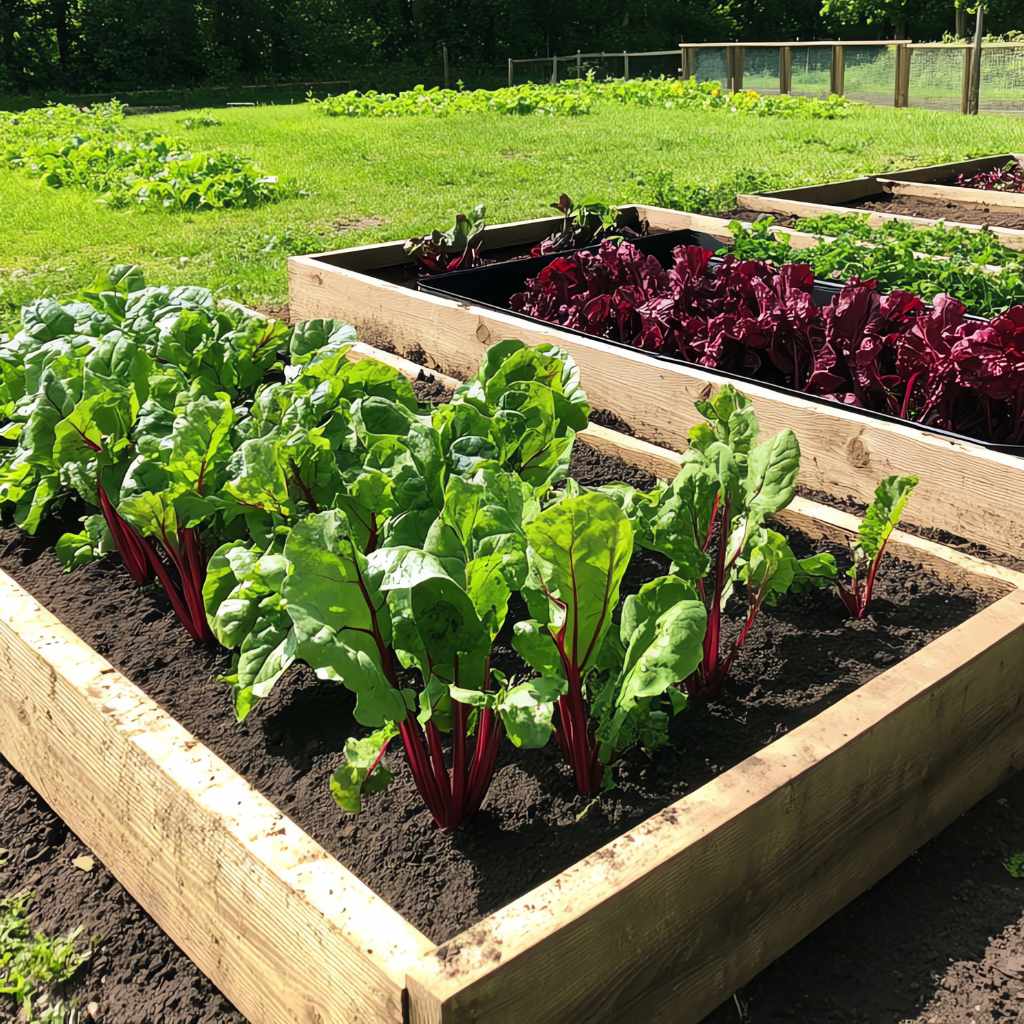
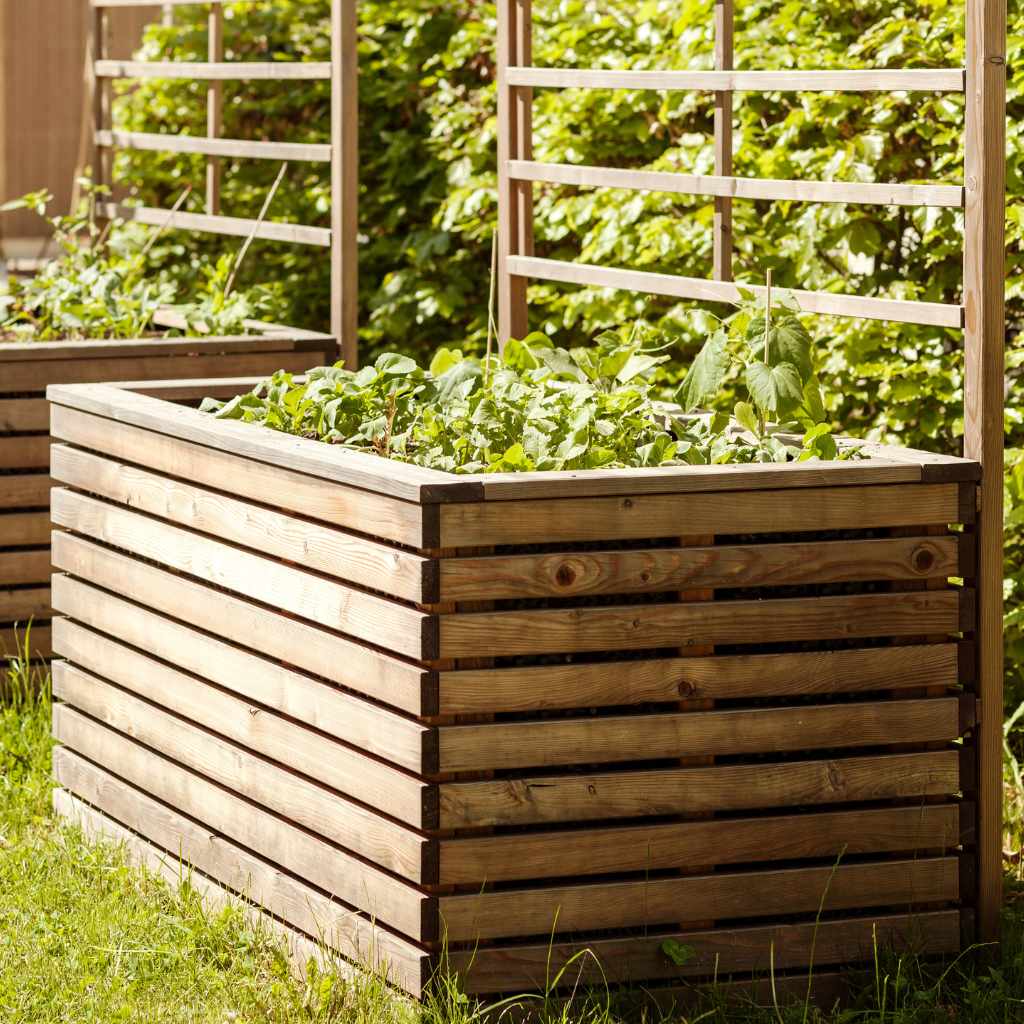
Wood has been a popular choice for garden beds for a long time, and for good reason. It has a natural, classic look that blends well into most garden settings. It’s also often seen as a warmer, more inviting material than cold metal.
Pros of Wood Raised Beds
- Aesthetic Appeal Wood offers a natural, rustic, or traditional look that many gardeners prefer. It can enhance the beauty of your garden space.
- Cost-Effectiveness In many cases, wood can be more affordable upfront than metal options, especially if you’re using readily available lumber.
- Ease of Customization Wood is very easy to work with. You can cut it, shape it, and assemble it into almost any size or configuration you can imagine with basic tools.
- Insulation Properties Wood provides some insulation, which can help protect plant roots from extreme temperature fluctuations in both hot and cold weather.
- Availability Lumber is widely available at most home improvement stores and lumber yards.
Cons of Wood Raised Beds
- Durability and Lifespan This is often the biggest concern with wood. Untreated wood will eventually rot and degrade, especially when in constant contact with soil and moisture. This means you might need to replace it sooner than metal beds.
- Treatment Concerns Some treated lumber contains chemicals that some gardeners worry about leaching into the soil and affecting their edible plants. While modern treatments are generally considered safe, it’s a point of concern for many. You can opt for naturally rot-resistant woods or untreated wood and accept a shorter lifespan.
- Maintenance Wood can require maintenance like sealing or staining to prolong its life and maintain its appearance.
- Pest and Disease Susceptibility Wood can be susceptible to termites, carpenter ants, and fungal diseases, which can shorten its lifespan.
- Warping and Cracking Over time, wood can warp, crack, or split due to exposure to sun, rain, and freeze-thaw cycles.
Types of Wood for Raised Beds
Not all wood is created equal when it comes to building raised garden beds. Some types naturally resist rot and insects better than others. When choosing wood, consider these options:
- Cedar Cedar is a popular choice because it’s naturally resistant to rot and insects. It’s a bit more expensive than pine but can last much longer, often 10-20 years or more.
- Redwood Similar to cedar, redwood is also naturally durable and resistant to decay. It’s another excellent, though often pricier, option.
- Cypress Cypress is another naturally rot-resistant wood found in some regions. It offers good durability for outdoor projects.
- Douglas Fir or Pine (Untreated) These are more affordable options but will not last as long as cedar or redwood if left untreated. They might only last 3-5 years before significant degradation.
- Pressure-Treated Lumber This lumber has been treated with chemicals to resist rot and insects. For edible gardens, look for ACQ (alkaline copper quaternary) or other newer, safer treatments. However, many gardeners still prefer to avoid treated wood for food crops.
Metal Raised Garden Beds
Metal raised garden beds have gained a lot of popularity in recent years, often offering a modern, sleek look. They are known for their durability and low maintenance.
Pros of Metal Raised Beds
- Exceptional Durability and Lifespan Metal beds, especially those made from galvanized steel or corrugated metal, are incredibly strong and can last for many years, often 20 years or more, without significant degradation.
- Low Maintenance Once installed, metal beds require very little upkeep. They won’t rot, warp, or crack like wood.
- Pest Resistance Metal is not susceptible to pests like termites or rodents, which can be a problem for wooden beds.
- Quick Assembly (for some kits) Many metal raised bed kits are designed for relatively quick and easy assembly.
- Modern Aesthetic Metal offers a contemporary, clean look that can complement modern landscape designs.
- Good Heat Conduction Metal can absorb and retain heat from the sun, warming the soil within the bed. This can be beneficial in cooler climates or for extending the growing season.
Cons of Metal Raised Beds
- Cost Metal raised beds can often be more expensive upfront than basic wooden beds, especially for higher-quality materials or larger sizes.
- Heat Conduction (can be a con) While good for warming soil, metal can also get very hot in direct sun, potentially overheating plant roots in extremely hot climates. You might need to take extra steps to mitigate this, like mulching or watering more frequently.
- Potential for Rusting (depending on material) While galvanized or powder-coated steel resists rust, some cheaper metal options might rust over time, especially at joints or where the coating is scratched.
- Sharp Edges Some metal beds can have sharp edges, requiring caution during assembly and use.
- Less Natural Look The modern aesthetic of metal might not appeal to everyone and may not fit a rustic or natural garden theme.
- Can be Noisy Some metal beds can make noise if hit or when the wind blows across them, especially corrugated types.
Types of Metal for Raised Beds
The type of metal used significantly impacts the appearance, durability, and cost of raised garden beds.
- Galvanized Steel This is the most common type. Steel is coated with a layer of zinc to prevent rust. It’s durable and widely available. Look for thicker gauges (lower number) for greater strength.
- Corrugated Metal Often galvanized steel formed into corrugated panels, this material is strong and has a distinct industrial look.
- Corten Steel (Weathering Steel) Corten steel develops a stable, rust-like appearance over time that is protective and aesthetically pleasing to many. It’s very durable but can be more expensive.
- Aluminum Lighter than steel and naturally rust-proof, aluminum is a durable option. It can be more expensive than galvanized steel and might dent more easily.
- Metal Panels with Powder Coating Some metal beds feature a powder-coated finish over steel, offering a different aesthetic and an extra layer of protection against the elements.
Comparing Wood vs Metal: Which Is Better for Raised Garden Beds
To help you decide, let’s break down the key differences in a table. This should give you a quick overview of how wood and metal stack up against each other for various factors.
| Feature | Wood Raised Beds | Metal Raised Beds |
|---|---|---|
| Aesthetic | Natural, classic, rustic | Modern, industrial, sleek |
| Durability (Lifespan) | 3-20+ years (depending on wood type and treatment) | 20+ years (especially galvanized or Corten steel) |
| Cost (Upfront) | Generally lower to moderate | Moderate to high |
| Maintenance | Requires sealing/staining, may need replacement sooner | Very low, generally no maintenance needed |
| Ease of Installation/Customization | Easy to cut and build from scratch, very customizable | Kits are often easy to assemble, less customizable in shape/size |
| Pest Resistance | Can be susceptible to termites, rot | Highly resistant |
| Heat Management | Provides some insulation | Can get very hot in direct sun; may require extra mulching |
| Environmental Impact | Renewable resource, but treated wood can be a concern; decomposition is natural | Durable, can be recycled, but manufacturing has energy costs |
Factors to Consider When Choosing
When you’re making your choice between wood and metal, think about these key points:
- Your Budget How much are you willing to spend right now? Wood can be a more budget-friendly starter option, while metal might be a longer-term investment.
- Your Garden Style Do you want a natural, earthy look or something more modern and clean? Your garden’s overall design might sway your decision.
- Your Climate If you live in a very hot area, you’ll need to manage heat in metal beds more carefully. In areas with lots of moisture, wood’s rot resistance becomes a bigger factor.
- Your DIY Skills and Time If you love building things, custom wood beds can be a fun project. If you prefer quick assembly and minimal upkeep, metal kits might be better.
- What You’re Growing If you’re growing a lot of food and are concerned about chemicals, choosing untreated wood or a specific type of treated wood is important.
- Longevity Expectations How long do you want your garden beds to last? Metal generally wins in terms of lifespan.
Frequently Asked Questions
Question: Which material is best for vegetable gardens?
Answer: For vegetable gardens, both wood and metal can work well. Many gardeners prefer untreated wood or naturally rot-resistant woods like cedar for vegetable beds to avoid any potential chemical leaching into the soil. Metal beds are also a great, durable option and don’t pose chemical concerns.
Question: How long does a wooden raised garden bed typically last?
Answer: An untreated pine or fir wooden raised garden bed might last 3-5 years. A bed made from cedar or redwood can last 10-20 years or even longer, especially if maintained. Pressure-treated wood can also last a long time, but there are chemical considerations for some gardeners.
Question: Can metal raised garden beds get too hot for plants?
Answer: Yes, metal beds can absorb a lot of heat from the sun and can get quite hot. In very hot climates, this can stress plant roots. Using a thick layer of mulch, watering regularly, and choosing lighter-colored metal can help reduce heat absorption.
Question: Is it safe to use treated lumber for raised garden beds?
Answer: Modern pressure-treated lumber uses treatments like ACQ, which are generally considered safer than older CCA treatments. However, some gardeners still prefer to avoid treated lumber altogether for edible gardens. If you use it, ensure it’s approved for ground contact and consider adding a barrier like heavy plastic sheeting between the wood and the soil if you have concerns.
Question: Which option is easier for a beginner gardener to set up?
Answer: Metal raised bed kits are often designed for very easy assembly and are a great choice for beginners who want a quick setup with minimal tools. Building simple wooden beds can also be straightforward if you have basic carpentry skills and tools.
Final Thoughts
Deciding between wood and metal for your raised garden beds comes down to what matters most to you. If you love the natural look and enjoy the process of building and customizing your garden elements, wood might be your go-to, especially if you choose durable species like cedar or redwood. Just be prepared for potential maintenance and a shorter lifespan with less durable woods.
On the other hand, if you’re looking for a long-lasting, low-maintenance solution with a clean, modern appearance, metal is an excellent choice. You get great durability and pest resistance. Think about your budget, the amount of time you want to spend on upkeep, and the aesthetic you’re aiming for.
Whichever material you choose, raised garden beds will offer you a wonderful way to grow more, with less bending and better soil control. So, pick the material that best fits your gardening style and get ready to enjoy a bountiful harvest.