Wooden Calculator Stand: DIY Plans for a Tidy Desk
In today’s busy world, staying organized is very important. One way to do this is with a Wooden Calculator Stand. This simple tool can help you in many ways.
What is a Wooden Calculator Stand?
Best for Wooden Calculator Stand
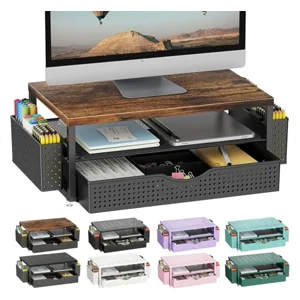 |
gianotter Desk Organizers and Accessories, Monitor Stand with Drawer and 2 Pen H – $19.99 A real, in-stock pick matching what this guide is about.
|
A Wooden Calculator Stand is a small stand made of wood. It holds your calculator in place. This stand keeps your calculator at a good angle. You can see and use it better.
Benefits Of Using A Wooden Calculator Stand
- Improves Organization
- Enhances Productivity
- Adds Aesthetic Value
- Ergonomically Designed
Improves Organization
Clutter can make it hard to focus. A Wooden Calculator Stand helps keep your desk neat. It holds your calculator in one place. You can find it easily when you need it.
Enhances Productivity
When your calculator is easy to see and reach, you work faster. You don’t waste time looking for it. The stand keeps it right where you need it.
Adds Aesthetic Value
Wood looks beautiful. A Wooden Calculator Stand adds a touch of nature to your desk. It makes your workspace look more pleasant.
Ergonomically Designed
The stand holds your calculator at an angle. This angle is good for your hands and eyes. You can use your calculator without bending or straining.
Materials and Tools You’ll Need
You don’t need a full workshop to build a simple Wooden Calculator Stand. A short list of materials and basic hand tools is enough for a solid first attempt.
Wood Options
- Plywood (1/2″ or 3/4″): Inexpensive, stable, and resists warping. A good choice if this is your first build.
- Pine: Soft and easy to cut, sand, and glue. Budget-friendly and forgiving of small mistakes.
- Hardwood offcuts (walnut, oak): More durable and better-looking on a desk, but harder on tool blades and less forgiving to sand by hand. A good option if you already have scrap pieces left over from another project.
Tools Checklist
- Tape measure and pencil
- Speed square or protractor (for marking the angled back piece)
- Hand saw, miter saw, or jigsaw
- Sandpaper in 100, 150, and 220 grit
- Wood glue and bar or spring clamps
- Wood finish: stain, polyurethane, or wax
- Safety glasses
How to Build a Simple Wooden Calculator Stand (Step-by-Step)
Dimensions to Consider
Before cutting anything, measure your own calculator’s width, depth, and the thickness of its base. Most standard desktop calculators are between 6 and 8 inches wide, so a base around 5 inches deep and slightly wider than the calculator gives enough support without the stand looking oversized on the desk.
Step-by-Step Assembly
- Cut the base. This is the flat piece the calculator will rest on — roughly 5″ deep and 1″ wider than your calculator.
- Cut the angled back piece. A back angle of about 100 to 115 degrees from the base gives a comfortable viewing and typing angle for most desktop calculators. Mark the angle with a speed square or protractor before cutting.
- Cut a small front lip. A thin strip, about 1/4″ to 3/8″ tall, glued along the front edge of the base keeps the calculator from sliding off when you press the keys.
- Sand every piece before assembly. Work through 100, then 150, then 220 grit, and ease any sharp edges and corners.
- Dry-fit the pieces. Set the base, back, and lip together without glue and rest your actual calculator on it to confirm the angle and fit feel right.
- Glue and clamp. Apply wood glue to the mating edges, clamp the joints, and wipe away any squeeze-out immediately with a damp cloth. Let it cure per the glue’s instructions — typically 30 to 60 minutes clamped, with a full 24-hour cure before heavy use.
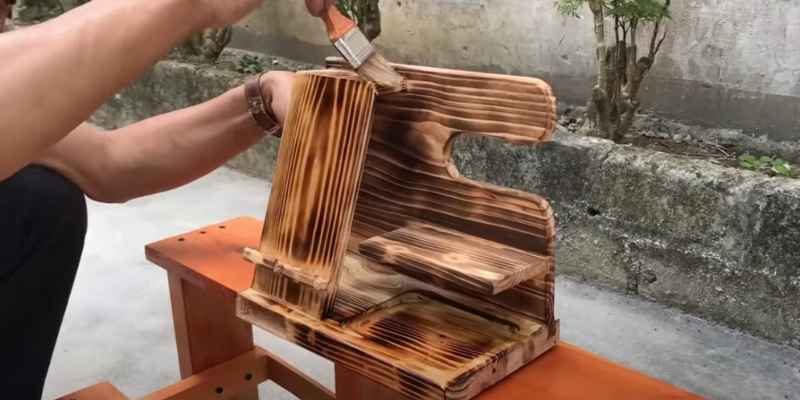
- Final sand and finish. Once cured, lightly sand the whole stand again to blend the joints, then apply your chosen finish.
Types of Wooden Calculator Stands
There are many types of Wooden Calculator Stands. Here are some popular ones:
| Type | Feature |
|---|---|
| Basic Stand | Simple and functional |
| Adjustable Stand | Can change the angle |
| Stand with Drawer | Has a small drawer for storage |
| Eco-Friendly Stand | Made from recycled wood |
Basic Stand
This is the simplest type. It holds your calculator in place. It is easy to use and works well.
Adjustable Stand
This stand lets you change the angle. You can adjust it to the angle you like best. This makes it even more comfortable to use.
Stand With Drawer
This stand has a small drawer. You can store pens, paper clips, or other small items in it. This helps keep your desk even more organized.
Eco-friendly Stand
This stand is made from recycled wood. It is good for the environment. It looks great and helps protect our planet.
Finishing Options for Your Stand
The right finish protects the wood and changes how the stand looks on your desk. A few common options:
- Stain or Danish oil: Brings out the wood grain and adds warm color. Wipe on, let it sit a few minutes, then wipe off the excess.
- Polyurethane: A wipe-on or brushed poly gives the most protection against spills and daily handling. Apply two to three thin coats, sanding lightly with fine-grit paper between coats.
- Beeswax or furniture wax: A low-fuss, low-odor finish that leaves a natural matte look. It’s easy to reapply but offers less protection than poly.
- Unfinished: Leaving pine or plywood raw is an option for a quick build, though the wood will show fingerprints, dust, and moisture over time.
Common Mistakes to Avoid When Building a Calculator Stand
- Guessing the angle. An angle that’s too shallow or too steep will let the calculator slide off when you press the keys. Test the angle with your actual calculator before gluing.
- Leaving glue squeeze-out. Excess glue that dries on the surface will block stain and show up as light blotches. Wipe it off with a damp cloth right after clamping.
- Skipping sanding grits. Jumping straight to fine sandpaper leaves saw marks underneath. Work through the grits in order — coarse, medium, then fine.
- Using wood that’s too thin. Stock thinner than about 1/2″ can flex or wobble under normal use. Stick to 1/2″ or 3/4″ material for the base and back.
- Not measuring your specific calculator. Desktop calculators vary in width and base thickness, so a stand sized for a different model may not sit flush.
How to Choose the Right Wooden Calculator Stand
Choosing the right stand depends on your needs. Here are some tips to help you decide:
- Consider Your Desk Space
- Think About Your Needs
- Look at the Design
- Check the Material
Consider Your Desk Space
Look at your desk. How much space do you have? A smaller stand may be better if your desk is small.
Think About Your Needs
Do you need a drawer for storage? Do you want to adjust the angle? Choose a stand that meets your needs.
Look At The Design
Choose a design that you like. The stand should look good on your desk. It should match your style.
Check The Material
Make sure the stand is made of good quality wood. It should be strong and durable. This way, it will last a long time.
Where to Buy a Wooden Calculator Stand
You can buy a Wooden Calculator Stand online or in stores. Here are some places to look:
- Online Marketplaces
- Office Supply Stores
- Handmade Goods Stores
Online Marketplaces
Websites like Amazon and eBay have many options. You can read reviews and compare prices.
Office Supply Stores
Stores like Staples and Office Depot often have these stands. You can see them in person before you buy.
Handmade Goods Stores
Stores like Etsy have unique, handmade stands. These are often one-of-a-kind and very special.
Frequently Asked Questions
What Is A Wooden Calculator Stand?
A wooden calculator stand is a holder designed for calculators, made from wood.
Why Use A Wooden Calculator Stand?
It offers a stylish, sturdy, and eco-friendly way to hold your calculator.
How To Maintain A Wooden Calculator Stand?
Clean it with a damp cloth and avoid harsh chemicals.
Is A Wooden Calculator Stand Durable?
Yes, high-quality wooden stands are durable and long-lasting.
What Is The Best Wood For A Diy Calculator Stand?
Pine and plywood are easiest for beginners, while hardwood offcuts like oak or walnut make a sturdier, better-looking stand for a bit more effort.
What Angle Should A Calculator Stand Be?
Most desktop calculators sit comfortably at 100 to 115 degrees measured from the base. Test the angle with your own calculator before gluing the joint.
How Long Does It Take To Build A Wooden Calculator Stand?
A basic stand can be cut, glued, and sanded in under an hour. Plan for another 24 hours of glue curing time before adding a finish.
Do I Need Power Tools To Build One?
No. A hand saw, sandpaper, wood glue, and clamps are enough for a basic stand, though a miter saw makes cutting the angled back piece faster and more precise.
Conclusion
A Wooden Calculator Stand is a great addition to any workspace. It helps keep your desk organized. It improves your productivity. It adds a touch of beauty to your desk.
Whether you choose a basic stand, an adjustable one, or one with a drawer, you will find it very useful. Take your time to choose the right one for you. Enjoy a more organized and pleasant workspace with a Wooden Calculator Stand.
Sponsored / affiliate links. As an Amazon Associate I earn from qualifying purchases. I may earn additional commission from eligible campaigns.