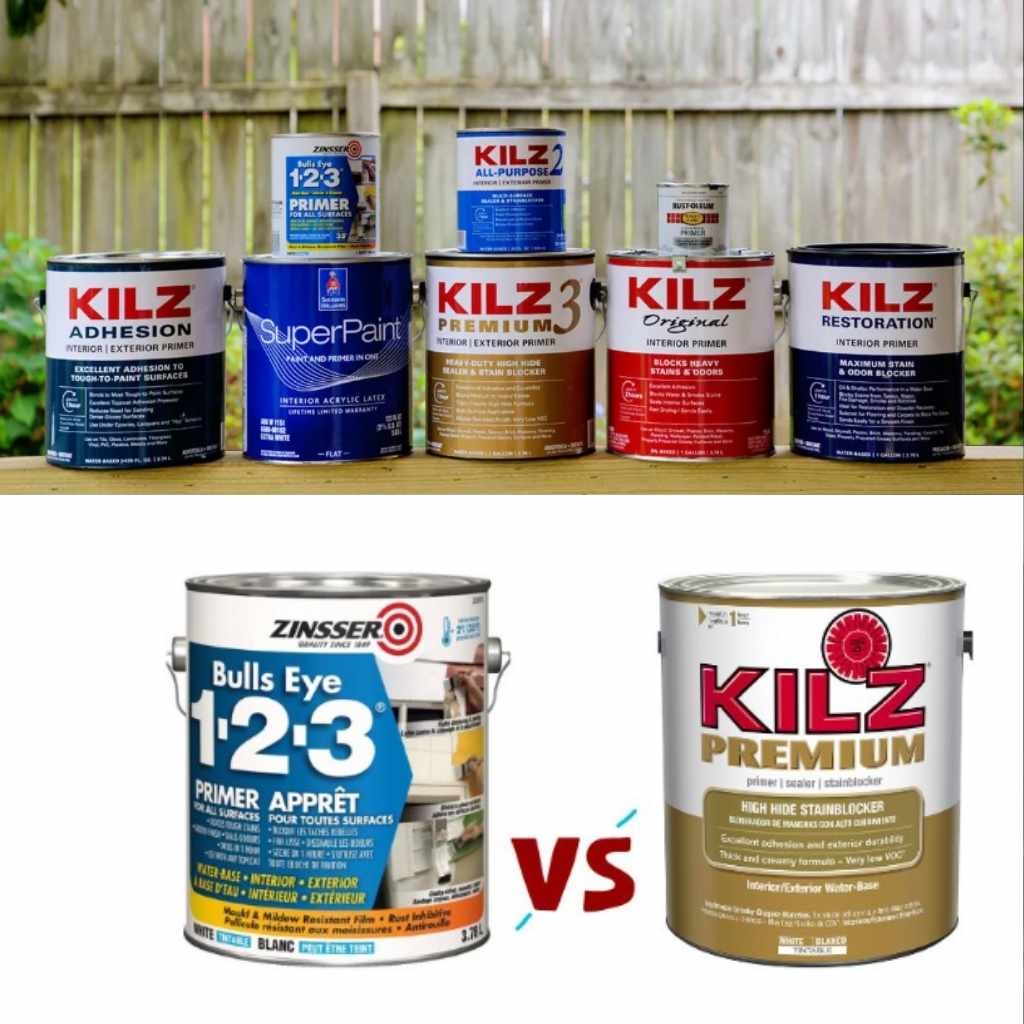
Zinsser 123 Vs Kilz: Ultimate Primer Showdown Revealed!
Choosing the right primer can make or break your painting project. When you’re faced with options like Zinsser 123 and Kilz, it’s easy to feel stuck.
Which one will save you time, cover better, and give you a lasting finish? You want a product that works well on your walls, saves you money, and keeps your home looking fresh for years. Keep reading, and you’ll discover the key differences that help you pick the perfect primer for your needs.
This guide will clear up the confusion and make your next paint job smoother than ever.
Primer Basics
Understanding primer basics helps choose the right product for any painting job. Primers prepare surfaces for paint. They improve paint adhesion and provide a uniform base color. Using the correct primer boosts durability and finish quality.
Both Zinsser 123 and Kilz are popular primer brands. Each offers unique benefits depending on your project needs. Knowing primer purpose and types guides you in selecting the best option.
Purpose Of Primers
Primers seal porous surfaces like wood and drywall. This stops paint from soaking in unevenly. They block stains, odors, and tannins from bleeding through paint layers. Primers help paint stick better and last longer. Without primer, paint may peel or chip easily.
Types Of Primers
Primers come in several types for different surfaces and conditions. Latex primers work well on drywall and wood. Oil-based primers are good for blocking stains and sealing surfaces. Shellac primers dry fast and cover tough stains. Some primers are multi-purpose, handling various surfaces and issues. Choosing the right type ensures proper coverage and adhesion.
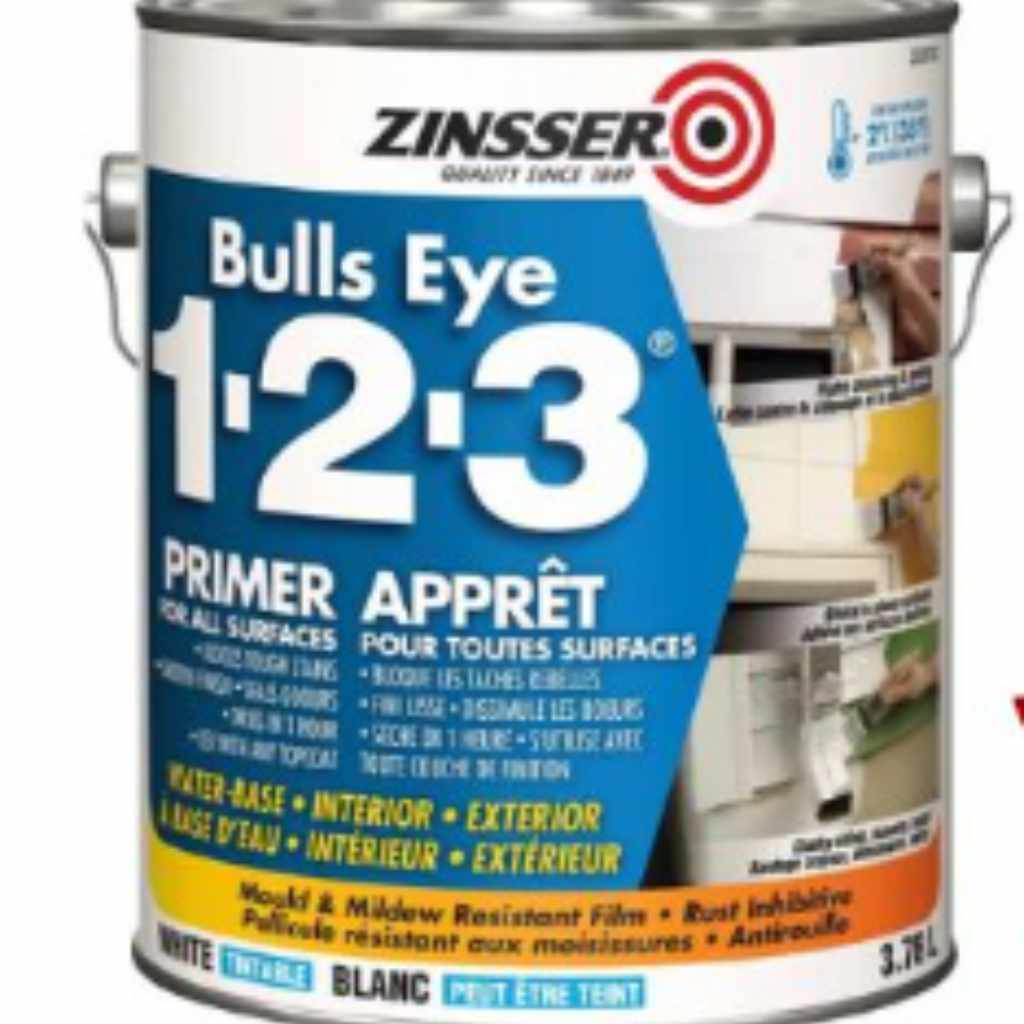
Zinsser 123 Features
Zinsser 123 is a popular primer known for its reliable performance. It suits many painting projects and offers several useful features. Understanding these features helps choose the right primer for your needs.
This section explains the main features of Zinsser 123, focusing on ingredients, surface compatibility, drying time, durability, and coverage.
Key Ingredients
Zinsser 123 uses a blend of acrylic and alkyd resins. This mix provides strong adhesion and good stain blocking. The formula is water-based, making it easy to clean with soap and water. It contains low levels of volatile organic compounds (VOCs), which means less odor and safer indoor use.
Surface Compatibility
Zinsser 123 works well on many surfaces. It sticks to wood, drywall, plaster, and metal. It also covers glossy surfaces like tile and glass. This primer seals porous surfaces and blocks stains from water, smoke, and grease. It is suitable for both interior and exterior projects.
Drying Time
Zinsser 123 dries quickly to save time. It becomes dry to touch in about 30 minutes. You can apply a second coat or paint over it in one hour. Fast drying helps complete projects faster without long waiting periods.
Durability And Coverage
Zinsser 123 offers durable protection that lasts. It resists peeling, cracking, and blistering. The primer covers stains and marks well with just one coat. It spreads evenly and hides surface imperfections. This primer provides a strong base for your topcoat.
Kilz Primer Highlights
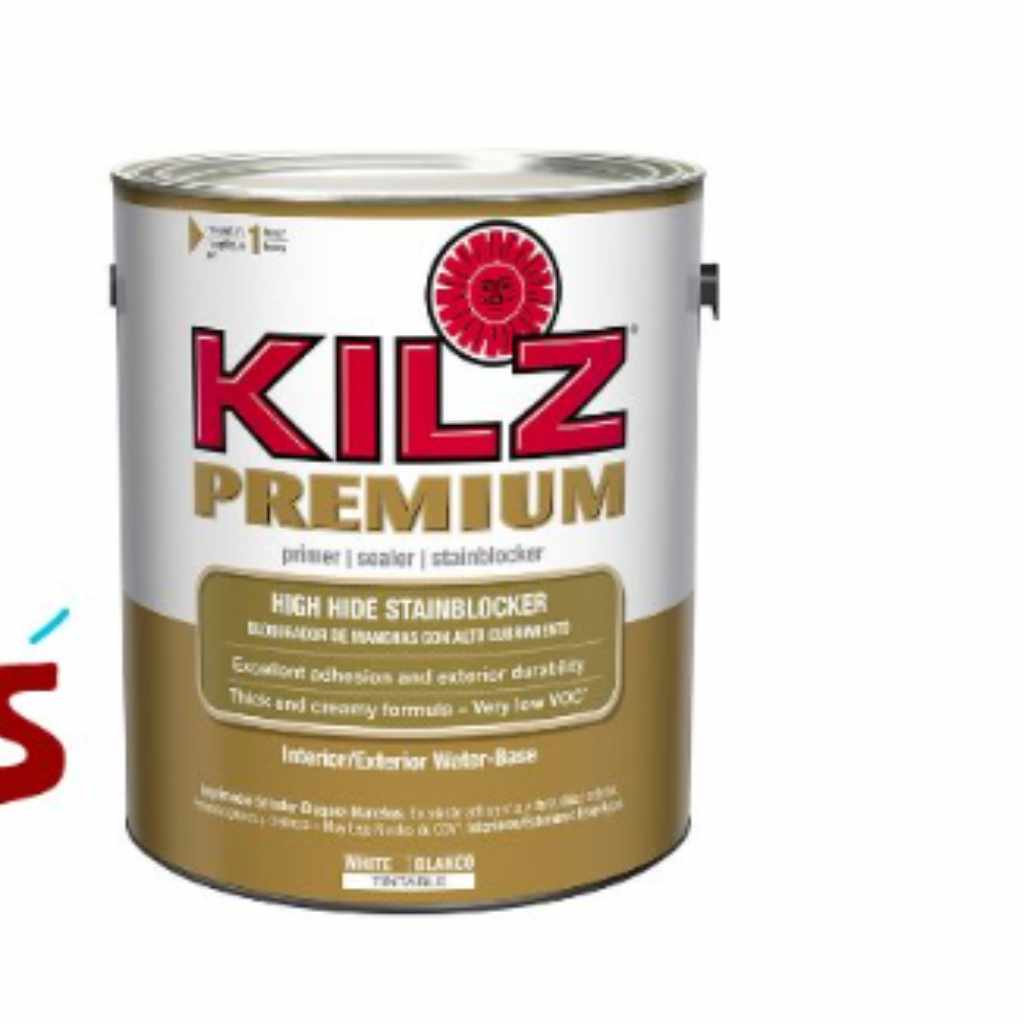
Kilz primer offers strong features for many painting projects. It works well on different surfaces and helps paint stick better. This primer also blocks stains and odors, making it useful in tough spots.
Below are key points about Kilz primer to help you understand its benefits.
Formula Breakdown
Kilz primer uses a water-based formula that is low in odor. It contains binders to hold paint firmly on surfaces. The formula blocks stains from water, smoke, and markers effectively. It also contains mildew-resistant agents to protect walls.
Ideal Surfaces
This primer works on drywall, wood, plaster, and masonry. It seals porous surfaces and covers old paint well. Kilz is great for areas with stains or odors. It is also suitable for indoor and outdoor use.
Drying And Curing
Kilz dries to the touch in about 30 minutes. You can paint over it in 1 hour. Full curing takes up to 7 days for the best results. Fast drying helps save time on painting projects.
Longevity And Protection
Kilz primer creates a strong base that lasts for years. It stops stains from bleeding through new paint. The mildew-resistant formula keeps surfaces cleaner longer. This primer helps paint maintain its color and adhesion.
Performance Comparison
Comparing the performance of Zinsser 123 and Kilz helps you choose the right primer. Both brands offer good quality, but their strengths differ. This section breaks down key features to see how each primer performs.
Adhesion Strength
Zinsser 123 sticks well to various surfaces, including wood and metal. It creates a solid base for paint, reducing peeling risks. Kilz also offers strong adhesion but works best on drywall and porous surfaces. For tough surfaces, Zinsser 123 has a slight edge.
Stain Blocking Ability
Zinsser 123 blocks stains effectively, including water, smoke, and ink. It seals stains tightly to prevent bleed-through. Kilz is famous for blocking tough stains like grease and tannin. Both perform well, but Kilz handles severe stains better.
Mold And Mildew Resistance
Zinsser 123 has mildewcide that protects painted surfaces from mold growth. It works well in humid areas like bathrooms. Kilz also offers mold and mildew resistance but is better suited for damp environments. For strong protection, Kilz may be preferable.
Odor And Voc Levels
Zinsser 123 features low odor and low VOC formula. It dries quickly and is safer for indoor use. Kilz primers vary; some have stronger smells and higher VOCs. Zinsser 123 is better for sensitive noses and eco-friendly projects.
Application Tips
Applying primer correctly makes a big difference in your paint job. Both Zinsser 123 and Kilz work best with the right steps. Follow these tips to get smooth, even coverage that lasts.
Surface Preparation
Clean the surface well before you start. Remove dust, dirt, and grease. Sand rough spots to create a smooth base. Fix any holes or cracks with filler. Let the surface dry completely before priming.
Application Techniques
Stir the primer thoroughly for an even mix. Use a high-quality brush or roller for best results. Apply thin, even coats to avoid drips. Allow each coat to dry fully before adding another. For large areas, use a sprayer to save time.
Cleanup And Safety
Clean brushes and tools with soap and water right after use. Keep the work area well-ventilated to reduce fumes. Wear gloves and a mask to protect your skin and lungs. Store leftover primer in a cool, dry place for future use.
Cost And Availability
Understanding the cost and availability of Zinsser 123 and Kilz helps you plan your project better. Both products serve similar purposes but differ in pricing and where you can buy them. This section breaks down these differences clearly.
Price Comparison
Zinsser 123 usually costs a bit more than Kilz. The price depends on the size of the container you choose. For example, a quart of Zinsser 123 might be around $15 to $20. Kilz often sells for $10 to $15 per quart. Prices can change based on the store or online seller. Buying larger sizes often lowers the cost per ounce.
Both products offer good value, but Kilz fits better in a tight budget. Zinsser 123 may appeal if you want a product with more features. Checking prices at different places can help you find the best deal.
Where To Buy
You can find Zinsser 123 and Kilz at major home improvement stores. Stores like Home Depot and Lowe’s usually carry both brands. Many local hardware stores stock these primers too. Both products are easy to find in most cities.
Online shopping sites like Amazon and Walmart also sell them. Online options give you the chance to compare prices quickly. Some sellers offer free shipping or discounts. This makes buying online convenient and affordable.
Availability may vary by location. Calling your local store before visiting can save time. Both products are popular and widely stocked.
User Reviews And Feedback
User reviews offer real insights into how Zinsser 123 and Kilz perform in everyday use. These honest opinions help paint a clear picture of each product’s strengths and weaknesses. Understanding what actual users say can guide you to the right choice for your project.
Pros From Customers
Many users praise Zinsser 123 for its excellent coverage. It blocks stains well and dries quickly. Customers find it easy to apply with a smooth finish. Kilz is favored for its strong stain-blocking power too. Users mention it works well on tough surfaces. Both brands receive positive notes for reducing odors during use. People appreciate the durability of the paint once it dries. Many say these primers save time by requiring fewer coats.
Common Complaints
Some users find Zinsser 123 a bit thick, making it hard to spread in tight spots. A few mention it can take longer to dry in humid conditions. Kilz sometimes gets criticized for a strong smell that lingers longer. Some customers report needing more than one coat to cover dark stains fully. A few users say the paint can peel over time on certain surfaces. Both products occasionally get feedback about difficulty in cleaning brushes after use.
Choosing The Right Primer
Choosing the right primer is important for a successful painting project. Different primers work best on different surfaces and conditions. Picking the right one helps paint stick better and last longer.
Zinsser 123 and Kilz are popular primers, but they serve different purposes. Understanding your project needs helps you decide which primer fits best.
Project Type Considerations
Consider the surface you want to paint. Zinsser 123 works well on wood, drywall, plaster, and even metal. Kilz is often chosen for walls, ceilings, and surfaces with stains.
For covering stains like smoke or water marks, Kilz usually performs better. Zinsser 123 offers strong adhesion and sealing properties. Choose based on the surface condition and what you want to achieve.
Environmental Factors
Think about where the project is located. Humid or damp areas need a primer that resists mold and mildew. Kilz has options made for moisture resistance.
Zinsser 123 is a good choice for indoor use with low odor and quick drying. Both primers work in various temperatures, but check the label for best results.
Proper primer selection protects your paint job from environmental damage over time.
Frequently Asked Questions
What Are The Main Differences Between Zinsser 123 And Kilz?
Zinsser 123 is a water-based primer with excellent adhesion, while Kilz is known for oil-based and specialty primers. Zinsser 123 dries faster and has low odor. Kilz offers superior stain-blocking but may take longer to dry. Both seal surfaces effectively but suit different project needs.
Which Primer Is Better For Interior Walls, Zinsser 123 Or Kilz?
Zinsser 123 is ideal for interior walls due to low odor and quick drying. Kilz can be used indoors but may have stronger fumes. For easy application and faster project completion, Zinsser 123 is often preferred for interior use.
Can Zinsser 123 And Kilz Block Stains Effectively?
Yes, both Zinsser 123 and Kilz block stains well. Kilz is often praised for superior stain-blocking on tough stains like smoke and water damage. Zinsser 123 also performs well on common stains with less odor and faster drying time.
Is Zinsser 123 Or Kilz More Eco-friendly?
Zinsser 123 is more eco-friendly as it is water-based with low VOCs. Kilz includes oil-based options with higher VOC levels, which can impact indoor air quality. For environmentally conscious projects, Zinsser 123 is the better choice.
Conclusion
Choosing between Zinsser 123 and Kilz depends on your project needs. Zinsser 123 offers strong adhesion and quick drying. Kilz provides excellent stain blocking and odor control. Both primers work well on various surfaces. Consider your surface type and desired finish.
Testing a small area can help decide. Either option ensures better paint coverage. Trust your preference for ease and performance. The right primer improves your paint’s look and durability.