2-Stage vs Single-Stage Air Compressor: PSI, CFM Compared
A two-stage air compressor compresses air twice with cooling in between, reaching 175+ PSI at a 100% duty cycle, while a single-stage unit compresses once, tops out near 120-135 PSI, and is rated for only 50-70% continuous use. Push a single-stage past that duty cycle and the pump overheats and wears out early. This guide covers the real PSI and CFM numbers, which woodworking tools each type can actually run, and when the upgrade is worth the extra cost.
What’s the Real Difference Between Single-Stage and Two-Stage Compression?
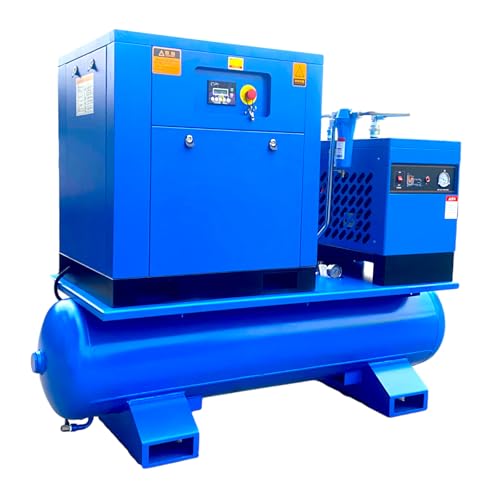
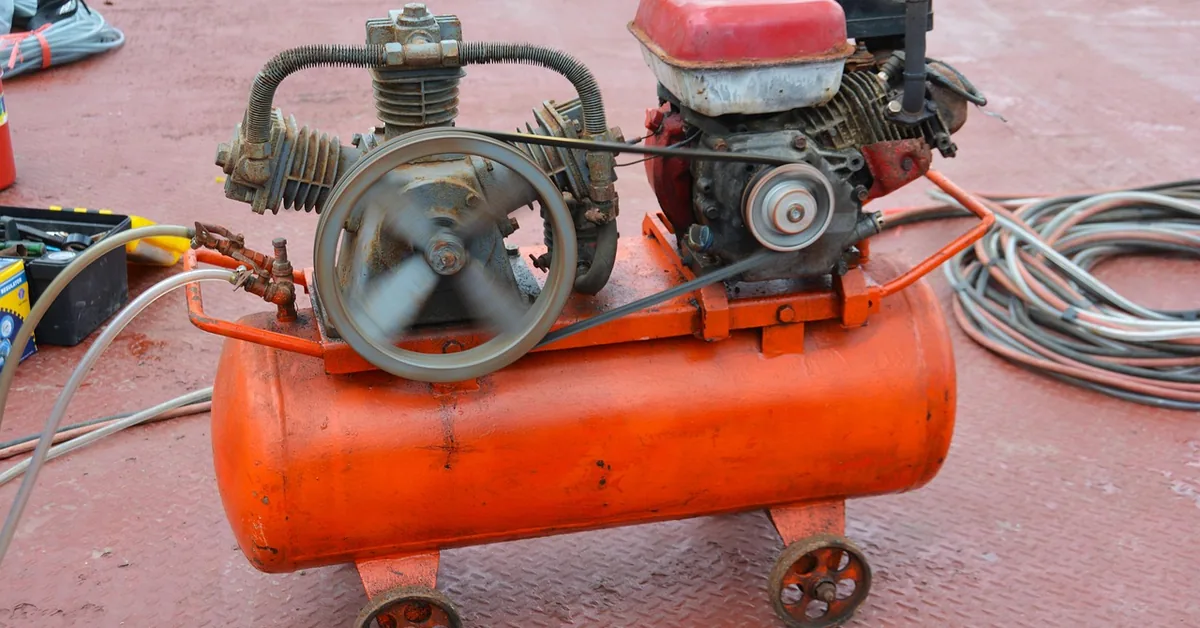
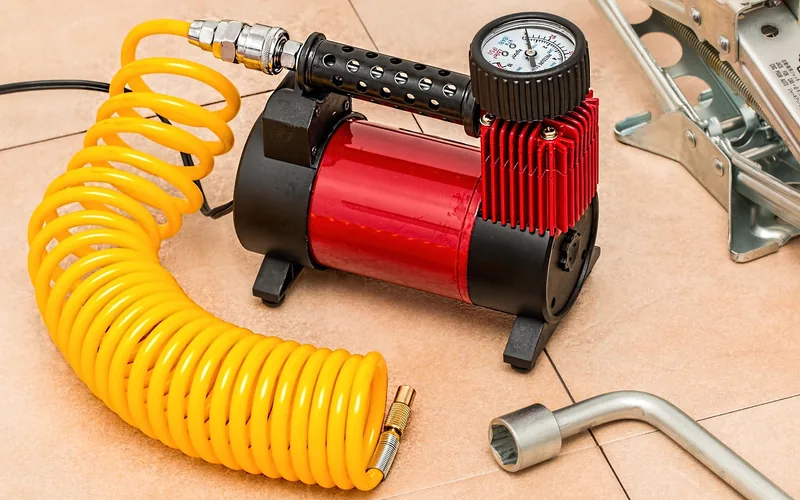
A single-stage air compressor is a pump that compresses air to final pressure in one piston stroke, typically maxing out around 120-135 PSI. A two-stage compressor uses two pistons: the first compresses air partway, an intercooler cools it between stages, and the second piston compresses it further, reaching 175 PSI or more. The cooling step is the whole point – it is what lets a two-stage pump run continuously without overheating.
Because the two-stage process spreads the compression ratio across two steps instead of one, it also runs more efficiently: a two-stage compressor typically delivers 15-20% more compressed air flow than a single-stage unit of the same horsepower, since less energy is lost to heat.
Single-Stage vs Two-Stage Air Compressor: Specs Compared
The numbers below are what actually separate the two types in daily shop use – not just marketing language about “more efficient” or “runs cooler.”
| Spec | Single-Stage | Two-Stage |
|---|---|---|
| Max pressure | ~120-135 PSI | 175 PSI or higher |
| Duty cycle | 50-70% (needs rest between runs) | Up to 100% (continuous) |
| Air flow efficiency | Baseline | 15-20% more CFM per HP |
| Typical power | 115V or 230V outlet | 230V single-phase or 3-phase |
| Upfront cost | Lower | Up to 30% higher for equivalent size |
Best Single-Stage Shop Compressor Pick
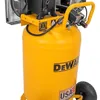 |
DEWALT 30-Gallon Single-Stage Air Compressor (DXCM303) – $705.49 A belt-drive, oil-lubed single-stage unit rated for 175 max PSI and 6.2 SCFM at 90 PSI – enough headroom for the HVLP spray gun and orbital sander CFM numbers covered below, without stepping up to a two-stage pump.
|
As an Amazon Associate we earn from qualifying purchases.
How Many CFM Do Your Woodworking Tools Actually Need?
Most home woodworkers never need a two-stage compressor, because most shop air tools draw far less CFM than people assume. The table below is what actually decides the single-stage-vs-two-stage question for a woodworking shop, not the PSI number on the box.
| Tool | CFM Required | Single-Stage OK? |
|---|---|---|
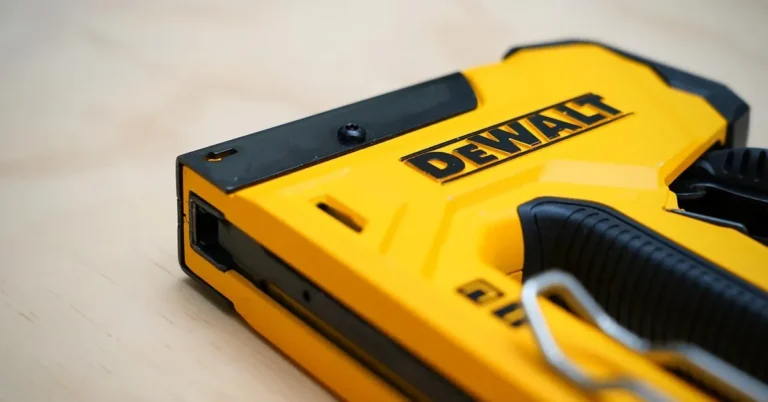
| Brad nailer / stapler | 0.5-1 CFM | Yes, easily |
| Orbital sander | 6-9 CFM intermittent / 8-12 CFM continuous | Yes, for intermittent sanding sessions |
| HVLP spray gun | 10-18 CFM at 90 PSI | Yes for short finish coats; a two-stage keeps pressure steadier on longer spray sessions |
Running a random orbital sander (8 CFM) and a brad nailer (0.5 CFM) at the same time on a shared line needs at least 8.5 CFM at 90 PSI – well within what a 30-gallon single-stage compressor like the one above can deliver.
📊 A single-stage compressor is rated for only a 50-70% duty cycle, while a two-stage unit is built for up to 100% continuous duty. — Source: Kaishan USA, 2026
When a Single-Stage Compressor Is Enough for Your Shop
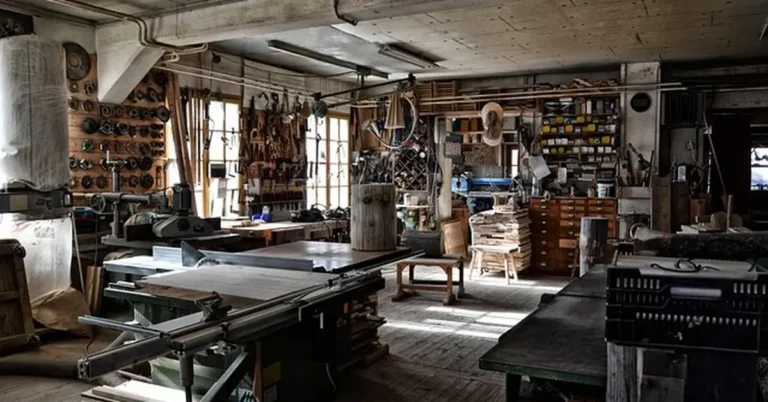
If your shop runs nail guns, staplers, an orbital sander, and an occasional HVLP spray gun one tool at a time, a single-stage compressor in the 20-30 gallon range covers all of it. Single-stage units also run on a standard 115V or 230V household circuit, which matters if your shop does not have 230V three-phase service run to it.
When You Actually Need a Two-Stage Compressor
Two-stage compressors earn their higher price when a shop runs air tools continuously rather than in short bursts: a production shop running a sandblasting cabinet, powering multiple pneumatic tools at once on a shared header line, or keeping an air-fed CNC or dust-collection accessory running for hours at a stretch. The 100% duty cycle is the deciding factor, not the PSI number.
“A single-stage compressor cycles on and off constantly under a sprayer – fine for a quick finish coat, but if you are spraying a full cabinet run for twenty minutes straight, you will hear the motor struggle to keep up with the tank pressure. That is the moment a two-stage pump earns its keep.”
Maintenance and Lifespan: What Actually Changes
Both types need the same basic upkeep: draining tank condensation after use, checking the oil level on oil-lubed models, and inspecting the intake filter. The difference shows up in wear rate – a two-stage pump splits compression across two lower-stress strokes instead of one, so its bearings, rings, and seals run cooler and typically last longer under continuous use. A single-stage pump used within its 50-70% duty cycle, with normal maintenance, has no inherent lifespan disadvantage for home-shop use; it only wears out early when pushed to run continuously, which is the exact use case it was not built for.
If you already have a compressor and need to size it for a specific job, see our breakdown of the Kobalt 60-gallon single-stage compressor’s real-world CFM output, or check the DeWalt pressure switch cut-in/cut-out specs if your existing unit is cycling oddly. For the rest of our shop tool guides, start at the woodworking tools and saws guide.
Frequently Asked Questions
What is better, a 2-stage or a single-stage air compressor?
For most home woodworking shops, a single-stage compressor is the better fit – it costs less, runs on standard household power, and easily covers nailers, sanders, and occasional spray finishing. A two-stage compressor is better only if you run air tools continuously or need more than 135 PSI.
What is the actual advantage of a two-stage air compressor?
A two-stage compressor delivers 15-20% more CFM per horsepower than a single-stage unit, reaches 175+ PSI instead of 120-135 PSI, and is rated for up to 100% continuous duty instead of 50-70%. That combination makes it the right choice for production and industrial use, not typical home-shop woodworking.
Are two-stage compressors worth it for a home woodworking shop?
Usually not. A two-stage compressor’s higher CFM and 100% duty cycle go unused if you are running a brad nailer (0.5-1 CFM) or an orbital sander (6-9 CFM) one at a time. The extra 20-30% upfront cost is worth it only if you run tools continuously or plan to add production-level equipment later.
How many CFM do I need for woodworking air tools?
Most woodworking tools need less than most people expect: a brad nailer needs 0.5-1 CFM, an orbital sander needs 6-9 CFM intermittent, and an HVLP spray gun needs 10-18 CFM at 90 PSI. A 30-gallon single-stage compressor delivering 5-6 SCFM covers all three used one at a time.
Can I run an HVLP spray gun on a single-stage air compressor?
Yes, for short finish coats. A single-stage compressor can supply the 10-18 CFM an HVLP gun needs, but its tank will drain faster on longer spray sessions and the motor will cycle on and off more often. A two-stage unit keeps pressure steadier if you spray for more than a few minutes at a stretch.
Is a two-stage compressor more efficient than a single-stage compressor?
Yes – a two-stage compressor cools air between compression strokes, which cuts the heat-related energy loss that a single-stage unit experiences compressing air in one stroke. That is what produces the 15-20% CFM-per-horsepower gain and the higher duty cycle rating.
Conclusion
For most home woodworking shops running nailers, sanders, and occasional spray finishing one tool at a time, a single-stage air compressor covers the job at a lower price and on standard household power. Reach for a two-stage compressor only when you need more than 135 PSI, run tools continuously rather than in bursts, or are scaling toward production-level equipment.
Sponsored / affiliate links. As an Amazon Associate I earn from qualifying purchases. I may earn additional commission from eligible campaigns.