Are Black Walnuts Healthy? Nutrition Facts You Should Know
Black walnuts are indeed healthy, offering a dense nutritional profile with healthy fats, protein, fiber, and important minerals like magnesium and zinc. They contain antioxidants too. However, their strong flavor and potential for allergens mean they should be enjoyed mindfully.
What Are Black Walnuts?
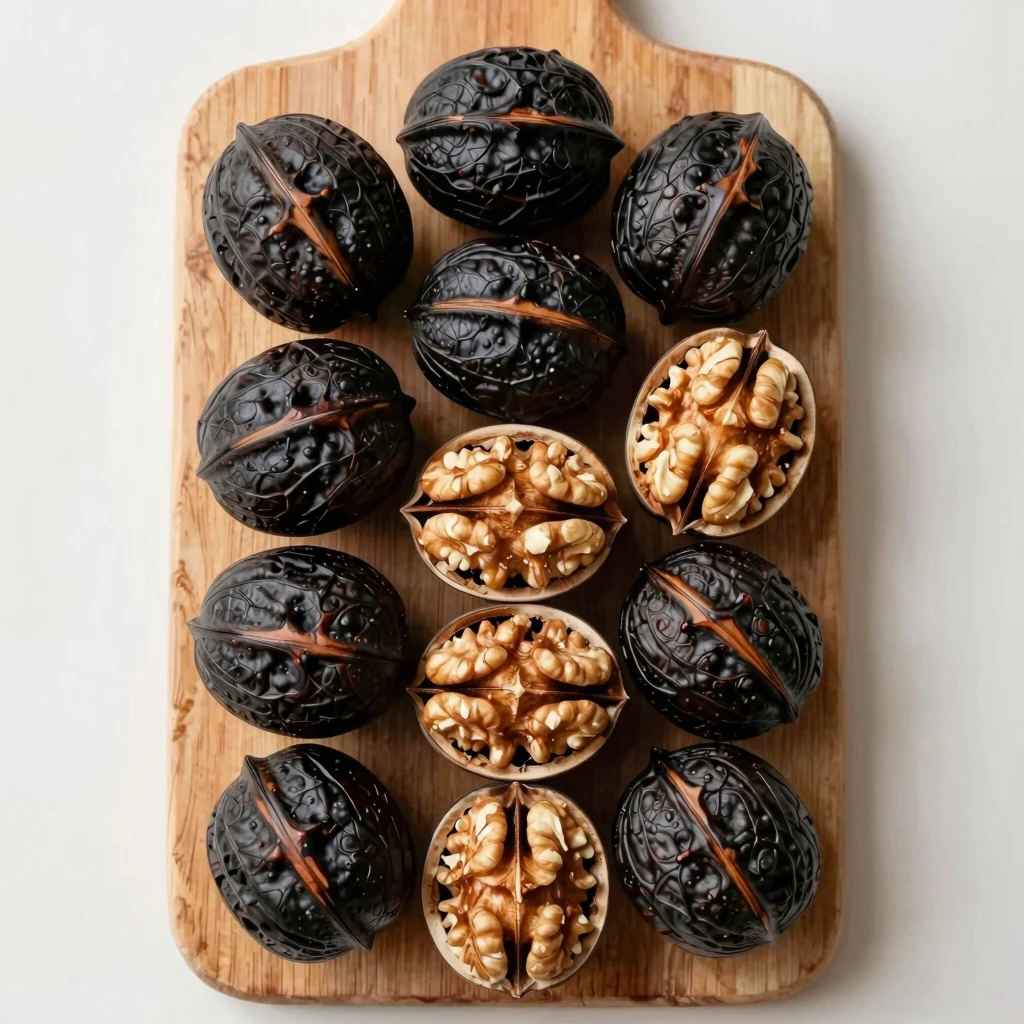
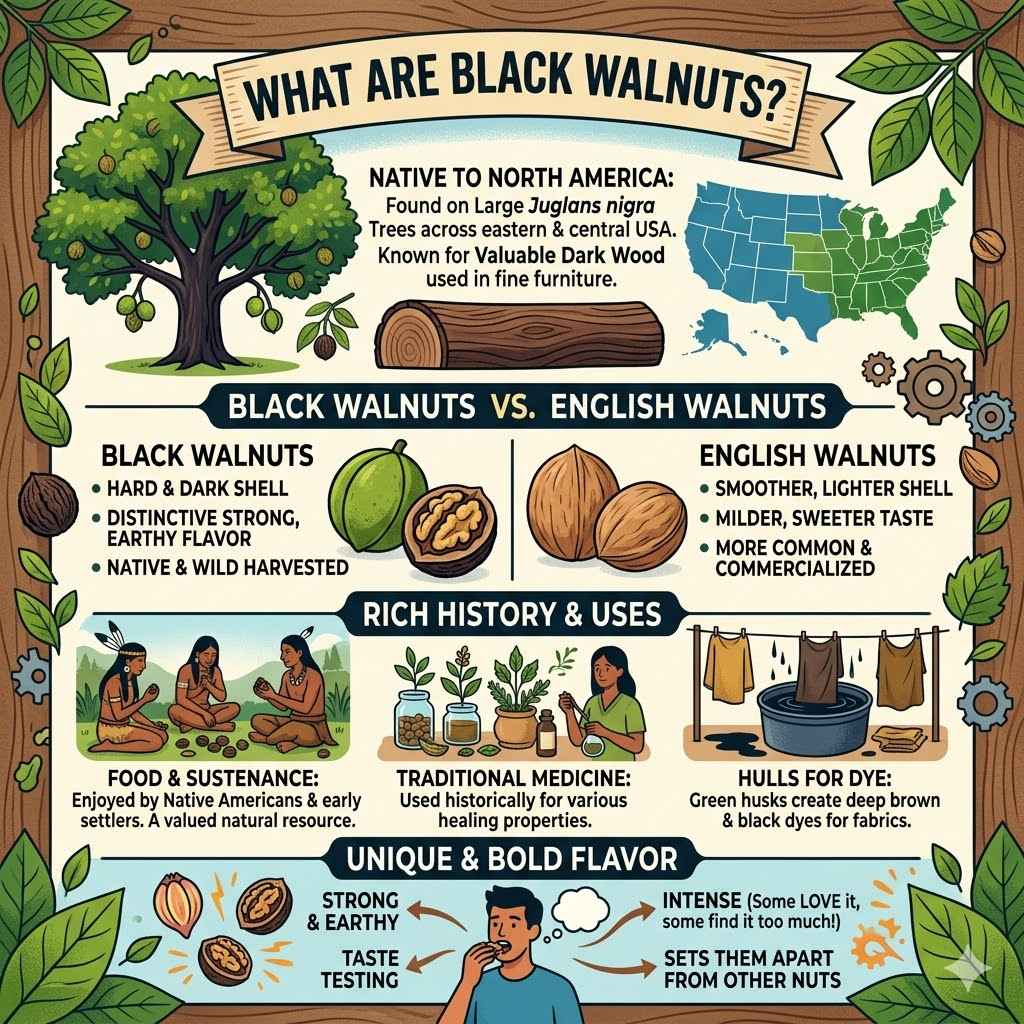
Black walnuts are nuts from a tree native to North America. They are not the same as English walnuts, which are more common. The shells of black walnuts are very hard and dark, almost black.
This is how they get their name. Inside, the nutmeat has a strong, earthy flavor. It’s different from the milder taste of English walnuts.
These nuts grow on Juglans nigra trees. These trees are large and found in many parts of the eastern and central United States. They are known for their beautiful dark wood, which is valuable for furniture.
But the nuts themselves are also a treasure, though less widely known.
People have used black walnuts for centuries. Native Americans used them for food and medicine. They also used the hulls to make dyes.
The flavor is quite bold. Some people love it. Others find it too intense.
This unique taste sets them apart from other nuts.
Black Walnut Nutrition Facts
Black walnuts pack a serious nutritional punch. They are a good source of energy. This comes from their fat content.
But don’t let the fat scare you. Most of it is the good kind of fat. We are talking about monounsaturated and polyunsaturated fats.
These are great for your heart.
A serving of black walnuts offers protein and fiber. These help you feel full. They are also important for digestion.
You will also find essential minerals in them. Think magnesium, zinc, and iron. These minerals do many jobs in your body.
They help your muscles and nerves work right. They also help carry oxygen in your blood.
Let’s look closer at some key nutrients. For every ounce, or about 14 halves, of black walnuts, you get:
- Calories: around 190-200
- Total Fat: about 19-20 grams
- Saturated Fat: around 1-2 grams
- Monounsaturated Fat: about 3-4 grams
- Polyunsaturated Fat: about 13-14 grams (including omega-3 fatty acids!)
- Protein: about 4-5 grams
- Fiber: about 2-3 grams
- Vitamins and Minerals: good amounts of Vitamin E, B vitamins, magnesium, zinc, iron, and potassium.
The amount of omega-3 fatty acids is notable. These are essential fats your body needs. They are often found in fish.
But black walnuts provide a plant-based source. This is great news for people looking to boost their intake.
The black walnut nutrition profile is quite impressive. It shows why these nuts are considered healthy. They offer a wide range of benefits in a small package.
Just remember that portion size matters. Because they are calorie-dense, it’s easy to eat too many.
Health Benefits of Black Walnuts
Eating black walnuts can bring several health benefits. Their healthy fats are a big part of this. These fats can help improve your cholesterol levels.
They can lower the “bad” LDL cholesterol. They may also help raise the “good” HDL cholesterol. This is good for your heart health.
The antioxidants in black walnuts are also important. Nuts, in general, are rich in antioxidants. Black walnuts are no exception.
Antioxidants help protect your cells from damage. This damage can come from things like pollution or stress. They can help fight off free radicals.
These nuts also have anti-inflammatory properties. Chronic inflammation is linked to many diseases. The compounds in black walnuts may help calm this down.
This can be good for your overall well-being.
Let’s break down some specific benefits:
Heart Health Boost
The healthy fats and antioxidants work together. They support a strong cardiovascular system. Lowering bad cholesterol and reducing inflammation are key.
Brain Function Support
The omega-3 fatty acids are crucial for brain health. They help with memory and cognitive function. They are building blocks for brain cells.
Digestive Well-being
The fiber content aids in keeping your digestive system running smoothly. It helps prevent constipation and promotes a healthy gut.
The presence of plant sterols is another plus. These compounds can help block the absorption of cholesterol. This adds another layer of heart protection.
Overall, the health benefits of black walnuts are quite diverse. They touch on heart, brain, and digestive health.
My Own Black Walnut Experience
I remember the first time I truly encountered black walnuts. It wasn’t just a fleeting glimpse. I was visiting a friend’s family farm out in Ohio.
They had a massive old black walnut tree in their yard. It was late autumn, and the ground was littered with those peculiar, bumpy, greenish-brown husks.
My friend’s grandpa, a man who knew his trees, picked one up. He showed me how to carefully break open the outer husk. It took a good bit of force.
Inside, the shell was incredibly hard and dark. He expertly cracked it with a hammer. The scent that came out was so different, so rich and almost smoky.
It wasn’t sweet like a regular walnut.
He offered me a piece of the nutmeat. It was dark and craggy. I took a bite, and my eyes widened.
It was intense! Much stronger than any walnut I’d tasted before. It had a deep, earthy, almost bitter undertone, but also a satisfying richness.
I could see why some people find it too strong for snacking plain. But I loved how unique it was.
He explained that they used them mostly in baking. Pies, cookies, and cakes. The strong flavor stood up well to sugar and spices.
He also mentioned how staining the hulls were. He warned me not to touch them without gloves. I saw his hands had a slight, persistent brown tint.
That was a good lesson in the power of nature.
That experience stuck with me. It wasn’t just about eating a nut. It was about understanding its origin and its character.
It made me appreciate the complexity of food. And it made me curious to explore how to best use this potent ingredient. It felt like unlocking a small, wild secret of the forest.
Understanding the Black Walnut Hulls
The outer hull of the black walnut is quite fascinating. It’s thick and leathery when fresh, then dries out and hardens. This hull is the source of the nut’s distinctive dark color.
It contains juglone. Juglone is a natural compound that can stain almost anything it touches. This includes skin, clothing, and even concrete.
For this reason, handling black walnuts requires some care. If you are collecting them, wear gloves. Make sure to protect your work surfaces.
The staining power is immense. It’s a powerful natural dye. People have used it for centuries to color fabrics and wood.
While the nutmeat is edible and nutritious, the hull itself is not typically eaten. It’s too tough and bitter. But its compounds have been used traditionally.
They are sometimes used in herbal remedies. However, it’s important to be cautious with medicinal uses. Always talk to a health professional first.
The juglone present in the hull and husk can also affect other plants. It’s known as a natural herbicide or plant toxin. This means black walnut trees can sometimes inhibit the growth of nearby plants.
Not all plants are sensitive to it, but many are. This is a survival mechanism for the tree.
So, when dealing with black walnuts, think about the hull. It’s what makes them unique in appearance and handling. It’s also where a lot of their potent compounds reside.
Respecting the hull means understanding its staining properties and its natural effects.
Potential Risks and Allergies
While black walnuts offer many health benefits, there are some things to be aware of. The most common concern with any nut is allergies. Nut allergies can be severe.
Black walnuts are part of the walnut family. If you are allergic to English walnuts, you are likely allergic to black walnuts too.
It’s important to know your body. If you’ve never tried black walnuts before, start with a very small amount. Pay attention to how you feel.
Watch for any signs of an allergic reaction. These can include itching, hives, swelling, or difficulty breathing. If you experience these, seek medical attention immediately.
The strong flavor can also be an issue for some people. It’s much more intense than other nuts. Some may find it bitter or overpowering.
This isn’t a health risk, but it can affect enjoyment.
Another point is the juglone. While it’s in the hull, small amounts can transfer to the nutmeat. For most people, this is not a problem.
But if you are particularly sensitive, it’s something to consider. The staining property is the most obvious effect of juglone.
Here’s a quick check on potential issues:
Allergy Alert
If you have a tree nut allergy, avoid black walnuts.
Flavor Intensity
The bold taste might not be for everyone. Try small amounts first.
Staining Properties
Be careful when handling, especially the hulls. Wear gloves.
For most healthy individuals, black walnuts are safe and beneficial when consumed in moderation. But always listen to your body and be aware of potential sensitivities. Your well-being comes first.
How to Use Black Walnuts in Your Diet
Because of their strong flavor, black walnuts are often best used in recipes. They add a unique depth that other nuts can’t match. Baking is a popular way to enjoy them.
They pair well with chocolate, maple, and rich flavors.
Think about adding chopped black walnuts to cookie dough. Or use them in a decadent chocolate cake. A black walnut pie is a classic.
The flavor really shines through in these desserts. It gives them a sophisticated, earthy twist.
Beyond sweets, they can also be used in savory dishes. Chop them finely and add them to stuffing. They can also go into a hearty bread.
Imagine a crusty loaf with bits of black walnut scattered throughout. That would be delicious.
Here are some ideas to get you started:
Baked Goods
Add to muffins, brownies, cakes, or pies. They pair wonderfully with spices like cinnamon.
Savory Dishes
Incorporate into bread, stuffing, or as a topping for salads.
Nut Butters
Blend them into a unique nut butter. Mix with a little honey or maple syrup.
When buying them, you might find them shelled or unshelled. Unshelled black walnuts are harder to crack. Shelled ones are easier to use right away.
You can often find them at specialty food stores or online. Sometimes, local farmers’ markets are a good source.
If you get unshelled nuts, you’ll need tools. A sturdy hammer and a hard surface are best. Protect your hands with gloves.
Carefully crack the shells. Be patient. The effort is worth the unique flavor you get.
Remember moderation. An ounce or two is usually enough to get the benefits. Too much can lead to excess calories or digestive upset.
Enjoy them as a special treat or a flavor enhancer.
Comparison: Black Walnuts vs. English Walnuts
It’s helpful to know how black walnuts differ from the English walnuts most people are familiar with. The most obvious difference is the shell. Black walnuts have a very hard, almost spherical shell.
English walnuts have a smoother, more oval shell that is easier to crack.
The flavor is another major contrast. English walnuts have a milder, slightly sweet, and buttery taste. They are good for eating raw as a snack.
Black walnuts, as we’ve discussed, have a much stronger, earthier, and sometimes bitter flavor. This makes them better suited for baking and cooking where their flavor can blend with other ingredients.
In terms of nutrition, they are quite similar. Both are excellent sources of healthy fats, protein, fiber, and antioxidants. However, black walnuts often have a slightly higher concentration of certain minerals and omega-3 fatty acids.
Here’s a simple comparison:
| Feature | Black Walnut | English Walnut |
|---|---|---|
| Shell | Very hard, dark, spherical | Smoother, lighter, oval |
| Flavor | Strong, earthy, rich, sometimes bitter | Milder, buttery, slightly sweet |
| Best Use | Baking, cooking, strong flavor recipes | Snacking, baking, general use |
| Nutrients | Rich in healthy fats, protein, fiber, minerals, omega-3s | Rich in healthy fats, protein, fiber, omega-3s |
| Availability | Less common, specialty stores, farmers’ markets | Widely available in most grocery stores |
The availability is also different. English walnuts are a pantry staple for many. Black walnuts are more of a specialty item.
You might need to look a bit harder to find them. But for cooks and bakers looking for a unique flavor, the search is often worth it.
Both types of walnuts are healthy choices. They offer valuable nutrients. The best one for you depends on your taste preference and how you plan to use them.
If you want a bold, distinctive flavor, go for the black walnut. If you prefer a milder taste for everyday snacking, the English walnut is a great choice.
Where to Find and Buy Black Walnuts
Finding black walnuts can be a bit of an adventure. They are not as common as English walnuts. But they are definitely out there!
Your best bet is often specialty food stores. Stores that focus on local produce or gourmet items might carry them.
Farmers’ markets are another excellent place to look. Especially in areas where black walnut trees grow naturally. Local farmers may harvest and sell them.
This is a great way to support local growers too. You can often ask them about the nuts and get tips on how to use them.
Online retailers are also a reliable source. Many websites sell shelled and unshelled black walnuts. You can often order them year-round.
Buying online gives you access to a wider selection. Just be sure to buy from reputable sellers to ensure quality.
When you buy them, consider whether you want them shelled or unshelled. Unshelled nuts are cheaper. They also last longer if stored properly.
But cracking them takes time and effort. Shelled nuts are ready to use, which is convenient. However, they are more expensive and have a shorter shelf life.
Storage is key for keeping them fresh. Store shelled black walnuts in an airtight container in the refrigerator. They will stay good for several months.
For longer storage, you can freeze them. This can keep them fresh for up to a year.
Unshelled black walnuts should be stored in a cool, dry place. A pantry is fine. They can last for many months this way.
Once cracked, treat them like shelled walnuts and refrigerate or freeze them.
Paying attention to where you buy them and how you store them will ensure you get the best quality. This way, you can enjoy their unique taste and health benefits without any issues. It’s all about enjoying nature’s bounty.
When Are Black Walnuts in Season?
Black walnuts have a specific season, just like many other fruits and nuts. The harvest typically happens in the fall. This is when the nuts mature on the trees and begin to drop.
The exact timing can depend on the climate and the specific region.
Generally, you’ll find fresh black walnuts appearing from late September through November. This is the prime harvesting period. If you’re looking for fresh nuts, this is the time to seek them out.
Many wild trees will drop their nuts during this time.
If you live in an area with black walnut trees, you might be able to collect them yourself. It’s a fun activity, but remember the precautions. Wear gloves to avoid staining.
Be aware of where you are collecting them. Ensure it’s safe and legal to do so.
For those buying them, the fall is when you’ll see the most availability. Many producers will bring their fresh harvest to market during these months. If you buy unshelled nuts in the fall, they will have a good shelf life if stored correctly.
Shelled nuts will also be freshest during this time.
Outside of the fall season, you’ll likely be buying nuts that have been harvested previously and stored. This is perfectly fine. As mentioned, proper storage keeps them fresh for a long time.
So, you can enjoy black walnuts year-round. But knowing their natural season helps you appreciate the cycle of nature.
The seasonality also means that if you’re foraging, you need to be quick. The nuts drop over a few weeks. And squirrels and other wildlife are also eager to gather them.
So, if you see them, it’s a good idea to collect them if you plan to use them.
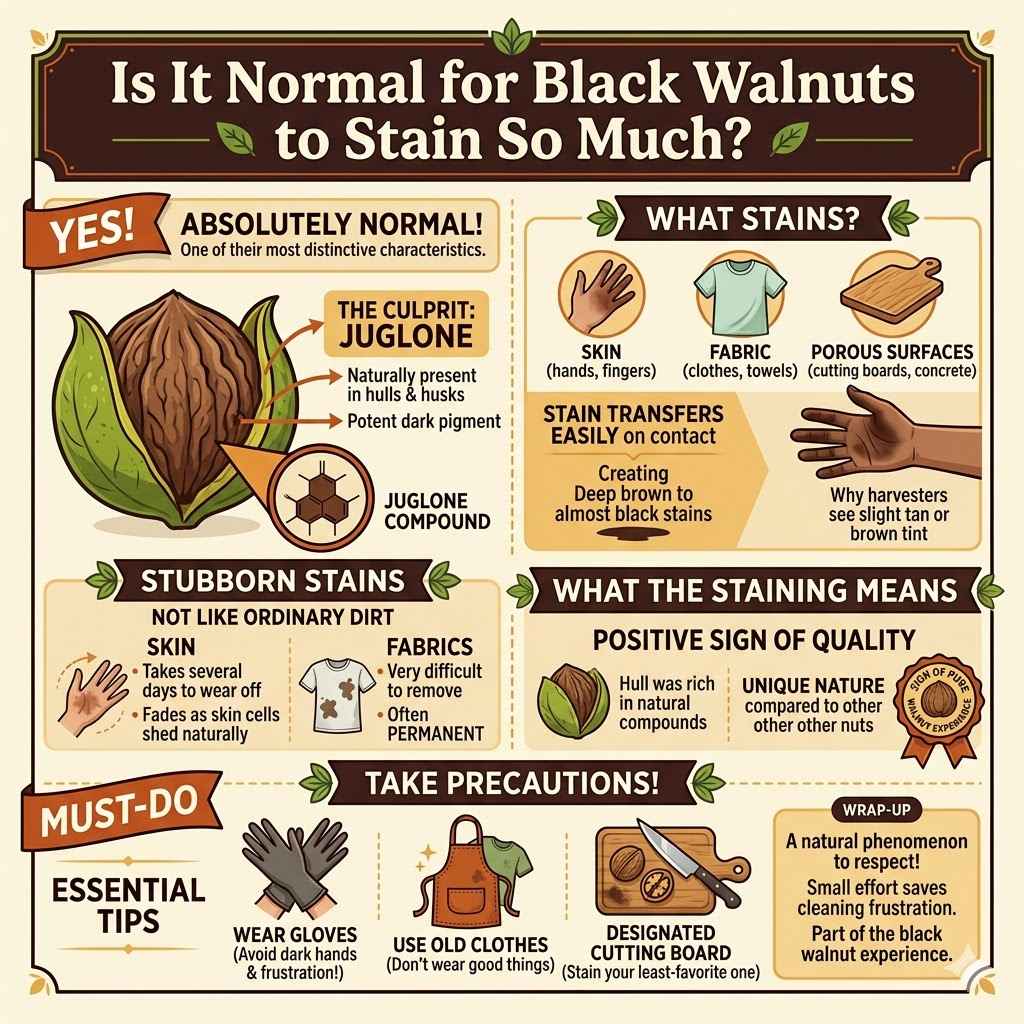
Is It Normal for Black Walnuts to Stain So Much?
Yes, it is absolutely normal for black walnuts to stain. This is one of their most distinctive characteristics. The intense staining comes from the compound called juglone.
Juglone is naturally present in the hulls and husks of the black walnut tree. It’s a potent pigment.
When the hulls come into contact with skin, fabric, or porous surfaces, the juglone transfers easily. It can create a deep brown or almost black stain. This is why people who harvest black walnuts often wear gloves.
It’s also why you might see a slight tan or brown tint on their hands.
The stains are quite stubborn. They are not like ordinary dirt stains. For skin, the stain will eventually wear off as your skin cells naturally shed.
But it can take several days. For fabrics, it can be very difficult to remove. Sometimes, it’s permanent.
This staining is actually a sign of the nut’s quality. It means the hull was rich in the natural compounds. It also highlights the unique nature of the black walnut compared to other nuts.
It’s a natural phenomenon that needs to be respected when handling them.
So, if you’re preparing black walnuts, take precautions. Wear old clothes. Use a cutting board you don’t mind getting stained.
And definitely wear gloves. It’s a small effort that saves a lot of cleaning frustration later. It’s just part of the black walnut experience.
Frequently Asked Questions about Black Walnuts
Are black walnuts safe to eat raw?
Yes, black walnuts are safe to eat raw. However, their flavor is quite strong and can be bitter for some. Many people prefer to use them in recipes where their intense flavor can blend with other ingredients, like in baking.
How do I crack black walnuts?
Black walnuts have very hard shells. You will likely need a hammer and a hard, stable surface. Wear gloves to protect your hands from stains.
Place the nut on the surface and carefully tap the shell with the hammer until it cracks. Be gentle to avoid shattering the nutmeat.
Can I eat the black walnut hull?
No, the hull of the black walnut is not meant to be eaten. It is very hard, bitter, and contains juglone, which can stain and irritate. The edible part is the nutmeat inside the shell.
What is juglone in black walnuts?
Juglone is a natural chemical compound found in black walnut trees, especially in the hulls and roots. It’s responsible for the strong staining properties and can inhibit the growth of many other plants. While it’s in the hull, small amounts can transfer to the nutmeat.
Are black walnuts good for weight loss?
Like other nuts, black walnuts are calorie-dense due to their healthy fat content. While the protein and fiber can help you feel full, which may support weight management, they should be eaten in moderation as part of a balanced diet. Portion control is important.
Where can I buy black walnuts if I don’t live near a tree?
You can find black walnuts at specialty food stores, gourmet markets, and online retailers. Farmers’ markets are also a good option, especially during the fall harvest season.
How long do black walnuts last?
Shelled black walnuts should be stored in an airtight container in the refrigerator for several months, or frozen for up to a year. Unshelled black walnuts can be stored in a cool, dry place for many months.
Conclusion
Black walnuts are a nutritious and unique food. They offer a wealth of healthy fats, protein, fiber, and minerals. Their bold flavor makes them stand out.
While they have strong staining properties and potential allergens, these can be managed with awareness. Enjoying them in moderation, especially in baked goods or savory dishes, can add a special touch to your meals. They are a true taste of North American nature.
Sponsored / affiliate links. As an Amazon Associate I earn from qualifying purchases. I may earn additional commission from eligible campaigns.