ACX vs CDX Plywood: Spotting the Main Differences
Figuring out the difference between ACX vs CDX Plywood: Key Differences Explained can seem tricky at first. Many people get confused by the different grades of plywood and what they’re best for. Don’t worry, it’s simpler than you might think! This post will break down the key features of each type of plywood and clarify the best uses for them. We’ll show you step-by-step what to look for and make it easy to choose the right material for your next project. We’re about to explore the details so you can make confident choices.
What is Plywood and Why Does It Matter?
Plywood is a super useful material for all sorts of projects. It’s made by gluing thin layers of wood (called veneers) together. These layers are placed so that the grain of each layer runs in a different direction. This criss-cross pattern makes plywood incredibly strong and resistant to warping, unlike solid wood. Knowing about plywood is important, especially for things like construction, furniture, and even some crafts. Its strength and stability make it a great option. Also, because it comes in different grades, you can choose the best plywood for the job.
The Basics of Plywood Construction
The core of plywood’s strength is its construction. Each veneer is cut from a log. Then, these thin sheets of wood are dried and glued together under high pressure. This process bonds the layers tightly, making a strong composite. The number of layers and the type of wood used can vary. These factors also impact the plywood’s strength and suitability for different purposes. The different types of wood, such as softwoods and hardwoods, play a large role in determining the final product’s strength and the appearance of the top layer.
- Veneer Layers: Plywood gets its strength from the way the wood grains are arranged. Each layer is placed so its grain is perpendicular to the layer below it. This cross-graining prevents the plywood from splitting or warping.
- Adhesives: The glue that holds the layers together is critical. Different adhesives are used depending on the intended use. Exterior-grade plywood uses waterproof glue. This allows it to withstand exposure to weather.
- Pressing: The veneers are put under high pressure and heat. This process forces the layers together to create a strong bond. The pressure also impacts the thickness and density of the plywood.
Plywood Grades and Their Significance
Plywood is graded based on the quality of its face veneers. The face veneers are the top and bottom layers. These layers are graded using letters (A, B, C, and D), with A being the best and D the lowest. These grades reflect the appearance and the presence of defects like knots and patches. This grading system helps you pick the right plywood for your project. If you need something with a smooth, paintable surface, you would select a higher grade. For applications where appearance isn’t crucial, you might choose a lower grade.
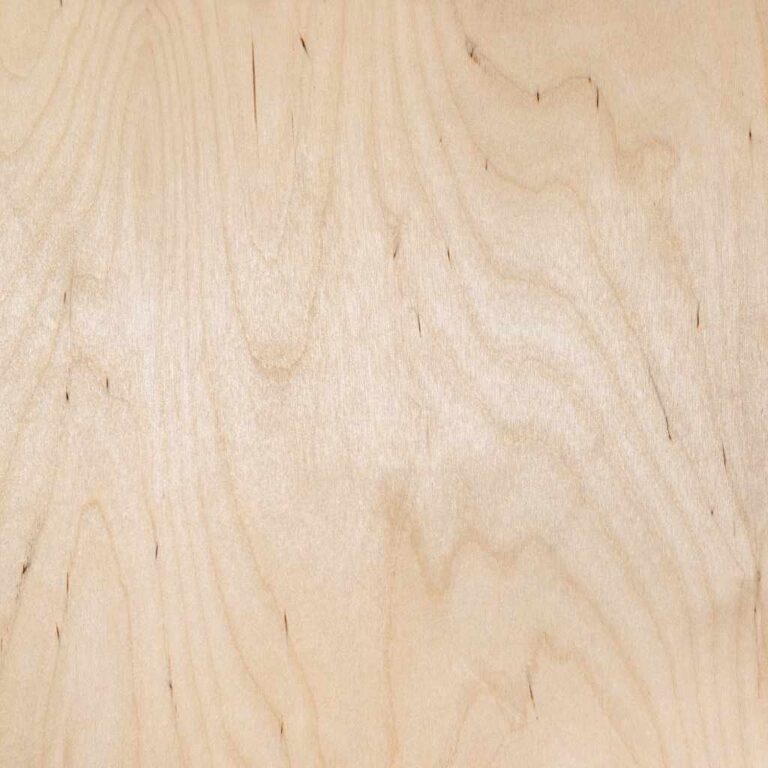
- A-Grade: This grade has a smooth surface with very few defects. It is often used for furniture or projects where appearance matters.
- B-Grade: Some minor imperfections are allowed in this grade. It might have small knots or patches but still provides a good surface.
- C-Grade: This grade can have larger knots and repairs. It is often used where the surface is covered.
- D-Grade: The lowest grade, D, has many defects, including large knots and open splits. This is typically used for hidden structural components.
Unpacking ACX Plywood: Its Uses and Qualities
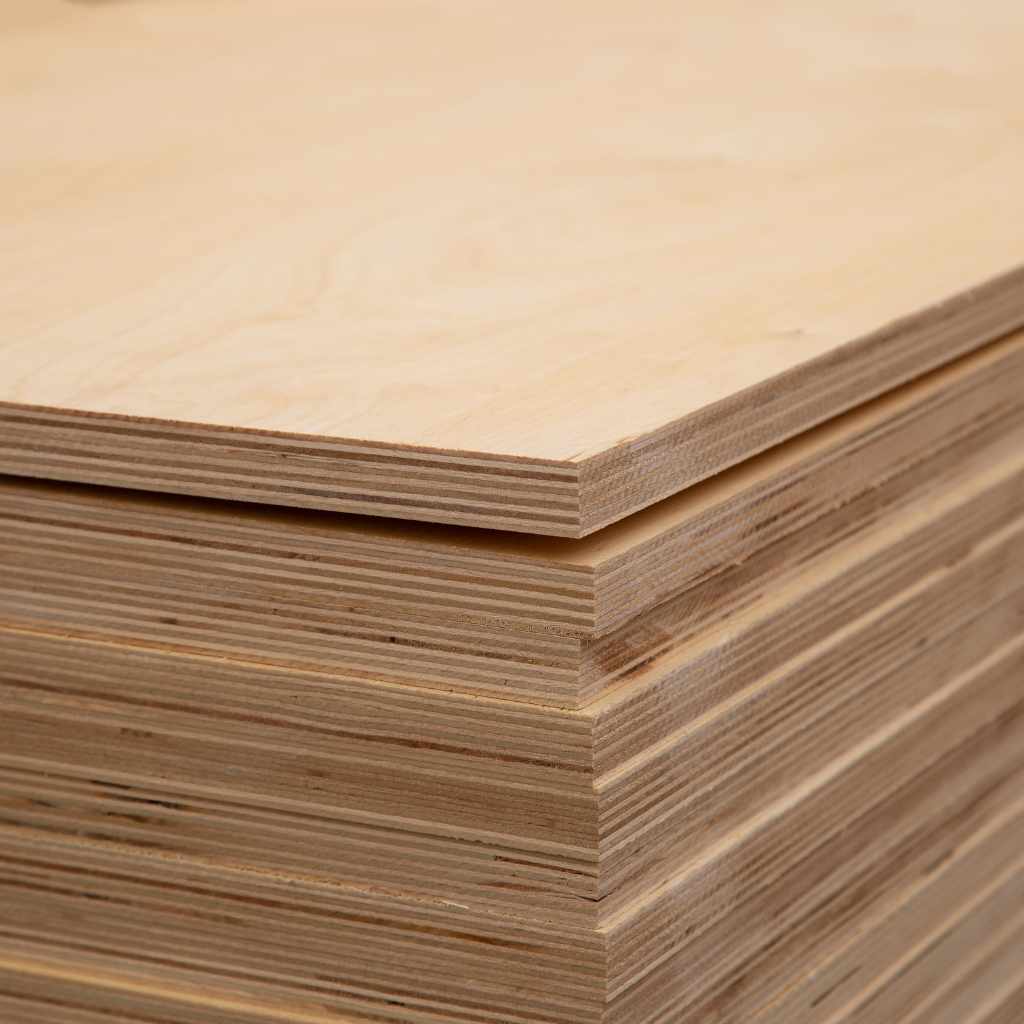
ACX plywood is a popular choice for outdoor projects. It’s designed to withstand weather conditions. The ‘A’ in ACX means the face veneer is A-grade, meaning it’s smooth and paintable. The ‘C’ indicates the core is C-grade. The ‘X’ means the plywood uses exterior glue. This glue is waterproof, so the layers won’t separate when exposed to moisture. Because of its qualities, ACX plywood is often used for siding, soffits, and other exterior applications where the surface needs to look good and endure the elements.
Key Features of ACX Plywood
Several features set ACX plywood apart. The A-grade face offers a smooth surface. This makes it ideal for painting or staining. The exterior-grade adhesive means it can handle rain and humidity. The C-grade core is less about looks and more about structural support. Together, these features make ACX a reliable choice. It is a good option when you need plywood that can handle the outdoors. It will last longer than plywood designed for interior use.
- Smooth, Paintable Surface: The A-grade face veneer is smooth and free of defects. This makes it perfect for painting.
- Exterior-Grade Glue: The glue is waterproof, preventing delamination from moisture exposure.
- Weather Resistance: Designed to resist moisture, making it good for exterior applications.
Best Applications for ACX Plywood
ACX plywood is best used when appearance and durability are crucial. For example, it is great for building decks, fences, and outdoor furniture. Its smooth surface allows for easy painting or staining. This helps improve the look and protect the wood. Because it has good resistance to the weather, ACX plywood is also a good option for boat construction or projects that might face water exposure. In these projects, the smooth face is important, and the wood’s ability to resist the elements is key.
- Decking: ACX can be used to build a durable, weather-resistant deck surface.
- Outdoor Furniture: The smooth face is suitable for creating outdoor tables and chairs.
- Siding: It’s a common choice for siding on sheds or other outdoor structures.
CDX Plywood: What You Need to Know
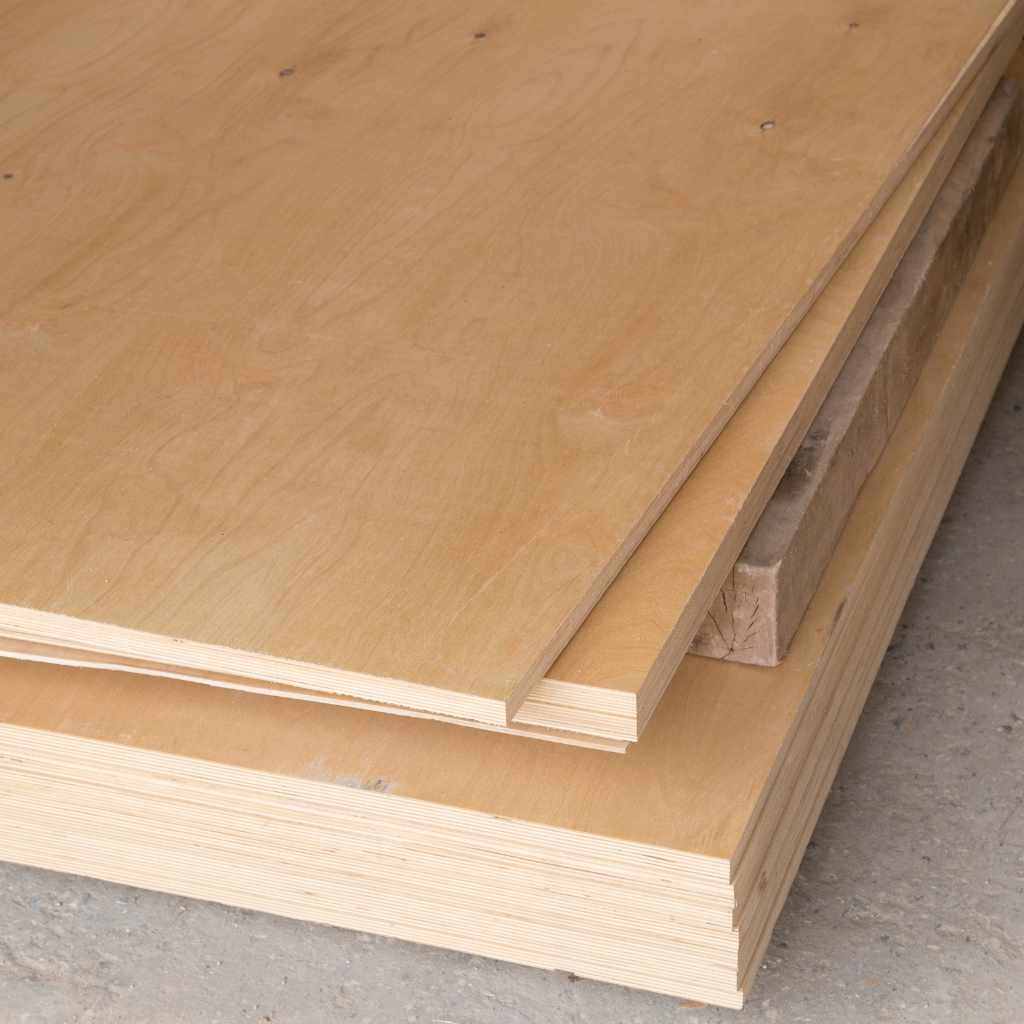
CDX plywood is a more affordable option that is still good for many projects. The ‘C’ indicates the face veneer is C-grade. It may have knots, patches, and other imperfections. The ‘D’ means the back is D-grade, and the ‘X’ means it has exterior glue. This plywood isn’t designed for a smooth finish. It’s perfect for construction projects where the surface will be covered or where appearance isn’t a primary concern. Its durability and affordability make it a practical choice.
Core Qualities of CDX Plywood
CDX plywood has certain core features that make it suitable for various tasks. The C-grade face has more imperfections than ACX, making it less suitable for finishing. The exterior glue ensures it can withstand moisture. The overall structure provides adequate strength for construction purposes. Knowing these core qualities will help you pick the right plywood. They are important for projects where the appearance is less important than cost and durability.
- Exterior-Grade Glue: Ensures the plywood resists delamination from moisture.
- C-Grade Face: The face veneer can have knots and patches.
- Cost-Effective: Typically more affordable than ACX, making it a budget-friendly option.
Ideal Uses for CDX Plywood
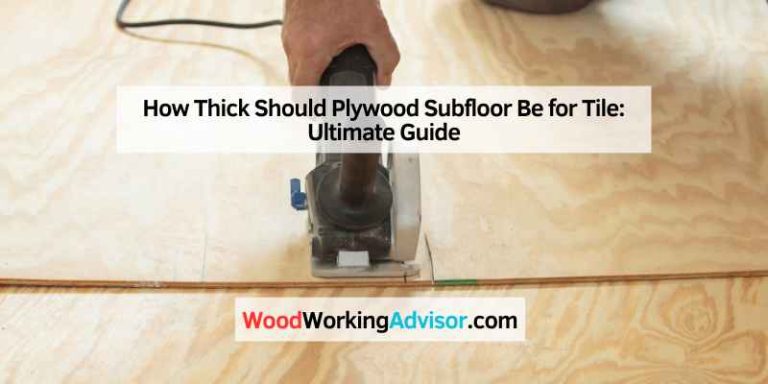
CDX plywood is a good choice for structural projects where appearance isn’t as important. It’s great for subflooring, sheathing for walls, and other hidden applications. It’s often used in shed construction or in projects where the plywood will be covered up. Because it’s less expensive than ACX, it helps you save money on projects. It still provides the necessary strength and durability.
- Subflooring: CDX is commonly used as a base layer for flooring.
- Sheathing: It can be used as sheathing to add structural support to walls.
- Shed Construction: CDX is a practical choice for building shed walls and roofs.
ACX Versus CDX: A Detailed Comparison
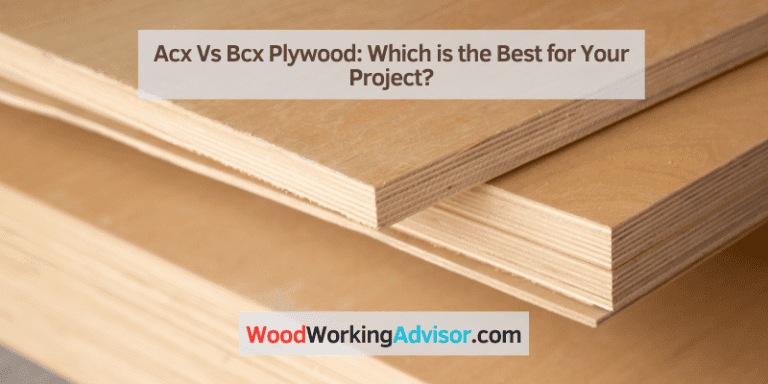
When selecting plywood, comparing ACX and CDX is vital. The main difference lies in the quality of the face veneer. ACX has a smooth, paintable surface, while CDX has a rougher surface with more imperfections. The cost also differs, with CDX being generally less expensive. Both use exterior-grade glue, making them suitable for outdoor use. Choosing between these depends on your project’s needs. Do you need a smooth finish and are prepared to pay more, or is a rougher surface acceptable?
Visual and Surface Differences
The visual differences between ACX and CDX plywood are easy to spot. ACX has a smoother face with fewer knots and patches. This creates a clean look that is good for projects where the wood will be visible. In comparison, CDX has a rougher surface. This makes it less suitable for projects where appearance matters. The knots and patches on CDX are more visible. These visual differences help you pick the right plywood. You need to consider the finish you want.
| Feature | ACX Plywood | CDX Plywood |
|---|---|---|
| Face Veneer | A-Grade (smooth, few imperfections) | C-Grade (knots, patches allowed) |
| Appearance | Smooth, paintable surface | Rougher surface, more defects |
| Typical Use | Exterior applications where appearance is important | Subflooring, sheathing, shed construction |
Performance and Durability
Both ACX and CDX plywood are designed for outdoor use due to their exterior-grade glue. However, the quality of the face veneer affects overall performance. ACX’s smooth surface and higher grade veneers may provide a slightly better moisture barrier. CDX, with its rougher surface, is still durable and will withstand weather. The main concern with CDX is the face veneer. It might absorb more water if left unpainted or unstained. Both types are generally durable if used correctly.
According to the APA (Engineered Wood Association), plywood is a highly durable building material. They recommend appropriate finishing techniques to extend the lifespan of all plywood types, ensuring longevity and performance in various environmental conditions.
Cost and Value Analysis
Cost is a key factor when picking between ACX and CDX plywood. ACX, due to its higher grade face veneer, is often more expensive. CDX plywood, with its lower grade, is typically more cost-effective. The value depends on your project’s needs. If the plywood will be hidden or covered, CDX offers good value. You can save money without sacrificing the structural integrity of your project. If appearance is important, the extra cost of ACX is worth it. It provides a better finish and improves the final look of your project.
According to Remodeling Magazine’s Cost vs. Value Report, the cost of materials like plywood is a significant part of total project expense. Knowing the differences in cost between ACX and CDX can help you make a budget-friendly decision.
Choosing the Right Plywood: A Simple Guide
Selecting the right plywood, specifically ACX vs CDX, depends on your project’s unique requirements. Consider the intended use and your budget. Ask yourself, “Will the plywood be exposed to the elements?” Also, consider “Is the appearance of the surface important?” If you need a smooth, finished look, ACX is the better choice. If cost is a significant factor and the appearance is less important, CDX is suitable. Carefully consider these factors. This ensures your project is successful.
Steps for Making Your Decision
To pick the right plywood, follow these simple steps. First, figure out where the plywood will be used: interior or exterior? Then, assess your budget. ACX is more expensive, so consider whether the cost fits within your budget. Consider the finish. Do you need a smooth surface or can you accept a rougher one? Answer these questions, then consider the plywood’s load-bearing needs. Use this guide. It will help you choose the best plywood for your project.
- Determine the Application: Decide if the plywood will be used indoors or outdoors.
- Consider the Finish: Decide whether a smooth, paintable surface is required.
- Assess Your Budget: Figure out how much you are prepared to spend on materials.
- Evaluate Load-Bearing Needs: Ensure the plywood’s thickness and strength meet the project’s requirements.
Common Project Scenarios
To illustrate the selection process, here are some common scenarios. For a deck, ACX is the better choice. It offers the smooth, finished surface you desire. CDX is a practical selection for subflooring. It gives you the necessary strength at a more budget-friendly price. If you’re building a shed, CDX works well for the walls and roof because appearance is not critical. These examples show how to match the right plywood to your project needs.
- Scenario 1: Building a deck. Recommendation: ACX.
- Scenario 2: Installing subflooring. Recommendation: CDX.
- Scenario 3: Constructing a shed. Recommendation: CDX for walls and roof.
Frequently Asked Questions
Question: What does the ‘X’ in ACX and CDX stand for?
Answer: The ‘X’ indicates that the plywood uses exterior-grade glue, which is waterproof and suitable for outdoor applications.
Question: Can I paint CDX plywood?
Answer: Yes, you can paint CDX plywood, but you might need to fill the knots and imperfections first to get a smooth finish.
Question: Is ACX plywood waterproof?
Answer: ACX plywood is water-resistant thanks to its exterior-grade glue, but it’s not entirely waterproof. It’s best to apply a sealant or paint for added protection.
Question: How do I know the thickness of the plywood I need?
Answer: The thickness you need depends on your project’s load-bearing requirements. Thicker plywood is usually more robust, but consider the cost and overall design.
Question: Can I use CDX plywood outdoors?
Answer: Yes, you can use CDX plywood outdoors. The exterior-grade glue makes it suitable for outdoor use. However, consider the surface finish if it will be exposed.
Final Thoughts
Picking the correct plywood is important for your project’s success. Both ACX and CDX plywood have their own strengths. You now have a better idea of the differences and what makes each suitable for various tasks. If you need a smooth, paintable surface and need weather resistance, ACX is an excellent choice. If your project is about construction and value, CDX is ideal. By taking the time to think about the needs of your project, you’ll be able to confidently select the right plywood. You’ll ensure your project meets your expectations, both in terms of look and durability. Now that you know the differences, start your next project!