American Roach vs Wood Roach: Clear Comparison Guide
Figuring out the difference between an American cockroach and a wood cockroach can be a bit tricky when you first start learning about them. They might look similar at a glance, but there are distinct features that set them apart. This guide, American Roach vs Wood Roach: Clear Comparison Guide, makes it easy to spot the differences. We’ll walk through everything step-by-step so you can tell them apart with confidence. Get ready to learn what makes each roach unique and how to identify them.
American Roach Vs Wood Roach Key Differences
Understanding the main differences between the American cockroach and the wood cockroach is fundamental for proper identification and management. These two species, while both belonging to the cockroach family, occupy different ecological niches and exhibit varied physical traits and behaviors. This section will highlight the most significant distinctions, covering their appearance, size, habitat, and common locations, setting the stage for a clearer picture of each. We will explore their unique characteristics to help you easily tell them apart.
Physical Appearance And Size
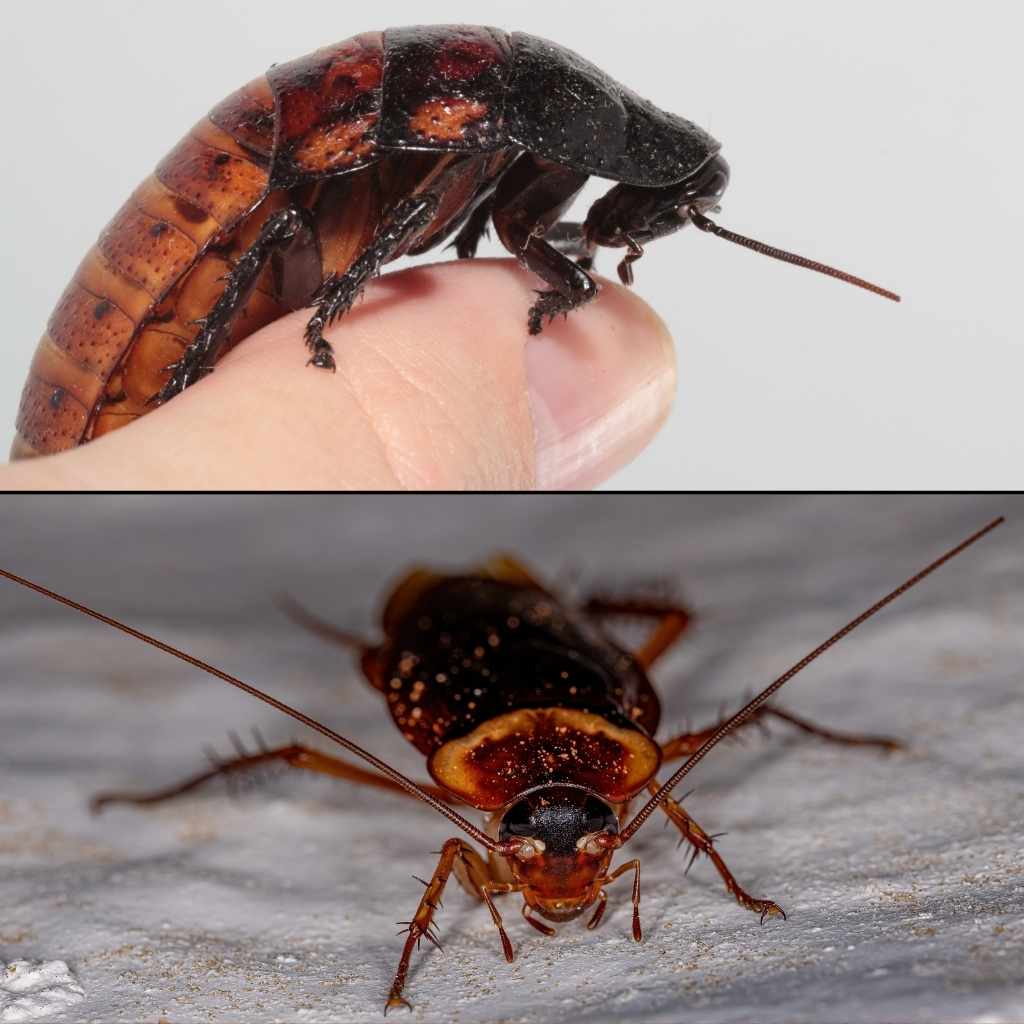
The American cockroach, scientifically known as Periplaneta americana, is one of the largest common cockroach species. They typically measure between 1.5 to 2 inches in length, with females generally being larger than males. Their coloration is a reddish-brown to dark brown, often with a lighter shade around the edges of their pronotum, which is the shield-like plate behind their head. They also have a distinctive yellow or light-brown marking on their pronotum. Both males and females have fully developed wings, though they are poor fliers and more likely to glide or use them for short bursts of movement. Their antennae are long and thread-like, about the same length as their body.
In contrast, the wood cockroach, belonging to genera like Parcoblatta, tends to be smaller. Adult wood cockroaches typically range from 0.5 to 1 inch in length, making them noticeably smaller than their American counterparts. Their coloring can vary from light brown to dark brown, and they often lack the distinct yellow markings found on the American cockroach’s pronotum. A key difference in appearance is that many wood cockroach species have females that are wingless or have greatly reduced wings, while males usually have fully developed wings and can fly. This dimorphism between the sexes in terms of wings is a significant identifier. Their bodies are generally more flattened and less robust than American cockroaches.
Habitat And Behavior
American cockroaches are primarily found in dark, warm, and humid environments. They thrive in areas with readily available food and water sources. Outdoors, they inhabit sewers, storm drains, basements, and garbage areas. Indoors, they are commonly found in kitchens, bathrooms, laundry rooms, and basements, often near pipes and drains. They are nocturnal creatures, meaning they are most active at night, and will scatter when exposed to light. Their behavior is often associated with seeking out decaying organic matter for food. When disturbed, they can move very quickly.
Wood cockroaches, on the other hand, are more closely associated with outdoor environments and woodpiles, decaying logs, mulch, and leaf litter. They are often found under loose bark, in tree stumps, or within damp soil. While they can enter homes, they are usually attracted by outdoor lighting at night or by seeking moisture. Unlike American cockroaches, which are considered true pests and often infest homes, wood cockroaches are less inclined to establish large indoor populations. They are more likely to be found wandering into a home accidentally, especially in the spring and summer months. Their behavior is less about scavenging inside homes and more about finding suitable moist habitats outdoors.
Geographical Distribution
The American cockroach has a global distribution, thriving in tropical and subtropical regions but also found in temperate climates. They are often introduced through shipping and trade and have become one of the most common pest cockroach species worldwide. Their ability to adapt to various human-modified environments has contributed to their widespread presence in urban and suburban areas across continents. They are a common sight in and around human dwellings, particularly in older buildings with plumbing systems that offer access and moisture.
Wood cockroaches are also found in various parts of the world, but their distribution is more closely tied to forested or wooded areas where their preferred outdoor habitats are abundant. In North America, they are common in the eastern United States and Canada, as well as in parts of the western United States. Their presence indoors is typically sporadic and seasonal, often linked to specific weather conditions or mating seasons. They are less of a global pest in the same way the American cockroach is, often being a nuisance rather than a widespread infestation problem in homes.
Distinguishing Features Of Each Species
To truly master the American Roach vs Wood Roach: Clear Comparison Guide, we need to delve into the specific features that make each of these insects stand out. This involves looking beyond general size and color to examine details like wing patterns, body shape, and even their antennae. Understanding these finer points can make identification a much simpler process, whether you encounter a roach in your kitchen or out in your garden. This detailed examination will provide you with the knowledge to confidently identify each species.
Wing Characteristics
The wings of the American cockroach are a significant indicator of its identity. Adult American cockroaches of both sexes possess fully developed, leathery wings that extend beyond the end of their abdomen. The forewings, or tegmina, are tough and opaque, covering the membranous hindwings when at rest. These wings are primarily used for display, balance, and short bursts of gliding rather than sustained flight. You’ll notice a distinct pattern on their wings if you look closely, often a lighter shade along the edges. Their flight, though not robust, can be startling when they take off.
Wood cockroaches exhibit a more noticeable difference between males and females regarding their wings. Male wood cockroaches generally have fully developed wings that are often translucent or slightly smoky in appearance. These wings allow them to fly quite well, and they are frequently attracted to lights at night. Female wood cockroaches, however, often have greatly reduced wings. They may appear as small wing pads on their back, or their wings might be entirely absent. This makes them unable to fly and limits their movement to crawling. This sexual dimorphism in wing development is a key characteristic for differentiating wood roaches from American cockroaches.
Body Shape And Texture
American cockroaches have a more oval and somewhat flattened body shape, but they appear more robust and thicker-bodied compared to wood cockroaches. Their exoskeleton has a smooth, glossy texture, reflecting their adaptation to indoor environments where they might groom themselves frequently. The segments of their body are clearly defined, and their legs are spiny, designed for rapid movement across various surfaces. The overall impression is of a sturdier, more substantial insect.
Wood cockroaches, particularly the females, tend to have a flatter, more elongated body. Their texture can sometimes appear less glossy and more matte, especially in species that live more directly in contact with soil and decaying wood. The spines on their legs are still present, aiding in movement, but their overall build might seem less compact. This flatter profile can help them more easily hide in crevices and under bark. The visual distinction is subtle but can be an important clue when identifying them.
Antennae And Other Features
Both American cockroaches and wood cockroaches have long, segmented antennae. However, the antennae of American cockroaches are typically about the same length as their body, or sometimes slightly shorter. These antennae are highly sensitive and used for sensing their surroundings, detecting vibrations, and locating food. They are constantly in motion, exploring the environment.
The antennae of wood cockroaches are also long and segmented but might appear slightly more slender in proportion to their body size. While they serve the same sensory functions, their overall appearance can differ subtly. Other minor features to consider include the shape of their legs and the overall curvature of their body when viewed from the side. While these are less definitive than wing characteristics, they contribute to the overall profile of each species.
Lifecycle And Reproduction Comparisons
Understanding how American cockroaches and wood cockroaches reproduce and develop provides another layer to the American Roach vs Wood Roach: Clear Comparison Guide. Their life cycles, while sharing similarities common to all cockroaches, have nuances that reflect their different lifestyles and habitats. Knowing these differences can help in anticipating their presence and population growth.
Egg Cases (Oothecae)
American cockroaches lay their egg cases, called oothecae, in secluded, warm, and humid locations. Each ootheca is a dark brown, bean-shaped capsule that measures about 8-10 mm long. A female American cockroach typically produces one ootheca every two weeks and can produce up to 90 oothecae in her lifetime. She attaches these to surfaces using a sticky secretion. Each ootheca contains about 16-18 eggs. The nymphal stage can last from six months to over a year, depending on environmental conditions.
Wood cockroach species also produce oothecae. However, the appearance and deposition of these egg cases can differ. Female wood cockroaches often deposit their oothecae in moist soil, decaying wood, or under bark. The oothecae might be slightly smaller and can vary in color, often being a pale brown or tan. The number of eggs per ootheca can also vary by species but is generally in a similar range. The development time from egg to adult can also be influenced by temperature and humidity, but wood roaches are generally less prolific breeders indoors than American cockroaches.
Nymphal Development
The nymphal stage of American cockroaches is characterized by rapid growth and molting. Nymphs resemble smaller versions of adults but lack fully developed wings. They shed their exoskeleton multiple times as they grow, with each stage being called an instar. The process is influenced by food availability and temperature. Early instars are often lighter in color and gradually darken as they mature. Their rapid development cycle contributes to the potential for significant infestations.
Wood cockroach nymphs also go through a series of molts. Their development can be slower, particularly in outdoor conditions where food and temperature might be less consistent. Female wood cockroach nymphs might show rudimentary wing pads earlier in their development, which will eventually become greatly reduced or disappear in adults, while male nymphs will develop larger wing buds. Their life cycle is often more synchronized with seasonal changes, with many species overwintering as nymphs.
Lifespan Of Adults
Adult American cockroaches can live for several months, typically around a year, under favorable conditions. Their lifespan is influenced by factors such as diet, temperature, and the presence of predators or control measures. They are reproductively active throughout their adult life, contributing to their potential to infest homes quickly. Their ability to survive on a wide range of food sources, including decaying organic matter, allows them to persist in various environments.
The lifespan of adult wood cockroaches can also vary. Males, being winged and more mobile, might have a shorter adult lifespan focused on reproduction, while females, especially wingless ones, might live longer within their preferred habitat. Their life cycle is often more directly tied to the seasons, with many species completing their life cycle within a year or overwintering as immatures.
Common Misconceptions And Identification Tips
Dispelling common misconceptions is a vital part of any American Roach vs Wood Roach: Clear Comparison Guide. Many people mistakenly identify any large brown cockroach as an American cockroach, or conversely, dismiss all smaller roaches as less significant. This section aims to clarify these points and provide practical tips for accurate identification, helping you decide if you’re dealing with a nuisance pest or a true household invader.
When Is It A Pest?
An American cockroach is almost always considered a pest. Its presence indoors, especially in kitchens, bathrooms, or food storage areas, signals a potential health risk. They can spread bacteria and pathogens picked up from sewers and garbage, contaminating food and surfaces. Their droppings and shed skins can also trigger allergies and asthma symptoms in sensitive individuals. If you see an American cockroach in your home, it’s a strong indicator of an infestation that needs addressing.
Wood cockroaches are generally not considered household pests in the same way. They are more likely to be found entering homes incidentally, particularly males attracted to lights. While their presence can be alarming, they typically do not establish breeding populations indoors. Their primary habitat is outdoors, and they pose less of a direct health risk from contamination. Seeing a wood cockroach indoors is often a sign of them wandering in from their natural environment rather than an infestation within the home.
Where To Look For Them
To identify the species, pay attention to where you find them. American cockroaches prefer dark, moist, and warm areas inside buildings. Look for them along baseboards, in wall voids, under sinks, behind appliances, and in basements or crawl spaces. They are also common in sewer systems and storm drains. Their presence in these internal, often hidden, locations is typical.
Wood cockroaches are predominantly found outdoors. Check woodpiles, decaying logs, under loose bark, in leaf litter, and in damp areas of gardens and yards. When they do enter homes, it’s usually through openings near the foundation, cracks in walls, or poorly sealed windows and doors. They are more likely to be seen on exterior walls, near windows, or on porches, especially at night.
Quick Identification Checklist
* Size: American roaches are larger (1.5-2 inches), wood roaches are smaller (0.5-1 inch).
* Coloration: American roaches are reddish-brown with yellow pronotum markings. Wood roaches vary from light to dark brown, usually without distinct markings.
* Wings (Adults): American roaches of both sexes have fully developed wings. Male wood roaches have fully developed wings; females have reduced or no wings.
* Habitat: American roaches thrive indoors in dark, humid areas. Wood roaches prefer outdoor environments like woodpiles and leaf litter.
* Behavior: American roaches are common household pests. Wood roaches are more accidental wanderers indoors.
This checklist summarizes the key visual and behavioral cues to help you quickly differentiate between these two types of roaches.
Practical Steps For Dealing With Cockroaches
Having a clear understanding from the American Roach vs Wood Roach: Clear Comparison Guide is just the first step. Now, let’s talk about what you can actually do if you find cockroaches in or around your home. The approach you take will depend on the type of roach you identify, but general prevention methods are good for both. This section will offer practical advice for managing these insects.
Prevention Strategies
Preventing cockroaches involves making your home less attractive to them. This means keeping your kitchen clean and free of food debris. Store food in airtight containers and clean up spills and crumbs promptly. Seal cracks and crevices in walls, around pipes, and in window frames to eliminate entry points. Reduce moisture by fixing leaky pipes and ensuring good ventilation in bathrooms and kitchens. For outdoor areas, keep woodpiles away from the house and clear away leaf litter.
Dealing With American Cockroaches
If you’ve identified American cockroaches, prompt action is usually needed. This may involve a combination of sanitation, sealing entry points, and targeted treatments. Insecticides, such as baits or sprays, can be effective when used according to label instructions. Professional pest control services are often recommended for persistent infestations. The goal is to eliminate breeding grounds and kill existing roaches.
Managing Wood Cockroaches
Since wood cockroaches are primarily outdoor insects that may wander indoors, management focuses on exclusion and habitat modification. Reduce their outdoor harborage by moving woodpiles away from the house and clearing debris. Seal any gaps in the foundation or walls to prevent them from entering. If they are a recurring nuisance at the exterior of your home, outdoor perimeter treatments with residual insecticides may be considered, but internal treatments are usually not necessary.
When To Call A Professional
If you are unsure about the type of cockroach you are dealing with, or if an infestation of American cockroaches is significant, it is wise to consult a pest control professional. They have the expertise and tools to accurately identify the species and implement the most effective treatment plan. They can also advise on long-term prevention strategies specific to your situation.
Frequently Asked Questions
Question: What is the main difference between an American cockroach and a wood cockroach?
Answer: The main difference is their habitat and appearance. American cockroaches are larger, reddish-brown, have yellow markings on their pronotum, and are common indoor pests. Wood cockroaches are smaller, typically lack distinct markings, and are found primarily outdoors, though males may enter homes.
Question: Can wood cockroaches infest my home like American cockroaches?
Answer: Wood cockroaches are less likely to infest homes in large numbers. Males may wander indoors, especially at night, but they do not typically establish breeding populations inside. American cockroaches are common household pests and can infest homes readily.
Question: How can I tell if a cockroach is an American cockroach based on its wings?
Answer: American cockroaches of both sexes have fully developed wings that extend beyond their abdomen. Male wood cockroaches also have full wings, but female wood cockroaches have significantly reduced or absent wings, making them unable to fly.
Question: Are wood cockroaches dangerous to have around my house?
Answer: Wood cockroaches are generally not considered dangerous. They do not pose the same health risks as American cockroaches, such as spreading diseases. Their presence is usually an accidental entry from their outdoor habitat.
Question: What is the best way to get rid of American cockroaches?
Answer: Getting rid of American cockroaches often involves a combination of good sanitation, sealing entry points, and using appropriate insecticides like baits or sprays. For severe infestations, calling a pest control professional is recommended.
Final Thoughts
The distinction between an American cockroach and a wood cockroach hinges on several key factors, including size, coloration, wing development, and primary habitat. Recognizing these differences is the first step in effectively managing any unwanted insect encounters. While American cockroaches are significant indoor pests that require diligent control efforts due to their potential health risks and rapid reproduction, wood cockroaches are more of an outdoor nuisance that may occasionally wander indoors. By understanding their unique traits, you can better identify them and apply the appropriate management strategies, focusing on exclusion and habitat modification for wood roaches and more comprehensive pest control measures for American roaches. Keeping your home clean, sealing cracks, and managing moisture are crucial preventative steps for both. If you are ever in doubt about the type of cockroach or the extent of an infestation, seeking advice from a pest control expert is always a practical choice to ensure your home remains a pest-free environment.