Are Acacia Wood Cutting Boards Good? Honest Answer
So, you’re wondering if acacia wood cutting boards are actually a good choice for your kitchen. It’s a common question, especially if you’re new to looking for quality kitchen tools. There’s a lot of information out there, and it can get a little confusing to figure out what’s true.
But don’t worry! We’re here to break it all down in a simple, step-by-step way so you can make the best decision. Let’s get to the bottom of Are Acacia Wood Cutting Boards Good?
Honest Answer and what that means for you.
Are Acacia Wood Cutting Boards Good? Honest Answer
When you’re in the kitchen, the tools you use can make a big difference. Your cutting board is one of those essential items. You need something that’s tough, looks good, and won’t harm your knives.
Many people are curious about acacia wood cutting boards. They look beautiful, but are they actually practical and good for everyday use? This article will give you a clear picture of what you need to know.
What Is Acacia Wood?
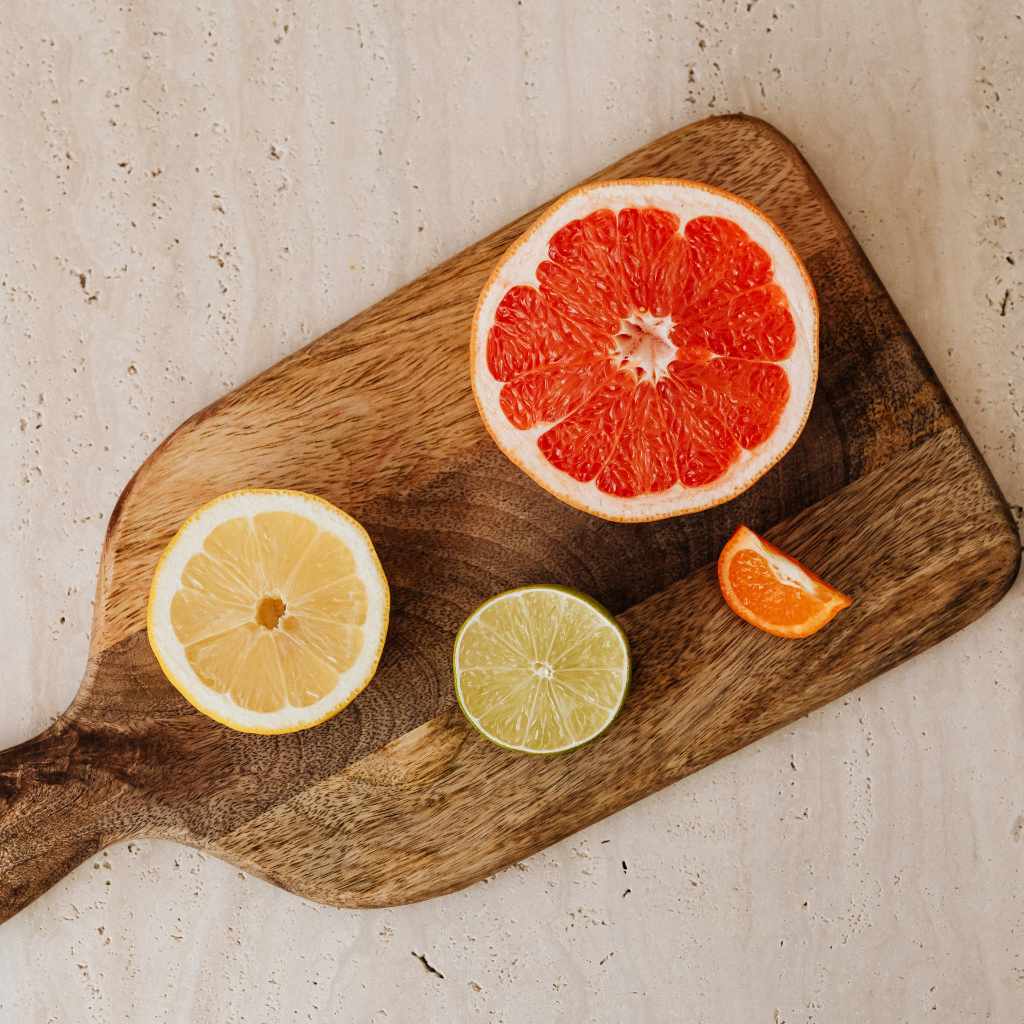
Acacia wood comes from acacia trees, which are found in many parts of the world, especially in warmer climates. There are hundreds of different acacia tree species. The wood is known for being hard and durable.
This is why it’s a popular choice for things like furniture, flooring, and yes, cutting boards.
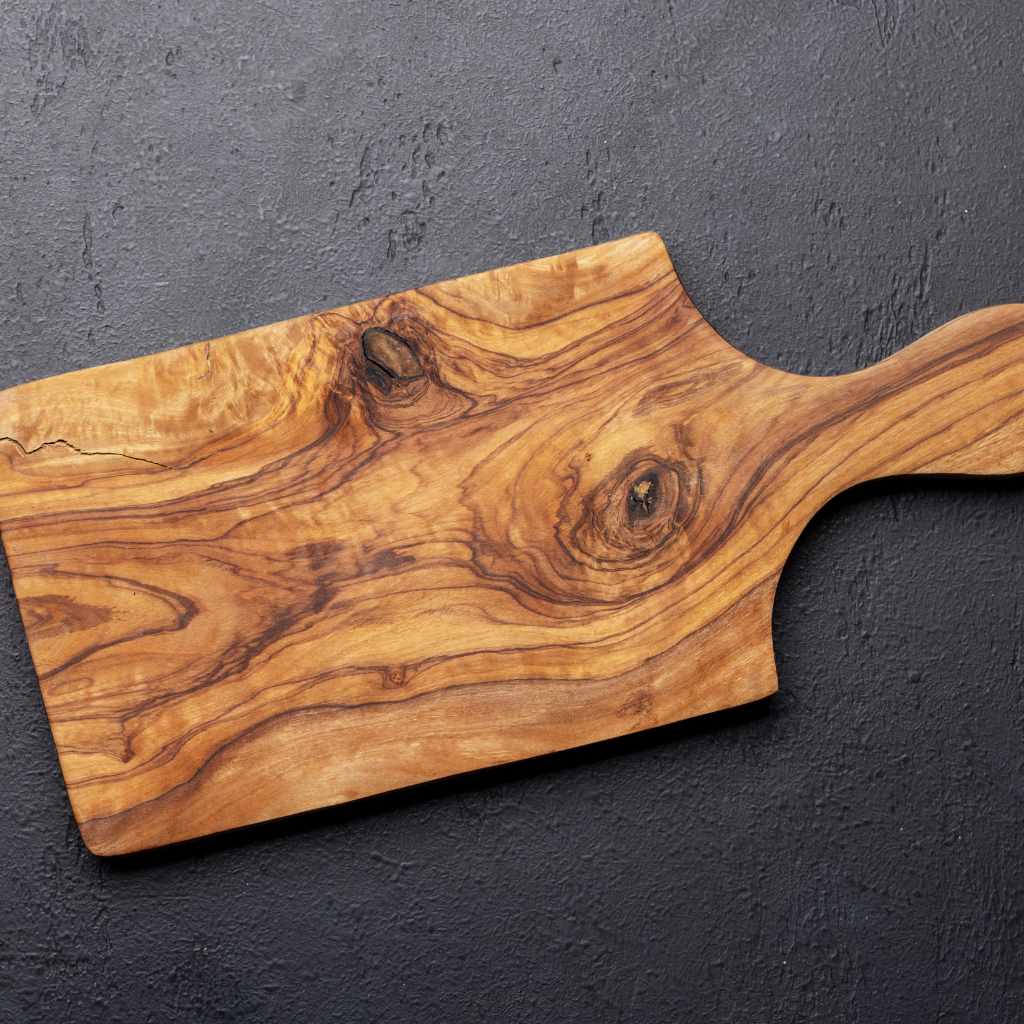
The look of acacia wood is also a big part of its appeal. It often has a beautiful, natural grain with different shades of brown, sometimes with hints of yellow or red. Each piece can be unique, giving your kitchen a warm and stylish feel.
Acacia Wood Cutting Boards Pros
Let’s talk about why many people like acacia wood for their cutting boards. There are several good reasons:
- Durability: Acacia wood is a hardwood. This means it’s dense and strong. It can stand up to regular chopping and slicing without getting damaged easily. You won’t have to worry about it getting deeply scored after just a few uses.
- Natural Beauty: As mentioned, acacia wood has a really nice look. The varying colors and grain patterns make each cutting board a bit of a unique piece of art. It can add a touch of natural elegance to your kitchen counter.
- Knife Friendliness: Compared to materials like glass or stone, wood cutting boards are much kinder to your knife blades. Acacia’s hardness is balanced enough that it won’t dull your knives as quickly.
- Water Resistance: Acacia wood has natural oils that make it fairly resistant to water. This helps prevent warping and cracking, especially if you take good care of it.
- Antimicrobial Properties: Wood, in general, has some natural antimicrobial properties. While not a substitute for cleaning, this is an added bonus for food safety.
- Sustainably Sourced Options: Many acacia wood products, including cutting boards, can be sourced from sustainably managed forests. This is a good option if you’re looking for eco-friendly choices.
Acacia Wood Cutting Boards Cons
No material is perfect, and acacia wood cutting boards do have a few downsides to consider:
- Requires Maintenance: Like all wood cutting boards, acacia needs regular care. This includes oiling to keep it from drying out and cracking, and proper cleaning to prevent bacteria growth.
- Can Stain: While it’s water-resistant, strong colored foods like beets or berries can sometimes leave stains on the wood, especially if not cleaned up promptly.
- Can Absorb Odors: Over time, and with certain strong-smelling foods like garlic or onions, wood can absorb odors.
- Can Be Heavy: Due to its density, some acacia wood cutting boards can be quite heavy, which might make them a bit less convenient to move around or clean.
- Variability in Quality: Not all acacia wood cutting boards are made equal. The quality can vary depending on the source of the wood, how it’s constructed (e.g., end grain vs. edge grain), and the finish used.
Acacia Wood vs. Other Cutting Board Materials
It’s helpful to see how acacia wood stacks up against other popular cutting board materials:
| Material | Pros | Cons |
|---|---|---|
| Acacia Wood | Durable, beautiful, knife-friendly, water-resistant, some antimicrobial properties. | Requires maintenance, can stain/absorb odors, can be heavy, quality varies. |
| Bamboo | Sustainable, lightweight, naturally resistant to bacteria, relatively inexpensive. | Can be hard on knives, can warp if not cared for, glues used in some boards can be a concern. |
| Maple Wood | Durable, close-grain, less likely to absorb odors or stain, good for knives. | More expensive than some options, can still warp if not maintained. |
| Plastic | Dishwasher safe, easy to clean, inexpensive, non-porous. | Can harbor bacteria in knife marks, dulls knives quickly, less attractive. |
| Glass | Very easy to clean, non-porous, doesn’t stain or absorb odors. | Extremely hard on knives, can chip or break, slippery. |
As you can see, each material has its trade-offs. Acacia wood often strikes a good balance between looks, durability, and knife care, provided you’re willing to do a little upkeep.
Caring for Your Acacia Wood Cutting Board
To get the most out of your acacia wood cutting board and keep it looking great, follow these simple care tips:
- Clean Immediately: Wash your cutting board right after each use. Use warm water and a mild dish soap.
- Scrub Gently: Use a soft sponge or cloth to clean. For tough spots, a gentle scrub brush can help.
- Rinse Thoroughly: Make sure to rinse off all soap and food particles.
- Dry Completely: This is a very important step. Always stand the board up on its side to air dry. Don’t leave it flat, as this can trap moisture and lead to warping or mold.
- Oil Regularly: Periodically (once a month, or more often if it looks dry), treat your board with food-grade mineral oil or a specialized cutting board conditioner. This keeps the wood hydrated, prevents it from cracking, and makes it more resistant to stains and odors. Apply the oil, let it soak in for a few hours or overnight, then wipe off any excess.
- Avoid the Dishwasher: Never put your acacia wood cutting board in the dishwasher. The harsh detergents, high heat, and prolonged exposure to water will damage the wood, causing it to warp, crack, and split.
- Sanitize When Needed: If you need to sanitize your board, you can use a diluted vinegar solution or a weak bleach solution (1 teaspoon bleach per quart of water), but always rinse thoroughly afterward and dry completely.
Edge Grain vs. End Grain Acacia Wood Boards
When you’re looking at acacia wood cutting boards, you might see terms like “edge grain” and “end grain.” These refer to how the wood is constructed:
- Edge Grain: This is the most common type. The wood strips are laid side-by-side with their long edges facing up. This construction is strong, durable, and usually more affordable. It’s great for general chopping and slicing.
- End Grain: In end grain boards, the wood is cut into blocks, and then the ends of the grain are glued together to form the surface. This creates a self-healing effect where knife marks tend to close up. End grain boards are often considered superior for knife longevity and are visually stunning, but they are usually more expensive and require more careful maintenance.
For most home cooks, an edge grain acacia wood cutting board is an excellent choice. If you’re looking for the absolute best for your knives and have the budget, an end grain board could be considered.
Frequently Asked Questions
Question: Are acacia wood cutting boards safe for food?
Answer: Yes, acacia wood cutting boards are generally safe for food preparation. The wood itself is non-toxic, and when properly maintained with food-grade oils, it provides a safe surface for cutting and chopping.
Question: How often should I oil my acacia wood cutting board?
Answer: You should oil your acacia wood cutting board about once a month. If you notice it looks dry or starts to feel rough, it’s time to apply more oil. Frequent use and washing will also dictate how often you need to oil it.
Question: Can I cut raw meat on an acacia wood cutting board?
Answer: Yes, you can cut raw meat on an acacia wood cutting board, but it’s crucial to clean and sanitize it thoroughly immediately after use to prevent the spread of bacteria. It’s a good idea to have separate cutting boards for raw meats and other foods.
Question: Will my acacia wood cutting board warp?
Answer: Acacia wood cutting boards can warp if they are not cared for properly. Factors like prolonged exposure to water, inconsistent drying, and extreme temperature changes can cause warping. Always dry the board completely and store it upright.
Question: Is acacia wood harder than maple wood?
Answer: Acacia wood is generally considered to be as hard, if not slightly harder, than maple wood, depending on the specific species of acacia. Both are excellent hardwoods that hold up well to daily kitchen use.
Final Thoughts
So, are acacia wood cutting boards good? The answer is a resounding yes, with a few important considerations. They offer a fantastic combination of beauty and practicality that many cooks appreciate.
Their natural hardness means they can withstand daily use without showing excessive wear, and their attractive grain can really add a warm, natural touch to your kitchen. You get a surface that’s easier on your knives than many alternatives, and while they do require care, the maintenance is straightforward and rewarding. By taking the time to clean, dry, and oil your board regularly, you ensure it stays hygienic, functional, and beautiful for years to come.
Think of it as investing a little time to keep a great tool in top shape. Choosing an acacia board means you’re picking something that looks good, feels good to use, and can be a reliable part of your cooking routine. Just remember to treat it well, and it will serve you faithfully.