Are Acorns From Oak Trees: Essential Facts
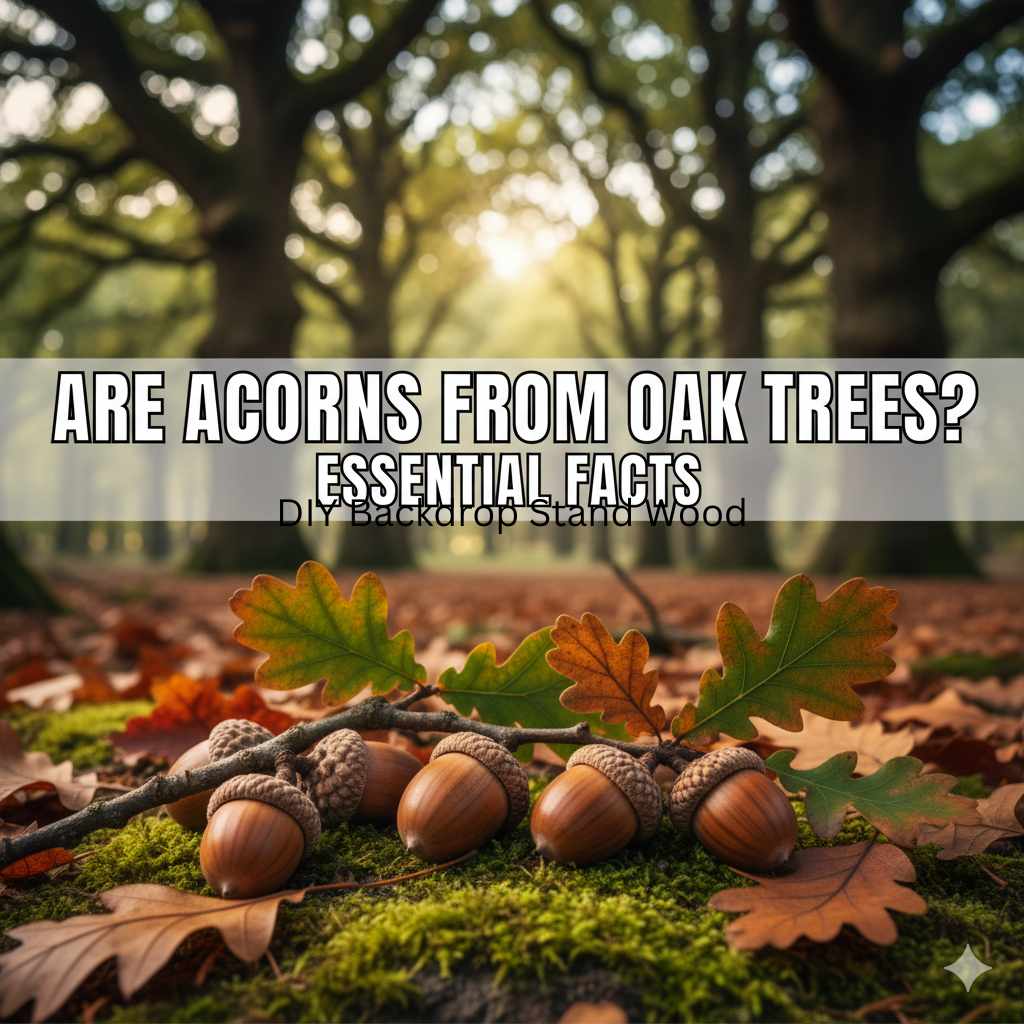
Yes, acorns are the fruit and seeds of oak trees. These woody nuts come from the female flowers of oak trees and contain a new oak seedling.
Have you ever spotted those little capped nuts on the ground beneath a majestic tree and wondered, “Are acorns from oak trees?” It’s a common question, especially for those new to gardening or enjoying nature! Sometimes, things in nature can be a bit confusing, and it’s easy to mix up different plant parts. This guide is here to clear things up for you. We’ll break down exactly what acorns are, how they grow, and why they’re so important. You’ll be identifying oak trees and their amazing acorns like a pro in no time!
What Exactly Is An Acorn?
An acorn is essentially the seed and fruit of an oak tree (species belonging to the genus Quercus). Think of it as nature’s way of reproducing. Each acorn has a hard shell (the “nut”) and a cap, which is actually a cluster of modified leaves that protect the developing seed inside. When an acorn is ready, it drops from the tree, and if conditions are just right, it can sprout into a brand-new oak tree. Pretty amazing, right?
The Incredible Journey: How Acorns Grow
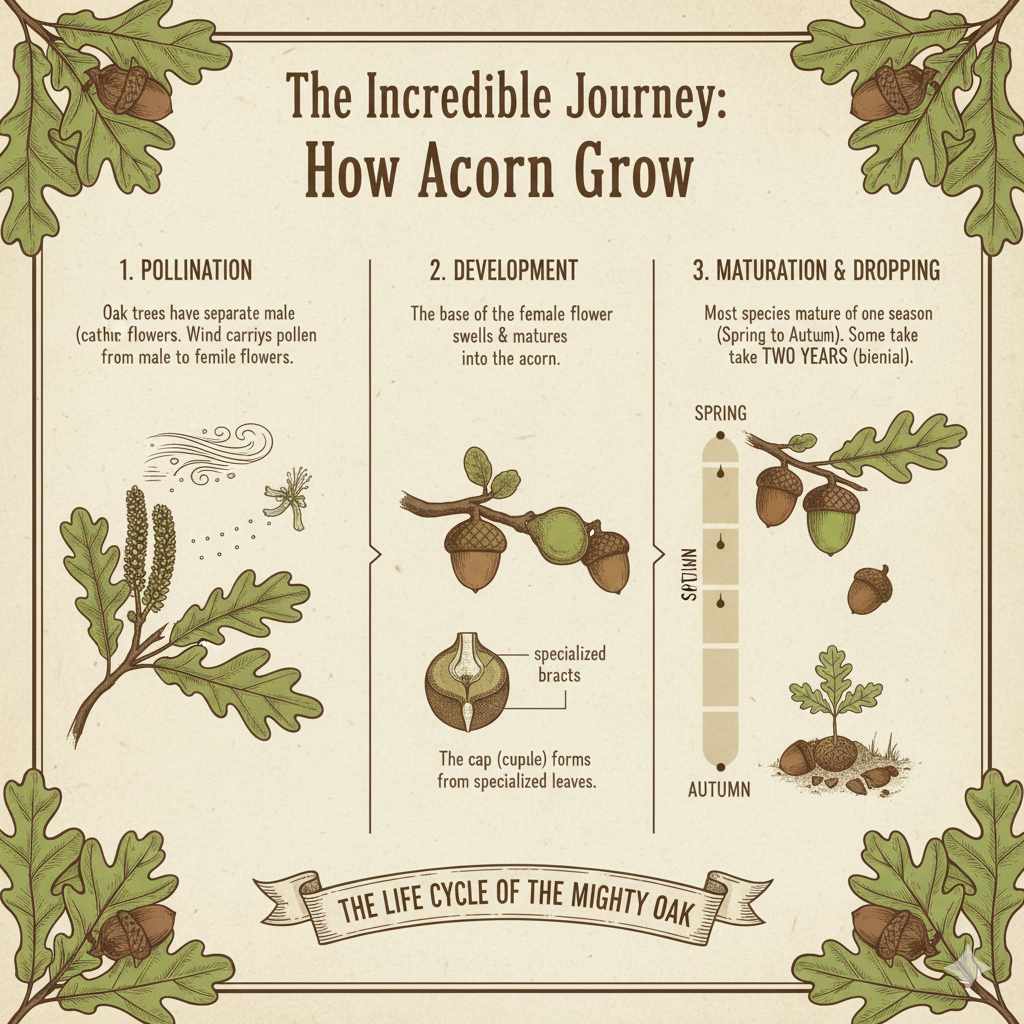
The process of an acorn forming is a fascinating part of the oak tree’s life cycle. It all starts with the oak tree producing separate male and female flowers. The male flowers, called catkins, release pollen that is carried by the wind. If this pollen lands on a female flower (which looks like a tiny cluster of buds), pollination occurs. This is the very first step in the acorn’s development.
After successful pollination, the base of the female flower begins to swell and mature. This swelling develops into the acorn. The cap you see on an acorn is called a cupule, and it forms from specialized bracts (modified leaves) that surround the base of the developing nut. The size and shape of the cupule can vary quite a bit depending on the type of oak tree.
It takes a considerable amount of time for an acorn to mature. In most oak species, this development process spans from pollination in the spring to ripening and dropping in the autumn of the same year. Some species, however, take two years to mature their acorns, a process known as biennial mast-fruiting. This means they only produce a good crop of acorns every other year.
Identifying Oak Trees: What to Look For
Since acorns come specifically from oak trees, knowing how to identify these majestic trees is key. While acorns are a dead giveaway, you can also identify oak trees by their leaves, bark, and overall shape.
Leaf Shapes: A Key Identifier
Oak leaves come in a surprising variety of shapes, but they generally fall into two main categories: lobed and unlobed.
- Lobed Leaves: These are perhaps the most classic oak leaf shape. They have rounded or pointed extensions called lobes, with sinuses (indentations) in between. Think of the classic oak leaf shape you might see on a coat of arms. Examples include the Red Oak (pointed lobes) and the White Oak (rounded lobes).
- Unlobed Leaves: Some oaks, like the Live Oak, have leaves that are more elongated and lack distinct lobes. These leaves are often leathery and can have smooth or toothed edges.
Bark Textures
The bark of an oak tree can also offer clues. Mature oak trees often have bark that is deeply furrowed, giving it a rough and rugged appearance. The exact texture can vary: some oaks have dark, blocky bark, while others might have more ridged patterns. Younger oak trees will have smoother bark that becomes rougher as they age.
Tree Shape and Size
Oak trees are typically large, deciduous trees (meaning they lose their leaves in the fall) with a spreading crown. They can grow to be very old and impressive specimens, forming a significant part of many forest ecosystems. Some evergreen oaks, like the Live Oak, retain their leaves year-round.
Acorns: More Than Just Tree Nuts
Beyond their role in continuing the oak species, acorns have played a significant part in history and continue to be important in ecosystems today. They are a rich food source for a wide variety of wildlife and were once a staple food for humans.
A Feast for Wildlife
Acorns are a powerhouse of nutrients, packed with carbohydrates and fats, making them an ideal food for many animals. Squirrels and chipmunks are famous for burying and stashing acorns for winter. Deer, wild turkeys, jays, woodpeckers, and even mice all rely on acorns to survive. The abundance or scarcity of acorns, known as a mast year, can significantly impact the populations of these animals.
This symbiotic relationship is crucial for forest health. Animals that bury acorns often forget where they’ve stashed them, which helps new oak trees sprout in new locations. It’s a win-win situation!
Historical Significance for Humans
Long before supermarkets, acorns were a vital food source for many indigenous cultures and early settlers. They were typically processed to reduce their bitter tannins, often by leaching with water or roasting, before being ground into flour to make bread, porridge, or other dishes. Evidence suggests that acorns have been used as a food source for over 10,000 years in some regions.
The nutritional value and abundance of acorns made them a reliable and sustainable food option in areas where oak trees thrived.
Types of Oak Trees and Their Acorns
There are hundreds of species of oak trees around the world, and while they all produce acorns, there can be notable differences. Here are a few common types:
White Oaks (Quercus alba)
The White Oak is native to eastern North America and is a very well-known species. Its acorns are typically sweet and mature in a single season. They have a distinctive shallow, warty cap that covers about a quarter of the nut. The leaves have rounded lobes.
Red Oaks (Quercus rubra)
This group includes many popular oak species across North America and Europe. Red Oak acorns are generally more bitter than White Oak acorns due to higher tannin content and take two seasons to mature. Their caps are usually deeper and have more pronounced scales. The leaves typically have pointed lobes with bristle-tipped edges.
Live Oaks (Quercus virginiana)
Found in the southeastern United States, Live Oaks are evergreen, meaning they keep their leaves year-round. Their acorns are small and relatively sweet, maturing in one season. They typically have a shallow, saucer-like cap.
Pin Oaks (Quercus palustris)
Common in eastern North America, Pin Oaks have deeply cut leaves with pointed lobes and a distinctive weeping lower branch structure. Their acorns are small and have a shallow, tightly scaled cap.
Fascinating Acorn Facts
Let’s dive into some fun facts about acorns that you might not know:
- Size Variation: Acorns can vary significantly in size, from less than half an inch to over two inches long, depending on the oak species.
- Longevity: While many acorns are eaten by wildlife or don’t germinate, some have the potential to live for hundreds of years as mighty oak trees.
- Tannins: The bitter taste of many acorns comes from tannins. While unpalatable to humans in large quantities, they actually help protect the seed from insects and microbial decay.
- Wind Pollination: Oak trees rely entirely on the wind to carry pollen from male flowers to female flowers. They don’t need bees or other insects for pollination.
- “Masting”: This term refers to the years when oak trees produce an unusually large crop of acorns. These masting events can occur every two to five years and are crucial for wildlife populations.
When Do Acorns Fall?
The time when acorns fall from oak trees is generally in the autumn months, typically from September through November in the Northern Hemisphere. The exact timing can depend on the specific oak species and local climate conditions. Early frosts or particularly good growing seasons can influence when acorns ripen and detach from their branches.
You’ll often see the ground littered with acorns after a windy or rainy day in the fall. This is a natural part of the seed dispersal process. Some acorns might drop earlier, especially if they are damaged or if the tree is under stress, but the main dropping season is during autumn.
Can You Eat Acorns?
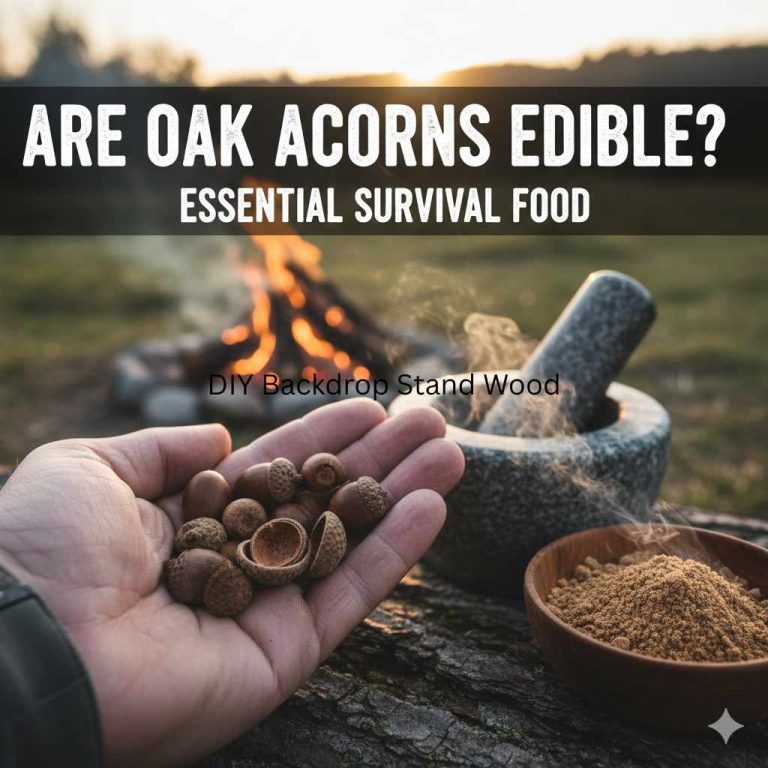
Yes, you can eat acorns, but it’s not as simple as picking one up and biting into it! Many acorns, especially from Red Oak species, contain high levels of tannins, which make them very bitter and can cause digestive upset if eaten raw in significant amounts. White Oak acorns tend to be sweeter and have fewer tannins.
To make acorns edible and palatable for humans, they need to be processed to remove or reduce the tannins. Common methods include:
- Leaching: This involves soaking the acorns in water for an extended period, either by repeatedly changing the water or by burying them in a porous bag in a stream or body of water. This process draws out the bitter tannins.
- Boiling: Boiling the acorn kernels in several changes of water can also help leach out the tannins.
- Roasting: Roasting the acorns can help make them more palatable and can also contribute to drying them out, which helps with long-term storage.
Processed acorn flour can be used in various recipes, such as breads, pancakes, and cookies. However, it’s important to correctly identify the oak species and use appropriate processing methods to ensure they are safe and enjoyable to eat. Foraging for food should always be done with proper knowledge and caution. If you’re interested in learning more about foraging, consider consulting resources from organizations like the U.S. Forest Service which provides general information on forest ecosystems and tree facts.
Acorns in Woodworking
As a woodworking mentor, I always get excited about the materials nature provides! While we usually think of acorns as food or seeds, they even have a tiny tangential connection to woodworking. The mighty oak tree they come from is one of the most treasured hardwoods in furniture making and construction. Its strength, durability, and beautiful grain make it a favorite for everything from fine cabinets to sturdy flooring and framing.
While you won’t be carving acorns into furniture, understanding their origin connects you to the magnificent source of this material. The very tree that produces these small nuts is the giant that provides us with lumber for our projects! It’s a wonderful reminder of the bounty and strength of nature.
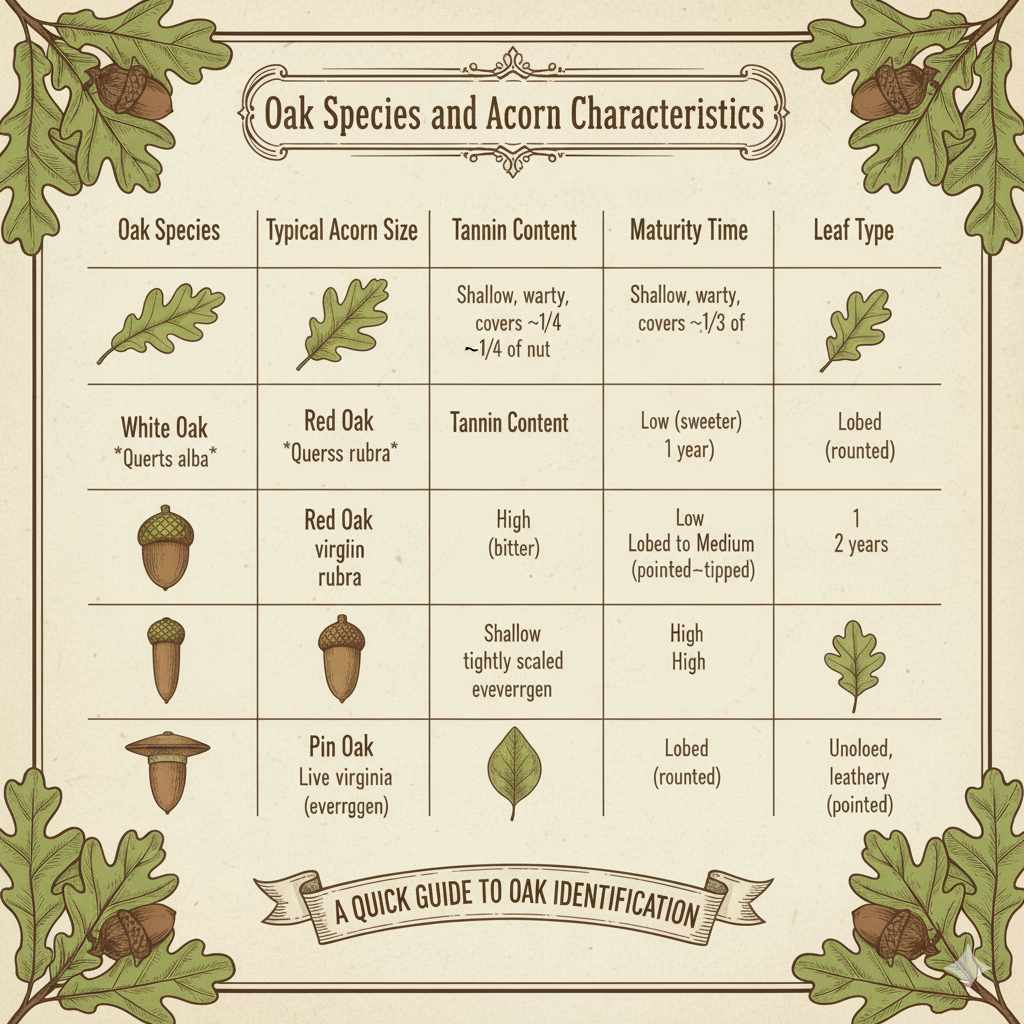
Table: Oak Species and Acorn Characteristics
Here’s a quick comparison of some common oak species and their acorn traits:
| Oak Species | Typical Acorn Size | Cap Type | Tannin Content | Maturity Time | Leaf Type |
|---|---|---|---|---|---|
| White Oak (Quercus alba) | Medium | Shallow, warty, covers ~1/4 of nut | Low (sweeter) | 1 year | Lobed (rounded) |
| Red Oak (Quercus rubra) | Medium to Large | Deeper, scaly, covers ~1/3 of nut | High (bitter) | 2 years | Lobed (pointed, bristle-tipped) |
| Live Oak (Quercus virginiana) | Small | Shallow, saucer-like | Low to Medium | 1 year | Unlobed, leathery (evergreen) |
| Pin Oak (Quercus palustris) | Small | Shallow, tightly scaled | High | 2 years | Deeply lobed (pointed) |
FAQ: Your Acorn Questions Answered
Are acorns poisonous to dogs?
Acorns can be problematic for dogs. They contain tannins, which can cause gastrointestinal upset like vomiting and diarrhea. Ingesting large quantities could potentially lead to more serious issues, including kidney damage, though this is rare. It’s best to keep dogs from eating acorns. If your dog has eaten a large amount, consult your veterinarian.
Can you grow an oak tree from an acorn?
Yes, absolutely! You can grow an oak tree from an acorn. The best acorns for planting are those that are fresh, plump, and free from holes (which indicate insect infestation). You can plant them directly into the ground in the fall, or you can stratify them (expose them to a period of cold, moist conditions) in the refrigerator over winter before planting in the spring. Ensure they are planted at the correct depth and kept moist.
Why do oak trees drop so many acorns at once?
This phenomenon is called “masting.” Oak trees engage in masting to ensure that enough acorns survive to germinate. By producing a huge crop in certain years, they overwhelm seed predators (like squirrels and insects). While many acorns will be eaten, the sheer abundance means that a significant number will be left uneaten, increasing their chances of sprouting into new oak trees. This typically happens in cycles of 2-5 years.
Are acorns good for the environment?
Yes, acorns are incredibly beneficial for the environment. They are a vital food source for a vast array of wildlife, supporting healthy ecosystems from small insects to larger mammals. They also play a crucial role in forest regeneration, as many acorns are buried by animals and end up sprouting into new trees, helping to maintain oak populations and forest diversity. The fallen acorns also contribute organic matter to the soil.
What is the cap of an acorn called?
The cap of an acorn is called a “cupule.” This cup-like structure develops from modified leaves (bracts) at the base of the acorn and helps protect the developing seed. The shape, size, and texture of the cupule can vary significantly between different species of oak trees, serving as one way to identify them.
Are all acorns edible?
No, not all acorns are equally edible or palatable for humans. While all originate from oak trees, the tannin content varies greatly by species. The acorns from White Oak species are generally lower in tannins and are considered more palatable and easier to prepare for consumption. Acorns from Red Oak species have higher tannin levels and require more extensive processing (like leaching) to become edible and remove bitterness.
Conclusion
So, there you have it! The mystery is solved: acorns are indeed the seeds and fruits produced by oak trees. They are nature’s perfectly designed package, carrying the potential for a new forest within their sturdy shells. From their complex growth cycle and varied appearance across different oak species to their critical role in supporting wildlife and even their historical place in human diets, acorns are far more than just common tree nuts. They are a symbol of the strength, resilience, and generosity of the oak tree, a connection point in the natural world that benefits us all.
Whether you’re a gardener, a nature lover, a DIYer inspired by the hardwood these trees provide, or simply someone curious about the world around you, understanding acorns enriches your appreciation for these magnificent trees. Next time you see an acorn, you’ll know its origin, its purpose, and the incredible journey it represents. Keep exploring, keep learning, and enjoy the wonders of nature!