Are Black Walnuts Good For You? Health Benefits Revealed
It’s easy to get curious about food, right? Especially when it looks a little different or comes from a tree you might have seen. You might be wondering, “Are black walnuts good for you?” It’s a great question to ask.
These nuts are packed with interesting stuff. We’ll dive deep into what makes them special. Let’s uncover their health benefits together.
Black walnuts offer a range of health benefits due to their rich nutrient profile. They contain healthy fats, protein, fiber, and important minerals like magnesium and potassium. Their antioxidant content also plays a key role in promoting well-being.
What Are Black Walnuts?

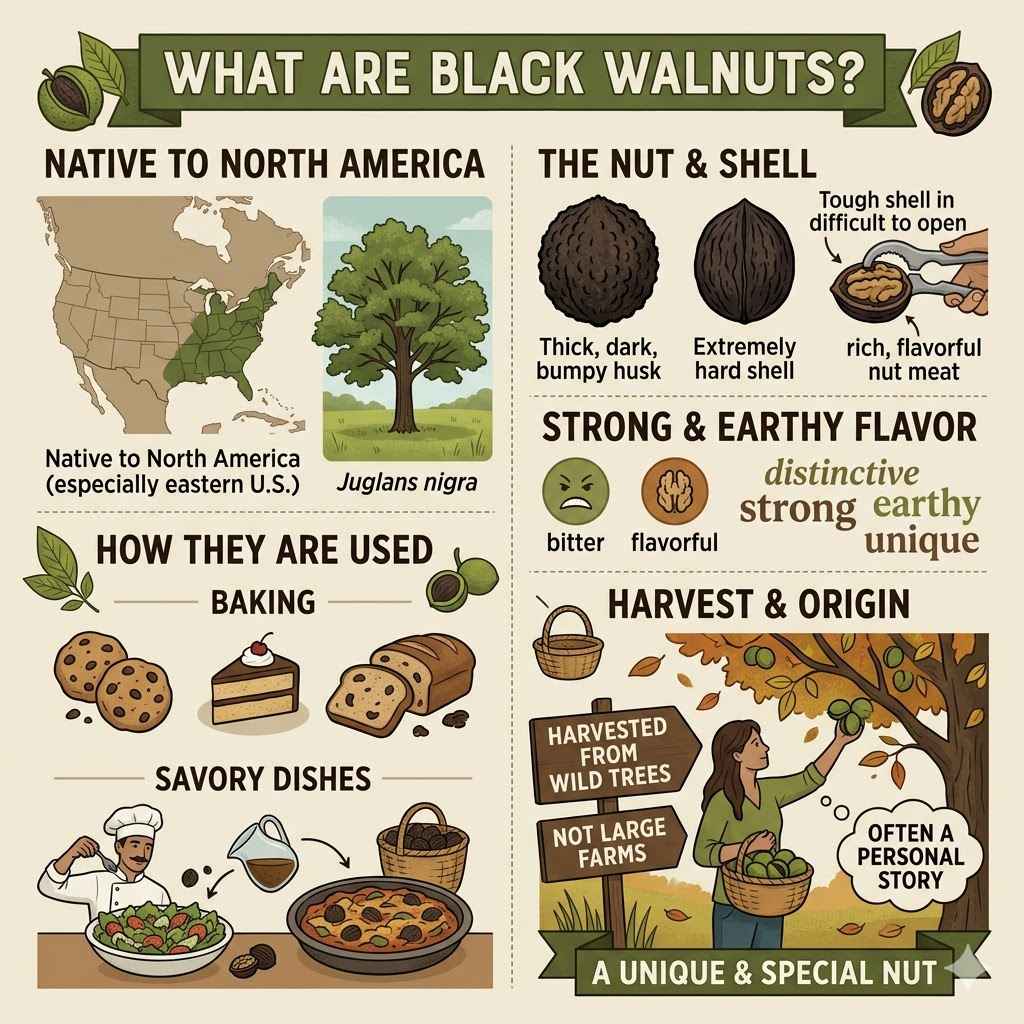
Black walnuts are a type of nut. They grow on trees. These trees are native to North America.
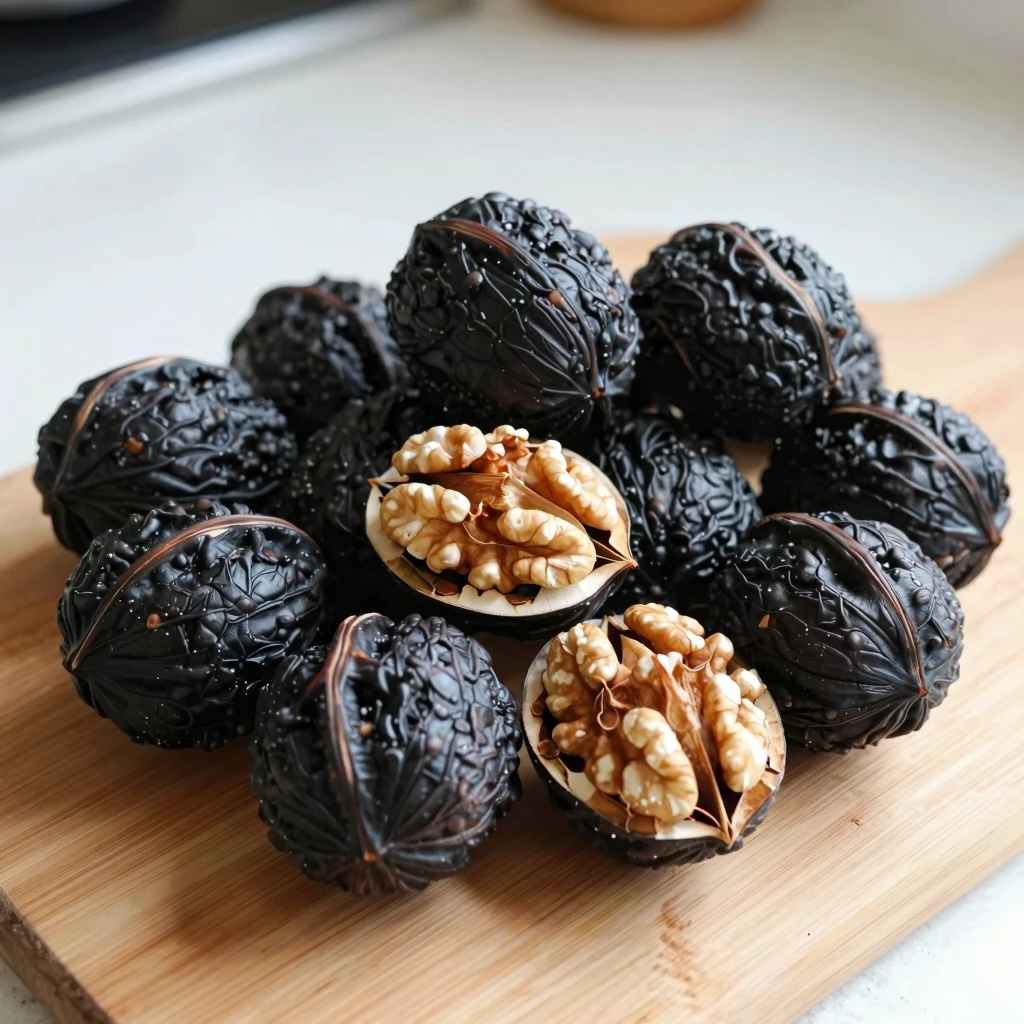
Think of the eastern United States. They look a bit like regular walnuts. But they have a darker shell.
The shell is also very hard. It’s often hard to crack open. Inside, the nut meat is rich and flavorful.
It’s a bit different from the English walnuts we see more often.
The taste of a black walnut is strong. It’s often described as earthy. Some say it’s a bit bitter.
This strong flavor makes them unique. They are not always eaten raw by the handful. Instead, people use them in baking.
They are great in cookies, cakes, and breads. Chefs also like to use them in savory dishes. They add a special touch.
Many black walnuts are harvested from wild trees. This means they are not grown in large farms. This can make them a bit harder to find.
It also means they are often collected by individuals. This adds to their special charm. Knowing where your food comes from is nice.
With black walnuts, it’s often a personal story.
Nutritional Powerhouse: What’s Inside?
Let’s talk about what makes black walnuts so good. They are full of good things for your body. It’s like a tiny package of health.
One of the main things is healthy fats. These are the good kinds of fats. They help your body work well.
They are important for your heart. They can also help your brain.
Black walnuts also have protein. Protein is building blocks for your body. It helps your muscles.
It keeps you feeling full. This can be helpful if you are trying to manage your weight. They also contain fiber.
Fiber is super important for your tummy. It helps things move smoothly. It’s also good for your heart.
Minerals are another big plus. Black walnuts offer magnesium. Magnesium is used in many body parts.
It helps with energy. It keeps your nerves working. They also have potassium.
Potassium is known for heart health. It helps manage blood pressure. You can also find some iron.
Iron helps carry oxygen in your blood.
Plus, there are vitamins. While not as high in vitamins as some other foods, they still contribute. You’ll find some B vitamins.
These help your body use energy. They are important for your metabolism.
Key Nutrients in Black Walnuts
Healthy Fats: Mostly monounsaturated and polyunsaturated fats.
Protein: Essential for body repair and growth.
Fiber: Supports digestive health and blood sugar levels.
Minerals: Rich in magnesium, potassium, and phosphorus.
Antioxidants: Help fight cell damage.
Health Benefits of Black Walnuts
Now, let’s connect these nutrients to your health. The healthy fats in black walnuts are a big deal. They include omega-3 fatty acids.
These are amazing for your heart. They can help lower bad cholesterol. They can also reduce inflammation.
This is good for your whole body.
The antioxidants in black walnuts are also a treasure. They help fight tiny things called free radicals. These can damage your cells.
Over time, this damage can lead to health problems. Antioxidants protect you. They are like tiny bodyguards for your cells.
This protection is vital for long-term health.
Let’s talk about brain health. The omega-3s are good for your brain too. They help brain cells communicate.
Some studies suggest that nuts can support cognitive function. This means they might help you think better. They could help with memory and focus.
It’s like giving your brain a little boost.
Weight management is another area. Nuts can be part of a healthy diet for weight. They are filling.
The protein and fiber help you feel satisfied. This can stop you from overeating. Just remember that nuts are calorie-dense.
So, portion control is key. A small handful is usually enough.
For your digestion, the fiber is a hero. It keeps your gut happy. It helps prevent constipation.
A healthy gut is linked to many other health benefits. It impacts your mood and your immune system too. So, that fiber is working hard.
The Antioxidant Power of Black Walnuts
Antioxidants deserve a special look. Black walnuts are loaded with them. They have compounds like ellagic acid.
They also contain vitamin E. These work together to protect your body. Think of them as the clean-up crew.
They sweep away harmful molecules.
Why is this important? Cell damage can happen every day. Pollution, stress, and even just normal body processes can create free radicals.
When there are too many, it’s called oxidative stress. This stress can contribute to aging. It can also play a role in chronic diseases.
Things like heart disease and certain cancers.
Eating foods rich in antioxidants can help balance this. Black walnuts provide a good source. This is one of the reasons they are considered healthy.
It’s not just about the basic vitamins and minerals. It’s also about these special protective compounds. They add an extra layer of defense for your body.
Antioxidant Action: What They Do
Neutralize Free Radicals: They stop damaging molecules.
Reduce Inflammation: They help calm down swelling in the body.
Protect Cells: They shield your body’s basic units from harm.
Support Healthy Aging: By reducing cell damage, they can help you age well.
Black Walnuts vs. English Walnuts: What’s the Difference?
Many people know English walnuts. They are the ones most often found in stores. So, how do black walnuts compare?
Well, black walnuts have a stronger taste. This is a big difference. English walnuts are milder.
They are good for snacking as they are.
In terms of nutrition, they are quite similar. Both are good sources of healthy fats, protein, and fiber. Both offer antioxidants.
Black walnuts might have a slight edge in certain nutrients. Some research points to higher levels of certain antioxidants in black walnuts. But both are very healthy choices.
The shells are very different. Black walnut shells are thick and hard. It’s tough to get the nut out.
English walnut shells are thinner. They are easier to crack. This is why English walnuts are more common for casual eating.
Black walnuts are often used more for flavor in recipes.
Availability is another point. English walnuts are grown commercially on a large scale. Black walnuts are often gathered from wild trees.
This means you might find them at farmers’ markets or specialty stores. They are less common in regular grocery aisles. This makes them a bit more of a treat.
Black Walnut vs. English Walnut
| Feature | Black Walnut | English Walnut |
| Taste | Strong, earthy, slightly bitter | Milder, buttery |
| Shell | Very hard, thick | Thinner, easier to crack |
| Availability | Less common, often wild-harvested | Widely available, commercially grown |
| Main Use | Baking, flavoring, savory dishes | Snacking, baking, general use |
My Own Black Walnut Adventure
I remember the first time I really tried black walnuts. It was at a local fall festival. There was a baker selling pies.
She had a “Black Walnut Pie.” I was intrigued. I love trying new things. I bought a slice.
The moment I tasted it, I knew it was different.
The crust was flaky. The filling was creamy. But the walnuts!
They had this deep, rich flavor. It wasn’t just sweet. It had this wonderful nutty depth.
It was intense, but in a good way. It made the pie so memorable. It wasn’t just another sweet treat.
Later, I talked to the baker. She told me she got her black walnuts from a local farm. They cracked them themselves.
It was a lot of work, she said. But she felt it was worth it for the unique taste. She said they added a special something that other nuts couldn’t match.
That conversation stuck with me. It made me appreciate the effort behind those delicious nuts.
Since then, I’ve made an effort to seek them out. I’ve tried baking with them myself. It is a bit of a project.
Cracking those shells takes patience and a strong hand. Or a good nutcracker! But when you finally get to the nut meat, it feels like a small victory.
The smell is so rich. The flavor is worth the effort.
How to Use Black Walnuts in Your Cooking
Because of their strong taste, black walnuts shine in certain recipes. Baking is a top spot. Think about cookies.
A classic chocolate chip cookie gets a whole new dimension with black walnuts. They add a savory note that balances the sweetness. It’s really good.
Brownies are another great option. The dark chocolate and the earthy walnut flavor are a match made in heaven. Cakes and muffins also work well.
Especially spice cakes or carrot cakes. The flavors complement each other beautifully. They add texture and depth.
Don’t forget about savory uses. You can chop them and add them to salads. They pair well with strong cheeses.
Think blue cheese or goat cheese. They can also be added to grain dishes. Like quinoa or farro.
They give a nice crunch and a rich taste.
Some people use them in sauces or pestos. They can add a nutty base. Or they can be sprinkled on top of roasted vegetables.
The key is to let their flavor stand out. You don’t want to hide it. Use it to enhance other ingredients.
Creative Black Walnut Ideas
Baking Boost: Add to cookies, brownies, and cakes.
Salad Sensation: Sprinkle chopped nuts on green salads.
Cheese Pairing: Serve alongside strong cheeses.
Savory Sides: Mix into rice, pasta, or roasted vegetables.
Pesto Power: Use as a base in homemade pesto.
Potential Downsides and Precautions
While black walnuts are healthy, there are a few things to keep in mind. The most common issue is allergies. Nut allergies are serious.
If you have a nut allergy, you should avoid black walnuts. It’s always best to be safe.
Some people might find the strong flavor a bit much. This is not a health risk. It’s just a matter of personal taste.
If you’re new to them, try using just a small amount first. See how you like it.
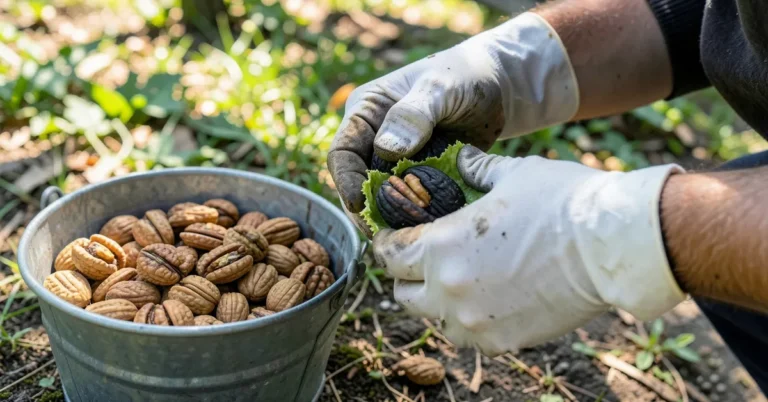
For those who harvest their own black walnuts, there’s a caution. The hulls of black walnuts can stain. They contain a dark dye called juglone.
This dye can stain your skin and clothing. It can also affect plants in your garden. So, wear gloves when handling them.
And protect your surfaces.
Juglone can also be a problem for some plants. If you have a garden, be mindful of where walnut trees are. Some plants don’t grow well near walnut trees.
This is due to the juglone in the soil. It’s a natural defense for the tree.
Important Notes on Black Walnuts
Allergies: Avoid if you have a nut allergy.
Taste Preference: Start with small amounts if you’re unsure about the flavor.
Staining Hulls: Wear gloves when handling fresh nuts; juglone can stain.
Plant Sensitivity: Be aware of juglone’s effect on certain garden plants.
Who Should Be Cautious with Black Walnuts?
If you have a known allergy to tree nuts, this is the biggest caution. Reactions can range from mild to severe. It’s crucial to avoid them.
Always read food labels carefully if you have allergies.
People with digestive sensitivities might want to start slow. Nuts are rich in fiber and fats. While good for most, some sensitive systems might need time to adjust.
If you experience any discomfort, reduce the amount you eat.
For pregnant or breastfeeding women, nuts are generally considered safe and healthy. They offer good nutrients. However, it’s always a good idea to discuss your diet with your doctor.
They can provide personalized advice based on your health.
Children can enjoy black walnuts too. But like all small, hard foods, supervision is needed. Ensure they are chewed well.
And that the nuts are chopped into smaller pieces for younger children. This helps prevent choking hazards. The rich flavor might be best introduced in baked goods for them.
When Are Black Walnuts in Season?
Black walnuts typically ripen and fall in the autumn. Think September through October, depending on the region. This is when you’ll find them most readily available.
Especially if you’re looking at farmers’ markets or talking to people who gather them.
Harvesting them involves gathering the nuts after they drop. You’ll want to collect them relatively quickly. This helps ensure they are fresh.
Before squirrels or other critters claim them all! The hulls will be green or yellowish-green when they are ready.
Once you have them, you’ll need to hull them. This is where the staining can happen. After hulling, they need to dry.
They are then ready to be cracked. Or you can store them to crack later. Properly dried black walnuts can last a good while.
If you’re buying them, they are usually sold already shelled. Or sometimes in the shell, but often from specialty sources. Knowing their season helps you know when to look for them.
And appreciate the effort that goes into getting them to you.
How to Store Black Walnuts
Proper storage is key to keeping black walnuts fresh. Like other nuts, they contain oils. These oils can go rancid over time.
Especially if exposed to heat and light.
The best way to store shelled black walnuts is in an airtight container. Keep them in a cool, dark place. A pantry is usually fine for short-term storage, maybe a few weeks.
For longer storage, the refrigerator is a good option. This can extend their freshness for several months. Make sure the container is truly airtight.
This prevents them from absorbing other smells in the fridge.
The freezer is your best friend for long-term storage. In an airtight bag or container, black walnuts can last up to a year or even longer. Freezing helps preserve those healthy oils.
It stops them from spoiling.
If you have unshelled black walnuts, they will last longer. Store them in a cool, dry place. Once cracked, they should be treated like shelled nuts.
Always check for freshness before using. If they smell off or taste bitter and stale, it’s time to toss them.
Storing Your Black Walnuts
Shelled (Short-term): Airtight container in a cool, dark pantry.
Shelled (Medium-term): Airtight container in the refrigerator.
Shelled (Long-term): Airtight bag or container in the freezer.
Unshelled: Cool, dry place.
Check for Freshness: Smell and taste before using.
Are Black Walnuts Healthy for Everyone?
For most people, yes, black walnuts are a healthy addition to the diet. They offer a fantastic nutrient profile. The healthy fats are great for heart and brain health.
The antioxidants help protect your cells. The fiber supports digestion. They are a good source of plant-based protein.
However, as we’ve touched on, there are exceptions. The most critical is nut allergies. If you have any doubt, avoid them.
Consult with an allergist if needed. For people with sensitive stomachs, start with small portions.
Consider the context of your overall diet. Nuts are nutrient-dense but also calorie-dense. They fit well into a balanced eating plan.
They are not a magic cure. But they are a valuable part of a healthy lifestyle. Think of them as a nutritional bonus.
The strong flavor means they might not be a daily snack for everyone. But incorporating them into recipes a few times a week can provide benefits. It’s about enjoying their unique taste and goodness.
They add a special something to your meals. And your health.
What This Means for You
So, are black walnuts good for you? Yes, they certainly can be! They bring a lot to the table.
Their healthy fats, antioxidants, and fiber are excellent for your well-being.
If you’re looking for a way to add more healthy fats and antioxidants to your diet, give black walnuts a try. Especially if you enjoy richer, deeper flavors in your food. They are a step up from regular snacking nuts for some.
Remember to use them in moderation. Especially if you are new to them or have a sensitive stomach. And always be mindful of nut allergies.
They are a powerful food, and like all powerful foods, understanding how to use them best is key.
Next time you see them, or have a chance to try something made with them, go for it! You might just discover a new favorite flavor. And you’ll be giving your body some great nutrients too.
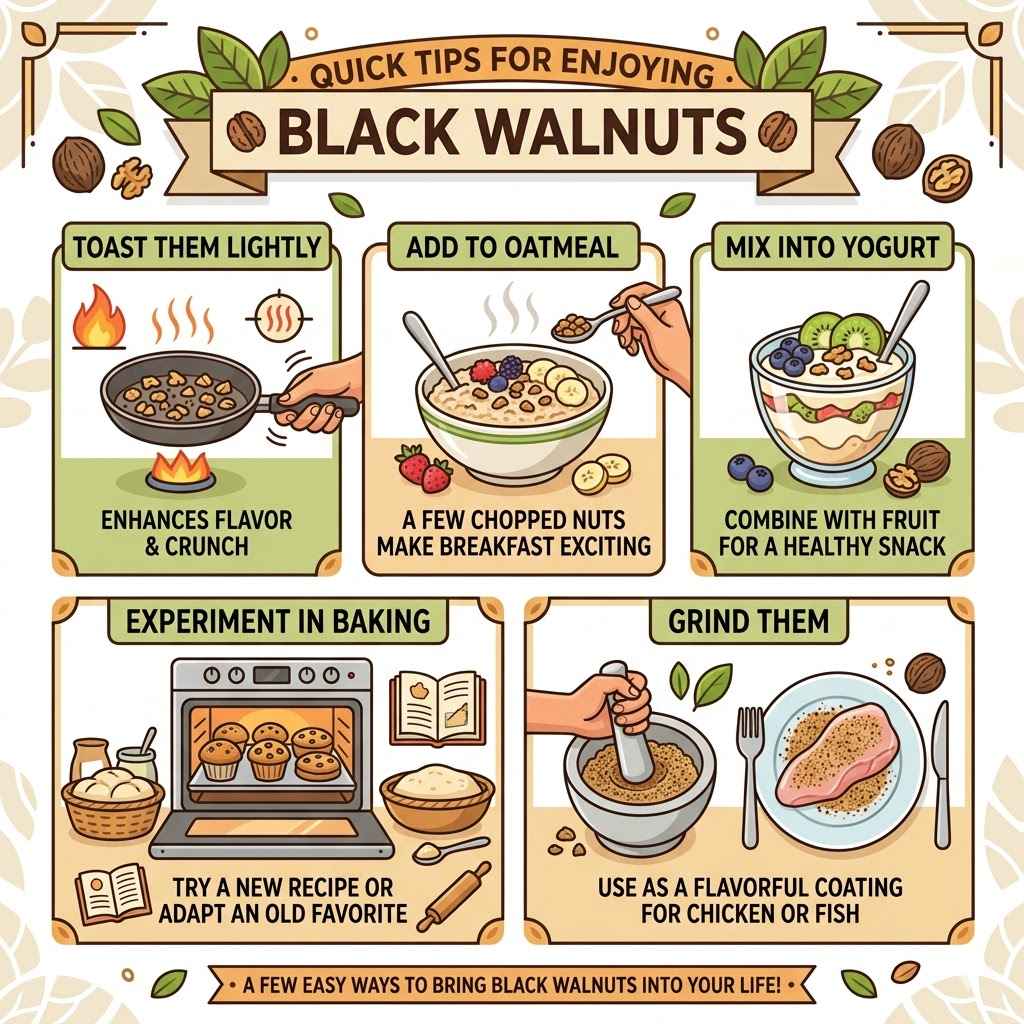
Quick Tips for Enjoying Black Walnuts
Here are some simple ways to bring black walnuts into your life:
- Toast them lightly: This enhances their flavor and crunch.
- Add to oatmeal: A few chopped nuts can make breakfast more exciting.
- Mix into yogurt: Combine with fruit for a healthy snack.
- Experiment in baking: Try a new recipe or adapt an old favorite.
- Grind them: Use as a flavorful coating for chicken or fish.
Frequently Asked Questions About Black Walnuts
Are black walnuts safe to eat raw?
Yes, black walnuts are safe to eat raw. However, their flavor is quite strong and can be bitter. Many people prefer to use them in baking or cooking where their intense flavor can be a delicious addition.
If you are trying them raw for the first time, you might want to start with a very small amount.
How do I crack open black walnuts?
Cracking black walnuts can be challenging due to their thick, hard shells. A heavy-duty nutcracker is recommended. Some people use a hammer to gently tap the shell along its seam, being careful not to crush the nut inside.
Protective eyewear is a good idea, and wearing gloves is advised because the hulls can stain.
Can I eat the hull of a black walnut?
No, you should not eat the hull of a black walnut. The green outer hull contains juglone, a compound that can be toxic and cause severe staining. The edible part of the black walnut is the kernel inside the hard shell.
Always remove the hull completely before attempting to crack the shell.
What are the main health benefits of black walnuts?
Black walnuts are rich in healthy fats, including omega-3 fatty acids, which are good for heart and brain health. They also provide protein, fiber, and antioxidants like ellagic acid, which help protect your cells from damage. Minerals like magnesium and potassium are also present, supporting various bodily functions.
Where can I buy black walnuts?
Black walnuts are less common than English walnuts. You might find them at local farmers’ markets, specialty food stores, or directly from local harvesters. Online retailers also offer them, often already shelled.
Their availability can be seasonal, typically in the fall.
Are black walnuts more expensive than English walnuts?
Generally, yes, black walnuts can be more expensive. This is due to their less common availability, the labor-intensive process of harvesting and cracking them, and their wild-harvested nature. Their unique flavor also makes them a specialty item for many consumers and chefs.
Conclusion: A Nut Worth Exploring
Black walnuts are a truly special food. They offer fantastic health benefits. They bring a unique, robust flavor to dishes.
While they might require a little more effort to find and prepare, the rewards are well worth it. From supporting your heart and brain to adding depth to your cooking, these native nuts are a treasure. Explore them and enjoy!
Sponsored / affiliate links. As an Amazon Associate I earn from qualifying purchases. I may earn additional commission from eligible campaigns.