Hickory Nut Vs Walnut: Key Differences Explained
Hickory nuts and walnuts are distinct tree nuts with differences in their shells, kernels, flavor, and the trees they grow on. While both are valuable, understanding these traits helps in identification and usage.
Understanding Hickory Nuts vs. Walnuts
Let’s dive into what makes a hickory nut a hickory nut, and a walnut a walnut. It’s not just about how they taste, though that’s a big part of it! We’ll look at the trees themselves, the nuts they produce, and what you can do with them.
This will help you spot them easily next time you’re out and about.
The Hickory Tree: A Closer Look
Hickory trees are a whole family of trees. There are many kinds of hickory. They grow all over the eastern United States.
They are known for their tough wood, which people have used for a long time. Think tool handles or smoky barbecue flavor. The trees often have compound leaves.
This means each leaf stalk has several smaller leaflets on it. The bark can vary a lot. Some are smooth when young, then get rid of scales.
Others have deep ridges.
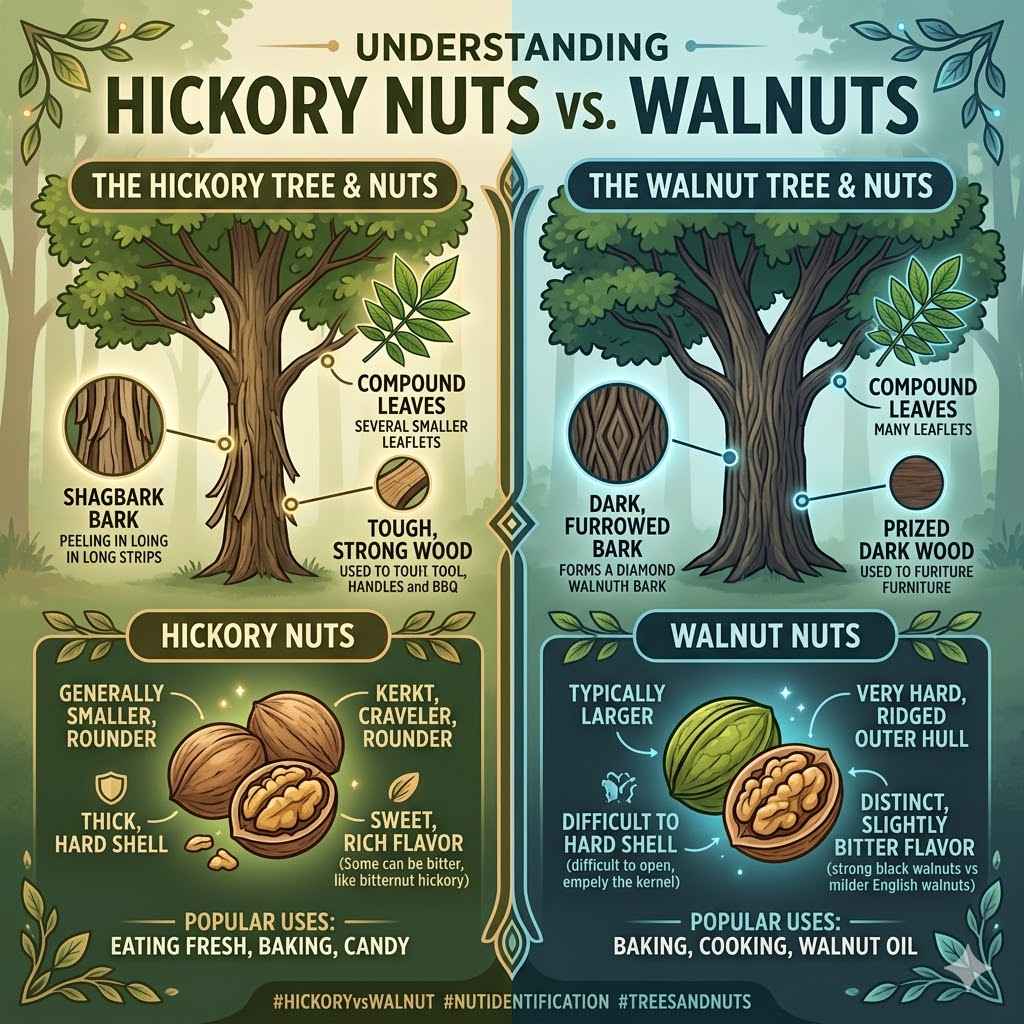
The nuts from hickory trees are generally smaller and rounder than walnuts. They often have a thick, hard shell. Inside, the kernel has a sweet, rich flavor.
But some hickory nuts can be a bit bitter. This depends on the type of hickory tree. Shagbark hickory is one of the most well-known.
Its bark peels off in long strips, looking shaggy. Its nuts are quite tasty.
The Walnut Tree: What to Expect
Walnut trees are also quite common in North America. The most famous is the black walnut. It’s prized for its dark, strong wood.
The trees themselves can get very large. Like hickories, walnut trees have compound leaves. Each leaf stalk has many leaflets.
This can make it hard to tell the trees apart just by looking at the leaves. But the bark is a clue. Black walnut bark is dark and has deep furrows.
It often looks like a diamond pattern. This is a good way to identify it.
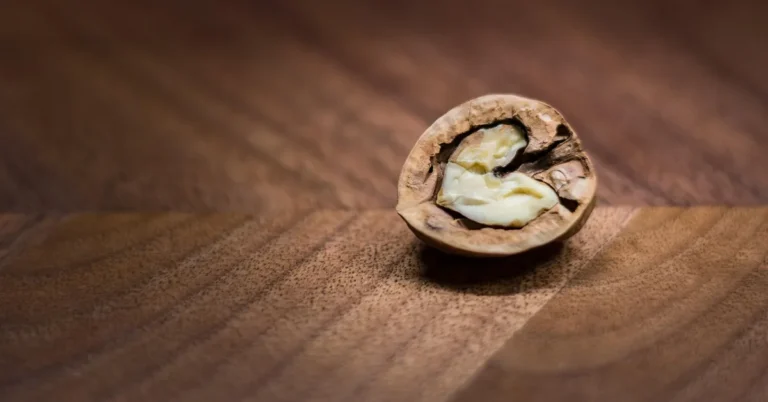
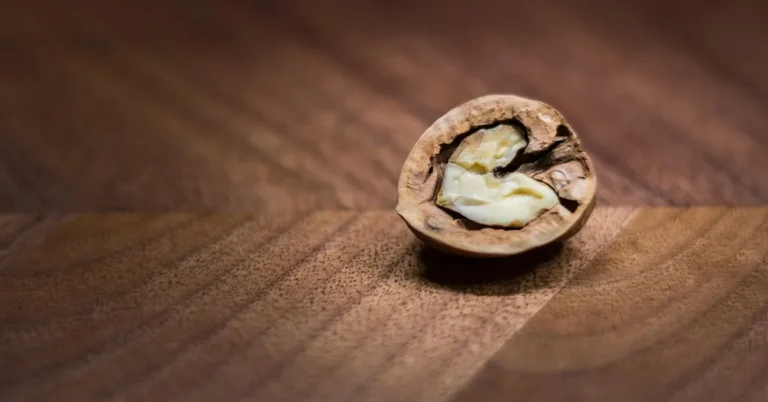
Walnut nuts are typically larger than hickory nuts. They have a very hard, ridged outer hull. Underneath that is the hard shell of the nut itself.
The kernel inside has a distinct, slightly bitter flavor. It’s less sweet than many hickories. Black walnuts have a very strong taste.
English walnuts, which are grown more for commercial use, have a milder flavor.
Key Differences: Shell, Kernel, and Taste
Now let’s get down to the nitty-gritty of the nuts themselves. This is where you’ll see the most obvious signs of what you’re holding.
Shell Appearance
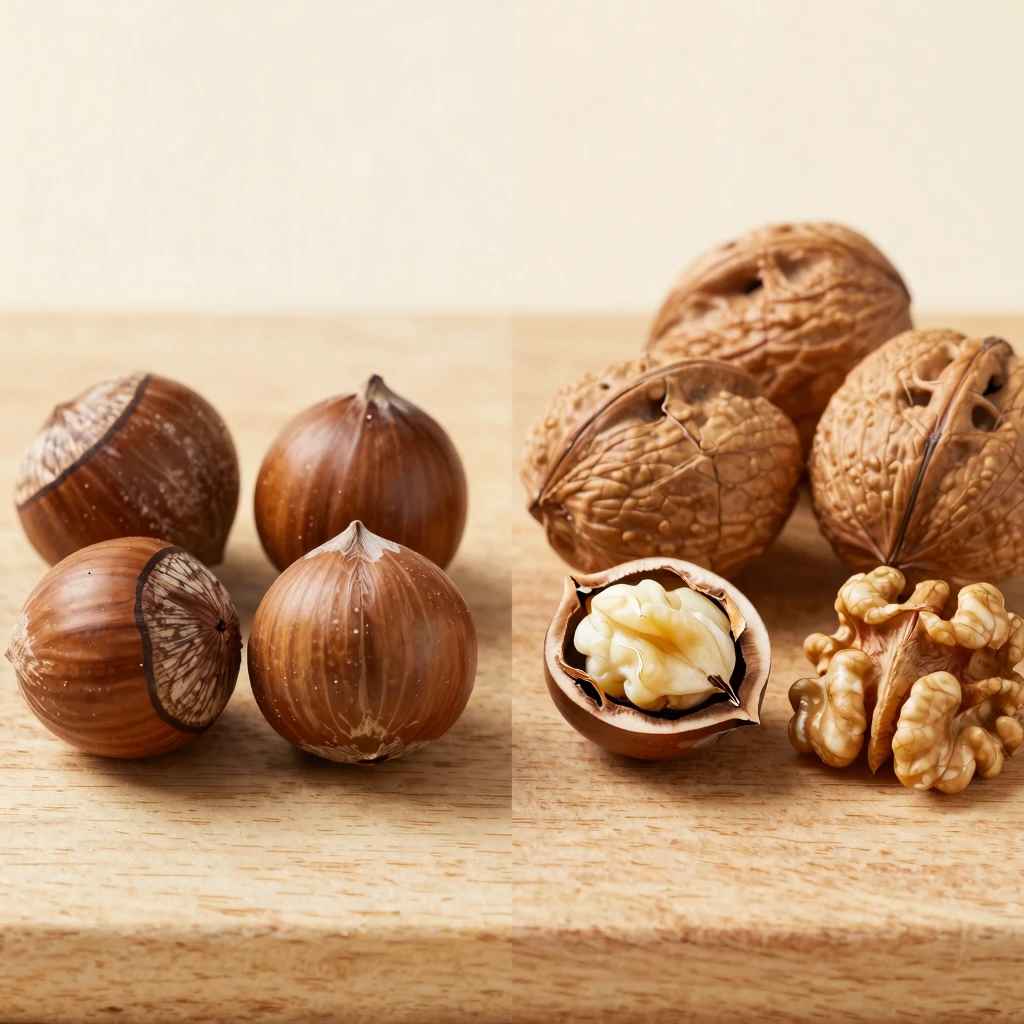
The shell is a big giveaway. Hickory nuts often have a shell that is smoother and more rounded. It might be somewhat football-shaped.
The shell splits open into four sections when it’s ripe. Think of it like a little capsule that pops open. This makes getting the kernel out a bit easier.
Some hickory shells are thin, while others are quite thick and tough.
Walnut shells are a different story. They are much harder and have a more irregular shape. Black walnuts, especially, have a shell that is almost perfectly round but very bumpy and grooved.
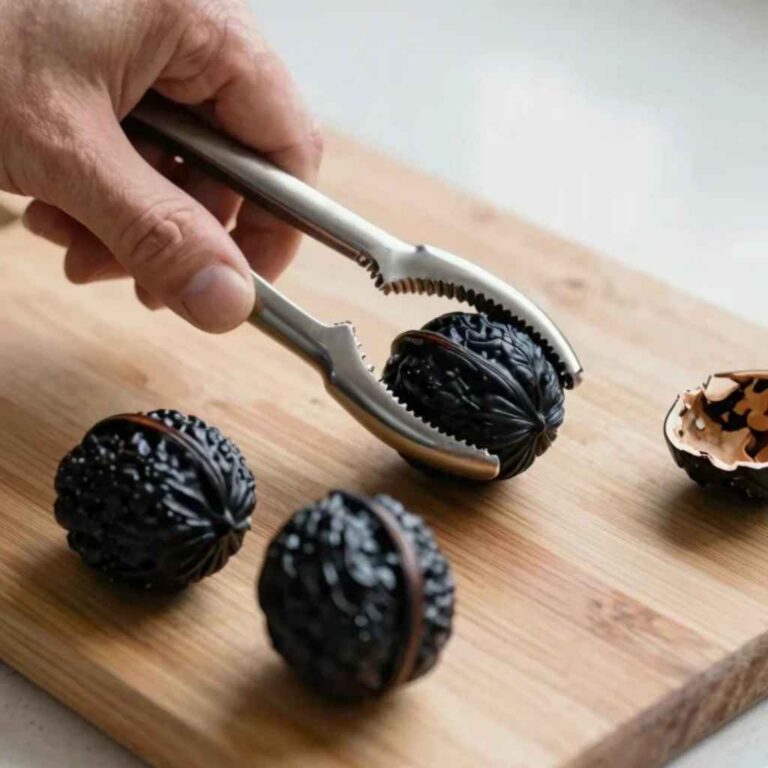
It’s incredibly hard to crack. You often need special tools. The shell doesn’t split into neat sections like a hickory.
It’s more of a solid, tough casing.
Kernel Shape and Texture
Inside the shell, the kernel also shows differences. Hickory nut kernels are often lighter in color. They might be a pale tan or light brown.
The shape can be more of a whole piece or easily broken into large chunks. They tend to be somewhat crumbly but also have a nice, oily richness when you eat them. The flavor is often described as sweet and buttery.
Walnut kernels, especially black walnuts, are darker. They can be a light brown to a deep reddish-brown. The shape is very distinctive.
They are not usually one solid piece. Instead, they are made up of many convoluted, wrinkled parts. It looks like a little brain.
This makes them a bit harder to get out in large pieces. The texture is also different. They can be slightly tougher and have that signature bitter note that makes them so unique in baking.
Flavor Profile: Sweet vs. Bitter
This is where your taste buds can really tell the difference. Hickory nuts are generally sweeter. They have a milder, richer, and more buttery taste.
Some people compare it to brown sugar or caramel. This sweetness makes them great for eating raw or in desserts. They add a pleasant, mild nutty flavor without overpowering other ingredients.
Walnuts have a much bolder flavor. Black walnuts are intensely flavored. They have a strong, earthy, and quite bitter taste.
This bitterness is what many people love about them. It balances out sweet desserts beautifully. English walnuts are milder, less bitter, and more broadly appealing for snacking.
But compared to hickory, walnuts lean towards the more robust and sometimes bitter end of the spectrum.
Quick Comparison: Hickory vs. Walnut
Sweeter flavor
Rounder, four-section shell
Often lighter kernel
Softer, crumbly texture
Bitter, stronger flavor
Irregular, very hard shell
Often darker kernel
Wrinkled, brain-like kernel
The Trees Themselves: How to Tell Them Apart
Beyond the nuts, the trees offer clues. Looking at them when they are in season can be a big help for identification.
Leaves: A Familiar Pattern
Both hickory and walnut trees belong to the same plant family, Juglandaceae. Because of this, they share a similar leaf structure. They both have what are called compound leaves.
This means a single leaf stalk has many smaller leaflets attached to it. For instance, a black walnut leaf might have anywhere from 13 to 23 leaflets. Hickory leaves can have anywhere from 5 to 17 leaflets.
The leaflets on hickory trees are often oval-shaped and have finely toothed edges. The terminal leaflet, the one at the very end of the stalk, is usually the largest. Walnut leaflets can also be oval.
They might be slightly more pointed. What can sometimes help is the scent. If you crush a walnut leaf, it has a strong, distinct smell that you won’t find with hickory leaves.
It’s a pungent, almost medicinal aroma.
Bark: A Deeper Look
The bark is often one of the most reliable ways to tell these trees apart, especially when they are mature. Shagbark hickory, as its name suggests, has bark that peels off in long, thick, shaggy plates. It looks almost like it’s coming apart.
Other hickories have different bark. Some have smooth gray bark when young, which develops deep furrows or ridges as they age.
Black walnut trees have a very dark bark. It’s almost black. It has deep, narrow furrows.
These furrows often form a diamond pattern across the trunk. This is a really striking visual cue. It’s quite different from the shaggy look of a shagbark or the blocky ridges of some other hickories.
If you see dark, deeply furrowed bark with a diamond shape, you are very likely looking at a black walnut.
Overall Tree Shape and Growth
Walnut trees, particularly black walnuts, tend to grow very tall and straight. They often develop a large, spreading crown. They are considered stately trees.
Their wood is very valuable, so they are often managed to grow without too many low branches. This makes them look quite grand.
Hickory trees also grow to be large trees. However, their growth habit can be more varied. Some species are more upright, while others have a more spreading form.
They might not always have that perfectly straight, clear trunk that a well-grown black walnut often has. The overall impression of a walnut tree is often one of robust, dark strength, while hickories can seem a bit more varied in their presence.
Tree Identification Tips
- Leaves: Both have compound leaves. Crush a walnut leaf for a strong scent.
- Bark: Look for shaggy bark on Shagbark Hickory. Look for dark, diamond-patterned bark on Black Walnut.
- Nut Hulls: Hickory hulls split into four. Walnut hulls are tough and not neatly divided.
Varieties of Hickory and Walnut
It’s important to remember that “hickory” and “walnut” are categories. There are many kinds within each group. This adds even more variety to their characteristics.
Common Hickory Species and Their Nuts
The Shagbark Hickory (Carya ovata) is famous for its nuts. They are sweet and good to eat. The Pecan (Carya illinoinensis) is actually a type of hickory.
Its nuts are very popular and commercially grown. They are sweeter and have thinner shells than many other hickories.
The Mockernut Hickory (Carya tomentosa) has nuts with a sweet kernel. But its shell is very thick, making it hard to get to the meat inside. The Pignut Hickory (Carya glabra) has nuts that are often bitter.
They are generally not eaten. So, you can see that “hickory” covers a range from delicious to less tasty.
Common Walnut Species and Their Nuts
The Black Walnut (Juglans nigra) is the most common native walnut in North America. Its nuts are hard to crack. The kernel is strongly flavored and often used in baking.
The wood is very valuable.
The English Walnut (Juglans regia) is what most people think of as a table nut. It’s also called the Persian walnut. These nuts are larger, have a thinner shell, and a milder, less bitter flavor than black walnuts.
They are the ones you see most often in grocery stores.
Nut Fact Box
Did You Know?
Pecans are technically a type of hickory nut!
Uses and Culinary Applications
The differences in taste and texture lead to different ways these nuts are used.
Cooking with Hickory Nuts
Hickory nuts, especially from sweet varieties like shagbark and pecan, are lovely for eating raw. They have a rich, buttery flavor that’s very satisfying. They are also great in baked goods.
Think pies, cookies, and muffins. They add a subtle sweetness and nutty depth.
Because they are less common than walnuts, you might not find them in every supermarket. People who harvest them often use them in jams, nut butters, or even to add flavor to breads. Their mild flavor means they won’t overpower delicate dishes.
They are a bit of a hidden gem for home cooks and bakers.
Culinary Uses of Walnuts
Walnuts, particularly black walnuts, are powerhouses in the kitchen. Their strong, slightly bitter flavor is a perfect match for sweet things. They are classic in brownies, cakes, and cookies.
Think walnut muffins or a walnut-crusted pork chop. The bitterness cuts through richness and sweetness.
English walnuts are more versatile for general snacking. They are also used in salads, as a topping for yogurt or oatmeal, and in many sweet and savory dishes. Walnut oil is also popular.
It has a distinct flavor and is used in dressings and finishing dishes. The bold flavor of walnuts means a little goes a long way.
Flavor Matchup
Hickory Nuts Pair Well With:
- Maple syrup
- Brown sugar
- Caramel
- Mild cheeses
Walnuts Pair Well With:
- Chocolate
- Coffee
- Cream cheese
- Hearty greens
When to Find Them: Seasonality and Harvesting
Knowing when these nuts are available can help you find them.
Hickory Nut Season
Hickory nuts typically ripen and fall from the trees in the early to late fall. This is usually around September through November, depending on your location and the specific species of hickory. You’ll often see them on the ground beneath the trees after the leaves have started to change color.
Sometimes the wind will knock them down.
If you plan to harvest them, be aware that the nuts often have a green husk around them. This husk will dry and split open as the nut matures. It’s best to collect them after they’ve fallen and started to dry a bit.
This makes them easier to shell. Be sure to identify the tree correctly before harvesting!
Walnut Harvesting Time
Walnuts also ripen in the fall. Black walnuts usually drop from mid-September through late October. The green outer hull is quite leathery and stays on the nut for a while.
It contains a dark brown stain that can be quite difficult to remove from your hands and clothing. It’s best to wear gloves.
English walnuts also fall in the autumn. The timing can vary based on the climate. Similar to black walnuts, they will have a green outer husk.
This husk needs to be removed before the hard shell can be accessed. The harvesting process for both can be a bit messy due to the hulls.
Harvesting Tips
Fall (Sept-Nov)
Collect fallen nuts
Shell opens into 4 parts
Fall (Sept-Oct)
Remove green hull (stains!)
Very hard, irregular shell
What This Means for You: Identification and Usage
Now that you know the differences, what does this mean for your everyday life?
Identifying Nuts in Your Yard
If you have trees in your backyard, this knowledge is gold! You can identify what kind of nuts you might be able to gather. Look at the bark of the trees first.
Then, check the leaves. Finally, look at the nuts that fall. Remember the shaggy bark for shagbark hickory and the diamond pattern for black walnut.
This can help you decide if you have a tasty treat or a difficult-to-crack, strong-flavored nut.
Choosing Nuts for Recipes
When you’re shopping for nuts for a recipe, this distinction matters. If you want a milder, sweeter nutty flavor, look for pecans or potentially other sweet hickories. If the recipe calls for a strong, rich, slightly bitter flavor that stands up to other strong tastes like chocolate or coffee, then walnuts are likely what you need.
Don’t assume “walnut” means just one thing. Black walnuts and English walnuts have very different flavor profiles. Black walnuts are much more intense.
English walnuts are more common and have a milder taste.
When It’s Normal and When to Worry
It’s normal to find both hickory and walnut trees growing wild. It’s also normal to find their nuts. The nuts are a natural food source for wildlife.
If you’re harvesting them, make sure you’re picking them from trees you know. Also, be aware of local regulations about foraging.
You don’t need to worry about these trees unless they are posing a direct hazard, like a dead branch falling. The nuts themselves are safe to handle and eat, provided they are from edible varieties and are properly identified. The main thing is to enjoy them responsibly! If you enjoy sorting out food-identification mix-ups like this one, our guide on black fungus vs. wood ear mushrooms covers a similar naming confusion in the kitchen.
Quick Tips for Enjoying Hickory and Walnut
Here are a few simple ideas to make the most of these nuts.
Simple Ways to Eat Hickory Nuts
If you get your hands on some sweet hickory nuts, the best way to enjoy them is often the simplest. Crack them open and eat the kernels fresh. Their natural sweetness is delightful.
You can also lightly toast them in a dry skillet for a few minutes. This brings out their rich, buttery flavor even more.
Try adding them to a simple green salad for a bit of crunch and nutty taste. They also make a wonderful topping for plain yogurt or cottage cheese. If you have a lot, consider making a hickory nut butter or adding them to a homemade granola mix.
Simple Ways to Eat Walnuts
Walnuts are incredibly versatile. For black walnuts, their strong flavor means they shine in baked goods. Mix them into cookie dough, brownie batter, or quick breads.
They add a robust, earthy taste that pairs well with spices like cinnamon and nutmeg.
English walnuts are great for snacking right out of hand. They are also fantastic in salads. Toss them with some crumbled goat cheese and a balsamic vinaigrette.
They add a pleasant crunch and depth of flavor. Try them toasted and sprinkled over roasted vegetables or pasta dishes. A simple walnut pesto is also a delicious option.
Two Nuts, Many Uses
Hickory Nuts
Eat fresh
Add to salads
Bake into cookies
Walnuts
Snack raw
Bake into brownies
Top salads
Frequently Asked Questions
Are hickory nuts and walnuts safe to eat?
Yes, both hickory nuts and walnuts are safe to eat. However, it’s important to correctly identify the tree and the nut. Some varieties of hickory nuts can be bitter and not as palatable.
Walnuts, especially black walnuts, have a strong, sometimes bitter flavor that not everyone enjoys for plain snacking, but they are perfectly safe and delicious when used in cooking and baking.
How do I crack a black walnut?
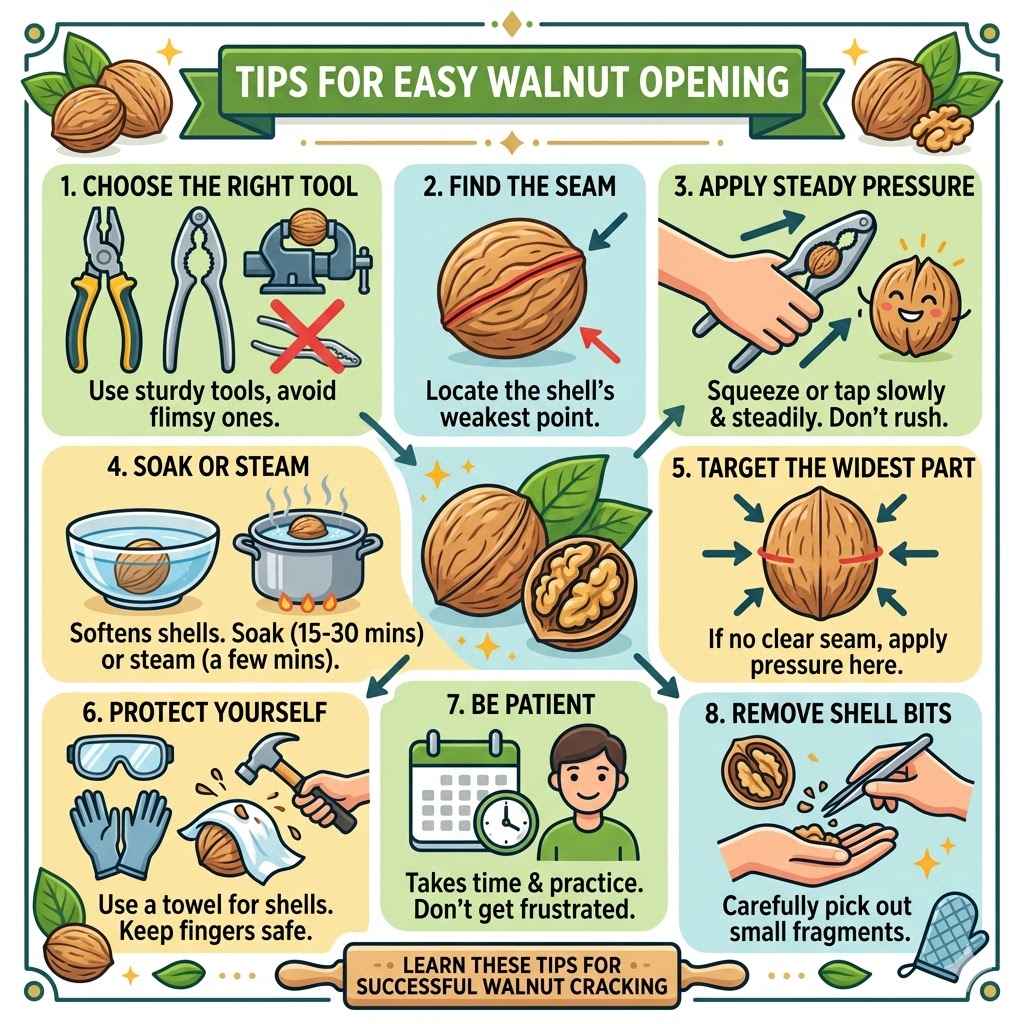
Cracking a black walnut is famously difficult! You’ll need a sturdy nutcracker designed for hard shells, or sometimes even a vise. Some people use a hammer and an old metal bowl, placing the nut in the bowl and striking it firmly.
Be sure to wear eye protection. It often takes multiple tries and a bit of force.
Can I eat the green hull of a walnut?
No, the green hull of a walnut is not meant to be eaten. It is very bitter and contains compounds that can stain your skin and surfaces a dark brown color. The hull needs to be removed to get to the hard shell, which then contains the edible kernel.
Are hickory nuts and walnuts related?
Yes, hickory nuts and walnuts are closely related. They both belong to the same plant family, called Juglandaceae. This is why they share some similar characteristics, like having compound leaves and growing in similar climates across North America.
What is the main difference in taste between hickory and walnut?
The main taste difference is that hickory nuts are generally sweeter, richer, and have a buttery flavor. Walnuts, especially black walnuts, tend to have a stronger, earthier flavor with a noticeable bitter undertone. English walnuts are milder but still typically have more bitterness than most edible hickory nuts.
Are pecans a type of hickory nut?
Yes, that’s a fun fact! Pecans are botanically considered a type of hickory nut. The pecan tree (Carya illinoinensis) is part of the hickory genus.
Pecans are highly prized for their sweet flavor and thinner shells, making them one of the most popular edible hickory nuts.
Conclusion
So, while hickory nuts and walnuts come from related trees, they are quite distinct. From the shape of their shells to the rich sweetness of hickory versus the bold, sometimes bitter taste of walnut, there’s plenty to tell them apart. Knowing these differences helps you identify them in nature, choose the right nut for your recipes, and appreciate the unique qualities each one brings to the table.
Happy nut hunting!
Sponsored / affiliate links. As an Amazon Associate I earn from qualifying purchases. I may earn additional commission from eligible campaigns.