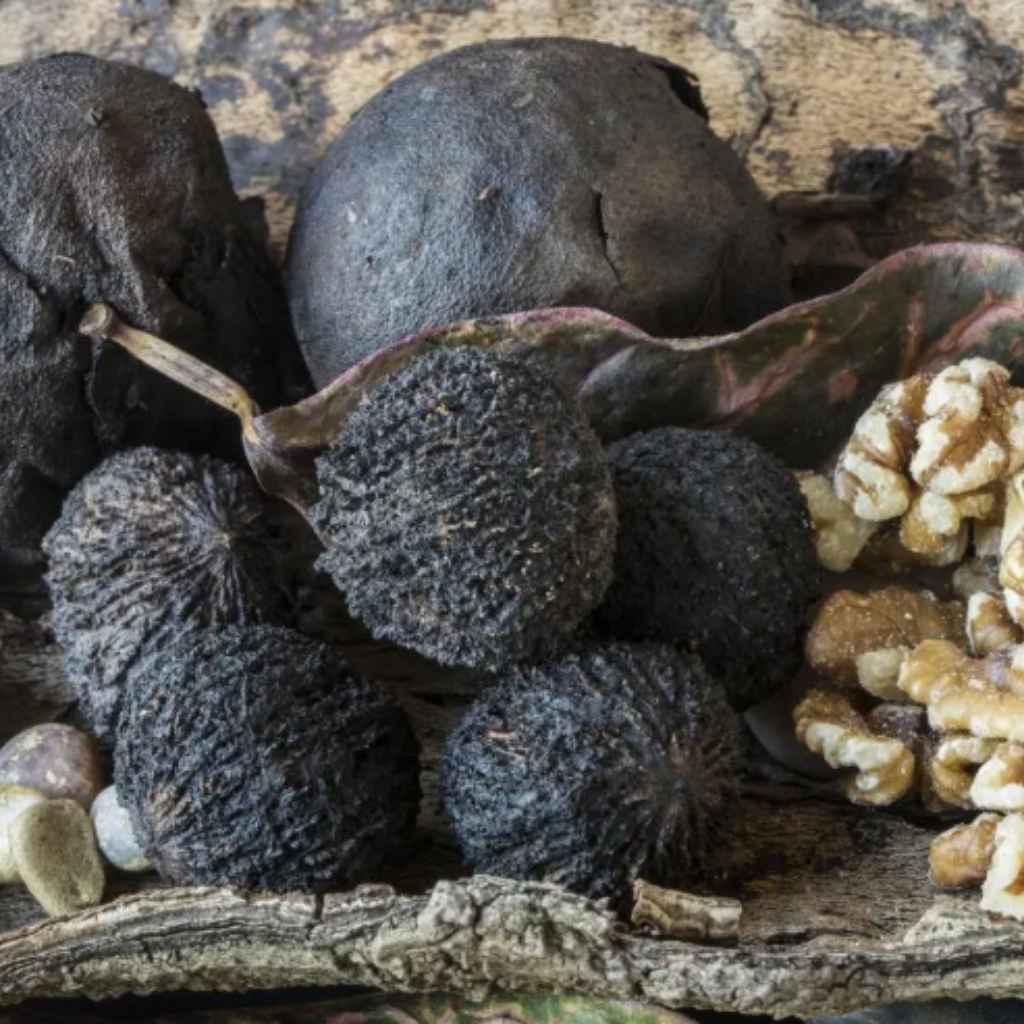
Does Black Walnut Help Kill Parasites? Truth Explained
It’s a question many people ponder when looking into natural remedies. You’ve heard whispers, maybe read a bit online, about black walnut and its power. Specifically, if this common tree can lend a hand in clearing out unwanted guests from your body.
It’s a bit of a mystery, wrapped in history and nature.
Many of us feel a little uneasy thinking about parasites. They are tiny, often unseen, and can cause a whole host of problems. Finding natural ways to address this feels hopeful.
So, does black walnut really do the trick? Let’s dive in and see what the facts and experiences tell us.
Black walnut (Juglans nigra) has a long history in traditional medicine for various ailments. Its potential to act against parasites is often cited, mainly due to compounds like juglone. While studies support its antimicrobial properties, direct, robust scientific evidence proving it kills all types of human parasites in typical doses is limited.
It’s often used as part of broader detox protocols.
Understanding the Black Walnut Connection
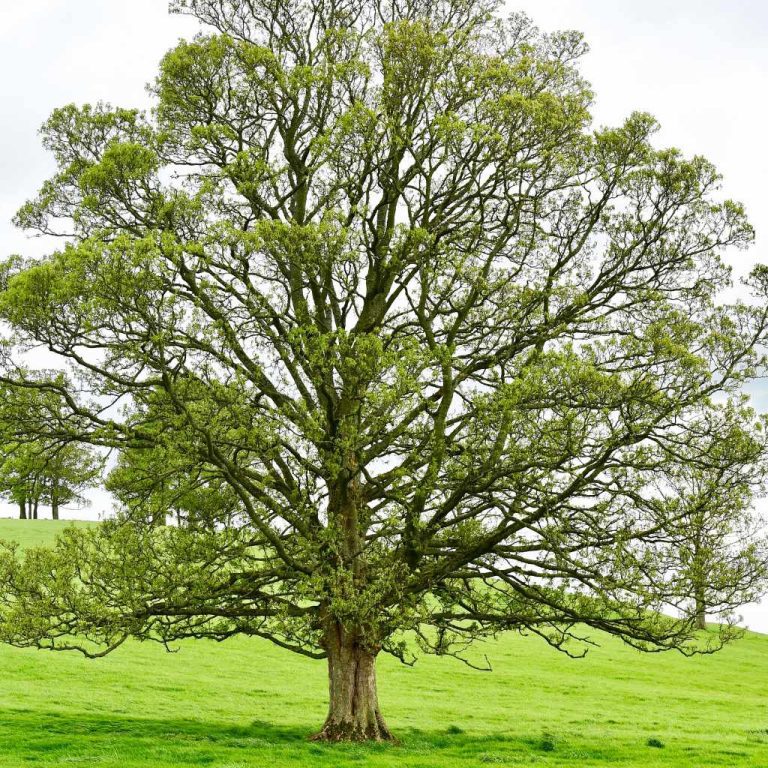
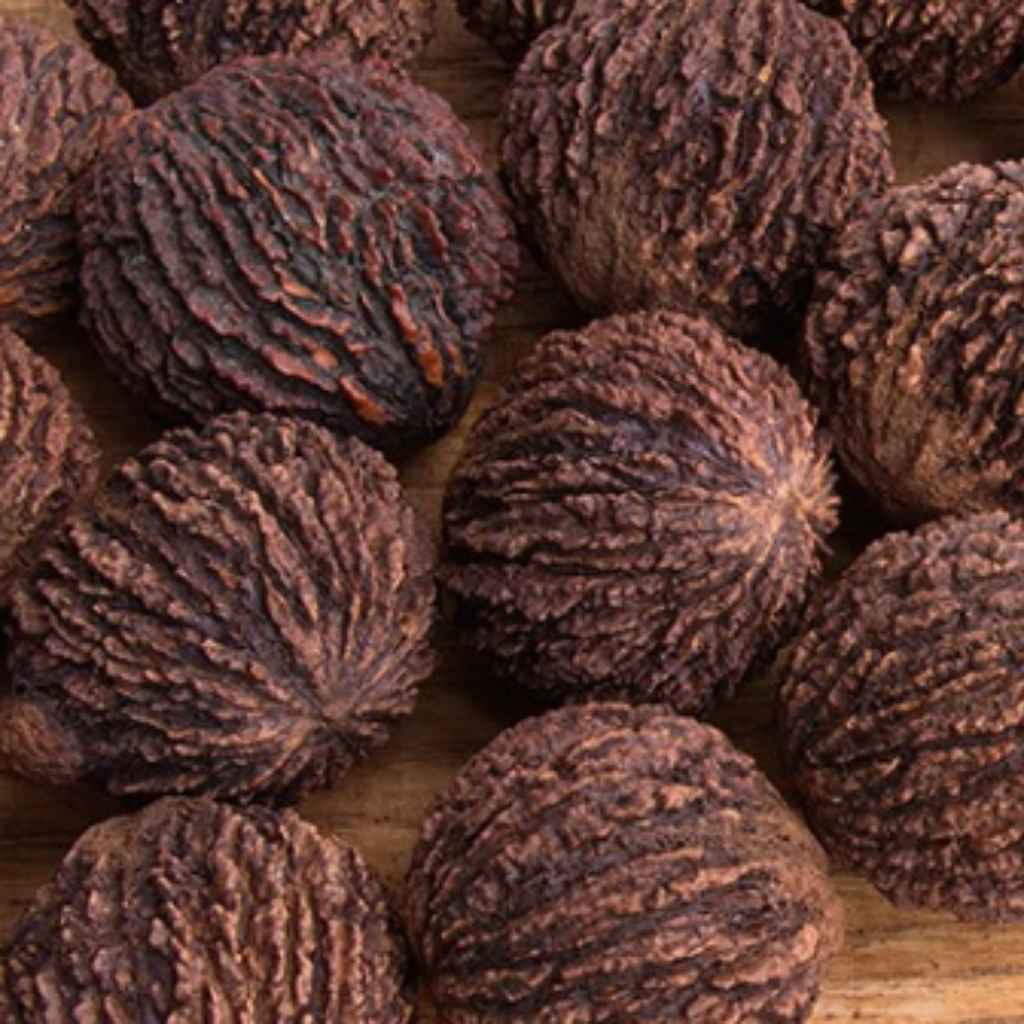
Black walnut is a tree that grows in North America. Its nuts are famous, but its leaves, bark, and husks are also used. For centuries, people have used parts of this tree for health.
This includes treating skin issues, digestive upset, and yes, even parasites.
The main player in black walnut’s effect is a chemical called juglone. This compound is found in the husk and leaves. Juglone is known to be quite potent.
It can actually inhibit or kill other organisms. This is why it’s thought to work against parasites.
Think of it like a plant’s natural defense. Black walnut uses juglone to protect itself from things like fungi and insects. This powerful property is what people hope to harness for their own bodies.
They believe it can work similarly against internal parasites.
My Own Encounter with Black Walnut
I remember a time a few years back. I was feeling really off. Tired all the time, a bit bloated, and just not myself.
I’d tried standard approaches, but nothing seemed to stick. A friend, who was really into natural health, suggested I look into black walnut.
She told me stories of people who felt a huge difference after using it. It was often part of a larger cleanse. I was skeptical but desperate.
I started researching, and the talk about its anti-parasitic properties kept coming up. I found a tincture made from black walnut hulls.
Taking it felt strange at first. It has a very strong, earthy taste. For a few days, I felt a little off, but then I started noticing small changes.
My energy levels seemed to pick up. That vague bloating feeling lessened. It wasn’t a magic bullet, but it felt like a step in the right direction.
It made me want to understand more about how it works and what else it might do.
How Black Walnut Works (Theory)
Antimicrobial Action: Compounds in black walnut, especially juglone, are believed to disrupt cell membranes. This can lead to the death of microbes. This includes certain bacteria, fungi, and potentially parasites.
Digestive Support: Some traditional uses suggest it helps tone the digestive tract. This might make it harder for parasites to survive and thrive.
Detoxification: It’s often part of protocols to “cleanse” the body. This aims to remove toxins and unwelcome organisms.
What Science Says (and Doesn’t Say)
Scientists have looked at black walnut. They’ve tested its compounds, like juglone, in labs. These tests often show that juglone can indeed kill or stop the growth of certain microorganisms.
This includes some fungi and bacteria.
There have been studies on its effects against specific parasites in lab settings or animal models. For example, research has explored its impact on certain protozoa or intestinal worms. Some of these studies showed promising results.
However, it’s important to be clear. Most of these studies are not large-scale human trials. They don’t test black walnut on hundreds of people with specific parasitic infections.
So, while the lab results are interesting, they don’t directly translate to a guaranteed cure for human parasites.
Think of it this way: a spider’s venom might be deadly to an insect. That doesn’t mean it’s deadly to humans in the same way. The way a substance works in a petri dish is different from how it acts inside a complex human body.
We need more research focused specifically on humans and common parasites like Giardia, roundworms, or tapeworms. This research should look at dosage, effectiveness, and safety. Until then, we rely on a mix of traditional knowledge and early scientific findings.
Common Parasites and Black Walnut
People often talk about black walnut for specific types of parasites. The most common mentions are for intestinal worms. This includes things like:
- Pinworms
- Roundworms (Ascaris)
- Tapeworms
- Giardia
In traditional medicine, black walnut was often combined with other herbs. This made a more potent mix. Herbs like wormwood and cloves are often paired with black walnut.
This combination aims to create a powerful “anti-parasitic trio.”
Wormwood is known for its bitter compounds. These can make the gut environment unpleasant for parasites. Cloves have strong antiseptic properties.
Together, they might amplify the effects of black walnut.
It’s crucial to understand that parasites are diverse. They have different life cycles and thrive in different parts of the body. What might affect one type might not affect another.
This is why a blanket statement about black walnut killing “all parasites” isn’t quite accurate.
The “Anti-Parasitic Trio”
Black Walnut Hulls: Contains juglone, thought to paralyze or kill parasites.
Wormwood: Very bitter, may make the gut uninhabitable for parasites.
Cloves: Have strong antiseptic and antispasmodic properties.
How they work together: This combination is believed to target parasites at different stages and through various mechanisms.
Real-World Context: Why People Try It
In homes across America, especially in rural areas where Black Walnut Trees: Unveiling Hidden Wealth” href=”https://woodworkingadvisor.com/value-of-black-walnut-tree/” target=”_blank” rel=”noopener” data-wpil-monitor-id=”19757″>black walnut trees are common, people have used this herb for generations. It wasn’t always about “parasite cleanses” as we think of them today. It was often about general well-being.
If someone had stomach aches, or felt sluggish, or noticed changes in their bowel movements, they might reach for a tincture or tea made from black walnut. It was part of a holistic approach to health. This approach relied on what nature provided.
Many users report feeling a significant improvement in their digestive health after using black walnut. They might notice less bloating, better regularity, and a general feeling of lightness. Some attribute this directly to parasite removal.
Others believe it helps clean out the digestive system more broadly. It might help remove old waste and create a healthier environment. This, in turn, can make it harder for parasites to take hold.
It’s a blend of observed effects and traditional belief.
The environment plays a role too. People who spend a lot of time outdoors, or who have pets, or who have traveled to areas with higher parasite risk, might be more inclined to consider such remedies. It’s a proactive step for some to maintain internal balance.
What This Means for You: When It’s Normal, When to Be Concerned
It’s important to remember that the human body hosts many microorganisms. Not all of them are harmful. Some bacteria and fungi are essential for digestion.
The goal is not to wipe everything out, but to maintain a healthy balance.
If you’re considering black walnut for parasite support, here’s what to keep in mind:
When it might be normal to consider:
- You have symptoms that could point to parasites, like unexplained digestive issues, fatigue, or skin problems.
- You are interested in a natural approach as part of a broader wellness plan.
- You want to support your body’s natural detoxification processes.
When to worry and seek medical advice:
- You have severe symptoms like high fever, extreme pain, bloody stools, or significant weight loss.
- You suspect a serious parasitic infection. Medical diagnosis is crucial here.
- You have underlying health conditions, are pregnant, or breastfeeding.
Black walnut is generally considered safe for short-term use. However, it can interact with certain medications. It can also cause digestive upset in some people.
Always talk to your doctor before starting any new supplement, especially if you have health concerns.
Simple Checks to Consider
Digestive Symptoms: Are you experiencing persistent bloating, gas, or changes in bowel habits?
Energy Levels: Do you feel unusually tired or lacking in stamina?
Skin Issues: Have you noticed unexplained rashes or irritations?
Dietary Habits: Do you consume raw or undercooked foods, or have pets?
Note: These are general signs. They can be caused by many things. Parasites are just one possibility.
Quick Tips for Using Black Walnut
If you decide to try black walnut as part of a natural health regimen, here are some guidelines:
1. Source Quality Products: Look for reputable brands. Tinctures are common.
Make sure they are made from the hulls or leaves. Check for purity and third-party testing if possible.
2. Follow Dosage Instructions: This is critical. More is not always better.
Start with the recommended dose. Some suggest using it for a specific period, like 2-4 weeks, and then taking a break.
3. Combine with Other Herbs: Many people use it with wormwood and cloves for a more complete approach. If you do this, ensure you’re also following dosage recommendations for those herbs.
4. Listen to Your Body: Pay attention to how you feel. If you experience significant discomfort, stop use.
Some mild digestive changes are common, but severe reactions are not.
5. Stay Hydrated: Drink plenty of water, especially when doing any kind of internal cleanse. This helps your body flush out waste and toxins.
6. Consider Diet: A clean diet supports any internal cleansing efforts. Reduce processed foods, sugar, and unhealthy fats.
Focus on whole foods, fruits, and vegetables.
7. Consult a Professional: This cannot be stressed enough. Talk to your doctor, a naturopath, or a qualified herbalist.
They can help you determine if black walnut is right for you and guide your usage safely.
Frequently Asked Questions About Black Walnut and Parasites
Can black walnut kill all types of parasites?
While black walnut, particularly juglone, shows promise against some microorganisms in lab studies, there’s no strong scientific proof that it can kill all types of human parasites effectively. It’s often used as part of broader protocols that may include other herbs.
How long should I take black walnut for parasites?
Traditional use and some protocols suggest taking black walnut for about 2 to 4 weeks. It’s often followed by a break. Always follow product instructions and consult with a health professional for personalized advice.
What are the side effects of black walnut?
Common side effects can include digestive upset like nausea, diarrhea, or stomach cramps. Some people might experience allergic reactions. It can also interact with certain medications, so it’s important to discuss use with your doctor.
Is black walnut safe for children?
Black walnut is generally not recommended for children without strict medical supervision. Dosing and safety for children are not well-established, and they can be more sensitive to its effects.
Can black walnut help with Giardia?
Some research and anecdotal evidence suggest black walnut may have some effect against Giardia, often when used in combination with other herbs like wormwood and cloves. However, confirmed human studies are limited.
Where can I buy black walnut for parasite cleansing?
You can typically find black walnut supplements, such as tinctures or capsules, at health food stores, online retailers specializing in natural supplements, and through herbal product manufacturers.
What is juglone, and how does it work?
Juglone is a chemical compound found in black walnut. It’s known for its antimicrobial properties. It’s believed to disrupt cell functions in certain organisms, potentially leading to their death or inhibiting their growth.
This is why it’s theorized to work against parasites.
The Final Word on Black Walnut and Parasites
Black walnut holds a special place in traditional remedies. Its potential to support the body’s natural defenses against unwelcome organisms is noted. While science continues to explore these effects, especially the role of juglone, definitive proof for killing all human parasites is still developing.
It’s a powerful herb with a history of use. For those exploring natural health, it can be a part of a larger, holistic approach. Always remember to prioritize safety.
Consult with healthcare professionals. Listen to your body. Nature offers much, but understanding and caution are key companions on your wellness journey.
Sponsored / affiliate links. As an Amazon Associate I earn from qualifying purchases. I may earn additional commission from eligible campaigns.