Are Ants Good For Soil? The Answer May Surprise You
The answer is a surprising yes for many aspects of soil health. Ants actively help aerate soil, improve drainage, and cycle nutrients. They also act as natural pest controllers, which can benefit plants. However, some ant species can cause localized damage. Understanding their specific roles helps us appreciate their ecosystem contributions.
Ants and Soil: A Natural Partnership
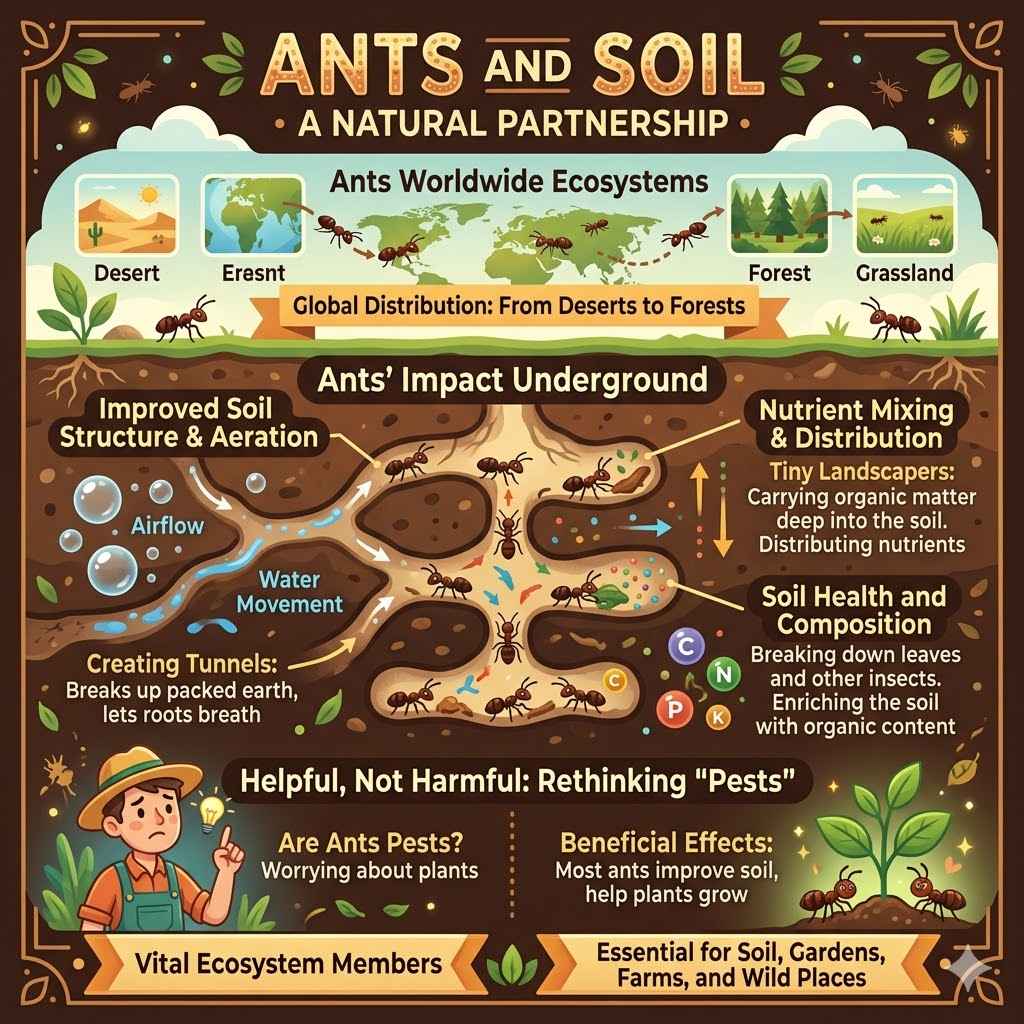
Ants are everywhere. They live in almost every part of the world. From hot deserts to cool forests, you can find them.
They are a vital part of many ecosystems. Their activities underground have a big impact. They dig tunnels and build nests.
These actions change the soil. This is true for many different types of soil. It matters for gardens, farms, and wild places.
Think of them as tiny farmers or landscapers. They are always working. Their work affects how air and water move.
It also affects how nutrients spread. Many gardeners see ants as pests. They worry about them harming plants.
But most ants are not harmful. In fact, many ants are very helpful. They are good for the soil’s health.
This helps plants grow better. This article will explain why.
What Do Ants Do in the Soil?
Ants are busy underground. They spend much of their lives in their nests. These nests can be very complex.
They have many tunnels and rooms. Building these nests changes the soil. They move a lot of dirt.
This is like digging and turning the soil.
Their tunnels connect the surface to deeper parts of the soil. This is important. It helps air get into the soil.
It also helps water soak in better. Without these tunnels, soil can become packed tight. This makes it hard for plant roots to grow.
It also makes it hard for water to drain.
Ants also eat things. They eat dead insects. They eat seeds.
They eat plant matter. When they eat these things, they break them down. They then add waste back into the soil.
This waste is like fertilizer. It adds nutrients to the soil. These nutrients help plants grow.
So, ants are like natural recyclers for the soil. They keep the soil alive and healthy.
The Benefits of Ant Activity for Soil Structure
One of the biggest benefits of ants is how they help with soil structure. Soil that is hard and packed is not good for plants. Plant roots need space to grow.
They need air and water. Ants help make the soil more open.
When ants dig their tunnels, they loosen the soil. This is called aeration. Good aeration means more air can reach plant roots.
This is very important for healthy root systems. Healthy roots mean healthy plants. It’s like giving the soil a good breathing treatment.
These tunnels also help with drainage. When it rains, water can soak into the soil more easily. This prevents waterlogging.
Waterlogged soil can kill plants. It can make roots rot. So, ant tunnels act like little drainage pipes.
They move water down into the soil. This keeps the top layer from getting too wet.
The constant digging and moving of soil by ants also mixes things up. This is called bioturbation. It mixes the topsoil with the soil deeper down.
This process helps bring nutrients around. It also helps spread organic matter. Organic matter is key to fertile soil.
It holds water and nutrients. It feeds the microbes in the soil. Ants are doing this work for free!
Soil Improvement by Ants: A Quick Look
Aeration: Ant tunnels let air into the soil. This is good for roots.
Drainage: Tunnels help water soak in. This stops waterlogging.
Nutrient Cycling: Ants eat and move things. They add waste back as fertilizer.
Soil Mixing: They move soil around. This spreads nutrients and organic matter.
Ants as Natural Pest Controllers
This is another huge benefit. Many ants eat other insects. Some of these insects are pests for gardens.
This includes things like aphids. Aphids suck the juice out of plants. They can harm leaves and stems.
Ants protect plants from aphids.
Some ants will even farm aphids. This sounds bad, but it can be good. The ants protect the aphids from their natural predators.
In return, the ants eat a sweet liquid that aphids produce. This liquid is called honeydew. While the ants protect aphids, they also keep their numbers in check.
They also eat other bugs that might harm plants.
Think about it. You have ants in your garden. They are eating things that could damage your plants.
They are also eating dead bugs. This cleans up the garden. It reduces the spread of diseases.
This is natural pest control. It means you might need to use fewer chemicals. This is better for your plants and for the environment.
I remember one summer, my tomato plants were covered in tiny green bugs. I was about to grab a spray bottle. Then I noticed a line of ants marching up the stems.
They were busy eating the bugs. I watched them for a while. The number of bugs went down fast.
I didn’t spray anything. The plants grew strong and healthy. It really opened my eyes to what ants do.
They are not always the enemy.
Nutrient Cycling and Soil Fertility
Ants play a key role in moving nutrients around. They carry bits of dead plants and animals. They bring these into their nests.
When they eat, they excrete waste. This waste is rich in nutrients like nitrogen and phosphorus. These are essential for plant growth.
As they build their nests, they mix these nutrient-rich materials into the soil. This is like adding compost. It improves the soil’s fertility.
This means your plants have more food to grow. Ants are like tiny composters working underground. They are constantly making the soil richer.
Some studies have shown that soil with ant activity has higher levels of certain nutrients. This is especially true near ant nests. The soil around these areas is often more fertile.
This can lead to better plant growth in those spots. It’s a subtle but powerful effect.
Consider the seeds that ants carry. They eat some of the seeds. But they also bury many seeds.
Some of these seeds get forgotten. They then have a good place to sprout. This also helps spread plants.
It is part of how nature works.
Ants’ Role in Nutrient Exchange
- Feeding Habits: Ants consume dead insects, seeds, and plant matter, breaking them down.
- Waste Products: Their excrement is a natural fertilizer, rich in nitrogen and phosphorus.
- Nest Building: They mix nutrient-rich materials and waste into the soil.
- Seed Dispersal: They bury seeds, some of which sprout and contribute to plant life.
Understanding Different Ant Species and Their Impact
It’s important to remember that not all ants are the same. There are many different species of ants. Each species has different habits.
Some ants are more beneficial than others. Others can cause problems for gardeners.
For example, fire ants are known for their painful sting. They can also damage crops. Their mounds can disrupt fields.
However, even fire ants do aerate the soil. They help break up packed earth. So, even they have some positive effects.
But their negative impacts often outweigh these.
Carpenter ants are another example. They don’t eat wood. They tunnel through it to build their nests.
This can cause structural damage to homes. They are not directly impacting the soil much, but they are a concern for homeowners.
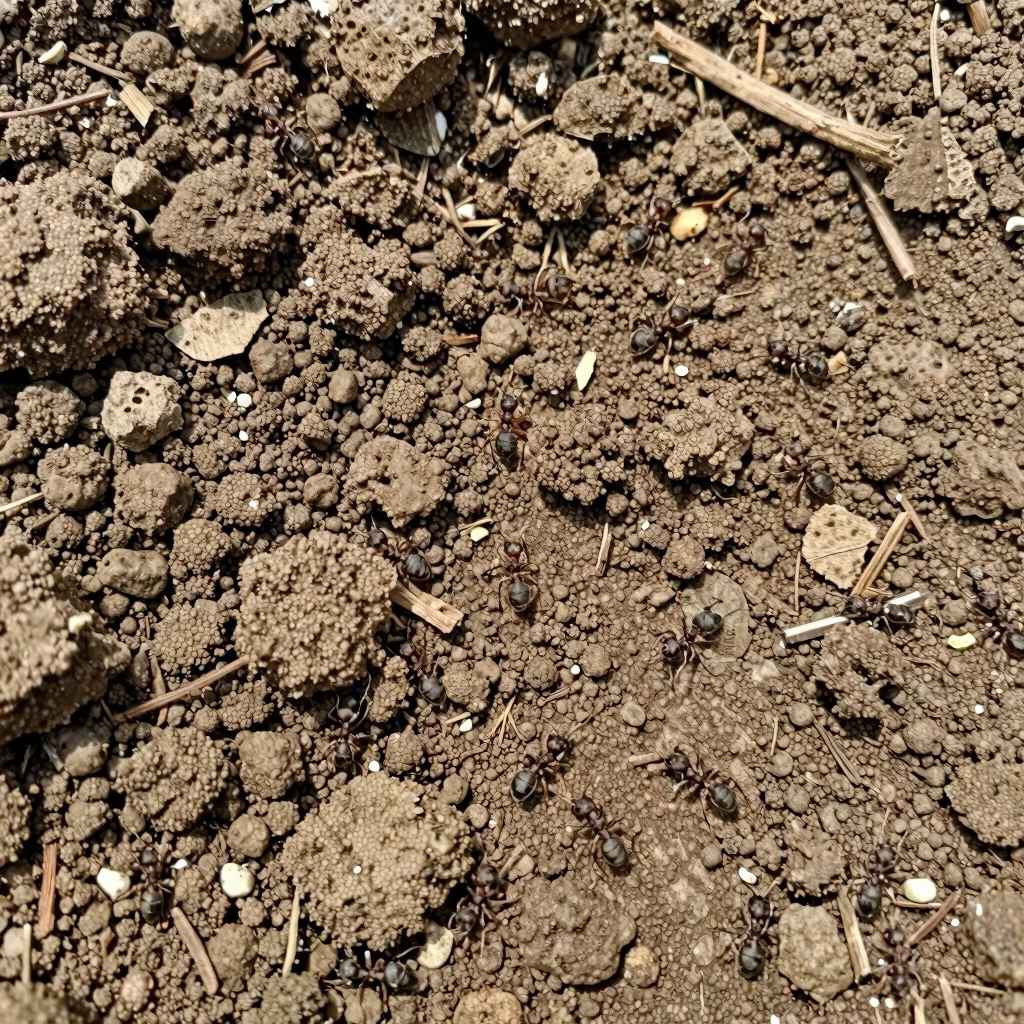
Most common garden ants, like pavement ants or common black ants, are generally beneficial. They are the ones doing the most good for soil aeration and pest control. They focus on food sources outside their nests.
They don’t typically harm healthy plants. They prefer to eat dead insects, sweet substances, or other small bugs.
The key is to identify what you have. If you have a species known for causing damage, like fire ants or carpenter ants, you might need to take action. But for most ants you see in your garden, they are probably helping more than hurting.
When Ants Can Be Problematic
While ants are often good for soil, there are times when they can cause issues. This usually happens with specific ant species or in certain situations. It’s good to know these exceptions.
One common problem is when ants protect pest insects. We talked about aphids. While ants can help control aphid numbers, they also protect them.
This protection can allow aphid populations to grow too large. This can then harm plants. The ants see the aphids as a food source (honeydew).
They defend them from predators. This can backfire for the gardener.
Some ants can also damage plants directly. This is less common. Certain species might chew on roots.
Others might damage flowers or fruits. This is often because they are looking for food or water. It can happen during dry spells.
Or it can happen if their usual food sources are scarce.
Fire ants are a good example of problematic ants. Their mounds can make lawns uneven. Their sting is painful.
They can harm beneficial insects too. They can also compete with native ants. This can disrupt the local ecosystem.
Their aggressive nature makes them a nuisance.
If you have a problem with ants, it’s good to know what kind they are. This helps you decide what to do. For most common ants, leaving them alone is often the best choice.
They are part of the natural balance.
Real-World Scenarios: Ants in Different Environments
Ants adapt to many places. Their impact on soil can change depending on where they live. Let’s look at a few examples.
In a desert, soil can be dry and hard. Ants are crucial here. Their tunnels help water penetrate the dry ground.
This can help small plants survive. They also move seeds around. This is important for plant life in harsh places.
In a forest, there is lots of organic matter. Ants help break down this matter. They mix it into the soil.
This feeds the trees and other plants. They also help with the decomposition process. This keeps the forest floor healthy.
In a vegetable garden, ants have a direct impact on us. They can help control garden pests. This is a big plus.
But they can also be a nuisance. They might eat seeds we just planted. Or they might farm aphids.
The gardener has to weigh the pros and cons.
I once lived in a house with a large backyard. It had a patch of wild ground that I let grow. It was full of different plants and bugs.
I noticed lots of ant activity there. The soil seemed richer. The plants grew well without much help.
I rarely saw pests like slugs or caterpillars. It felt like the ants were managing the whole area.
In suburban lawns, ants can be a mixed bag. They aerate the grass roots. This is good for the lawn.
But their mounds can be unsightly. And if they are protecting aphids on ornamental plants, that’s a problem.
Ants in Your Yard: What to Expect
In the Lawn: They aerate grass, but mounds can be an issue.
In Vegetable Gardens: They control pests, but may protect aphids or eat seeds.
In Flower Beds: Generally beneficial, helping with soil and pest control.
Near Trees/Shrubs: They help break down organic matter around roots.
What This Means for Your Gardening and Lawn Care
So, what should you do about ants in your yard? The answer depends on the situation and the ant species.
First, observe. See what the ants are doing. Are they causing visible damage to plants? Are they protecting a large aphid infestation?
Or are they just busy marching around? Most of the time, they are doing good work.
Don’t rush to use pesticides. Many ant killers can harm beneficial insects. They can also pollute the soil and water. They can kill the very creatures that are helping your garden.
If you must use something, choose targeted, less harmful options.
Focus on healthy soil. A healthy garden ecosystem will have fewer problems. If your plants are strong, they can better withstand minor pest issues. Healthy soil also supports a balance of insects.
This includes predators that keep ant populations in check.
Manage specific problems. If ants are farming aphids on your prize roses, you might need to address it. You could try washing aphids off with water. Or introduce natural predators like ladybugs.
Sometimes, simply disrupting the ant trail gently can deter them from a specific area.
Embrace the benefits. Understand that the tunnels they create are helping your soil breathe. The nutrients they add are making it fertile. The pests they eat are saving your plants.
Try to see them as allies, not enemies.
I’ve learned to live with ants in my garden. I focus on keeping my soil healthy with compost. I plant a variety of flowers to attract good bugs.
I watch for major pest outbreaks. Mostly, I let the ants do their thing. My garden has never looked better.
The soil is loose and crumbly.
Simple Checks for Soil Health Related to Ants
You can do a few easy checks to see how ants might be helping your soil. These don’t require special tools.
Check soil texture. Grab a handful of soil. Does it feel loose and crumbly? Or is it hard and compacted?
Loose soil often means good aeration. Ants help create this. If it’s very hard, ants might be missing or struggling to make tunnels.
Observe drainage. After a rain, does water pool on the surface? Or does it soak in quickly? Good drainage is a sign of healthy soil structure.
Ant tunnels help with this. If water sits for a long time, your soil might be compacted.
Look for soil movement. Do you see small piles of soil? These might be ant hills or mounds. This shows active ant populations.
These mounds are a sign of soil being turned and aerated.
Check plant root health. If you are transplanting something, look at the roots. Are they white and healthy? Or are they brown and mushy?
Good aeration from ants supports healthy roots.
Note insect populations. Are you seeing a lot of garden pests? Or are they kept in check? Ants are a natural part of the insect balance.
Their presence can mean fewer other pests.
These checks give you a general idea. They help you see the subtle ways ants contribute. They show you the living nature of your soil.
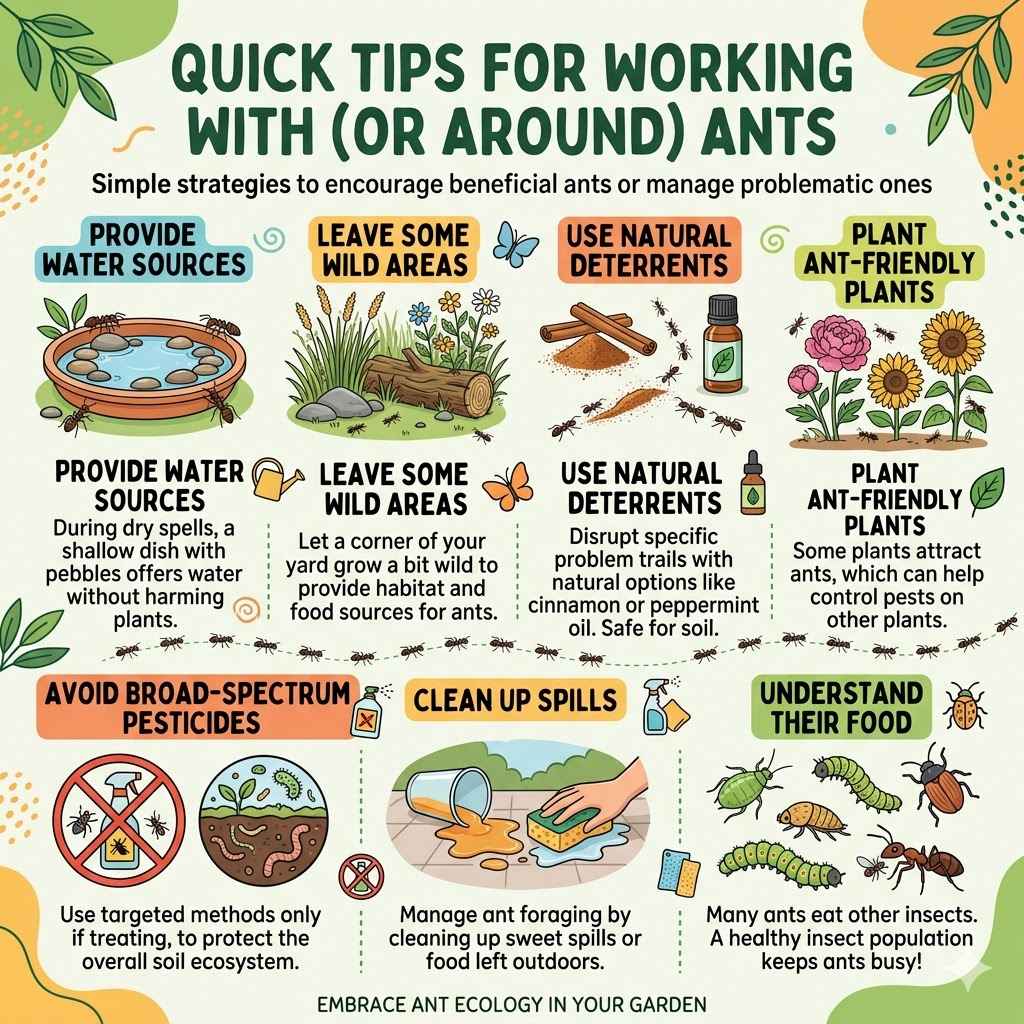
Quick Tips for Working With (or Around) Ants
If you decide you want to encourage beneficial ants or manage problematic ones, here are some simple tips:
- Provide water sources: During dry spells, ants may seek water. A shallow dish with pebbles can give them water without them damaging plants.
- Leave some wild areas: Letting a corner of your yard grow a bit wild can provide habitat for ants and their food sources.
- Use natural deterrents if needed: For specific problem areas, try natural deterrents like cinnamon or peppermint oil. These can disrupt ant trails without harming the soil.
- Plant ant-friendly plants: Some plants attract ants, which can then help control pests on other plants.
- Avoid broad-spectrum pesticides: If you must treat ants, use targeted methods that don’t harm the soil ecosystem.
- Clean up spills: Sweet spills or food left outdoors can attract ants. Clean these up to manage where they forage.
- Understand their food: Many ants eat insects. If you have a healthy insect population, ants will be busy with that.
Frequently Asked Questions About Ants and Soil
Are all ants bad for gardens?
No, not at all. Many ant species are very good for gardens. They help aerate the soil, improve drainage, and control pests.
Only a few types of ants can cause problems.
How do ants help with soil drainage?
Ants dig tunnels to build their nests. These tunnels create pathways in the soil. Water can then soak into the ground more easily through these pathways.
This stops water from sitting on the surface.
Can ants improve soil fertility?
Yes, they can. Ants carry dead insects and plant matter into their nests. They also excrete waste that is rich in nutrients like nitrogen.
When they build nests, they mix these materials into the soil, making it more fertile.
Do ants eat plant roots?
Most common ants do not eat plant roots. They prefer other food sources like dead insects, seeds, or sweet liquids. However, some specific ant species might chew on roots, especially if they are hungry or in dry conditions.
What should I do if I see ants in my vegetable garden?
Observe them first. If they are controlling pests like aphids, leave them be. If they are causing significant damage, try natural deterrents or washing pests off plants.
Avoid using harsh chemicals that can harm the soil.
Are ant mounds good or bad for my lawn?
Ant mounds show that ants are active and aerating the soil. This is good for grass roots. However, mounds can be unsightly and make mowing difficult.
You can gently break them up and spread the soil, or simply learn to live with them as a sign of healthy soil activity.
The Bottom Line on Ants and Soil Health
It’s clear that ants are more than just tiny pests. They are vital workers in the soil. They contribute to aeration, drainage, and nutrient cycling.
They also provide natural pest control. While some species can cause issues, most ants are beneficial. Understanding their role helps us appreciate them.
We can learn to work with them. This leads to healthier gardens and lawns. So next time you see ants marching, remember the good work they are doing underground.