Are All Toilet Flanges The Same Size? The Honest Answer
It’s a question many homeowners bump into, often at the most inconvenient times. You’re replacing a toilet, or maybe fixing a small leak, and you look at that round, often plastic or metal, ring around the base of your toilet. It seems pretty standard.
But then a little voice in your head whispers, “Are all toilet flanges the same size?” It’s a simple question, but the answer can save you a lot of headaches. Let’s dive into it, shall we?
The short answer is no, not all toilet flanges are exactly the same size, but there are very common standards that make most replacements straightforward. Key differences often lie in the diameter of the pipe they connect to, their height above the finished floor, and their mounting style. Understanding these variations is crucial for a proper toilet installation.
What Exactly Is a Toilet Flange?
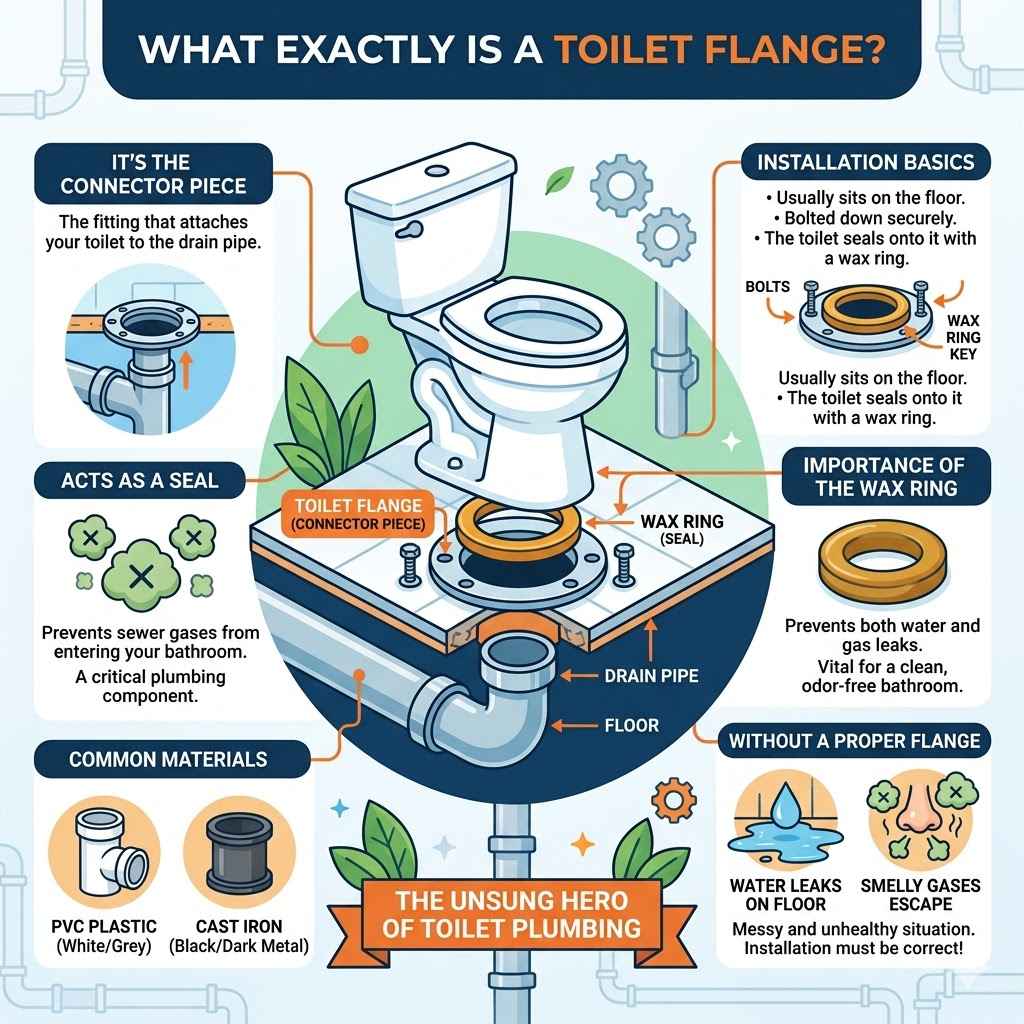
Before we get into sizes, let’s quickly talk about what a toilet flange actually is. Think of it as the connector piece. It’s the fitting that attaches your toilet to the drain pipe.
It also acts as a seal. This seal prevents sewer gases from coming up into your bathroom. It’s a pretty important part of your plumbing!
You usually see it as a ring, often made of PVC plastic or cast iron.
The flange sits on the floor. It’s usually bolted down. The toilet then seals onto this flange with a wax ring.
This wax ring is key to preventing leaks, both water and gas. So, this humble ring plays a big role in your bathroom’s function and comfort. It keeps things clean and odor-free.
Without a proper flange, a toilet simply wouldn’t work. It would leak water onto your floor. It would let smelly gases escape.
It would be a messy and unhealthy situation. That’s why getting the right flange, and installing it correctly, is so important. It’s the unsung hero of toilet plumbing.
The Standard Toilet Flange Size
When most people ask if all toilet flanges are the same size, they are usually thinking about the outer diameter where the toilet sits. The most common flange size is designed to fit a standard 3-inch or 4-inch drain pipe. The opening in the flange itself is typically around 3 inches in diameter.
This opening lines up with the toilet’s outlet horn.
The outer diameter of the flange, the part you see on the floor, can vary a bit more. But its main job is to provide a stable mounting surface for the toilet bolts. These bolts are what hold the toilet securely to the floor.
They are usually located about 12 inches apart on center.
The flange is mounted to the floor. This is usually done with screws or bolts. These fasteners go into the subfloor or blocking.
This makes sure the flange is firmly in place. The toilet then sits over the flange opening. The wax ring seals the connection between the toilet base and the flange.
So, while the inner opening is quite standard for water flow, the overall footprint of the flange can differ slightly. This is often based on the material and how it’s designed to attach to different types of flooring or subflooring. But for the most part, they are built to work with standard toilets.
Why the Confusion About Sizes?
The confusion often comes from a few different factors. One is the material. You have PVC flanges and cast iron flanges.
They might look and feel a little different. Another factor is how they are installed. Some flanges sit directly on the finished floor.
Others are designed to be installed below the finished floor.
The height of the flange above the finished floor is a critical measurement. This is often where things can get tricky. A flange that is too low can lead to leaks.
A flange that is too high can make it hard to get a good seal with the wax ring. This can also cause leaks.
Then there are specialty flanges. Some are made for specific situations, like an angled floor or a situation where the drain pipe is not perfectly centered. These might have different shapes or mounting methods.
They are designed to solve a particular problem.
Also, older homes might have different plumbing standards than newer ones. This can lead to variations in the drain pipe size or flange design. While 3-inch and 4-inch pipes are the norm now, you might find older systems that are a bit different.
This adds to the complexity.
Understanding Flange Types and Their Sizes
Let’s break down the common types of toilet flanges and how their “size” might differ in practical terms:
Common Toilet Flange Materials
PVC Flanges: These are the most common today. They are lightweight, easy to cut, and relatively inexpensive. They connect directly to PVC drain pipes.
They typically come in standard 3-inch and 4-inch sizes for the pipe connection. The ring part might vary slightly in thickness.
Cast Iron Flanges: Older homes often have these. They are very durable but heavier and more expensive. They connect to cast iron drain pipes.
They also come in standard sizes but might have different bolt hole configurations or a slightly different flange ring shape.
Offset Flanges: These are designed to shift the toilet’s position. They allow you to move the toilet a few inches off-center. This is useful if your drain pipe isn’t perfectly placed.
They come in different degrees of offset, not necessarily a different size in diameter but a different configuration.
Key Size Considerations for Flanges
Pipe Connection Size: This is the crucial one. Does it fit a 3-inch pipe or a 4-inch pipe? Most flanges are made to connect to one or the other, or sometimes have a design that fits both using a rubber gasket or reducer.
This is internal to the flange.
Flange Ring Diameter: The outer ring where the toilet bolts go. While there’s a standard bolt pattern, the total diameter can differ based on how much surface area is needed to attach it to the floor or subfloor.
Flange Height (or Thickness): This is perhaps the most important measurement for installation. It’s the distance from the flange’s sealing surface to the top of the finished floor. This needs to be correct for the wax ring to seal properly.
The Critical Measurement: Flange Height
This is where things can get frustrating for DIYers. The “size” of the flange isn’t just about its diameter. It’s also about its height relative to your bathroom floor.
Most building codes specify that the flange should sit just slightly above the finished floor. We’re talking about 1/4 inch to 1/2 inch above.
Why is this so important? It’s all about the wax ring. The wax ring is what creates the watertight and gas-tight seal between the toilet and the flange.
If the flange is too low, the wax ring won’t have enough “meat” to compress and seal effectively. This is a recipe for leaks and odors.
Conversely, if the flange is too high, it can also cause problems. It might lift the toilet unevenly. This can lead to the toilet rocking or even cracking the porcelain over time.
The wax ring might also get too compressed and not seal properly in certain spots.
I remember one time helping a friend with a toilet replacement. They had a new flange that seemed to fit the pipe perfectly. But when they set the toilet, it wobbled badly.
We realized the new flange sat much higher than the old one. We had to use a thicker wax ring, a special flange extender, to make it work. It was a bit of a puzzle, but we figured it out!
Common Flange Height Scenarios
Here are a few common scenarios you might encounter regarding flange height:
Scenario 1: Flange Below Finished Floor
This is a common issue, especially in older homes or after flooring has been added or changed. If your flange is below the floor level, you cannot simply install a new toilet. You need to raise the flange.
This is often done with flange extension rings or by shimming. Using a standard wax ring might not be enough. You might need an extra-thick wax ring or a wax ring with a plastic horn to help create a better seal.
Scenario 2: Flange Flush with Finished Floor
This is often considered acceptable, but a little bit of height is better. If it’s flush, the wax ring will compress. However, it might not create as robust a seal as if it were slightly above.
It’s usually okay, but if you notice any slight rocking of the toilet or feel any moisture, this might be the culprit.
Scenario 3: Flange Above Finished Floor (Ideal)
This is the sweet spot. When the flange is about 1/4 inch to 1/2 inch above the finished floor, the wax ring can compress evenly and create a perfect seal. The toilet will sit flat and stable.
This is the easiest and most reliable situation for a toilet installation.
Can You Use a Different Size Flange?
If you’re replacing a flange, you need to match it to the existing drain pipe. If your drain pipe is 3 inches, you need a flange designed for a 3-inch pipe. If it’s 4 inches, you need a 4-inch flange.
Most flanges are specifically sized for one or the other.
Some universal flanges are available. These are designed to work with both 3-inch and 4-inch pipes, often using a reducer or a flexible gasket system. When in doubt, sticking to the size that matches your current drain pipe is the safest bet.
Using the wrong size can lead to leaks and fitting problems.
For example, trying to force a 4-inch flange onto a 3-inch pipe will not work correctly. It won’t seal against the pipe. This will lead to sewage backing up into the flange.
It could also lead to the flange not being held securely. It’s like trying to fit a square peg in a round hole.
My Own Flange Fiasco
I once bought a fixer-upper house. The previous owner had done some. creative plumbing.
When it was time to replace the toilet in the main bathroom, I discovered the flange wasn’t just a little low; it was practically in the subfloor. The finished floor was tile, and it had been laid right up to the old flange.
The toilet sat at a weird angle. And worst of all, there was a faint but persistent sewer smell. I knew that wax ring wasn’t doing its job.
I went to the hardware store and asked for a flange extender. The guy there showed me a few options. Some were plastic, some were metal.
I ended up buying a plastic flange extender kit. It came with a new ring and bolts. It was designed to screw onto the existing flange.
Then, the new toilet bolts would attach to this extender. It took some fiddling, but it worked! The toilet sat level, and the smell disappeared.
It was a relief, literally!
Infographic: Quick Flange Check
Measure Pipe Diameter: Is your visible drain pipe 3 inches or 4 inches wide?
Check Height Above Floor: Does the flange ring sit above, flush with, or below your finished bathroom floor?
Inspect for Damage: Are there any cracks, rust, or loose bolts on the current flange?
Bolt Position: Are the bolt holes roughly 12 inches apart from center to center?
What If Your Flange Looks Different?
Sometimes, you might encounter a flange that doesn’t look like the standard round PVC ring. Don’t panic! There are several variations designed for specific needs.
Offset Flanges: As mentioned, these are used when the drain pipe isn’t perfectly centered under where you want the toilet. They have an offset opening that allows you to shift the toilet’s position by a few inches. These come in different degrees of offset, like 1/4 inch or 1/2 inch.
The core function is the same, but the shape is different to accommodate the shift.
Flanges for Angled Floors: In some homes, especially with tile or other uneven flooring, the flange might need to sit at a slight angle. Special angled flanges or flange shims can be used to ensure the toilet sits level.
“No-Hub” Couplings: If you’re working with older cast iron pipes, you might see a flange attached using a “no-hub” coupling. This is a type of rubber sleeve with metal clamps that creates a seal. The flange itself might still be standard in its dimensions.
The key is to identify what problem the different flange is trying to solve. If your flange is cracked or broken, you’ll need to
When to Worry About Your Flange
A damaged or improperly installed flange is a serious plumbing issue. Here are the red flags:
- Wobbly Toilet: If your toilet feels loose and rocks when you sit on it, the flange might be broken or not securely bolted. This can lead to leaks.
- Water Leaks: Any water pooling around the base of the toilet, especially after flushing, is a bad sign. The wax ring or flange seal could be compromised.
- Sewer Odors: A persistent smell of sewage in the bathroom is a strong indicator that the seal between the toilet and the flange is broken. This is not just unpleasant; it’s a health hazard.
- Cracked or Rusted Flange: Visually inspect the flange if possible. Cracks in PVC or rust and corrosion in cast iron flanges mean it needs replacement.
- Flange Too Low: If the flange is significantly below the finished floor, it’s a ticking time bomb for leaks.
In these cases, addressing the flange is the priority. A proper toilet installation relies on a solid, correctly positioned flange. Don’t try to just “make it work” with extra wax rings if the underlying flange is the problem.
That’s a temporary fix that will likely fail.
My Experience with a Cracked Flange
I remember a situation in a rental property I managed. The tenant reported a constant dripping sound. I went to investigate and found a small puddle forming around the base of the toilet.
I pulled the toilet, and the culprit was clear: a crack right through the PVC flange, near one of the bolt holes. It wasn’t large, but it was enough to let water seep out with every flush.
Replacing it was straightforward because the drain pipe was a standard 4-inch PVC. I cut out the old flange, cleaned the pipe end, and glued in a new one. Then I secured it to the subfloor.
I used a standard wax ring, and the new toilet sealed perfectly. It was a good reminder that even small-looking problems can have big consequences with plumbing.
Quick Fixes and Tips
While a damaged flange often requires
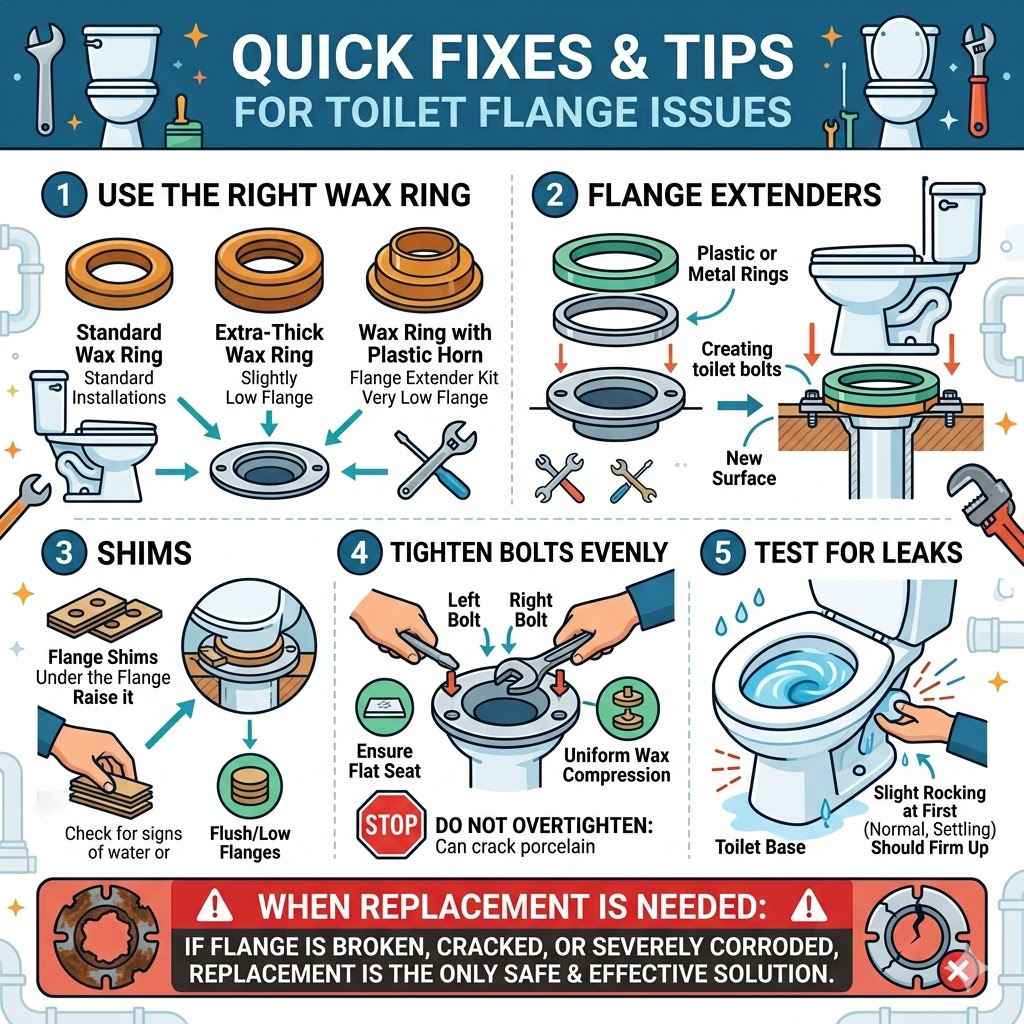
- Use the Right Wax Ring: For standard installations, a regular wax ring is fine. If the flange is slightly low, consider an extra-thick wax ring. If it’s very low, you might need a wax ring with a plastic horn or a flange extender kit.
- Flange Extenders: These plastic or metal rings add height to a low flange. They bolt onto the existing flange and provide a new surface for the toilet bolts.
- Shims: If the flange is flush or slightly low, you can sometimes use flange shims made for this purpose. They are placed under the flange to raise it.
- Tighten Bolts Evenly: When installing the toilet, tighten the flange bolts evenly, alternating between them. This ensures the toilet sits flat and the wax ring compresses uniformly. Do not overtighten, as this can crack the porcelain.
- Test for Leaks: After installing the toilet, run water through it several times. Check around the base for any signs of water or feel for dampness. A slight rocking of the toilet is normal at first, as the wax ring settles, but it should firm up.
Remember, these are tips for minor adjustments. If the flange itself is broken, cracked, or severely corroded, replacement is the only safe and effective solution.
Frequently Asked Questions About Toilet Flanges
What is the standard diameter of a toilet flange opening?
The opening in the center of a standard toilet flange is typically around 3 inches in diameter. This allows it to connect properly with the toilet’s outlet horn and the drain pipe.
How high should a toilet flange be above the floor?
Ideally, a toilet flange should sit between 1/4 inch and 1/2 inch above the finished bathroom floor. This height ensures a proper seal with the wax ring.
Can I use a 4-inch flange on a 3-inch drain pipe?
No, you should not force a 4-inch flange onto a 3-inch pipe. You need a flange specifically designed for a 3-inch drain pipe. Some universal flanges are available, but they use specific connectors or gaskets to adapt to different sizes.
What happens if my toilet flange is too low?
If your toilet flange is too low (below the finished floor), the wax ring will not be able to create a proper seal. This can lead to water leaks around the base of the toilet and unpleasant sewer gas odors entering your bathroom.
How do I fix a cracked toilet flange?
A cracked toilet flange usually needs to be replaced. This involves cutting out the old flange, cleaning the drain pipe, and installing a new flange that matches your pipe size and mounting requirements. Flange extenders can sometimes be used if the crack is minor and the height is still adequate.
What is an offset toilet flange for?
An offset toilet flange is used when the toilet drain pipe is not perfectly centered where you want the toilet to sit. It allows you to shift the toilet’s position by a few inches, typically forward or backward, to align it correctly.
Conclusion: Not All Are Identical, But Standards Help
So, to wrap things up: are all toilet flanges the same size? No, not exactly. But there are very common standards for the critical parts, like the inner opening and the bolt pattern.
The real variations that matter most for installation success are the connection size to the drain pipe (3-inch or 4-inch) and, crucially, the height of the flange above the finished floor.
Understanding these differences will help you tackle any toilet installation or repair project with confidence. A little knowledge goes a long way in avoiding those frustrating plumbing surprises. Keep an eye on that flange; it’s more important than you think!