Are Automatic Toilet Bowl Cleaners Safe? What Experts Say
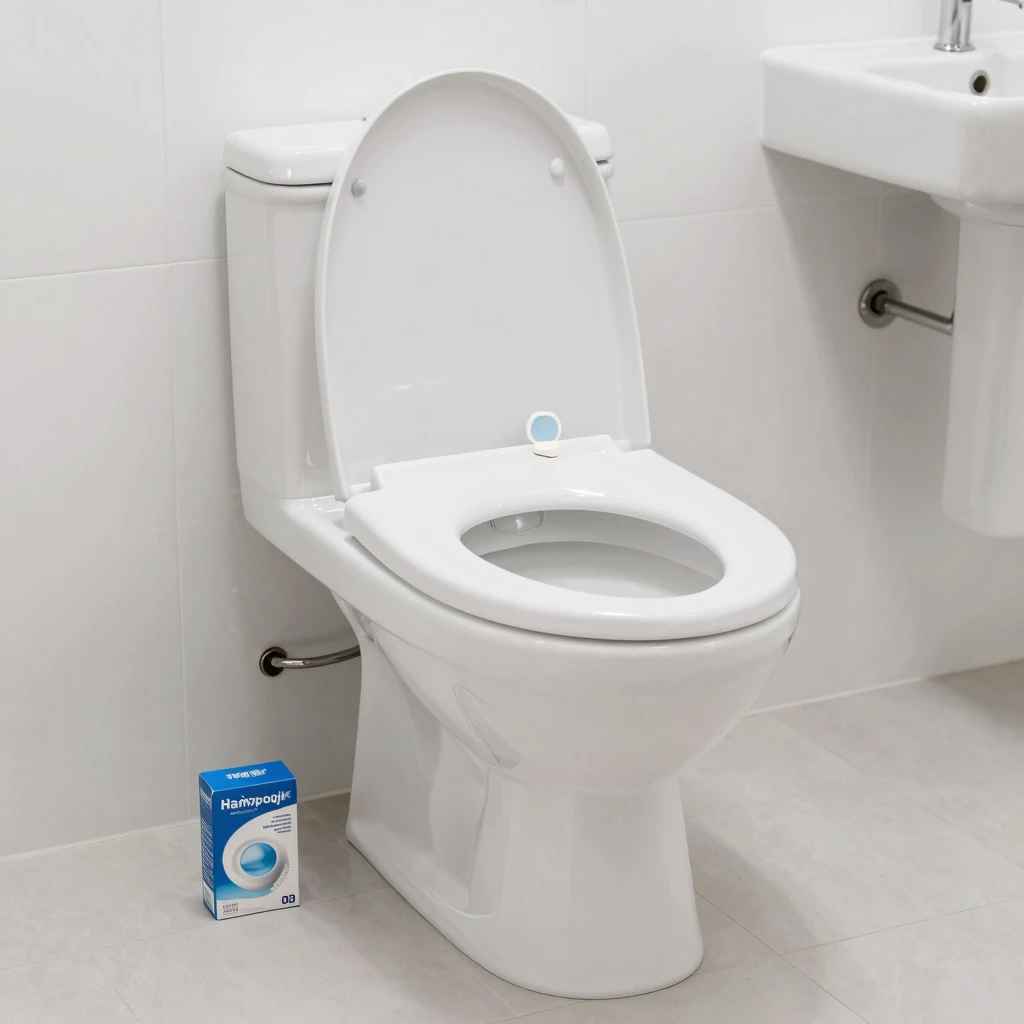
It’s a common thought: wouldn’t it be great if your toilet bowl cleaned itself? That’s where those little blue or white tablets that sit in your tank come in. They promise a perpetually clean bowl with every flush.
But as with many things that seem too good to be true, questions pop up. Are they really safe? What are they doing to your pipes?
And are they good for your home’s water system? Let’s dive into what you really need to know about these popular toilet tank cleaners.
Automatic toilet bowl cleaners, often found as tablets or cartridges in the tank, work by releasing cleaning agents with each flush. While convenient, their long-term safety for plumbing systems and home water quality is debated by experts. Understanding their ingredients and effects is key to making an informed choice for your home.
Understanding Automatic Toilet Bowl Cleaners
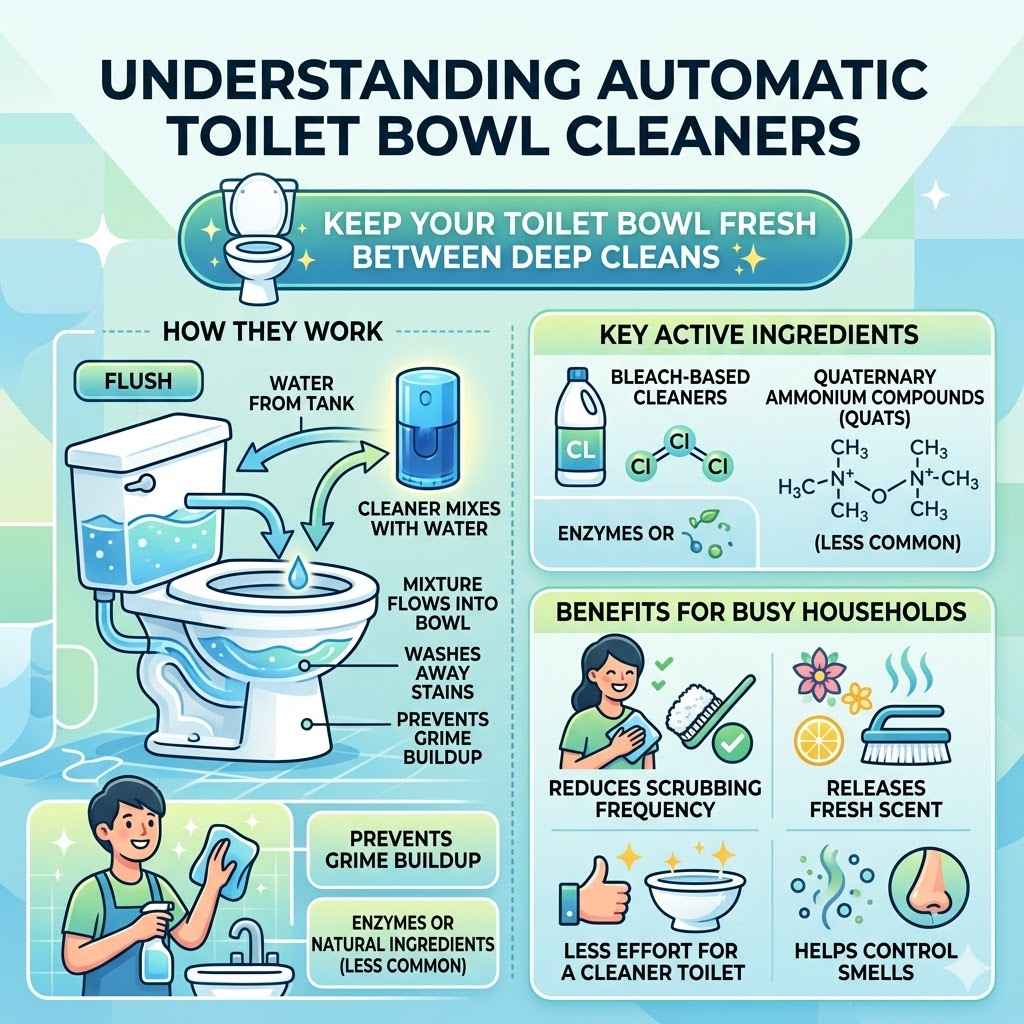
These cleaners are designed for one main purpose. They aim to keep your toilet bowl looking fresh between deep cleans. Most of them work in a pretty simple way.
When you flush, water from the tank mixes with the cleaner. This mixture then flows into the bowl. It helps to wash away stains and prevent grime buildup.
The active ingredients vary. Some use bleach-based cleaners. Others rely on chemicals like quaternary ammonium compounds.
These are often called “quats.” Some might use enzymes or natural ingredients, but these are less common. The goal is always the same: a cleaner toilet bowl with less effort from you.
Many people like them because they reduce how often you need to scrub. A quick wipe might be all that’s needed. They can also help with smells.
The fresh scent they release can make the bathroom feel cleaner. For busy households, this is a big plus. It feels like a win for less work and a cleaner home.
My Own Toilet Tank Experiment
I remember a time a few years back. My in-laws were coming for a visit. I wanted everything to be perfect.
My guest bathroom toilet always seemed to have a faint ring, no matter how much I scrubbed. I’d tried everything: sprays, gels, even baking soda. Nothing seemed to keep it gone for long.
Then I saw them at the grocery store: automatic toilet bowl cleaners. The box promised a sparkling clean bowl with no scrubbing needed. It sounded like a miracle solution.
I bought a pack, popped one into the tank, and waited. For the first week, it was amazing. The water had a nice blue tint.
There was a fresh scent every time someone flushed. And yes, the dreaded ring seemed to be gone.
I felt so clever! Less work for me, and a cleaner house for guests. But after about a month, I noticed something strange.
The water in the tank looked a bit cloudy. And when I did eventually clean the toilet, it seemed like the porcelain felt… different. Almost slicker, but in a weird way.
It made me pause and wonder what was really going on in there.
How They Work: A Quick Look
In the Tank: A tablet or cartridge sits in the toilet tank.
With Each Flush: Water slowly dissolves the cleaner.
Into the Bowl: The cleaning solution flows into the toilet bowl.
The Result: Helps remove stains and prevent buildup between cleanings.
Potential Risks to Your Plumbing
Here’s where things can get a bit more serious. While they make the bowl look clean, these cleaners can actually harm your toilet and pipes over time. This is especially true for older toilets or those with certain types of parts.
Many of these tablets contain strong chemicals. Bleach is a big one. While great for killing germs, it can also eat away at rubber and plastic parts.
Think about the flapper at the bottom of your tank. Or the seals and gaskets. Over time, harsh chemicals can make them brittle.
They might crack or break apart.
When these parts fail, you can get leaks. Water might constantly run into the bowl. Or worse, your toilet might stop flushing correctly.
Replacing these parts can be a hassle. Sometimes, the damage is significant enough that you might need to replace the whole toilet. That’s a much bigger expense than a pack of cleaning tablets.
Also, consider the tank itself. Many toilet tanks are made of porcelain. While porcelain is durable, some tank linings can be damaged by constant exposure to strong cleaning agents.
This can lead to cracks or chips in the tank. Water can then seep through, causing damage to your floor or the area around the toilet.
Material Spotlight: What’s Inside?
- Chlorine Bleach: Powerful disinfectant, but can degrade rubber and plastic.
- “Quats” (Quaternary Ammonium Compounds): Also disinfectants, can be harsh.
- Dyes: Give the water color, not usually harmful but can stain if spilled.
- Fragrances: Provide scent, some people can be sensitive to them.
Impact on Home Water Quality
This is a concern for many homeowners. When these cleaners dissolve, the chemicals enter the water that fills your tank. This water is usually the same water that comes into your home for drinking and bathing.
So, what are you flushing into your home’s water supply?
If your toilet has a tank-to-bowl seal that isn’t perfectly tight, or if you have a dual-flush system, there’s a chance some of these cleaning chemicals could mix with your fresh water supply. This is not ideal. Even small amounts of chemicals like bleach can affect the taste and smell of your water.
For people with sensitive systems, or if you have a private well, this is a bigger worry. You might be inadvertently contaminating your own drinking water. Even if the levels are low, repeated exposure to certain chemicals isn’t good.
It’s best to keep cleaning agents out of your drinking water supply.
The U.S. Environmental Protection Agency (EPA) has guidelines for safe drinking water. While these toilet cleaners are not intended for drinking, the potential for cross-contamination is a valid concern.
Always check the product labels. But even then, the exact concentration of chemicals can vary.
Water Safety Check: What to Watch For
- Taste or Odor Changes: If your water tastes or smells different, suspect something.
- Visible Cloudiness: This can indicate dissolved solids.
- Sensitive Individuals: Pay close attention if anyone in the house is prone to reactions.
Are There Safer Alternatives?
Absolutely! If you want a clean toilet without the worry, you have options. Many people find that good old-fashioned scrubbing works best.
It’s effective and you know exactly what you’re using.
For a less intense clean, try using a toilet bowl cleaner that you apply directly to the bowl’s surface. Let it sit for a bit, then scrub. This keeps the chemicals contained to the bowl, not in your tank.
Many brands offer bleach-free options too. Look for ones made with natural acids like citric acid.
Vinegar is also a great natural cleaner. You can pour about a cup of white vinegar into the bowl. Let it sit for an hour or even overnight.
Then scrub with your toilet brush. It helps to remove stains and can kill some bacteria.
Baking soda is another gentle abrasive. Sprinkle it into the bowl, then scrub. It helps lift grime without scratching the porcelain.
You can also make a paste with baking soda and a little water for tougher spots.
For ongoing prevention, regular cleaning is key. Aim to scrub the bowl at least once a week. This prevents stains from setting in.
Keeping the lid down also helps reduce dust and other things from falling into the bowl. Small habits can make a big difference.
Alternative Cleaning Power
- Vinegar Soak: Pour in, let sit, scrub.
- Baking Soda Paste: For spot cleaning and scrubbing.
- Direct Bowl Cleaners: Apply to bowl, not tank.
- Regular Scrubbing: Best prevention method.
What Experts Say About Toilet Tank Cleaners
Plumbers and plumbing associations often weigh in on this topic. Many express concerns about the long-term effects of in-tank cleaners. The Plumbing-Heating-Cooling Contractors Association (PHCC) has shared warnings about these products.
They highlight the potential damage to toilet tank components.
Manufacturers of toilets themselves often advise against using in-tank cleaners. Many toilet warranties can be voided if damage occurs due to such products. This is a strong indicator that these cleaners are not considered safe by the companies making your toilets.
They designed them to work with water, not with harsh chemicals continuously present.
Consumer Reports has also tested and reviewed cleaning products. Their advice often leans towards caution with automatic cleaners. They emphasize reading labels carefully and understanding the risks.
For them, the convenience often doesn’t outweigh the potential for damage and health concerns.
The general consensus from experts is to proceed with extreme caution. If you choose to use them, select products that explicitly state they are safe for all plumbing and septic systems. Look for bleach-free formulas.
And always, always check your toilet’s warranty information first. It’s better to be safe than to face costly repairs later.
Expert Opinions: The Takeaway
Plumbers: Often warn about damage to rubber and plastic parts.
Toilet Makers: May void warranties if in-tank cleaners are used.
Consumer Advocates: Advise caution and careful product selection.
Overall: Use with awareness of potential risks.
Real-World Context: Older Homes vs. New Builds
The age and type of your plumbing system matter a lot. In newer homes, toilets and pipes are often made with more modern, resistant materials. These might hold up better against the chemicals found in toilet cleaners.
However, even newer systems can suffer damage over time.
Older homes, though, are a different story. Many have plumbing systems with rubber seals, plastic connectors, and even older metal pipes. These materials are more susceptible to degradation from harsh chemicals.
The constant exposure from an in-tank cleaner can speed up wear and tear significantly.
I’ve heard stories from friends who live in older houses. They used these tablets and ended up with leaky tanks or toilets that wouldn’t flush right. The cost to repair these issues in older homes can be higher.
Parts might be harder to find. The repairs themselves might be more complex.
Even if your toilet is relatively new, consider its parts. The flapper valve, for instance, is a crucial rubber seal. It’s constantly submerged in tank water.
If that rubber breaks down from chemical exposure, you’ll have a running toilet. That wastes water and can lead to higher bills. It’s a small part with a big impact.
When to Be Extra Cautious
There are certain situations where using automatic toilet bowl cleaners is a really bad idea. If you have a septic system, for example, you need to be extra careful. The chemicals in these cleaners can disrupt the delicate balance of bacteria in your septic tank.
These bacteria are essential for breaking down waste.
Damaging your septic system can lead to very expensive repairs. It can also cause serious problems like sewage backups. Always check if a product is septic-safe before using it in a home with a septic system.
Many in-tank cleaners are NOT safe for septic systems.
If anyone in your household has allergies or sensitivities to strong chemicals or fragrances, these cleaners can also be a problem. The airborne particles released with each flush could trigger reactions. This might include headaches, skin irritation, or respiratory issues.
Finally, if your toilet is leaking or showing signs of wear, introducing harsh chemicals is like adding insult to injury. It’s better to address any existing issues first. Fix leaks and replace worn parts before you think about automatic cleaning solutions.
Situations Demanding Extra Care
- Septic Systems: Risk of disrupting bacterial balance.
- Chemical Sensitivities: Potential for allergic reactions.
- Existing Leaks/Wear: Can worsen existing problems.
- Old Plumbing: Higher risk of material degradation.
Quick Checks You Can Do
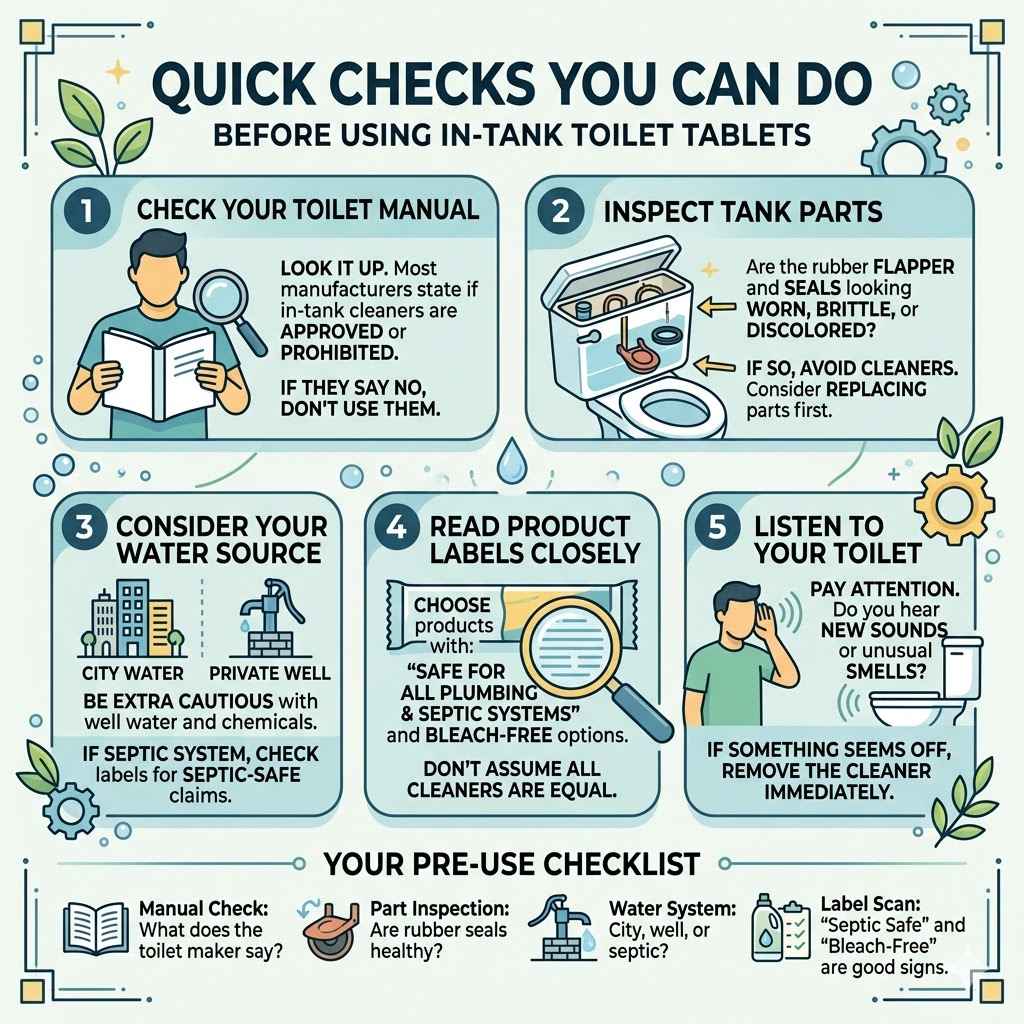
Before you even think about putting a tablet in your toilet tank, do a few quick checks. It only takes a moment and could save you trouble later.
1. Check Your Toilet Manual: If you still have the manual for your toilet, look it up. Most manufacturers will state whether in-tank cleaners are approved or prohibited.
If they say no, don’t use them.
2. Inspect Tank Parts: Open the tank lid and look at the parts inside. Are the rubber flapper and the seals looking worn, brittle, or discolored?
If so, avoid in-tank cleaners. Consider replacing these parts first.
3. Consider Your Water Source: Do you have city water or a private well? If it’s a well, be extra cautious about any chemicals entering your water supply.
If you have a septic system, check product labels very carefully for septic-safe claims.
4. Read Product Labels Closely: If you decide to try an in-tank cleaner, choose one that explicitly states it is safe for all plumbing and septic systems. Look for bleach-free options.
Don’t assume all cleaners are created equal.
5. Listen to Your Toilet: After installing a cleaner, pay attention. Do you hear any new sounds?
Are there any unusual smells? If something seems off, remove the cleaner immediately.
Your Pre-Use Checklist
Manual Check: What does the toilet maker say?
Part Inspection: Are rubber seals healthy?
Water System: City, well, or septic?
Label Scan: “Septic Safe” and “Bleach-Free” are good signs.
Frequently Asked Questions About Automatic Toilet Bowl Cleaners
Are automatic toilet bowl cleaners bad for my septic system?
Many automatic toilet bowl cleaners contain harsh chemicals like bleach that can harm the beneficial bacteria in your septic tank. This can disrupt the natural breakdown of waste. It’s best to choose cleaners specifically labeled as “septic-safe” or to avoid in-tank cleaners altogether if you have a septic system.
Can these cleaners damage my toilet pipes?
Yes, they can. The strong chemicals, especially bleach, can degrade rubber and plastic components within the toilet tank, such as flappers and seals. Over time, this can lead to leaks and the need for costly repairs or replacements.
Older plumbing systems are more vulnerable.
Will these cleaners affect my drinking water?
There is a risk of chemicals from in-tank cleaners entering your home’s fresh water supply, especially if your toilet’s seals are not perfect. While the amounts might be small, it’s generally not advisable to have cleaning agents mixing with water intended for drinking or bathing. Bleach can also alter water taste and odor.
Are there bleach-free automatic toilet bowl cleaners?
Yes, some brands offer bleach-free options. These typically use other types of cleaning agents or enzymes. However, even bleach-free formulas can still contain chemicals that might affect your plumbing over time.
Always check the product label and your toilet manufacturer’s recommendations.
How often should I clean my toilet bowl if I don’t use automatic cleaners?
For most households, a good scrubbing of the toilet bowl once a week is recommended. This helps prevent stains from setting in and keeps the bowl fresh. Regular cleaning is often more effective and safer for your plumbing than relying on automatic solutions.
My toilet manufacturer warns against in-tank cleaners. What should I do?
If your toilet’s manual or warranty explicitly warns against using in-tank cleaners, you should absolutely follow that advice. Using them could void your warranty. In such cases, it’s best to stick to direct bowl cleaners and regular manual scrubbing.
Conclusion: A Safer Path to a Clean Bowl
While the idea of a self-cleaning toilet is appealing, the reality of automatic tank cleaners comes with risks. They can harm your plumbing, potentially affect your water quality, and even void your toilet’s warranty. For the long-term health of your home and your plumbing system, it’s often wiser to avoid them.
Prioritizing regular, manual cleaning with safe, effective products will keep your toilet sparkling. It’s a bit more effort, yes, but it’s a reliable way to ensure your toilet functions well for years to come. Your pipes will thank you!