Coast Redwood vs Giant Sequoia: Which Wood Is Used in Lumber?
Coast redwood is usually the species found as usable lumber; Giant Sequoia is uncommon in ordinary retail stock, and a board sold as “sequoia” is often redwood or another softwood. If you buy the wrong board, you can end up with poor outdoor durability, mismatched color, or a price that does not fit the wood’s actual performance. This guide explains how the two woods differ, what lumber grades to expect, and the warning signs that a “sequoia” board is not normal redwood stock.
| Decision factor | Coast Redwood | Giant Sequoia | Winner |
|---|---|---|---|
| Retail lumber availability | Common commercial lumber species; the usual “redwood” on yard racks | Rarely supplies commercial lumber; more likely salvage or one-off stock | Coast Redwood |
| Outdoor service potential | Heartwood is naturally decay resistant and widely used for decking, fencing, siding, and trim | Can have useful wood, but routine outdoor purchase is less predictable because stock is uncommon and often salvage-based | Coast Redwood |
| Identification confidence at the yard | More likely to be labeled by species name and grade in normal commercial supply | Often appears unlabeled, mixed, or described only as salvaged “sequoia” stock | Coast Redwood |
| Best-fit buyer use case | Appearance projects and outdoor work where stable, decay-resistant softwood matters | Specialty slabs, salvage projects, or unusual stock with verified origin | Coast Redwood |
What wood is sold as redwood lumber?
Coast redwood is the standard commercial species buyers usually mean when they ask for redwood lumber. The yard should name Sequoia sempervirens when the stock is true coast redwood. Giant Sequoia is a separate species, and it is not the normal answer at a lumber yard.
Why the common name causes confusion
“Redwood” is buyer shorthand, not a precise label. That matters because heartwood, grading, drying, and source all affect serviceability more than the common name alone. Fresh stock can show pink to reddish-brown heartwood with pale sapwood, though the exact board can still vary with species, cut, and moisture condition.
Where the yard label should name the species
Ask for the scientific name on any board sold as redwood-family lumber. If the label says only “sequoia,” “redwood,” or “old growth” without species, treat it as incomplete. For framing or code work, also check the structural stamp and grade before you buy.
📊 The tallest redwood on record is Hyperion at 380 feet. Source: Oregonstate.
These are separate species with separate native ranges and separate market roles. Coast Redwood, Sequoia sempervirens, grows in a narrow coastal belt from southwestern Oregon through northern and central coastal California. Giant Sequoia, Sequoiadendron giganteum, grows in western Sierra Nevada groves and rarely enters routine lumber supply. (Wikipedia)
Why Coast Redwood shows up more often
Coast redwood is the species most buyers mean by “redwood lumber,” and that is because it has an established commercial supply chain. It is lightweight, fairly stable, and naturally decay resistant in the heartwood. Those traits fit decking, fencing, siding, and trim better than a one-off salvage board does.
Why Giant Sequoia is rarely a routine board source
Giant Sequoia is uncommon in lumber markets because it does not show up as regular retail stock. When it does appear, it is more likely from salvage or cultivated-tree stock than from a normal commercial run. That rarity changes price, grading expectations, and the odds that the board is actually suitable for your project.
How do you tell the boards apart?
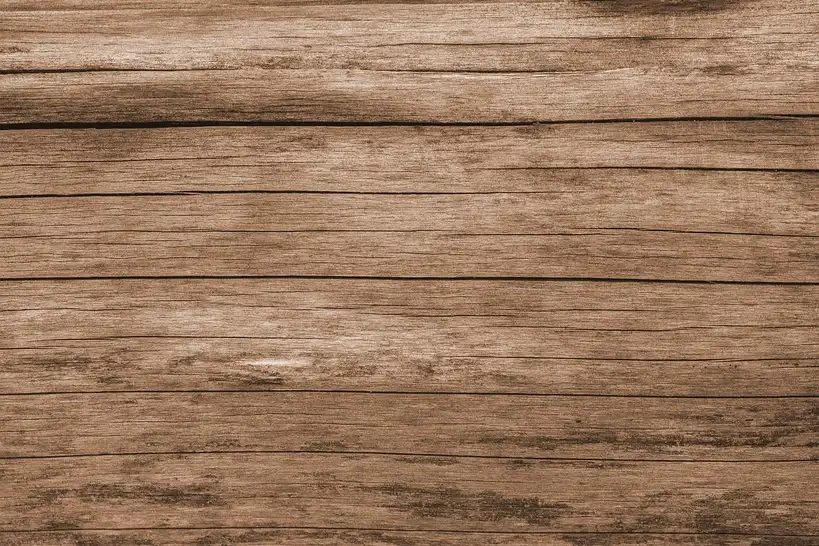
Start with color, then check grain and drying condition. Coast redwood heartwood is darker red-brown, while sapwood is pale cream to yellow-white and less decay resistant. Straight grain is common, flat-sawn boards can show cathedral patterns, and vertical-grain boards usually move less across the face.
Heartwood color versus sapwood color
Heartwood is the durability-bearing portion of redwood lumber. That darker red-brown zone is the part you want to see when the board will live outdoors. Sapwood is the pale outer wood and should not be treated as equal to heartwood for decay resistance, especially in exposed work.
Say your board has a wide pale edge and only a narrow dark core. That is a warning that you may be looking at a lot of sapwood, so the board is a weaker choice for a fence cap, planter, or other wet service.
Grain pattern and cut
Redwood often machines cleanly because the wood is soft, but the cut matters. Flat-sawn boards commonly show cathedral grain, while vertical-grain boards are generally more stable across their faces. If you want straighter visual lines and less face movement, vertical grain is usually the safer buy.
Moisture content and drying condition
Moisture content affects movement, checking, and serviceability. Dry stock is easier to fit and finish, while wetter stock can twist or open checks after installation. Ask how the board was dried and whether it is suitable for the intended exposure before you pay for it.
- Read the species label, not just the common name.
- Inspect the color: darker heartwood versus pale sapwood.
- Check the grain: straight, flat-sawn, or vertical grain.
- Ask for the drying condition or moisture content.
- For structural work, confirm the stamp and grade.
- For “sequoia” stock, ask whether it is commercial or salvaged.
Redwood lumber comparison table
| Species | Lumber-source likelihood | Typical board characteristics | Recommended applications |
|---|---|---|---|
| Coast Redwood | High; the normal commercial redwood species in yard stock | Lightweight softwood, stable, straight grain common, heartwood darker red-brown, sapwood pale cream to yellow-white | Decking, fencing, siding, trim, and other appearance or outdoor projects |
| Giant Sequoia | Low; usually salvage or cultivated-tree stock, not routine retail lumber | Availability is inconsistent; inspect carefully for source, drying, and grading before purchase | Specialty slabs, salvage projects, or non-standard uses with verified stock details |
Why giant sequoia is uncommon in lumber
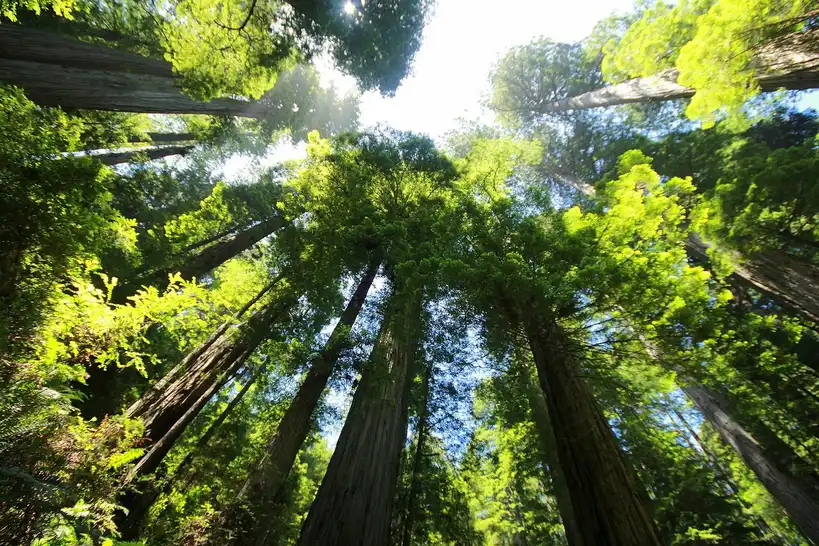
Giant Sequoia is uncommon because it is not a routine lumber-yard species and because usable boards often come from unusual sources. Salvage material and cultivated-tree stock can be difficult to dry, sort, and grade consistently. That affects yield, price, and the chance of getting a board that behaves predictably.
Salvage and cultivated-tree stock
When Giant Sequoia appears as lumber, it is more likely to be a special-case source than a normal commercial run. That means you should ask where the wood came from and whether the seller can verify the source. Unlabeled stock deserves extra caution because source and legality matter as much as species name.
Yield loss and milling limits
Large trees do not automatically become better boards. Brittle sections, checking, and shape irregularity can cut usable yield and make milling less efficient. That is one reason giant sequoia is far less common in ordinary board inventory than coast redwood.
Suppose you see a 12-inch-wide board labeled “sequoia” in a mixed salvage pile. If the seller cannot explain the source, drying status, and intended grade, the board may be a specialty oddity rather than a dependable substitute for redwood decking stock.
What should you ask at the lumber yard?
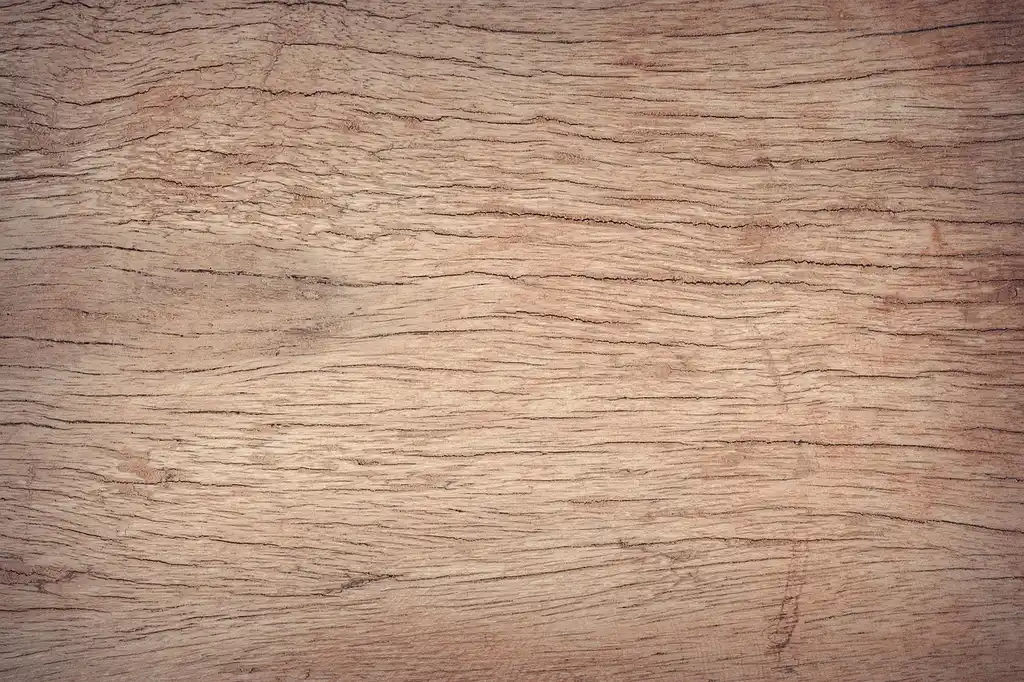
Ask for the scientific name, ask whether the stock is commercial or salvaged, and ask for the grade and drying condition before you buy. For framing or code work, the structural stamp matters. For appearance stock, the heartwood-to-sapwood mix matters just as much.
Ask for the scientific name
Use the species name exactly: Sequoia sempervirens for Coast Redwood and Sequoiadendron giganteum for Giant Sequoia. That question cuts through loose labels and helps you avoid buying the wrong board for outdoor exposure or a code-sensitive project.
Ask whether the stock is salvaged or commercial
Commercial source and salvage source are not interchangeable. A salvaged Giant Sequoia board may be a valid specialty find, but it should not be assumed to behave like standard redwood stock. Pricing, availability, and expectations all change once the board is outside normal retail supply.
Check for structural stamps and grade before framing use
Appearance stock is not a substitute for graded lumber. If the board is intended for framing or another code work application, the stamp is part of the purchase decision. Without it, you are buying a piece of wood for non-structural use only.
Choose Coast redwood if…
Choose Coast Redwood if you want the species most buyers mean by redwood lumber, especially for decking, fencing, siding, or trim. It is the routine commercial option, easier to source, and easier to verify by species, grade, and drying condition. That makes it the safer default for most buyers.

Choose Giant Sequoia if…
Choose Giant Sequoia only when you are buying verified salvage or specialty stock and you already know the source, drying condition, and intended use. It is not the normal board-yard substitute for redwood. Use it for a specialty slab or unusual project, not as a routine outdoor lumber pick.
Frequently asked questions
Is giant sequoia used as lumber?
Yes, but rarely as ordinary commercial lumber. Giant Sequoia is more likely to appear as salvage or cultivated-tree stock than as routine retail board material. If you are shopping a lumber yard, do not assume a “sequoia” label means normal redwood stock or a direct substitute.
What wood is actually sold as redwood lumber?
Coast redwood is the standard species sold as redwood lumber. Buyers usually mean Sequoia sempervirens when they ask for redwood. The wood is known for its light weight, stable softwood behavior, and naturally decay-resistant heartwood, which is why it shows up in outdoor applications.
Is coast redwood the same as giant sequoia?
No. Coast redwood and giant sequoia are separate species with different scientific names, native ranges, and lumber availability. Coast redwood is the commercial lumber species most buyers mean. Giant sequoia is far less common in the lumber market and should not be treated as the same stock.
Why is giant sequoia rarely milled into boards?
It is uncommon in routine supply, and the stock that does appear often comes from salvage or special sources. That means milling, drying, grading, and yield are less predictable than with coast redwood. The result is limited availability and a narrower set of practical uses.
Can giant sequoia be used for decking or fencing?
Only if the board source, condition, and suitability are verified first. Do not assume every board labeled “sequoia” is fit for outdoor use. Coast redwood is the normal choice for decking and fencing because its heartwood is naturally decay resistant and much easier to source as commercial lumber.
How do I tell coast redwood from giant sequoia lumber?
Ask for the scientific name, then check the source, grading, and board appearance. Coast redwood is more likely to be regular commercial stock with clear labeling. Giant sequoia is more likely to be salvage or unusual stock, so unlabeled boards deserve extra scrutiny before you buy.
Sponsored / affiliate links. As an Amazon Associate I earn from qualifying purchases. I may earn additional commission from eligible campaigns.