Are There Purple Cherry Blossoms? Rare Varieties Explained
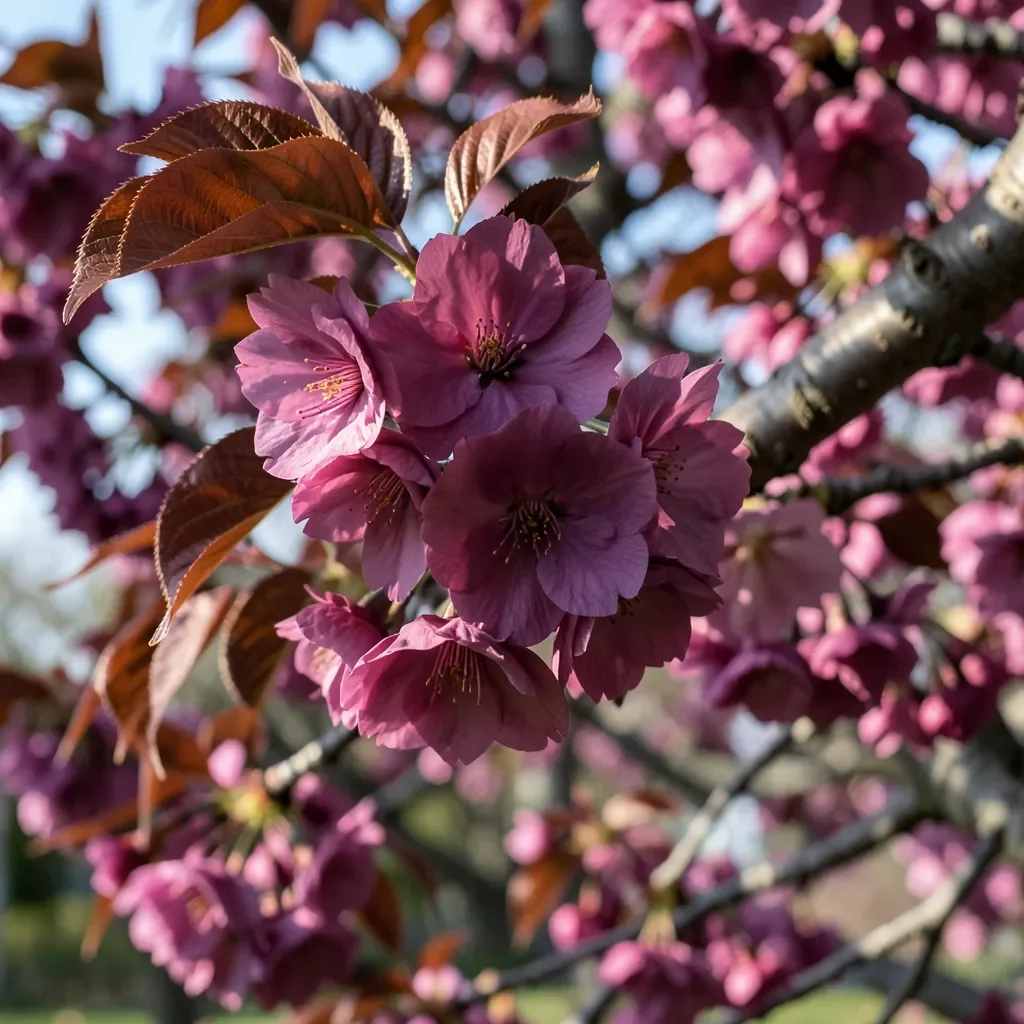
True purple cherry blossoms are rare — only a handful of Prunus cultivars, like Prunus x chengii and the deep-magenta ‘Royal Burgundy,’ approach purple, since the anthocyanin pigments needed for true violet tones are uncommon in cultivated cherry trees. Most garden centers only stock the classic pink and white types, so finding a genuinely dark-hued tree usually means searching specialty nurseries. This guide covers which varieties get closest to purple, why the color is so rare, and where to buy one.
The Mystery of Purple Cherry Blossoms
Best Soil pH Tester Pick
 |
SONKIR MS02 3-in-1 Soil pH Meter – $9.99 Purple and deep-magenta cherry cultivars like ‘Royal Burgundy’ need the slightly acidic-to-neutral soil pH covered in the Soil and Watering section below — this no-battery 3-in-1 meter checks pH, moisture, and light in one probe.
|
When most people think of cherry blossoms, the iconic images of parks and streets lined with trees draped in soft pink or pristine white flowers immediately come to mind. However, nature often surprises us, and cherry blossoms are no exception.
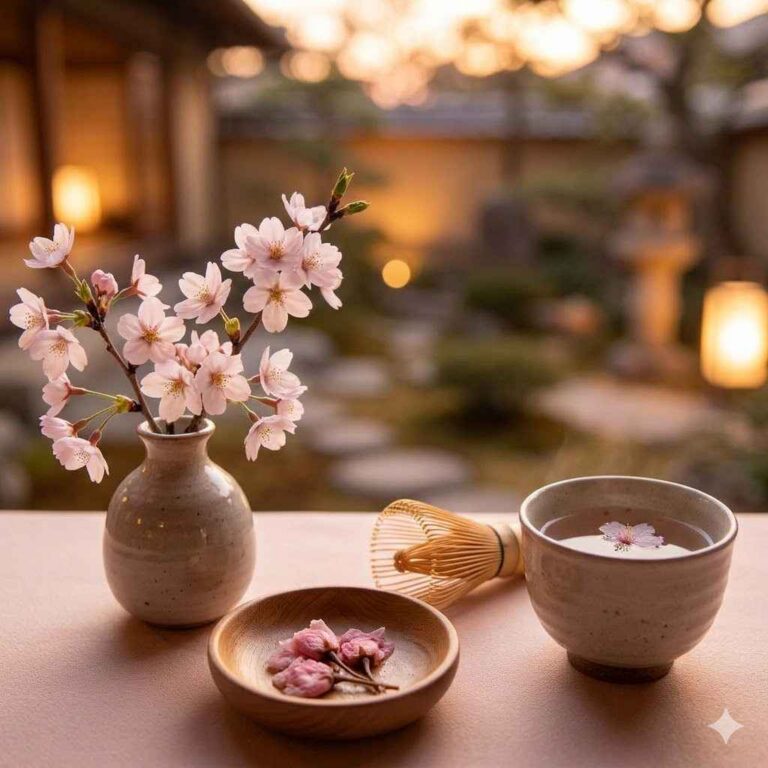
The short answer is yes: there are cherry blossom varieties that exhibit shades of purple. These are not as common as their pink and white counterparts, making them rarer and often more sought after by gardeners and enthusiasts. Their unique coloration stems from specific genetic traits and pigmentation within the flower petals, much like how different flowers have varying shades of red, yellow, or blue.
Exploring these less common varieties opens up a fascinating aspect of horticulture and plant genetics. It highlights the incredible diversity within the Prunus genus, which includes not only ornamental cherry trees but also fruit-bearing cherries, plums, and apricots.
Understanding Cherry Blossom Colors
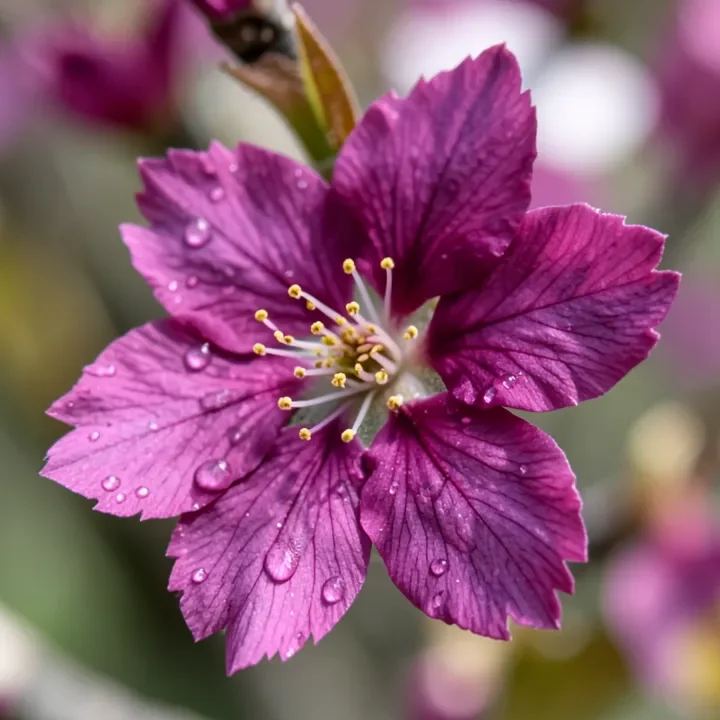
The color of a cherry blossom is determined by the pigments present in its petals. The most common pigments are anthocyanins and carotenoids. Anthocyanins are responsible for red, purple, and blue hues, while carotenoids produce yellow and orange colors.
In most cherry blossom varieties, the genetic makeup favors pigments that result in white or various shades of pink, from the palest blush to a deep fuchsia. The intensity and specific shade can vary significantly depending on the species and cultivar — sunlight exposure, soil pH, and even ambient temperature during blooming can subtly influence the final color.
The rarity of purple cherry blossoms means the genetic pathways leading to significant purple pigmentation are less prevalent in widely cultivated ornamental cherry trees. However, through careful observation and breeding efforts, some varieties have emerged that showcase these deep tones.
📊 Purple coloration in ornamental Prunus cultivars comes from anthocyanin pigments — the same pigment class responsible for red and purple hues in purple-leaf plum and cherry varieties, which mask the tree’s underlying green chlorophyll. Source: NC State Extension Gardener Plant Toolbox
Rare Varieties with Purple Hues
While the classic cherry blossom is a symbol of spring’s gentle beauty, a select few varieties offer a bolder, more regal display with their purple or deep magenta flowers. These are the ones that truly answer the question, “Are there purple cherry blossoms?”
Prunus x chengii
This hybrid cherry is one of the most notable for its purple blossoms. It often exhibits flowers that are a rich, deep pink, bordering on purple, especially in the bud stage. The petals can have a velvety appearance, adding to their luxurious feel. Finding this specific variety might require searching through specialized nurseries, as it is not as common as more mainstream ornamental cherries.
Prunus serrulata ‘Royal Burgundy’
‘Royal Burgundy’ is arguably the closest a widely-sold cherry gets to true purple. Its deep purplish-red foliage emerges alongside (and later frames) rich pink-to-magenta double flowers, and the dark bark and leaves intensify how purple the whole tree reads from a distance — even though the petals themselves are a deep pink rather than violet. It’s a patented ornamental cultivar, so buy from a licensed nursery rather than propagating cuttings.
Prunus serrulata ‘Kanzan’ (Sometimes mistaken for purple)
While technically not purple, the ‘Kanzan’ cherry is famous for its intensely deep pink flowers that can sometimes appear a rich, dark magenta in certain lighting conditions. This is one of the most popular double-flowered cherry trees, and its blossoms are truly abundant. They open from dark red buds, hinting at the deep color to come.
Prunus sargentii (Sargent Cherry)
The Sargent cherry is known for its early, profuse blooms that are typically a vibrant reddish-pink. While often described as pink, the intensity of the color can sometimes lean towards a dark magenta, especially on new growth or in cooler conditions. This species is also admired for its autumn foliage, which turns a bronze-red, offering multi-seasonal interest.
Prunus incisa ‘Kojou-no-mai’ (Winter Cherry)
While the main bloom color of Prunus incisa varieties is typically pink, the buds of some cultivars, like ‘Kojou-no-mai’, can have a distinctly reddish or purplish hue before they open. This dwarf variety is particularly attractive for smaller gardens and is known for its zig-zag branching pattern, which provides winter interest.
Why Are Purple Varieties Rarer?
The prevalence of pink and white cherry blossoms is largely due to historical breeding and cultivation practices. For centuries, gardeners and enthusiasts have favored these colors for their classic beauty and symbolic associations. The genetic makeup for producing vibrant purple pigments in cherry blossoms is simply less common than the genes for pink and white.
Furthermore, the development of new cultivars is a slow process. It involves cross-pollination, careful selection of offspring, and years of observation to ensure desirable traits like color, bloom size, form, and disease resistance are maintained. This rigorous process means that unique colorations, like true purple, take time and dedication to establish and popularize.
The demand for purple cherry blossoms, while growing, is still smaller than for the traditional colors. Nurseries often focus on varieties that have proven market appeal, which naturally includes the widely loved pink and white types.
Growing Purple Cherry Blossoms
If you are interested in adding a touch of regal purple to your garden, you’ll find that growing these rarer varieties is much like caring for their pink and white cousins. They thrive in similar conditions, although specific needs can vary slightly by species and cultivar.
Site Selection
Most cherry blossom trees prefer a location that receives full sun for at least six hours a day. This helps promote healthy growth and abundant flowering. They also appreciate well-draining soil — avoid areas where water tends to collect, as this can lead to root rot.
Soil and Watering
A slightly acidic to neutral soil pH is generally ideal for cherry trees — the pH meter above makes this a two-minute check before you plant. Amending the soil with organic matter, such as compost, can improve its structure and fertility. Water your tree regularly, especially during its first few years and during dry spells.
Pruning and Care
Pruning is typically done after flowering to maintain the tree’s shape and remove any dead, damaged, or crossing branches. Avoid heavy pruning in late winter or early spring, as this can remove flower buds. Watch for common pests and diseases, such as aphids or fungal spots, and address them promptly.
Where to Find Purple Cherry Blossoms
Finding these rarer purple or deep magenta varieties can be a rewarding treasure hunt. They are not as commonly stocked in large garden centers as the standard pink and white types.
- Specialty Nurseries: Look for nurseries that focus on ornamental trees or Japanese garden plants. They are more likely to carry unique cultivars.
- Online Retailers: Many reputable online nurseries offer a wider selection of plants, including rarer varieties. Be sure to check reviews and shipping policies.
- Botanical Gardens and Arboretums: Visiting these places can be a great way to see these trees in person and sometimes find out where they were sourced or if they are available for purchase.
- Plant Societies and Forums: Engaging with local horticultural societies or online gardening forums can provide valuable leads and advice from experienced growers.
When purchasing, ensure you are getting the specific cultivar you desire, as many cherries have similar common names. Reputable sellers will provide clear labels and descriptions — especially for a patented cultivar like ‘Royal Burgundy’.
Frequently Asked Questions
Can cherry blossoms actually be purple?
Yes, there are cherry blossom varieties that exhibit deep pink, magenta, and even purplish hues, although true vibrant purple is quite rare. Many are often described as deep magenta or rich crimson-pink.
What is the most common purple cherry blossom variety?
While true purple is rare, varieties like Prunus x chengii are known for their deep, rich pink flowers that verge on purple. Prunus serrulata ‘Kanzan’ and ‘Royal Burgundy’ are also popular for their intensely deep pink to magenta blooms.
Why are purple cherry blossoms less common?
The genetic makeup for producing deep purple anthocyanin pigments is less common in cherry trees compared to those that produce pink and white. Additionally, historical cultivation has favored the more traditional colors.
How do I care for a purple cherry blossom tree?
Care is similar to pink and white varieties. They generally need full sun, well-draining, slightly acidic to neutral soil, and regular watering, especially when young. Pruning is best done after flowering.
Where can I buy purple cherry blossom trees?
These rarer varieties are best found at specialty nurseries, online horticultural retailers, or through horticultural societies, as they are not as widely available in general garden centers.
Final Thoughts
The quest for purple cherry blossoms leads to a fascinating appreciation of nature’s subtle variations and human dedication to horticulture. While the classic pink and white blooms hold a timeless charm, the allure of deeper, more unconventional colors like magenta and violet adds an exciting dimension to spring’s floral display. Discovering and cultivating these rarer varieties, such as Prunus x chengii or the deep-toned ‘Royal Burgundy’ and ‘Kanzan’, offers a unique way to distinguish your garden with something truly special.
Embracing these less common colors not only provides visual interest but also supports biodiversity by encouraging the cultivation of a wider range of plant genetic material. By providing the right conditions — ample sun, good drainage, and consistent watering — these unique trees can flourish, offering their rare beauty season after season.
Sponsored / affiliate links. As an Amazon Associate I earn from qualifying purchases. I may earn additional commission from eligible campaigns.