Can You Eat Black Cherry Tree Fruit? Safe Or Not?
The short answer is yes, you can eat the fruit of the black cherry tree. However, you must know how to identify it correctly. Also, certain parts of the tree are toxic. Proper preparation and knowing what to avoid are key to safe consumption.
Understanding the Black Cherry Tree Fruit
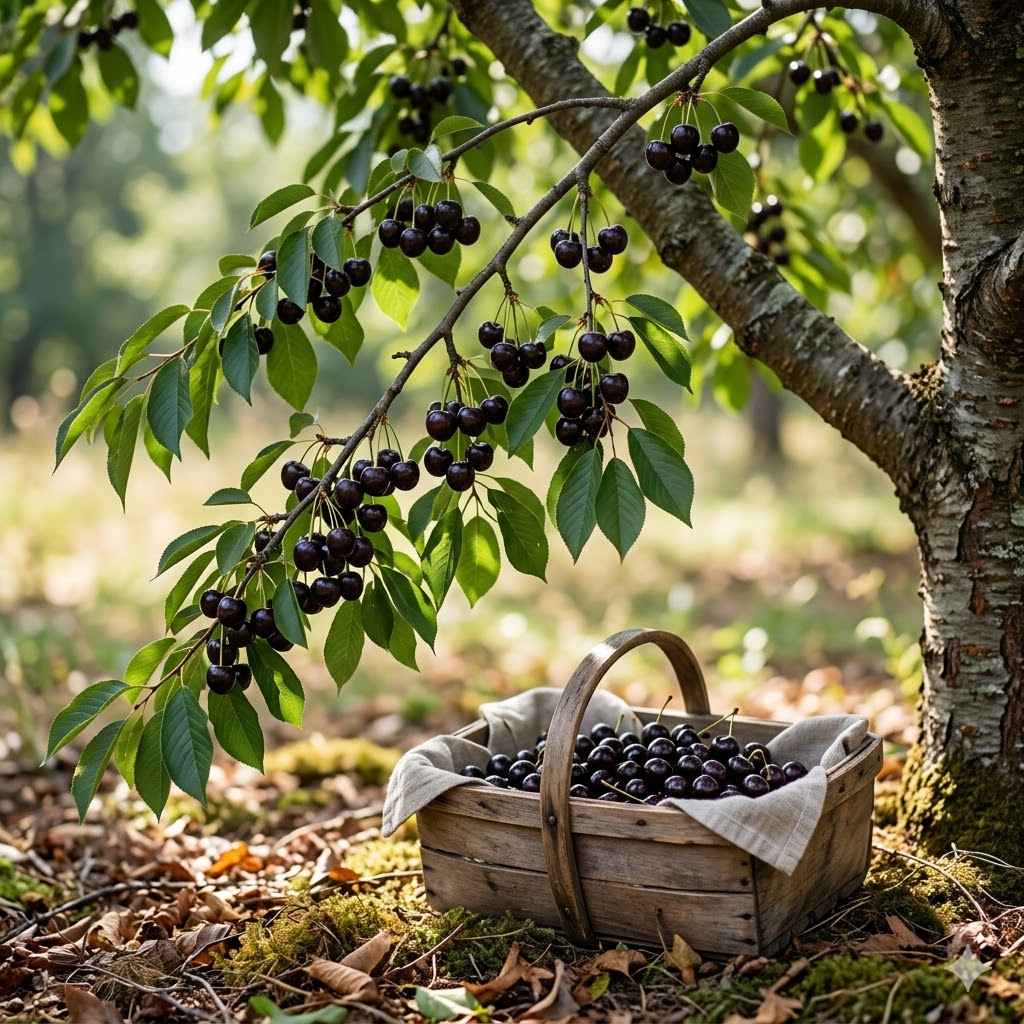
The black cherry tree is a common sight across North America. Its scientific name is Prunus serotina. Many people know it for its beautiful wood. It’s often used in furniture and cabinets. But, it also produces a fruit that can be eaten. These cherries are small and dark red to black. They often have a slightly tart taste. This makes them great for pies, jellies, and jams.
The tree itself has distinctive features. Its bark is smooth and dark when young. As it gets older, the bark becomes rough and scaly. It often looks like it’s peeling off in pieces. The leaves are long and narrow, with saw-like edges. Knowing these traits helps you find the right tree. It’s important to be sure you have a black cherry tree. This avoids mistakes with other plants that look similar but are unsafe.
What Makes Black Cherry Fruit Edible?
The edible part of the black cherry tree is its fruit. The fleshy part around the pit is what people eat. This fruit contains sugars, vitamins, and antioxidants. These are good for your health. However, the pit itself, and other parts of the tree, contain harmful compounds. These compounds can cause problems if ingested. So, it’s all about knowing which part to enjoy.
The sugars in the fruit provide energy. Vitamins like Vitamin C are also present. These help your immune system. Antioxidants fight damage in your body. Eating the fruit in moderation can be a healthy choice. It’s a natural way to get these benefits. The slightly tart flavor also adds a unique taste to foods.
Why Are Other Parts of the Tree Toxic?
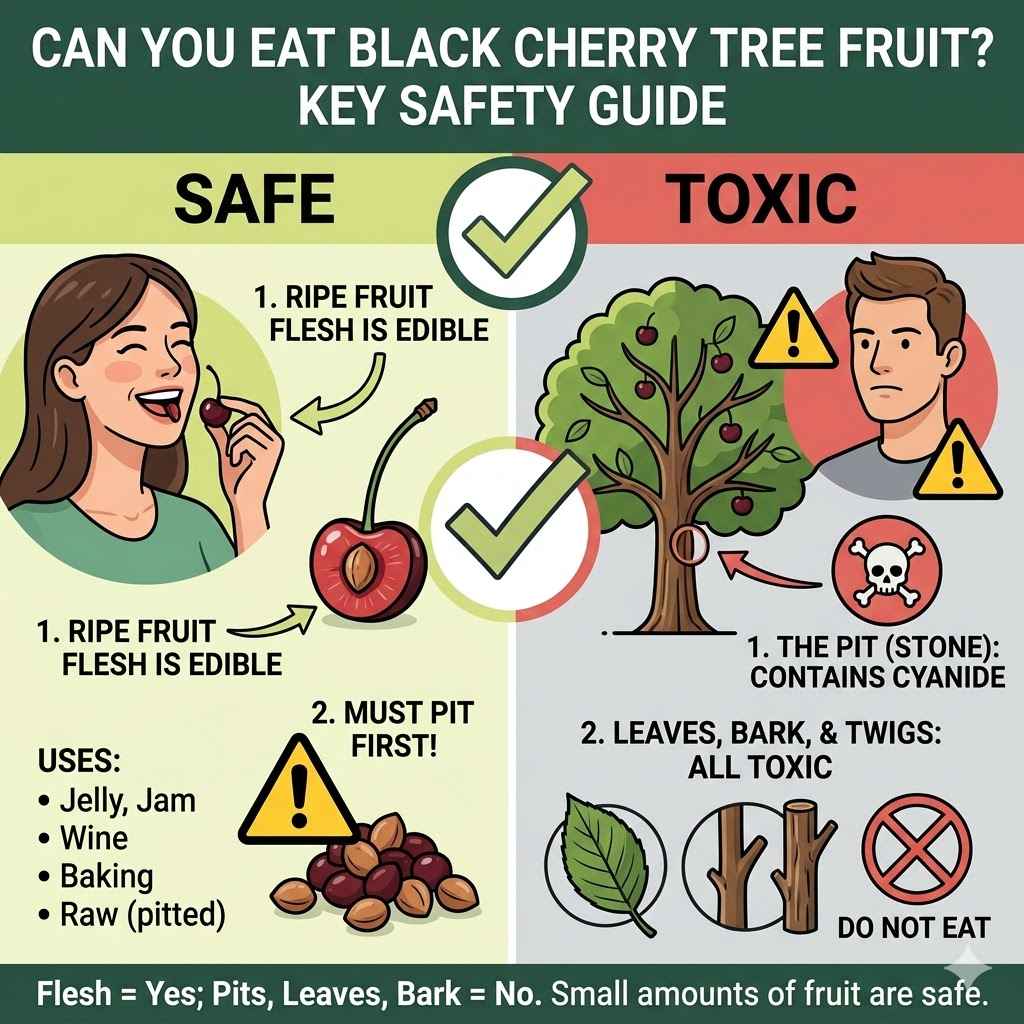
The black cherry tree, like many plants in the Prunus family, contains cyanogenic glycosides. These are chemical compounds. When these compounds are broken down, they can release cyanide. Cyanide is a poison. It can be very harmful to humans and animals. This is why parts like the leaves, bark, twigs, and roots are not safe to eat.
The concentration of these toxic compounds is highest in the non-fruit parts. The pit of the cherry also contains these glycosides. While a whole pit is hard to chew and swallow, crushing it could release the cyanide. This is why we spit out the pits of cherries. It’s a natural safety mechanism. The flesh of the ripe cherry has a much lower amount. It’s generally considered safe after the toxins are processed by the plant.
My First Encounter with Black Cherries
I remember being a kid, maybe eight or nine years old. We were visiting my grandparents’ farm in the country. It was a hot summer day. I was exploring near the edge of the woods. I saw a tree covered in small, dark red berries. They looked just like the cherries from the store, but wild. My eyes lit up. I thought, “Free candy!”
I ran over and started picking them. They were warm from the sun. I popped a few into my mouth. They were juicy, but also quite bitter. I didn’t care much. I kept eating them, spitting out the pits. My grandpa saw me. He came running over, looking worried. “What are you eating?” he asked. I told him, proudly showing my stained hands. He sighed a big sigh.
He explained that while some of those cherries were okay, I had to be careful. He told me about the leaves and twigs being bad. He warned me to always spit out the pits. He said some trees have fruit that is too bitter or even makes you sick. He showed me how to tell the ripe ones. He also mentioned that the best ones were for making pies later. That day, I learned a valuable lesson. Wild food is amazing, but you need to know what you’re picking. It wasn’t just about taste; it was about safety.
Identifying the Black Cherry Tree
Spotting a black cherry tree is pretty straightforward once you know what to look for. It’s common in forests, along roadsides, and in open fields. The key is to combine the look of the tree with its fruit.
Key Features of the Black Cherry Tree
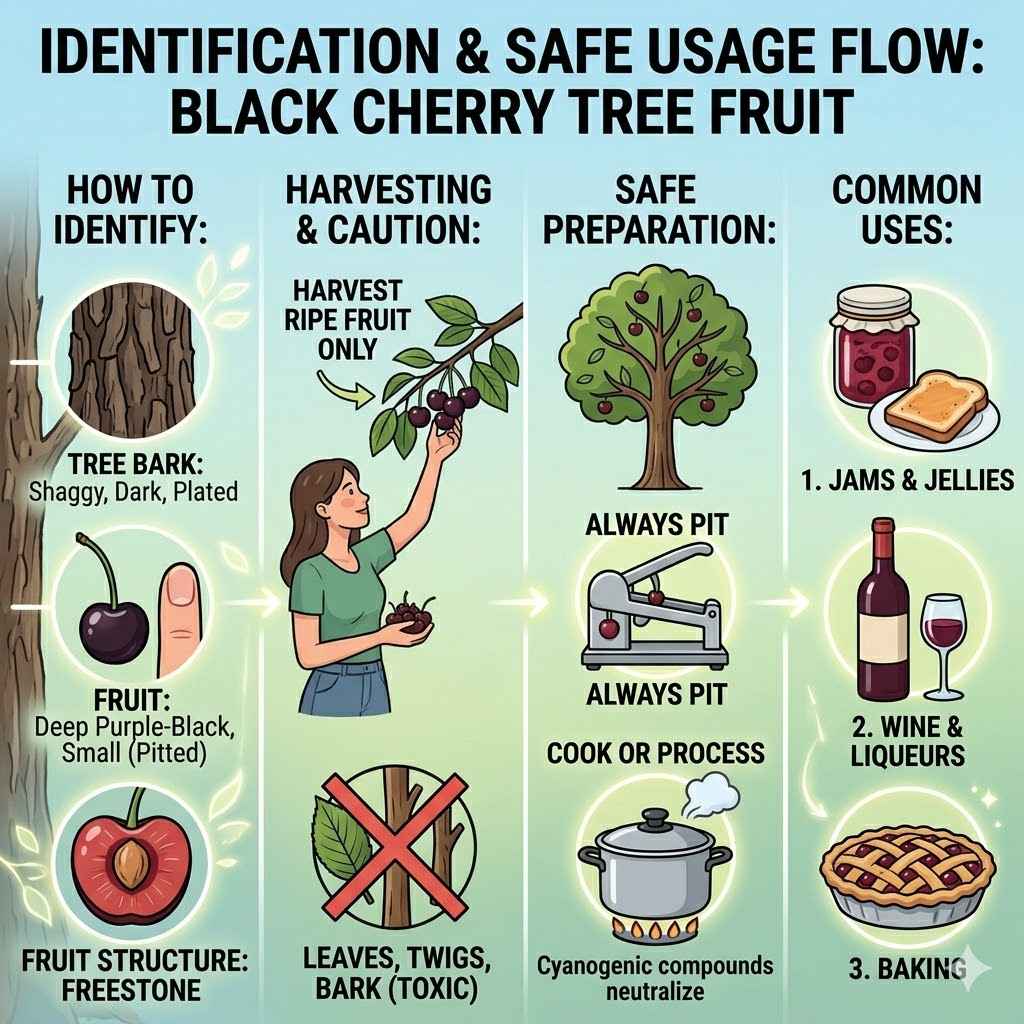
Bark: Young trees have smooth, dark bark. Older trees develop a rough, scaly bark that looks like it’s flaking off. This is a very distinct feature.
Leaves: They are long and narrow, pointed at the end. The edges have small teeth. When crushed, they have a cherry-like smell.
Flowers: In spring, the tree has clusters of small, white flowers. These turn into fruit later in the year.
Fruit: The cherries are small, round, and grow in hanging clusters. They start out red and ripen to a dark purple or black.
When to Harvest
The best time to harvest black cherries is when they are fully ripe. This is usually in late summer. The fruit will be dark black or deep purple. They should be soft to the touch. If they are still red or firm, they are not ready. Unripe cherries can be more bitter. They might also have a higher concentration of compounds you want to avoid.
What to Look for in the Fruit
When you find a black cherry tree, focus on the fruit. Look for those dark, almost black, shiny cherries. They will hang in long, drooping clusters. The flesh should be soft and plump. Avoid any cherries that look moldy or have insect damage. Freshness is important.
The Color Tells a Story
The color of the cherry is a good indicator of ripeness. Young cherries are a bright red. As they mature, they turn a deep crimson, then a dark purplish-black. The darker the color, the riper and sweeter the fruit usually is. This is when the sugar content is highest. The tartness is still there, but it’s balanced by sweetness.
Potential Risks and What to Avoid
While the ripe fruit flesh is generally safe, there are important safety considerations. Ignoring these can lead to an unpleasant experience or even illness.
The Pit is the Problem
As mentioned, the pit of the black cherry contains cyanogenic glycosides. You should never eat the pit. It’s best to spit them out as you eat the fruit. If you are using the cherries for cooking, you will need to pit them. Do this before you use them in recipes. Eating a few pits by accident is unlikely to cause serious harm in adults. But it’s not something to risk.
Leaves, Bark, and Roots
These parts of the tree are toxic. They contain higher levels of the harmful compounds. Do not chew on leaves or bark. Do not make teas from them. Even small amounts can be dangerous. This is especially true for children and pets. Keep them away from these parts of the tree.
Unripe or Damaged Fruit
Cherries that are not fully ripe may be more bitter. They could also cause stomach upset. Damaged fruit might have mold or be spoiled. Always inspect the cherries carefully. Eat only fresh, ripe fruit.
Allergies and Sensitivities
Like any food, some people can have allergic reactions to cherries. If you have never eaten black cherries before, try just a small amount first. See how your body reacts. If you have known allergies to other fruits, be cautious.
What to Do If You Eat the Wrong Part
If you or someone you know accidentally eats a significant amount of leaves, bark, or pits, it’s important to know what to do. Symptoms of cyanide poisoning can include nausea, vomiting, dizziness, and headaches. In severe cases, it can be much more serious.
If you suspect poisoning, contact your local poison control center or seek medical help immediately. Be sure to tell them what was eaten and roughly how much. This information will help doctors provide the best treatment. For most accidental consumption of a single pit, you will likely be fine. But it’s always better to be safe.
Quick Berry Identification Tips
When in doubt, don’t eat it. This is the golden rule for wild foods. Look for pictures online. Compare them to the plant you found.
Ask someone who knows about local plants. Many berries look alike. Some are harmless, others are poisonous.
It’s better to be cautious.
How to Prepare and Use Black Cherries
Once you’ve identified and harvested ripe black cherries, you can use them in many ways. Their tartness makes them a great addition to sweet dishes.
Washing is Key
Always wash your cherries thoroughly before eating or cooking them. Rinse them under cool water. This removes any dirt, dust, or insects.
Pitting the Cherries
This is an important step for most recipes. You can use a cherry pitter tool. You can also use a paperclip or a small straw. Gently push the pit out of the cherry. Some people prefer to leave the pits in when making jams or jellies. They remove them later. But this is not recommended for pies or eating fresh.
Cooking with Black Cherries
Pies and Tarts: Black cherries make fantastic pies. Their tartness balances the sugar in the filling.
Jams and Jellies: They are perfect for making preserves. The pectin in the fruit helps them set.
Sauces: A cherry sauce can be a great topping for ice cream or pork dishes.
Drinks: You can make cherry juice or even wine from them.
Fresh Eating: While tart, some people enjoy eating them fresh. Add a little sugar if they are too sour for your liking.
Health Benefits of Eating Black Cherries
Beyond just being a tasty treat, black cherries offer several health benefits. They are packed with good things for your body.
Rich in Antioxidants
Cherries, including black cherries, are a good source of antioxidants. These compounds help fight free radicals in your body. Free radicals can cause cell damage. This damage is linked to aging and diseases like cancer. The deep color of the cherries is a sign of these powerful compounds.
Anti-inflammatory Properties
Studies suggest that cherries may have anti-inflammatory effects. This could be helpful for people with conditions like arthritis. Eating cherries might help reduce swelling and pain.
May Improve Sleep
Cherries are a natural source of melatonin. Melatonin is a hormone that helps regulate sleep. Eating cherries might help improve sleep quality for some individuals. This is especially true for tart cherry juice.
Good Source of Vitamins and Minerals
They contain Vitamin C, potassium, and other nutrients. These are important for overall health. Vitamin C supports your immune system. Potassium helps regulate blood pressure.
Cherry Varieties: What’s Edible?
Black Cherry (Prunus serotina): The fruit flesh is edible. Avoid pits, leaves, bark. The wood is valuable.
Chokecherry (Prunus virginiana): Similar to black cherry. Fruit flesh is edible when ripe. Pits and other parts are toxic.
Wild Cherry (Prunus avium): Sweet cherries. The fruit is edible. Pits and leaves contain toxins but are usually less concentrated than in Prunus serotina.
Still, avoid pits.
Note: Always be 100% sure of your identification. When in doubt, do not consume.
Real-World Scenarios and Common Mistakes
Understanding how people typically interact with black cherry trees helps prevent problems. Many mistakes come from not knowing the full picture.
The ‘Wild Fruit’ Temptation
The biggest mistake is assuming all wild fruit is safe. Kids, especially, are drawn to bright colors. They might pick and eat anything that looks like a familiar fruit. Parents and educators should teach children about safe foraging. This includes identifying plants and understanding risks.
Confusing with Other Plants
There are other plants with berries that look similar. Some of these are poisonous. For instance, deadly nightshade has dark berries, but its plant structure is very different. Pokeweed berries are also dark but are toxic. Always compare the whole plant, not just the fruit.
Using the Wrong Parts for Remedies
I’ve heard stories of people trying to make remedies from the bark or leaves of black cherry trees. They believe it has medicinal properties. While some traditional medicines use parts of plants, the cyanide risk from black cherry is significant. Unless you are an expert herbalist with knowledge of precise preparation methods, it’s best to avoid this. Stick to the ripe fruit flesh for consumption.
Not Waiting for Full Ripeness
Some people harvest cherries when they are still red. They might find them too sour or even get a mild stomach ache. The tree needs time to convert tannins and other compounds. Waiting for that deep black color ensures the best flavor and safety.
A Quick Check for Ripeness
Touch: The cherries should feel slightly soft. Not mushy, but not hard like a grape.
Color: They should be a deep, dark purple or black. Shiny is good.
Taste: A ripe cherry will be a balance of sweet and tart. If it’s overwhelmingly bitter or sour, it may not be ripe enough.
What This Means for You: When is it Okay?
Knowing the difference between safe and unsafe parts of the black cherry tree is crucial. It helps you enjoy the fruit without worry.
When Eating Black Cherry Fruit is Normal and Safe
It is safe to eat the ripe flesh of the black cherry fruit. This is when the cherries are dark black and soft. You should always spit out the pits. If you are cooking with them, you should remove the pits. This is the most common and safe way to consume them.
When to Be Concerned
You should be concerned if:
You or someone else has eaten the leaves, bark, or roots.
You have eaten a large number of pits.
You or someone else experiences symptoms like nausea, vomiting, or dizziness after eating parts of the tree.
You are unsure if the tree you found is actually a black cherry tree.
In these cases, it’s best to err on the side of caution. Contact a medical professional or poison control.
Simple Checks Before You Eat
1. Identify the tree correctly. Look for the distinctive bark and leaf shape.
2. Check the fruit. Make sure it is dark black and ripe.
3. Wash the fruit thoroughly.
4. Plan to remove the pits if you are cooking or eating fresh. Spit them out if eating directly from the tree.
A Visual Contrast: Myth vs. Reality
Myth: All cherries from any tree are safe to eat.
Reality: Only the ripe flesh of specific cherry species, like the black cherry (Prunus serotina), is safe. Other parts of the tree and even pits can be toxic.
Myth: The greener the cherry, the healthier it is.
Reality: Green or red cherries are often unripe. They can be more bitter and may contain higher levels of unwanted compounds. Full ripeness (dark black) is best.
Quick Tips for Enjoying Black Cherries Safely
Here are some easy reminders to help you get the most from black cherries.
Know Your Tree: Be 100% sure it’s a black cherry tree. Use multiple identification guides.
Wait for Dark: Only pick cherries that are deep black. Red ones are not ready.
Spit the Pits: If eating fresh, always spit out the pit.
Wash Well: Clean all cherries under running water.
Cook for Best Results: Pies, jams, and jellies are great ways to use them.
Start Small: If you’re new to them, try just a few first.
Frequently Asked Questions About Black Cherry Fruit
Can I eat black cherry leaves?
No, you should never eat the leaves of a black cherry tree. They contain cyanogenic glycosides, which can release cyanide. This is a poison that can make you very sick.
Are the pits of black cherries poisonous?
Yes, the pits of black cherries contain cyanogenic glycosides. While eating one or two might not cause serious harm, they are not safe to eat. You should always spit them out or remove them before cooking.
How do I know if a cherry is ripe?
Ripe black cherries are a deep, dark black or purplish-black color. They should also feel slightly soft to the touch. Unripe cherries are red and firm.
What if I accidentally eat a few black cherry pits?
Accidentally swallowing a few intact pits is usually not a cause for concern. They are hard and difficult to digest. However, if you chew them or swallow many, it is best to monitor for any symptoms and contact a medical professional if you are worried.
Can pets eat black cherries?
No, black cherries can be toxic to pets. The pits, leaves, and bark are especially dangerous. Keep your pets away from black cherry trees and do not feed them any part of the plant.
What is the difference between black cherries and sweet cherries?
Black cherries (Prunus serotina) are native to North America and have a tart flavor. Sweet cherries (Prunus avium) are the type commonly found in grocery stores and are much sweeter. Both have toxic pits and leaves, but the black cherry’s toxicity is more pronounced in its non-fruit parts.
Final Thoughts on Enjoying Black Cherries
The black cherry tree offers a wonderful, natural treat. Its dark, ripe fruit can be a delightful addition to your kitchen. The key to enjoying them safely is knowledge. Know your tree, pick only ripe fruit, and always be mindful of the pits and other parts. With a little care and attention, you can safely explore the delicious world of black cherry fruit. Remember, when in doubt, always choose caution.
Sponsored / affiliate links. As an Amazon Associate I earn from qualifying purchases. I may earn additional commission from eligible campaigns.