Are Drill Batteries Universal? No – Here’s What Actually Matters
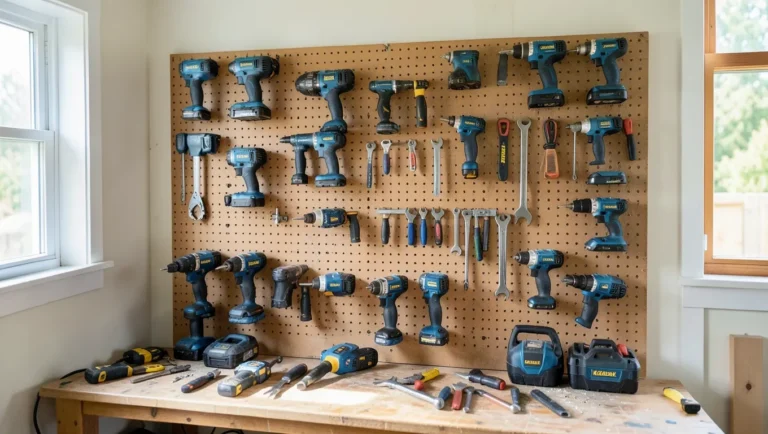
Drill batteries are not universal. Even at the same voltage, a battery’s physical connector shape and its internal communication chip are brand-specific, so a DeWalt 20V battery will not physically fit or safely power a Makita or Milwaukee tool. The one real exception is within a single manufacturer’s own voltage platform (e.g. any DeWalt 20V MAX battery on any DeWalt 20V MAX tool), where compatibility is intentional by design.
Why Brands Design Batteries to Be Incompatible
Stay in One Battery Platform
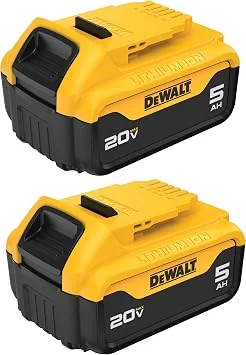 |
DEWALT 20V MAX 5Ah Battery 2-Pack – $247.99 Works across every tool in DeWalt’s 20V MAX line – the real fix for battery incompatibility is standardizing on one platform, not adapting between brands.
|
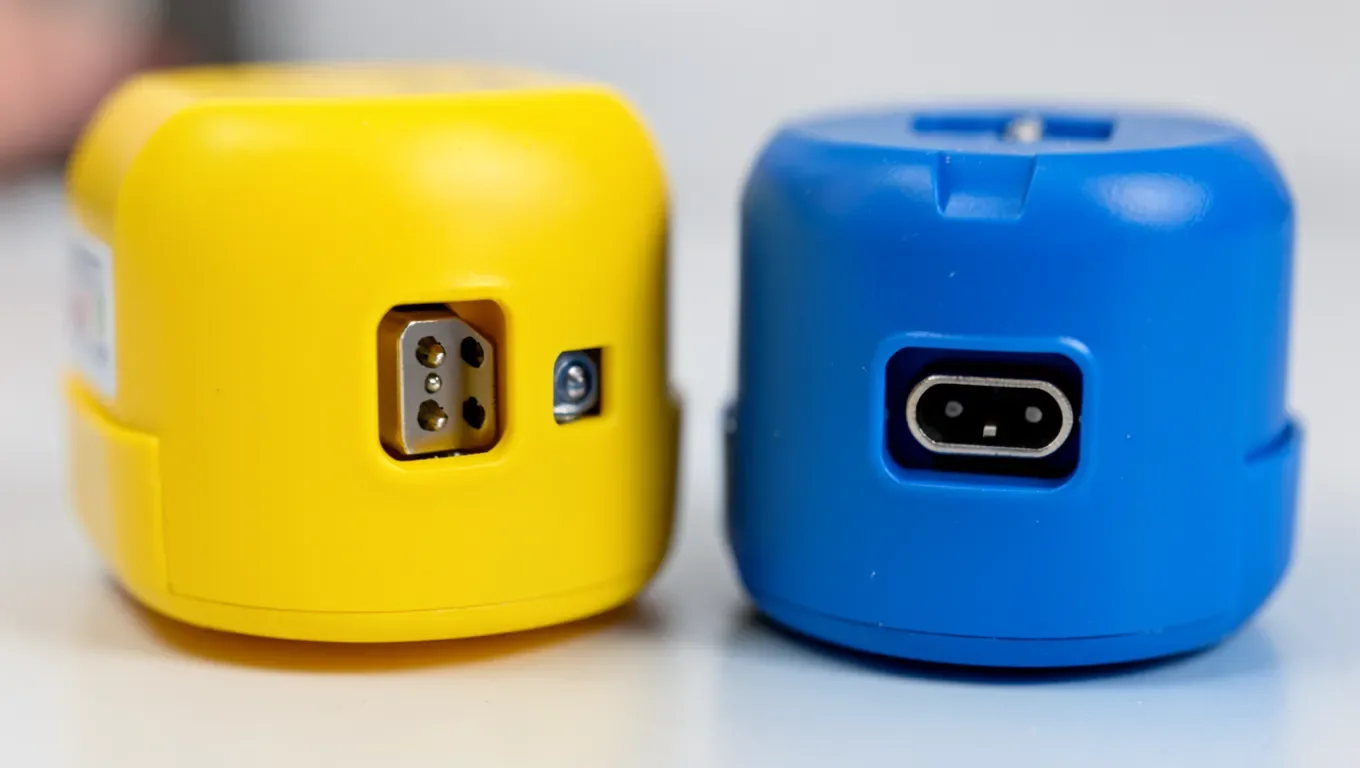
Manufacturers design their battery platforms as closed ecosystems on purpose. A tool line’s whole value proposition – one charger, one battery size, dozens of compatible tools – only works if competitors can’t piggyback on it, so battery packs use a proprietary connector shape and communicate with the tool and charger through a manufacturer-specific chip that checks voltage and authenticates the pack before allowing current to flow. This is also a real safety mechanism: without that handshake, a battery cell chemistry mismatched to a tool’s charge controller can overheat or fail.
Battery Chemistry: NiCad vs. Lithium-Ion
Older NiCad (nickel-cadmium) batteries are heavier and suffer from the “memory effect” – repeatedly recharging a partially-discharged NiCad pack trains it to accept less capacity over time, so it needs periodic full discharge cycles to stay healthy. Lithium-ion batteries, now standard on nearly every current cordless tool, have no memory effect, can be topped off at any charge level, weigh less for the same capacity, and hold a charge longer in storage. The tradeoff is cost – a Li-ion pack typically costs more than an equivalent NiCad pack, though most manufacturers have phased NiCad out of their current lineups entirely.
Voltage and Connector Type Both Have to Match
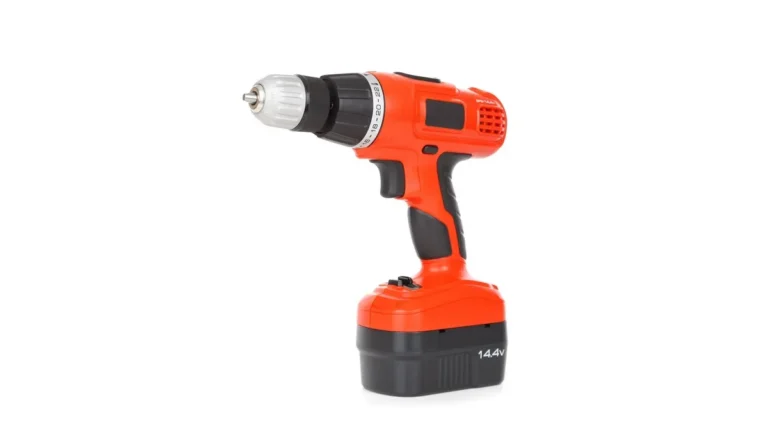
Common cordless tool voltages are 12V, 18V, and 20V MAX (DeWalt and a few other brands label their 18V-cell platform “20V MAX” based on peak unloaded voltage – it’s the same underlying 18V system Makita and Milwaukee call by its nominal voltage). A battery has to match both the voltage and the physical connector family of the tool: slide-on packs that lock into a rail on the tool’s base, pod-style packs that seat into a compartment, and older stick-style packs that plug in like a flashlight battery. Even two batteries at the same voltage from the same brand can be physically incompatible if the brand changed connector generations – always match by tool platform, not just by the voltage number printed on the pack.
Are Aftermarket or Generic Batteries Worth It?
Third-party replacement batteries are usually 30-50% cheaper than OEM packs and are built to fit a specific brand’s connector, so they aren’t “universal” either – they’re brand-specific clones, not cross-brand adapters. Quality varies significantly: reputable aftermarket cells from established battery manufacturers perform close to OEM, while unbranded no-name packs are more likely to have inaccurate capacity ratings, weaker cell protection circuits, and a real risk of overheating or swelling. If buying aftermarket, look for UL or ETL safety certification on the listing and stick to sellers with a real return policy – a battery pack is not where to gamble on the cheapest option.
Battery Maintenance and Storage
- Use only the charger designed for that battery platform – a mismatched charger’s voltage/current profile can damage the cells or, in rare cases, create a fire risk.
- Don’t leave a fully-charged Li-ion pack on the charger indefinitely; unplug once it’s topped off.
- Store batteries at roughly 40-80% charge if not using them for an extended period – Li-ion cells degrade faster stored at 100% or fully depleted.
- Keep packs out of direct heat (a hot car trunk in summer is a common way batteries degrade prematurely) and away from metal objects that could bridge the terminals.
Frequently Asked Questions
Are drill batteries interchangeable?
Drill batteries are not universally interchangeable. Compatibility depends on the brand and model. Always check the manufacturer’s specifications.
Can I use any battery for my drill?
No, you cannot use any battery for your drill. Ensure compatibility by referring to the manufacturer’s guidelines.
Why are drill batteries not universal?
Drill batteries are not universal due to variations in voltage, connector types, and design. Brands create specific batteries for their models.
How do I know if a battery fits my drill?
Check the voltage, connector type, and model number. Refer to the user manual or manufacturer’s website for compatibility.
Conclusion
Universal drill batteries don’t really exist – what you actually want is to standardize on one brand’s platform so every battery you own works across every tool you buy. Match voltage, connector type, and cell chemistry before purchasing a replacement, and treat rock-bottom-priced unbranded packs with real caution.
For a platform-by-platform chart, including the official alliances that do share batteries across brands, see which cordless tool batteries are interchangeable.
Sponsored / affiliate links. As an Amazon Associate I earn from qualifying purchases. I may earn additional commission from eligible campaigns.