Are Lathes Dangerous? Wood Lathe Safety Rules That Matter
Yes, a wood lathe can injure you, but the ways it does so are specific and mostly predictable: loose clothing or jewelry that snags on rotating parts, a tool catching in the spinning wood, a blank or chuck that lets go, and speed set too high for the size of the work. This guide sticks to wood lathes and to rules from the American Association of Woodturners (AAW), plus a speed-by-diameter table with the rim speeds worked out so you can see why speed matters.
Short Answer: Dangerous Without a Routine, Manageable With One
Best Lathe Face Shield Pick |
|
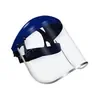 |
Blue Eagle B1BL+FC48 Clear Full Face Shield with Extra Visor A full-face polycarbonate visor on a ratchet headband, listed by the seller as meeting ANSI Z87.1, with a spare visor in the box.
|
As an Amazon Associate we earn from qualifying purchases.
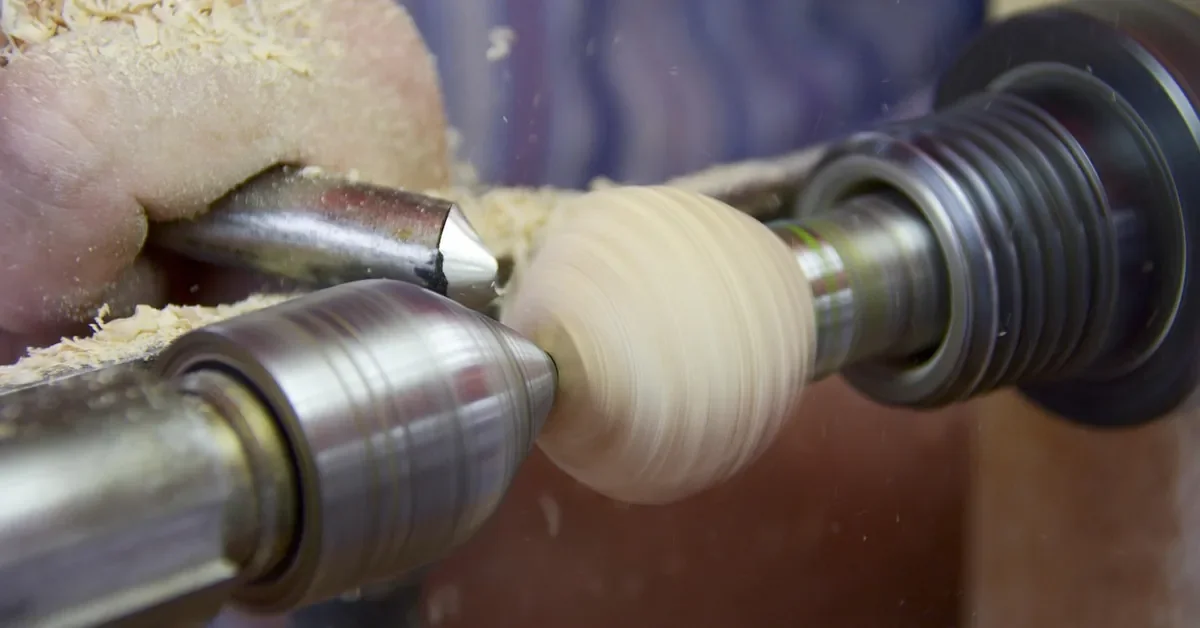
A wood lathe punishes shortcuts. The workpiece is a heavy object spinning at hundreds or thousands of revolutions per minute, and you hold a sharp tool against it by hand. The AAW publishes lathe safety guidelines that boil the risk down to a short list of habits, and most of this page walks through them. Protective gear is the last line of defense, so start with the habits and add gear on top.
What Actually Goes Wrong at a Wood Lathe
The hazards fall into a handful of groups. The AAW guidelines address each of them directly, which is a good sign that they are the ones that matter in practice.
- Entanglement: long hair, loose clothing, jewelry and gloves can catch on rotating parts or accessories. The AAW guideline is to tie back long hair, avoid gloves and avoid loose clothing or objects that may catch.
- Tool catches: the tool digs into the spinning wood and gets pulled or snatched. The AAW says to hold the tool securely on the rest and to contact the tool rest with the tool before touching the wood.
- Ejected work: a blank that is mounted poorly, cracked, split or badly out of balance can come off the lathe. The AAW tells turners to mount work securely, use caution with cracked, split or irregular stock, and stay out of the firing zone directly behind and in front of the work.
- Excess speed: the AAW guideline is to always check the speed before turning the lathe on, use slower speeds for larger or unbalanced pieces, and slow down if the lathe shakes.
- Dust and noise: the AAW guidelines call for managing wood dust with masks, ventilation or collection, and for hearing protection during extended use.
Only the last item is a slow, long-term health risk. The first four can hurt you in a fraction of a second, which is why the checklist below is done before the lathe starts, not while it is running.
The Glove Myth: Why the AAW Says Not to Wear Gloves
Most shop safety advice says gloves protect your hands. Around a lathe, the AAW guidelines say the opposite: do not wear gloves. The guidance lumps gloves in with loose clothing and jewelry as things that can catch on rotating parts or accessories. If you have seen older articles (including an earlier version of this one) list gloves as required lathe equipment, that advice conflicts with the AAW guidance and is worth ignoring.
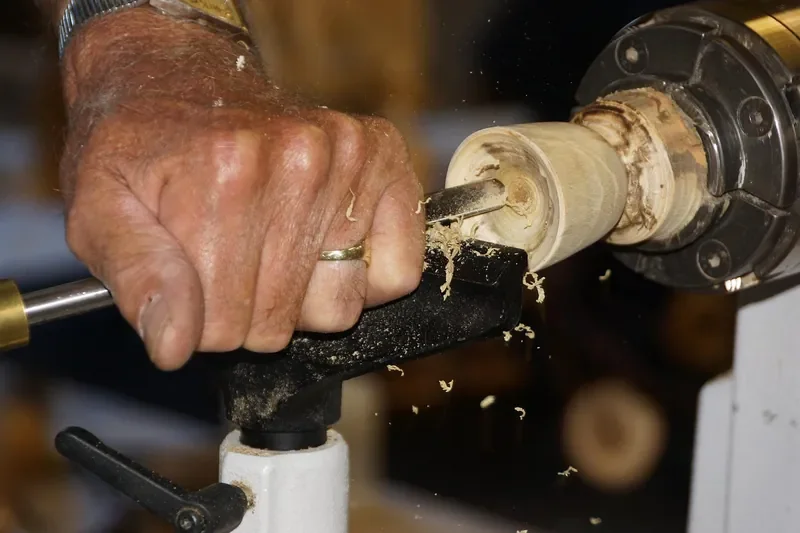
The same logic covers rings, watches and bracelets, loose cuffs, dangling drawstrings and long sleeves. Anything that can snag on a spinning chuck, faceplate or blank is a problem, so roll or button sleeves, tie back hair and take off jewelry before you start. The photo below shows a ring on a hand at the tool rest, which is exactly the situation that guidance is meant to prevent.
Safe Speed by Blank Diameter, With the Rim Speeds Worked Out
Speed is where beginners get the least guidance. Professional turner Mike Kehs gives Woodcraft these suggested turning speeds, with the principle that the smaller the diameter, the faster you can spin the wood. He adds that you should always start low regardless of diameter and increase speed as the piece becomes balanced, and that these are ranges, not absolutes.
| Blank diameter | Suggested RPM (Woodcraft / Mike Kehs) | Example: largest blank in the row at the slowest speed | Rim speed of that example |
|---|---|---|---|
| Up to 4 in | 3,500 | 4 in at 3,500 RPM | about 3,665 ft/min (41.6 mph) |
| 4 to 10 in | 1,800 to 3,500 | 10 in at 1,800 RPM | about 4,712 ft/min (53.5 mph) |
| 10 to 16 in | 1,000 to 1,800 | 16 in at 1,000 RPM | about 4,189 ft/min (47.6 mph) |
| 16 to 24 in | 400 to 1,000 | 24 in at 400 RPM | about 2,513 ft/min (28.6 mph) |
The rim speeds are our own arithmetic (pi times diameter times RPM, divided by 12 for feet per minute, then divided by 88 for mph), not figures from the source. They show a useful pattern: the recommended RPM drops as the blank grows so the outer edge of the wood stays in roughly the same 30 to 55 mph range. Run a 16 inch blank at 3,500 RPM instead and the rim would travel about 14,660 ft/min, or about 167 mph, which is why big blanks are turned slowly. Our shop calculators page includes a lathe speed calculator if you want to check your own numbers, and what swing means on a lathe explains the largest blank your machine can spin.
Before You Press Start: The AAW Pre-Start Checklist
Run through these every time, including on a lathe you have used for years. Each item comes from the AAW lathe safety guidelines.
- Check the speed setting before you turn the lathe on, and start slow until the piece is balanced.
- Remove chuck keys and wrenches.
- Make sure the belt guard is in place.
- Confirm the tailstock and tool rest locks are tight, including the rest and its base.
- Mount the workpiece securely with proper fasteners, and be extra cautious with cracked, split or irregular stock.
- Rotate the workpiece by hand to confirm it clears the tool rest and bed.
- Put on your face shield or, for small work, goggles with side protection.
- Step out of the firing zone directly in front of and behind the work.
The hand-rotation step is the cheapest check in the shop. It takes a few seconds and catches a tool rest set too close or a blank that hits the bed. Mounting is part of this checklist too, and our guide to using a wood lathe chuck covers it in detail.
What to Wear at a Wood Lathe
| Item | AAW guidance | Why it matters |
|---|---|---|
| Full face shield | Use a full face shield whenever the lathe is on, especially for bowls and larger work on chucks or faceplates | Covers the whole face, not just the eyes |
| Goggles or glasses with side protection | Minimum for small items if you are not wearing a face shield | Eyes are the most exposed target |
| Hearing protection | Use during extended lathe sessions | Noise exposure builds up with long sessions |
| Dust protection | Manage dust with a mask, helmet, ventilation or collection | Fine dust is a long-term breathing risk |
| Snug clothing, tied-back hair | Tie back long hair, avoid loose clothing | Nothing loose should reach rotating parts |
| No gloves, no jewelry | Do not wear gloves and avoid jewelry | These can catch on rotating parts or accessories |
A clear face shield protects your face but it does not filter dust. The AAW lists dust management as its own separate item, so plan on a mask or ventilation as well as the visor.
Tool Rest and Tool Control
The tool rest is the difference between a controlled cut and a catch. The AAW guidelines say to position the rest close to the work, almost touching the wood, and to check its position often. As wood comes off the blank the gap grows, so stop the lathe and reposition the rest instead of reaching in while it spins.
- Turn the lathe off before adjusting the tool rest or banjo.
- Hold the tool securely on the rest, and touch the tool to the rest before you touch the wood.
- Remove the tool rest before sanding or polishing.
- Keep tools sharp and use them the way they are designed to be used.
- Stay alert for unusual sounds or vibration, and slow down if the lathe shakes.
- Never leave the lathe running unattended, and wait for it to come to a complete stop before you walk away.
Wood condition matters as much as technique. A blank with hidden cracks or an unbalanced shape is more likely to throw pieces, so inspect it before mounting. Moisture is part of that picture, and our page on how dry wood should be before turning covers it. If you are curious how a very dense species compares, our page on whether dogwood is a hardwood gives its real hardness numbers.
Wood Dust and Noise Are Slow Hazards You Still Have to Plan For
Injuries from a catch are immediate, but dust and noise accumulate over years of turning. The AAW guidelines treat both as standard checklist items: manage wood dust with masks, helmets, ventilation or dust collection, and use hearing protection for extended sessions. The AAW also says to avoid damp, wet or flammable environments and to inspect cords and guard against electric shock.
Common Questions About Lathe Safety
Are wood lathes dangerous for beginners?
They can be, mainly because beginners are more likely to get a tool catch, mount a blank poorly or run the lathe too fast. The American Association of Woodturners guidelines address all three: check the speed before you turn the lathe on, tighten the tailstock and tool rest locks, and hand-rotate the work before starting. Following that checklist every time matters more than any single piece of equipment.
Should you wear gloves when using a wood lathe?
No. The AAW safety guidelines say not to wear gloves at the lathe, along with tying back long hair and avoiding loose clothing or objects that can catch on rotating parts. That is the opposite of general workshop advice, which is why it surprises people.
What is the most dangerous part of a wood lathe?
There is no single part, but the spinning workpiece is the source of most of the hazard. The AAW guidelines single out the area directly in front of and behind the work as the ejection zone, and they list loose clothing, jewelry, loose mounting and excessive speed as the ways the spinning wood can hurt you.
Do you need a face shield for wood turning?
Yes, the AAW recommends a full face shield whenever the lathe is turned on, especially for bowls and other medium to large work on chucks and faceplates. For small items its minimum is safety goggles or glasses with side protection.
Is a wood lathe more dangerous than a table saw?
This site cannot give you a reliable number, because the injury data we found was anecdotal. A discussion on the AAW Forum cites a Woodworkers Guild of America figure of about 40,000 table saw injuries per year in the US, but it gives no comparable lathe figure. The practical point is that the two tools hurt people in different ways and both call for a full safety routine.
Bottom Line
A wood lathe is manageable for beginners and experts when you follow a fixed routine. Tie back hair, take off jewelry, skip the gloves, check the speed, tighten every lock, spin the work by hand, wear a full face shield and stay out of the firing zone. Those steps come straight from the AAW guidelines, and they cost nothing except a minute before each session.
Sponsored / affiliate links. As an Amazon Associate I earn from qualifying purchases. I may earn additional commission from eligible campaigns.