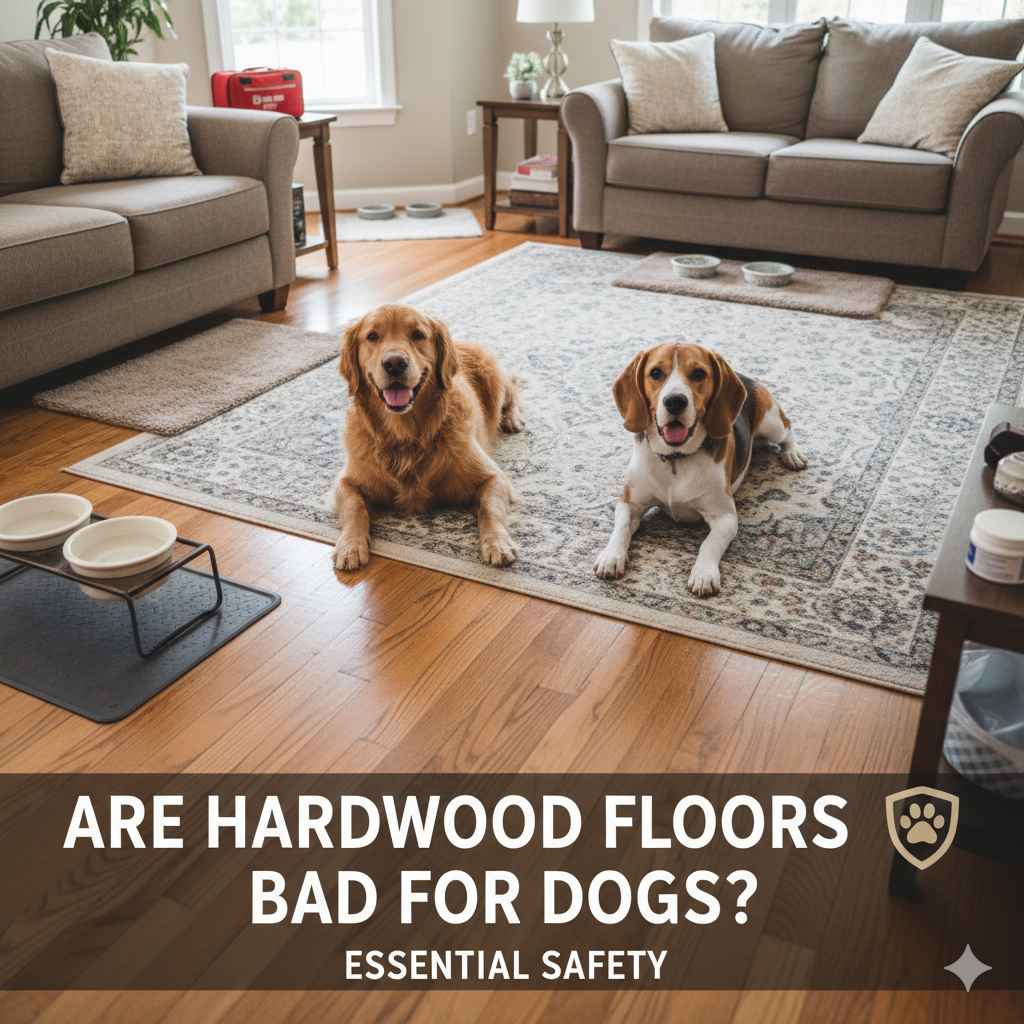
Are Hardwood Floors Bad For Dogs? Essential Safety
Hardwood floors aren’t inherently bad for dogs, but their safety depends on a few key factors. With the right finish, regular maintenance, and mindful pet ownership, hardwood floors can be a beautiful and durable choice for dog owners. Prevention and proper care are essential for a happy coexistence.
So, you’re thinking about hardwood floors, but Fido’s wagging tail and occasional slippery moments have you wondering: Are hardwood floors bad for dogs? It’s a common concern for pet parents who love the look of wood but worry about their furry friends’ comfort and safety. Unsure paws on a glossy surface, the risk of scratches, and how to keep things clean can seem overwhelming. But don’t worry! As your woodworking mentor, I’m here to guide you through it. We’ll break down everything you need to know, making your home beautiful and your dog happy and safe. Let’s get your floors and your furry family living harmoniously!
Understanding Your Dog’s Needs on Hardwood
When we talk about hardwood floors and our canine companions, it’s really about understanding how different floor types impact a dog’s mobility, safety, and overall well-being. Dogs, especially older ones or those with joint issues, can struggle with slick surfaces. This isn’t just about comfort; it can also lead to injuries. A dog that can’t get good traction might slip, fall, or even strain muscles and joints trying to move around. Conversely, some dogs thrive on smoother surfaces that allow for easy gliding. The key is finding a balance that works for your specific dog and your lifestyle.
Traction: The Big Picture
Traction is probably the most talked-about aspect when it comes to dogs and hardwood floors. Imagine walking on a freshly polished ice rink – it’s tough to get a good grip! Dogs need to be able to push off the floor to walk, run, and play. If their paws are constantly slipping, it can lead to a few problems:
- Joint Strain: Dogs may adopt an awkward gait to compensate for lack of grip, putting extra stress on their hips, knees, and ankles.
- Fear and Anxiety: Constantly feeling unstable can make dogs hesitant to move, impacting their exercise and mental stimulation.
- Injuries: In severe cases, slips can result in tears to ligaments or muscle strains.
The good news is that many factors influence traction, and not all hardwood floors are created equal in this regard. The finish, the sheen level, and even the width of the planks can play a role.
Scratch Factor: Claws and Wood
Let’s be honest, our dogs’ nails can be a bit like tiny, enthusiastic chisels. When they run, jump, or even just walk, their nails can leave marks on softer wood finishes. This is where the durability of your hardwood floor and the type of finish become super important. We want floors that can hold up to the happy chaos of dog life!
Cleaning and Maintenance: The Ever-Present Puddles and Mud
This is where many dog owners hesitate. Accidents happen, and muddy paws are a fact of life for many dog breeds. How well does hardwood stand up to moisture and potential stains? The type of wood, the installation, and critically, the sealant and finish applied, all contribute to a floor’s resistance to spills and general wear and tear.
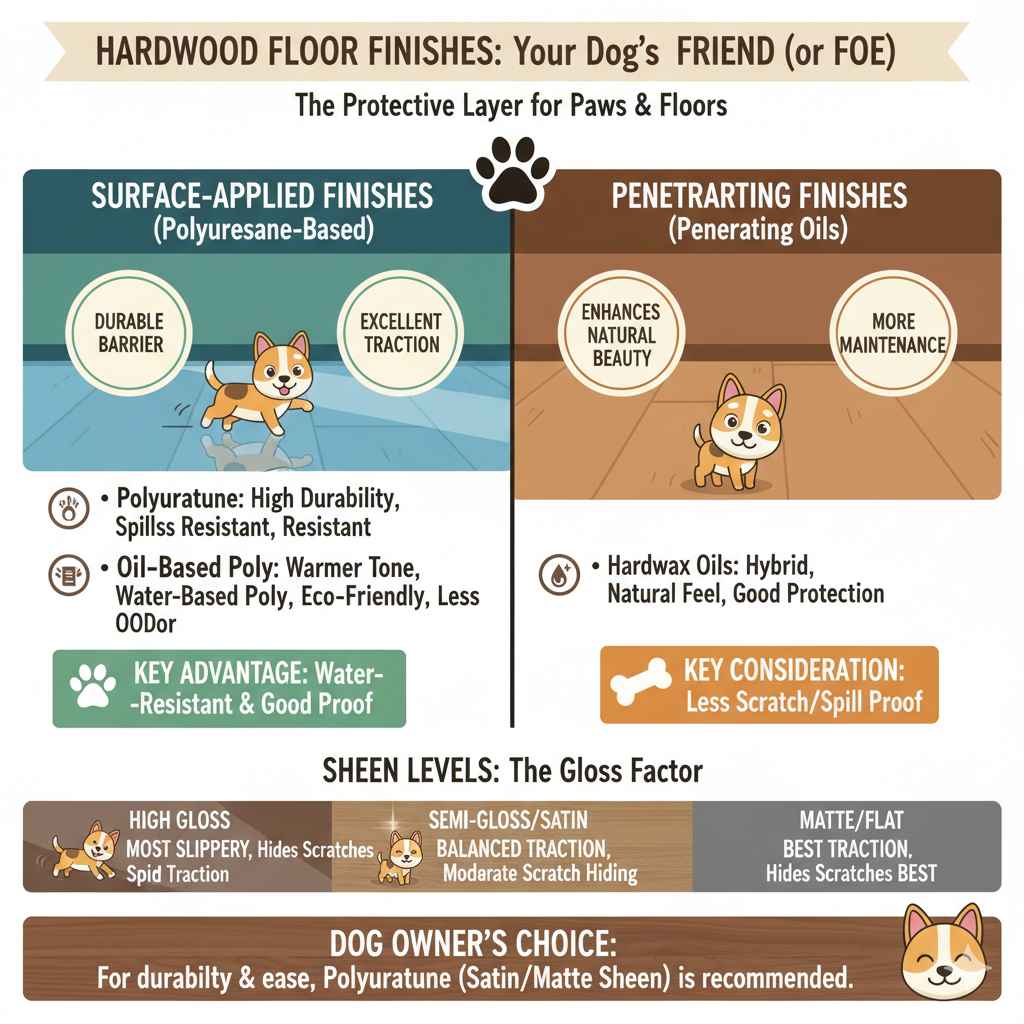
Hardwood Floor Finishes: Your Dog’s Best Friend (or Foe)
The finish on your hardwood floors is perhaps the most crucial element in determining how well they’ll fare with dogs. It’s the protective layer that shields the wood from scratches, spills, and wear. Different finishes offer different levels of durability, sheen, and a dog’s ability to find traction.
Surface-Applied Finishes (Polyurethane-Based)
These are the most common types of finishes you’ll find on hardwood floors. They create a durable barrier on top of the wood, making them excellent choices for dog owners. Because they sit on top of the wood, they provide a robust protective layer.
- Polyurethane: This is the go-to for durability. It’s applied in multiple coats and cures to form a hard, protective shell. It’s resistant to spills and wear.
- Oil-Based Polyurethane: Tends to be more durable and offers a warmer, amber-toned look. It’s also more resistant to water damage. However, it contains VOCs (Volatile Organic Compounds) and takes longer to dry.
- Water-Based Polyurethane: Dries faster, has less odor, and is more environmentally friendly. It’s also very durable, though often doesn’t provide quite the same depth of color as oil-based finishes.
Key Advantage for Dogs: These finishes are generally very water-resistant and can withstand cleaning up messes. They also provide a smoother surface, which can improve traction for most dogs when combined with the right sheen.
Penetrating Finishes (Penetrating Oils)
Unlike surface finishes, penetrating oils soak into the wood rather than forming a film on top. They enhance the natural beauty of the wood and offer a more matte, natural look and feel. While they offer a beautiful aesthetic, they can be less protective against spills and scratches when compared to modern polyurethanes, especially for high-traffic dog households.
- Hardwax Oils: These are a hybrid, combining some of the benefits of surface and penetrating finishes. They offer good protection while maintaining a natural feel.
Key Consideration for Dogs: These finishes might require more frequent maintenance and touch-ups, especially in areas prone to wear or potential accidents. If you choose this route, look for products specifically designed for high-traffic areas and pets.
Sheen Levels: The Gloss Factor
The sheen level of the finish plays a significant role in how slippery the floor appears and feels. This is often overlooked but is vital for dog safety.
- High Gloss: Very shiny and reflects a lot of light. These can be the most slippery for dogs, as the light reflection indicates a very smooth, almost glassy surface.
- Semi-Gloss/Satin: Offers a balanced sheen, reflecting some light but providing a bit more texture than high gloss.
- Matte/Flat: Little to no shine. These finishes have the most tooth, offering the best natural traction for dogs. They hide scratches better too, which is a bonus!
Recommendation for Dog Owners: Opt for satin or, even better, a matte finish. These surfaces provide a subtle texture that helps dog paws grip better, reducing slips and making them feel more secure.
Choosing the Right Wood Species and Plank Size
Beyond the finish, the actual type of wood and how it’s installed can also impact its suitability for dog owners.
Hardness of Wood Species
Wood species are rated on the Janka hardness scale, which measures their resistance to denting and wear. Harder woods are more resistant to scratches from dog nails.
| Wood Species | Janka Rating (lbs-force) | Suitability for Dogs |
|---|---|---|
| Pine | 870 – 1530 | Soft. Prone to scratches and dents. Not ideal for active dogs. |
| Oak (Red/White) | 1290 – 1360 | Moderately hard. Good all-around choice, offers decent scratch resistance. |
| Maple | 1450 | Hard. Good resistance to scratches and dents. A solid choice. |
| Hickory | 1820 | Very hard. Excellent resistance to scratches and dents. A top contender for dog-friendly flooring. |
| Brazilian Cherry | 2350 | Extremely hard. Very resistant to scratches. Can be pricier. |
Source: Data compiled from various hardwood flooring industry resources. Actual Janka ratings can vary slightly by specific subspecies and geographical origin.
As you can see from the table, hardwoods like Hickory, Maple, and Oak are much better choices for homes with dogs than softer woods like Pine.
Plank Width and Texture
Wider planks can sometimes create a smoother, more continuous surface, which might be easier for dogs to navigate than very narrow planks with many seams. However, the texture of the wood also matters. Wire-brushed or hand-scraped finishes can add a bit of texture that helps with grip and also does a better job of hiding minor scratches from dog nails.
Consider looking at engineered hardwood as well, as its construction can offer increased stability and different wear layers that might be beneficial.
Essential Safety Tips for Dogs on Hardwood Floors
Even with the right floors, you can take steps to ensure your dog’s safety and comfort. It’s all about combining smart flooring choices with a little extra care!
Keep Nails Trimmed
This is non-negotiable! Regularly trimming your dog’s nails is one of the most effective ways to minimize scratching on your hardwood floors. Long nails are sharper and have more surface area to make contact with the wood. Aim to trim them every 2-4 weeks, depending on how fast they grow.
If you’re unsure how to do this safely, your veterinarian or a professional groomer can show you the proper technique. It’s important not to cut too close to the quick, which contains blood vessels and nerves. You can also learn to file them down, which smooths the edges after cutting.
Paw Pad Care
Just like our own feet, a dog’s paws can suffer from dryness and cracking. Dry, cracked paw pads can reduce traction and make your dog uncomfortable. Keeping them moisturized with a pet-specific paw balm can help maintain their health and improve grip. Avoid human lotions, as some ingredients can be harmful if ingested by your dog.
Provide Traction Zones
Even on matte finishes, high-traffic areas or longer stretches of floor might benefit from added grip. Strategically placed rugs, runners, or even adhesive anti-slip strips in key areas like hallways, near doorways, and around food and water bowls can make a world of difference. This gives your dog safe zones to walk, eat, and sleep without worrying about slipping.
Look for rugs that are:
- Low-pile for easier cleaning.
- Made from durable, natural fibers or high-performance synthetics.
- Has a non-slip backing or use a rug pad underneath.
Training and Acclimation
If you’re transitioning to hardwood floors, or adopting a dog into a home with them, take time to help your dog acclimate. Start by encouraging them to walk on the floors with treats and praise. Make sure there are safe, comfortable resting spots available for them, like their bed or a designated rug. Positive reinforcement can build their confidence on the new surface.
Clean Up Accidents Immediately
This is crucial for protecting your floors and for preventing your dog from returning to the same spot. Promptly cleaning up any urine or feces is essential. Use an enzymatic cleaner specifically designed for pet stains to completely neutralize odors and prevent remarking. For urine, blot up as much as possible, then use the cleaner. For solid waste, remove it and then clean the area.
The Environmental Protection Agency (EPA) provides great resources on maintaining healthy indoor environments, which includes proper cleaning practices that benefit both pets and people.
Consider the Finish Application
When installing or refinishing your floors, discuss your dog ownership with your flooring professional. They can recommend durable, pet-friendly finishes. For example, a matte or satin polyurethane finish on a hard wood species will likely offer the best combination of durability and traction for your dog.
Maintenance and Care for Dog-Proofed Hardwood
Keeping your hardwood floors looking good and safe for your dog requires a consistent maintenance routine. It’s not about perfection, but about prevention and regular care.
Regular Cleaning Schedule
Establish a routine for keeping your floors clean. This includes:
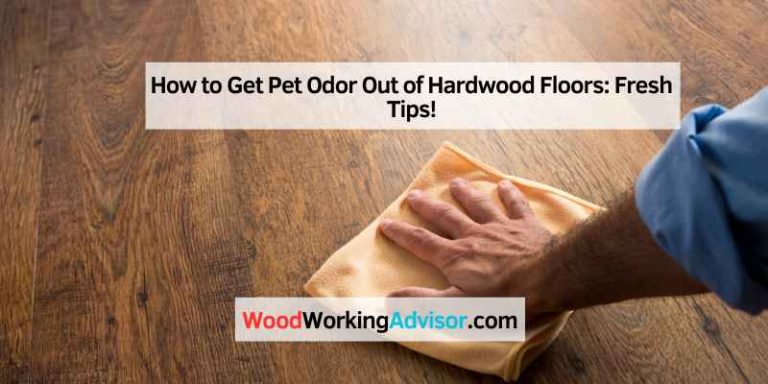
- Daily Sweeping/Vacuuming: This removes dirt, dust, and pet hair that can scratch the floor’s finish. Use a soft-bristle broom or a vacuum with a hard floor attachment. Avoid vacuums with beater bars that can damage the finish.
- Weekly Damp Mopping: Use a hardwood floor cleaner specifically recommended for your floor’s finish. Always use a damp mop, never a wet one, to avoid water damage. Wring out your mop until it’s almost dry.
Deep Cleaning and Refinishing
Over time, even the best finishes can show wear. Depending on traffic, you might need a deep clean or even refinishing. A professional can assess the condition of your floors and recommend options, which might include a screen and recoat (a light sanding and application of a new layer of finish) or a full refinish.
Dealing with Scratches
Minor scratches are almost inevitable with dogs. For surface-level scratches on finished floors, you might be able to use a touch-up pen or stain that matches your floor color. For deeper scratches, a professional repair might be necessary. Remember, textured finishes like wire-brushed planks are excellent at camouflaging everyday wear and tear.
Dealing with Stains and Water Damage
Act fast on spills! Blot them up immediately with a clean, dry cloth. For persistent stains or areas affected by moisture, you might need to use a specialized hardwood floor cleaner. If water has sat for too long and seeped into the wood, it can cause discoloration or even warping, requiring professional attention.
Alternatives and Complementary Flooring Options
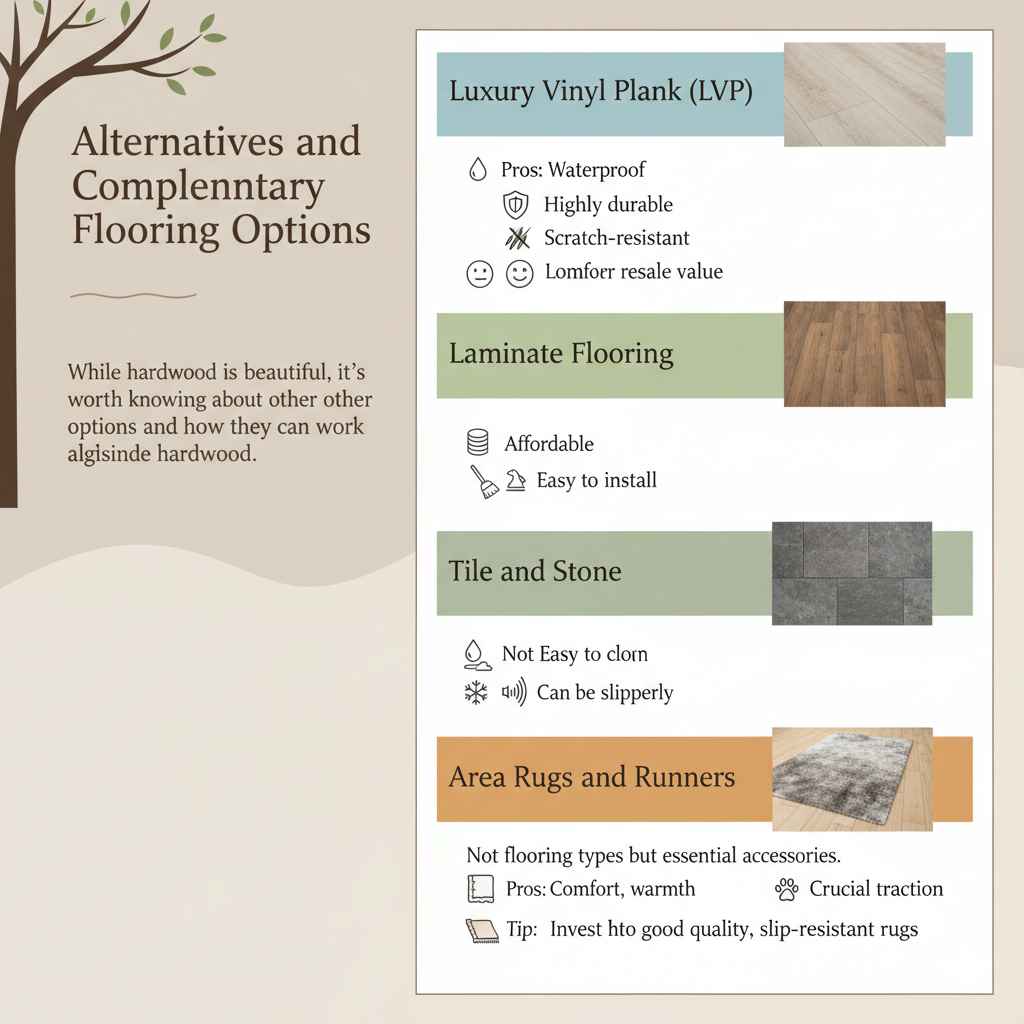
While hardwood is beautiful, it’s worth knowing about other options and how they can work alongside hardwood.
Luxury Vinyl Plank (LVP)
LVP is a fantastic alternative or complement to hardwood. It offers a very realistic wood look but is much more durable, waterproof, and scratch-resistant. Many LVP products are incredibly DIY-friendly to install.
- Pros: Waterproof, highly durable, scratch-resistant, wide variety of looks, often more affordable than hardwood, comfortable underfoot, easy to clean.
- Cons: Can feel less luxurious than real hardwood to some, may not add as much resale value as hardwood.
Laminate Flooring
Another wood-look option, laminate is generally more affordable than hardwood and LVP. Its durability varies by product, but many are tough and scratch-resistant.
- Pros: Affordable, often scratch-resistant, easy to install (click-lock systems).
- Cons: Not waterproof (can be damaged by standing liquids), may not look as authentic as LVP or hardwood, can be noisy.
Tile and Stone
These are extremely durable and waterproof, making them great for areas prone to mud or accidents. However, they can be very hard and cold, which might not be ideal for all dogs, especially older ones.
- Pros: Waterproof, very durable, easy to clean, stylish.
- Cons: Hard and cold underfoot, can be slippery (though textured tiles are available), installation can be more complex.
Area Rugs and Runners
These are not flooring types but essential accessories. They provide comfort, warmth, and crucial traction in specific areas. Investing in good quality, slip-resistant rugs can make a huge difference in a dog’s ability to move around freely on any type of hard flooring, including hardwood.
Frequently Asked Questions
Q1: Will my dog’s urine ruin hardwood floors?
A1: Yes, especially if left untreated. Dog urine is acidic and can penetrate the finish, stain the wood, and even cause warping or permanent damage. It’s vital to clean up any accidents immediately with an enzymatic cleaner. The finish of your floor plays a big role here; a good sealant offers more protection, but prompt cleanup is always best.
Q2: Are some dog breeds harder on floors than others?
A2: Breeds with long, thick nails, or those that are very active and prone to sudden movements (like some high-energy working or sporting breeds), can cause more wear and tear. Older dogs or those with mobility issues may also struggle more with traction on slick floors.
Q3: How can I test if my current hardwood floor is too slippery for my dog?
A3: Observe your dog’s movement. Do their paws slip when they try to turn or walk quickly? Do they seem hesitant? You can also place a towel on a small section of the floor and see if they prefer it. A simple way to test traction is to have your dog walk across a section of the floor, and if their paws slide easily, it’s likely too slippery.