Are Heat Stains on Wood Permanent? Expert Tips to Remove Them Fast
Have you ever placed a hot cup or pan on your wooden table, only to find an unsightly white or dark mark left behind? Those heat stains can be frustrating and make your beautiful wood look damaged.
But here’s the real question: are heat stains on wood permanent? If you’ve been worrying about ruining your furniture, you’re not alone. You’ll discover what causes these stains, whether they can be removed, and the best ways to restore your wood’s natural beauty.
Keep reading, because your wood deserves a second chance.
Causes Of Heat Stains On Wood
Heat stains on wood appear as white or dark marks. These stains happen because heat changes the wood’s surface. Understanding what causes these marks helps in preventing damage and caring for wood better.
Heat can come from many sources. Each source can leave a different type of stain. Knowing these sources helps protect wooden furniture and floors.
Common Sources Of Heat Damage
Hot cups or plates left on wood can cause heat stains. The heat transfers from the object to the wood surface. Hair tools like straighteners or curling irons can also burn wood. Direct sunlight can slowly change wood color. Heating devices like lamps and radiators can leave marks too. Even cigarette burns can create heat stains on wood.
How Heat Affects Wood Surfaces
Heat changes the moisture inside the wood. This causes the wood to expand and contract. The surface layer may turn white or cloudy. Heat can also burn the wood, making it dark or black. The wood’s finish can break down, losing its shine. These changes make the wood look damaged and old. Some heat stains go deep into the wood grain. This makes the stain harder to remove.
Types Of Heat Stains
Heat stains on wood come in different types. Each type looks different and needs different care. Understanding these types helps in deciding how to treat them. Here are the main types of heat stains you might see on wood surfaces.
White Heat Marks
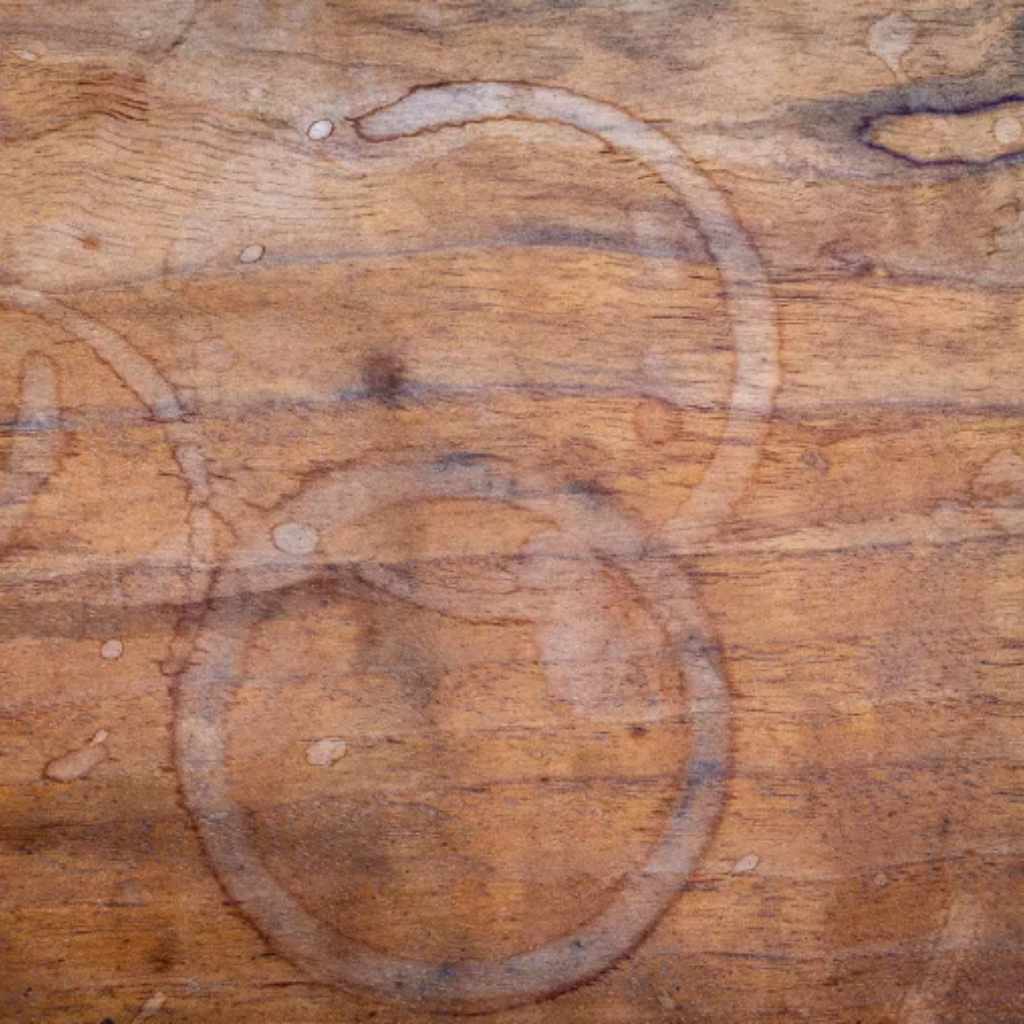
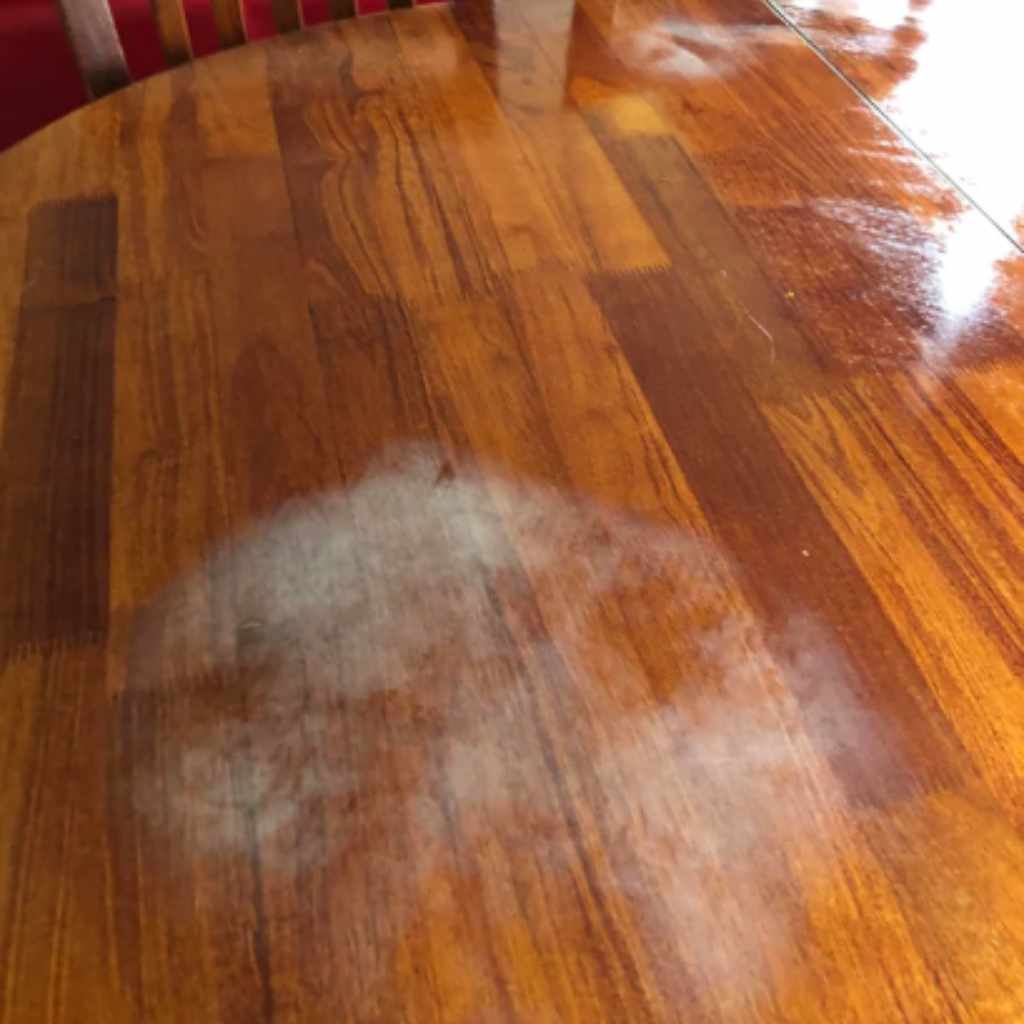
White heat marks appear as cloudy or milky spots on wood. They happen when heat traps moisture below the wood’s finish. These marks do not usually damage the wood itself. The finish layer holds the moisture, causing the white discoloration.
White marks often come from hot cups or plates placed on wood. They are common and can often be removed with simple home methods.
Dark Heat Stains
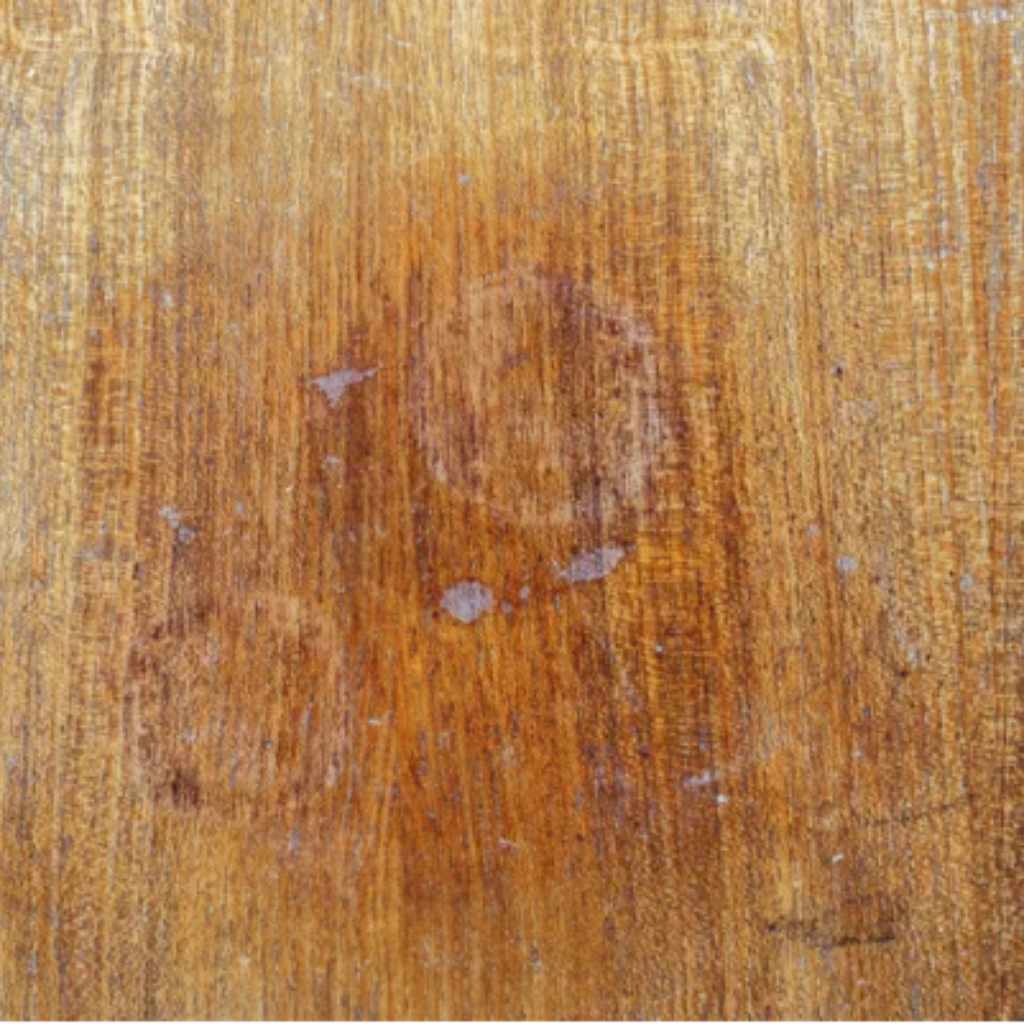
Dark heat stains look like brown or black spots on wood. These stains are deeper and often mean the wood has been burned slightly. The heat causes a chemical change in the wood fibers, which turns them dark.
Dark stains can be harder to remove than white marks. They may need sanding or refinishing to fix the damage fully.
Differences In Stain Appearance
White and dark heat stains differ in color and depth. White marks sit on the surface, while dark stains penetrate the wood. White stains often look cloudy; dark stains look like burns.
Knowing the type of stain helps choose the right treatment. Surface stains may need gentle cleaning. Deep stains may require sanding or refinishing.
Assessing Stain Severity
Assessing the severity of heat stains on wood helps decide the best cleaning method. Some stains are light and sit only on the surface. Others go deeper, affecting the wood itself. Knowing the stain depth guides how to treat or restore the wood.
Surface-level Vs Deep Penetration
Surface-level stains look like white or cloudy marks on the finish. These happen when heat affects only the top layer. They often appear after placing hot cups or pans on wood.
Deep penetration stains change the wood color beneath the finish. The heat damages the wood fibers inside. These stains can be dark or discolored spots.
Surface stains are easier to remove with cleaning or polishing. Deep stains may need sanding or refinishing. The longer heat stays on the wood, the deeper the damage.
When Stains Are Permanent
Some heat stains stay even after cleaning and sanding. Permanent stains happen when the wood burns or chars. This damage changes the wood color and texture forever.
Old stains can also become permanent if not treated early. Wood absorbs heat over time, making stains harder to remove. Heavy or repeated heat exposure increases the chance of permanence.
Understanding stain severity helps protect your wood. Quick action often prevents permanent marks. Careful maintenance keeps wood looking fresh and new.
Quick Home Remedies
Heat stains on wood can spoil the look of your furniture. Quick home remedies help reduce these marks without harsh chemicals. These simple tricks use items found in most homes. Try these easy methods to restore your wood’s beauty fast.
Using Iron And Cloth
Cover the stain with a clean cloth. Set an iron to low heat without steam. Gently press the iron on the cloth for a few seconds. Lift and check the stain. Repeat if needed. The heat draws out moisture causing the stain.
Toothpaste And Baking Soda Mix
Mix equal parts of toothpaste and baking soda. Apply the paste to the stain with a soft cloth. Rub gently in a circular motion. Wipe away with a damp cloth. This mix helps lift white heat marks from the wood.
Mayonnaise And Petroleum Jelly
Apply a small amount of mayonnaise or petroleum jelly on the stain. Leave it on for an hour or overnight. Wipe off with a soft cloth. The oils penetrate the wood and reduce the heat mark’s visibility.
Professional Removal Techniques
Heat stains on wood can be tough to remove. Professional techniques often restore wood’s natural look. These methods use tools and products that clean deeply. They work better than home remedies for stubborn marks.
Sanding And Refinishing
Sanding removes the top damaged layer of wood. It smooths out heat stains and scratches. After sanding, the wood surface looks fresh and clean. Next, refinishing adds a new protective coat. This step brings back the wood’s shine and color. It also protects the wood from future damage.
Chemical Strippers And Cleaners
Chemical strippers break down old finishes and stains. They dissolve the heat marks from the wood surface. Cleaners help lift stains without harming the wood. Professionals choose products safe for different wood types. These chemicals make it easier to remove deep heat stains. Always handled carefully for best results and safety.
Preventing Heat Stains
Heat stains on wood can spoil its beauty and value. Preventing these stains is easier than fixing them. Taking simple steps keeps wood surfaces safe and looking new. Protect wood from heat damage with smart habits and products.
Protective Coatings
Applying protective coatings creates a shield on wood surfaces. These coatings reduce the chance of heat marks. Use varnish, polyurethane, or lacquer for best results. Reapply coatings as needed to maintain protection. A strong coating keeps heat from reaching the wood.
Using Coasters And Mats
Coasters and mats stop heat from touching wood directly. Place them under hot cups, plates, and pots. Use thick mats for heavy or very hot items. This simple habit prevents heat stains easily. Keep coasters and mats clean for better protection.
Best Practices For Wood Care
Clean wood regularly with a soft, damp cloth. Avoid placing hot objects directly on wood. Allow hot items to cool before setting them down. Keep wood away from direct sunlight and moisture. These steps help maintain wood’s natural beauty and prevent heat stains.
Frequently Asked Questions
What Causes Heat Stains On Wood Surfaces?
Heat stains form when hot objects damage the wood’s finish. The heat reacts with moisture or oils, creating white or cloudy marks. This damages the wood’s protective layer but usually doesn’t affect the wood itself.
Can Heat Stains On Wood Be Removed Completely?
Many heat stains are not permanent and can be removed. Using household remedies like mayonnaise or baking soda often helps. However, deep or old stains might require sanding or professional refinishing.
How To Prevent Heat Stains On Wooden Furniture?
Always use coasters or heat-resistant mats under hot items. Avoid placing hot pans or cups directly on wood surfaces. Regularly apply protective finishes to maintain the wood’s durability and resistance to heat damage.
Are Heat Stains Different From Water Stains On Wood?
Yes, heat stains usually appear white or cloudy, caused by heat damage. Water stains often look darker and result from moisture soaking into the wood. Treatment methods may differ depending on the stain type.
Conclusion
Heat stains on wood can sometimes fade with care. Many stains are not fully permanent. You can try gentle cleaning or light sanding. Some deep marks may need professional help. Quick action often improves the wood’s look. Protect wood surfaces to avoid future stains.
Small efforts keep wood beautiful and lasting. Wood care takes patience and simple steps. Remember, not all heat stains stay forever.