Are Oak Nuts Edible: Genius & Essential Food
Yes, oak nuts (acorns) are edible! With proper preparation, these abundant natural treasures can be a nutritious and surprisingly versatile food source. Discover how to safely harvest, process, and enjoy acorns for simple, resourceful meals.
Have you ever walked through a park or forest in the fall and noticed a bounty of acorns scattered beneath oak trees? Maybe you’ve wondered if these little nuts are just for squirrels or if there’s more to them. It’s a common question because, unlike many other nuts we find in stores, acorns aren’t typically eaten raw. But don’t let that deter you! Properly prepared acorns can be a genius and essential part of a resourceful diet, offering a unique flavor and valuable nutrients. We’re going to walk through everything you need to know, step-by-step, to unlock their potential. You’ll be surprised at how simple it is to turn these fallen treasures into something delicious.
The Genius of Acorns: More Than Just Squirrel Food
Oak nuts, or acorns, are the fruit of oak trees. For centuries, many cultures around the world, particularly indigenous peoples in North America, Europe, and Asia, relied on acorns as a staple food source. This wasn’t just a survival tactic; it was a smart and sustainable way to utilize a readily available natural resource. Their abundance, combined with their nutritional profile, made them incredibly valuable.
Think of them like a wild grain. When prepared correctly, they can be ground into flour and used in a variety of recipes. This makes them a truly genius food because they were a readily available, nutrient-dense option long before modern agriculture. They are packed with carbohydrates, healthy fats, and even some protein, making them a genuinely essential food in historical diets.
Why Are They Not Eaten Raw? Understanding Tannins
The primary reason acorns aren’t typically eaten raw is their high concentration of tannins. Tannins are naturally occurring compounds found in many plants, including tea, wine, and unripe fruit. In acorns, they are particularly bitter and can cause an unpleasant, dry, or astringent sensation in the mouth. High levels of tannins can also interfere with nutrient absorption and, in large quantities, may cause digestive upset.
The good news is that these tannins are water-soluble, meaning they can be leached out through various preparation methods. This process is key to unlocking the sweet, nutty flavor of acorns and making them safe and enjoyable to eat. It’s a natural preservation and preparation process that has been refined over generations.

Identifying and Harvesting Your Acorns
Before you can enjoy acorns, you need to know how to find and collect them safely. This involves identifying the right kind of oak tree and knowing when and how to gather the nuts.
Which Oaks Produce Edible Acorns?
Most oak species produce acorns. However, some are better suited for consumption than others due to lower tannin content. Generally, white oaks (species in the Quercus genus, subgenus Quercus) tend to have lower tannin levels and are often preferred for their easier processing. Red oaks (species in the Quercus genus, subgenus Erythrobalanus) usually have higher tannin levels, requiring more thorough leaching.
Key Characteristics of Oak Trees:
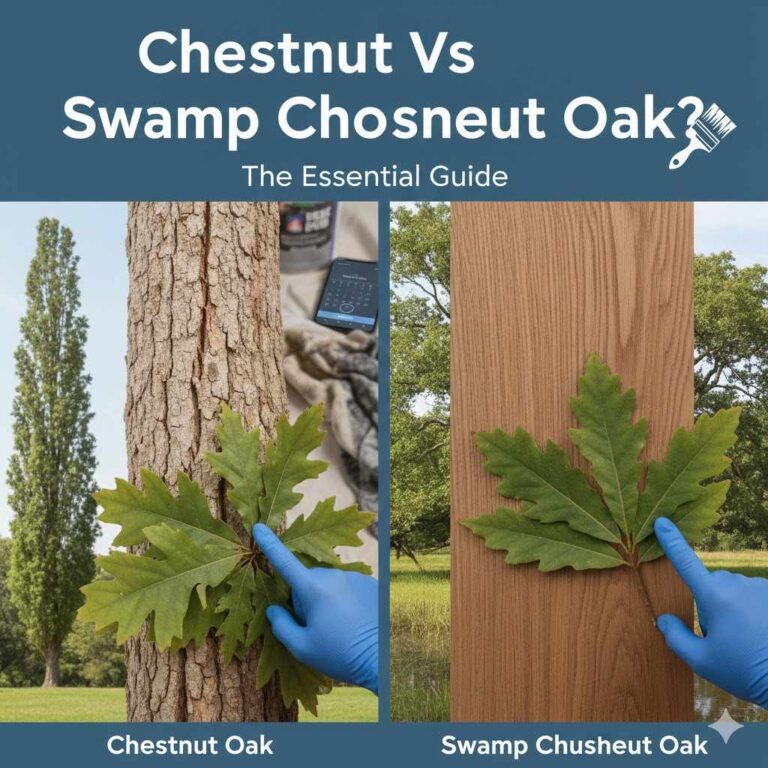
- Leaves: White oaks often have lobed leaves with rounded tips. Red oaks typically have leaves with pointed, bristle-tipped lobes.
- Acorns: White oak acorns usually mature in one season and have scaly caps. Red oak acorns often take two years to mature and may have smoother caps (though this can vary).
- Bark: White oaks often have lighter-colored bark, sometimes with a shaggy or peeling texture. Red oaks tend to have darker bark, often deeply ridged.
If you’re unsure about an oak species, it’s always best to err on the side of caution and assume it has higher tannin content. You can also consult local forestry resources or university extension offices for guidance specific to your region. The U.S. Forest Service offers general information on oak species.
When and How to Gather Acorns
The best time to gather acorns is in the fall, typically from September through November, after they have naturally dropped from the trees. Look for acorns that are:
- Mature: They should be free from significant damage or mold.
- Clean: Free from wormholes or signs of insect infestation.
- Fresh: Recently fallen acorns will be firmer and have a better shelf life.
Gathering Tips:
- Look for fallen nuts: The easiest and safest way is to collect acorns that have already dropped.
- Check for freshness: A simple test is to place acorns in water. Fresh, good nuts will sink, while rotten or worm-eaten ones will float. Discard any that float.
- Remove the caps: You can easily twist or pry off the acorn caps.
- Collect in batches: Gather more than you think you’ll need, as you’ll lose some during processing.
- Store temporarily: Keep your collected acorns in a dry, well-ventilated container like a basket or mesh bag until you’re ready to process them.
Processing Acorns: The Essential Step
This is where the magic happens! The goal of processing is to remove the bitter tannins, making the acorns palatable and digestible. The most common and effective method is leaching with water.
Method 1: Cold Water Leaching (The Most Common Method)
This method is straightforward but requires patience as it can take several days.
What You’ll Need:
- Collected acorns
- A large bowl or container
- Water
- A strainer or colander
- A clean cloth or towel
Steps:
- Shell the Acorns: This is often the most time-consuming part. You can use your hands, a nutcracker, or even a small hammer lightly. The goal is to get the nut meat out. Discard any acorns that don’t yield good nut meat.
- Break or Grind the Nut Meat: Once shelled, break the larger pieces of nut meat into smaller chunks or grind them into a coarse meal using a grinder or food processor. Smaller pieces leach faster.
- Place in Container: Put the shelled and broken acorn meat into your large bowl or container.
- Cover with Water: Pour fresh, cold water over the acorn meal, ensuring it’s completely submerged.
- Soak and Change Water: Let the acorns soak for several hours (4-8 hours is a good starting point). Then, drain the water and cover the acorn meal with fresh water again.
- Repeat Daily: Continue to drain and refill the water at least once or twice a day. You can taste a tiny piece of the acorn meal periodically. When the bitterness is gone and the taste is mild and slightly nutty, the tannins have been sufficiently leached. This typically takes 5 to even 14 days, depending on the acorn type and your diligence.
- Drain and Dry: Once leached, drain the acorn meal thoroughly. Spread it out on a clean cloth or towel to air dry for a few hours, or use a very low oven setting (below 200°F / 93°C) for faster drying.
Method 2: Hot Water Leaching (Faster but May Affect Nutrients)
This method is quicker but can sometimes result in a slight loss of nutrients and a slightly different flavor profile.
What You’ll Need:
- Shelled acorn meat (broken into smaller pieces)
- A pot
- Water
- A colander or strainer
Steps:
- Shell and Break: Shell the acorns as in Method 1 and break the nut meat into small pieces or grind into a meal.
- Boil Water: Bring a pot of water to a rolling boil.
- Add Acorns: Carefully add the acorn pieces or meal to the boiling water. Boil for about 10-20 minutes.
- Drain and Repeat: Drain the boiling water. Refill the pot with fresh water and bring it to a boil again. Repeat this process several times (typically 3-6 times), changing the water each time until the bitterness is significantly reduced.
- Drain and Dry: After the final boil and drain, spread the acorn meal on a clean cloth to dry thoroughly.
Method 3: Boiling with Ashes (Traditional Method)
This is a very old method where alkaline ash (from hardwood fires) helps neutralize tannins. It’s effective but less common today due to the availability of other methods. If you try this, ensure you’re using pure hardwood ash and rinsing extremely well.
Using Your Prepared Acorn Flour/Meal
Once your acorn meal is leached and dried, it’s ready to be used! It can be stored in an airtight container in a cool, dark place for several months, or refrigerated or frozen for longer storage.
Nutritional Value of Acorns
Prepared acorn meal is a good source of complex carbohydrates, healthy fats, and some protein. It also contains dietary fiber, vitamins (like A, C, and some B vitamins), and minerals (such as potassium, calcium, and magnesium).
Here’s a look at the approximate nutritional breakdown of raw acorn meal per 100 grams (this can vary widely by oak species and processing methods; prepared acorn meal will have slightly different values after leaching):
| Nutrient | Amount (approx.) |
|---|---|
| Calories | 450-500 kcal |
| Carbohydrates | 40-50 g |
| Fat | 25-35 g |
| Protein | 5-8 g |
| Fiber | 10-15 g |
| Fatty Acids (mostly unsaturated) | Significant amounts |
The fat content is particularly notable, contributing to their energy density. The carbohydrate profile leans towards starches, making them a filling food.
Recipes and Ideas for Acorn Flour
Acorn flour has a rich, slightly sweet, and nutty flavor that pairs well with many other ingredients. It can be used in a variety of ways, similar to other grain flours.
Tips for Using Acorn Flour:
- It can be dense: Acorn flour may not have the same gluten structure as wheat flour, so it can sometimes result in denser baked goods.
- Combine with other flours: For lighter bread or baked goods, try mixing acorn flour with wheat flour, oat flour, or rye flour (e.g., 1 part acorn flour to 2 parts all-purpose flour).
- Moisture: Acorn flour can absorb moisture differently. You might need to adjust liquid amounts in recipes.
Simple Recipes to Try:
- Acorn Pancakes or Waffles: Mix acorn flour with your favorite pancake or waffle recipe. You might need to add a bit more liquid.
- Acorn Bread: Use it in a yeast or quick bread recipe. A good starting point is to substitute up to 1/3 of the regular flour with acorn flour.
- Acorn Crackers: Mix acorn flour with water, a pinch of salt, and herbs. Roll thin and bake until crisp.
- Acorn Porridge: Cook acorn meal with water or milk, similar to oatmeal. Sweeten with maple syrup or honey.
- Thickener: Use acorn flour as a thickener for stews and soups, just like regular flour.
For more advanced ideas, you can find recipes for acorn cookies, cakes, and even even “coffee” made from roasted acorn meal. If you’re interested in foraging and wild foods, resources like the Eat the Weeds website offer extensive information and recipes.
Pros and Cons of Eating Acorns
Like any food, acorns have their advantages and disadvantages. Understanding these can help you decide if they’re a good fit for your foraging and cooking adventures.
Pros:
- Abundant and Free: Acorns are widely available in many regions and are a free food source if you have access to oak trees.
- Nutritious: They provide valuable carbohydrates, healthy fats, fiber, and some protein.
- Sustainable Foraging: Harvesting acorns is generally sustainable and doesn’t harm the trees when done responsibly.
- Versatile: Once processed, they can be used in a wide range of culinary applications.
- Connection to Nature: Foraging for acorns connects you with natural cycles and traditional food practices.
Cons:
- Requires Processing: The main drawback is the time and effort required to leach out tannins. This can be a lengthy and involved process.
- Potential for Misidentification: While most acorns are edible after processing, it’s important to correctly identify oak trees and select good quality nuts.
- Digestive Issues if Not Properly Leached: Consuming improperly processed acorns can lead to digestive discomfort due to remaining tannins.
- Variable Tannin Levels: Different oak species have varying tannin levels, affecting processing time and taste.
- Storage: Properly dried acorn meal can last for months, but improper drying can lead to mold.
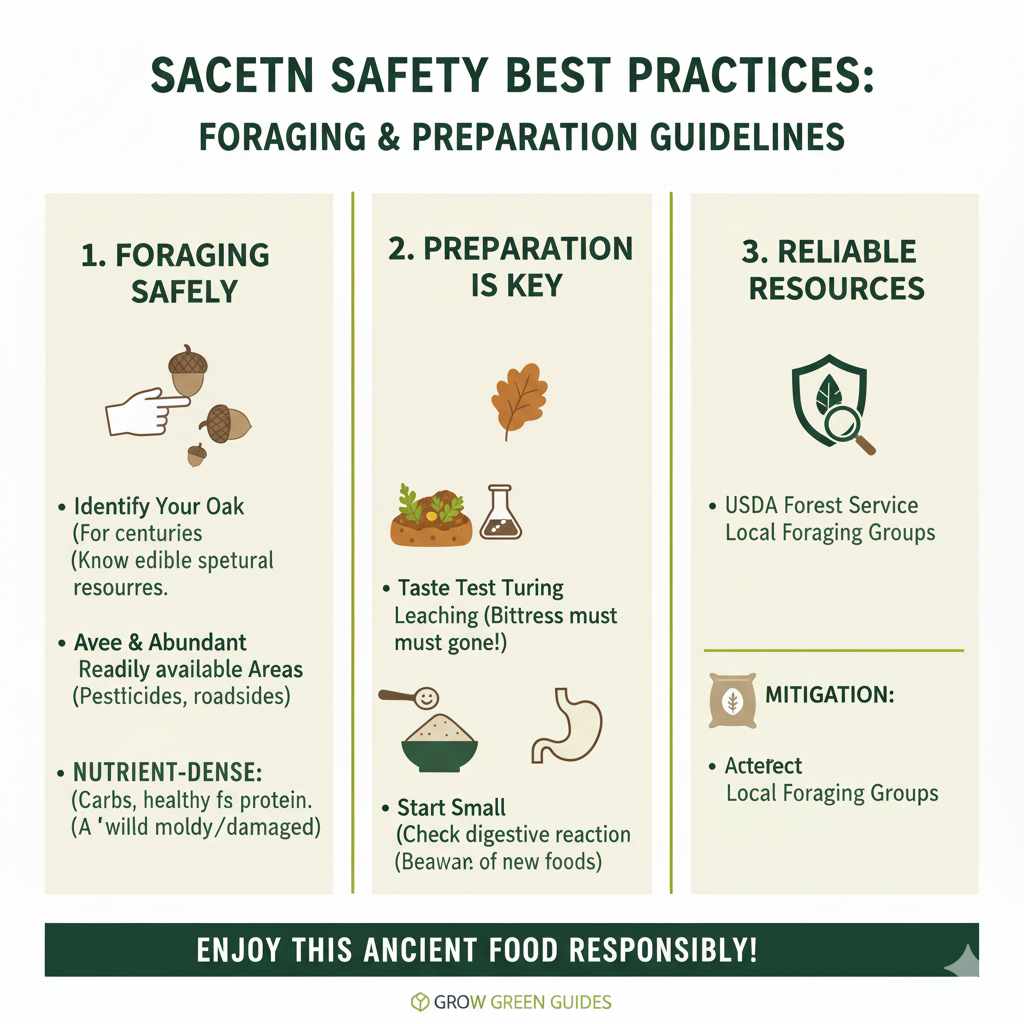
Safety and Best Practices
When foraging and preparing acorns, safety is paramount. Here are some key considerations:
- Identify Your Oak: Make sure you are gathering acorns from a species known to be generally edible after processing. When in doubt, assume higher tannin levels and leach thoroughly.
- Avoid Contaminated Areas: Never harvest acorns from areas that may be sprayed with pesticides or herbicides, or from roadsides where they might pick up pollutants.
- Inspect Acorns: Always discard any acorns that are moldy, damaged, or show signs of insect infestation. The float test is a good initial step.
- Taste Test During Leaching: Don’t guess when leaching is complete. Taste a small piece of the acorn meal periodically to ensure the bitterness is gone.
- Start Small: When trying acorn dishes for the first time, eat a small portion to see how your digestive system reacts.
- Allergies: Be aware that anyone can develop allergies to new foods.
For reliable information on foraging ethics and safety, consider resources from organizations like the USDA Forest Service or local foraging groups.
Frequently Asked Questions About Edible Acorns
Q1: Can I eat acorns straight from the tree?
A1: No, it is not recommended to eat acorns directly from the tree. They contain high levels of bitter tannins that can cause digestive upset and an unpleasant taste. They must be processed first.
Q2: How long does it take to leach acorns?
A2: Leaching time varies greatly depending on the oak species and processing method. Cold water leaching can take anywhere from 5 to 14 days, with water changes happening once or twice daily. Hot water leaching is faster, taking a few hours with multiple boiling and draining steps.
Q3: What do leached acorns taste like?
A3: Once the tannins are removed, acorns have a mild, nutty, and slightly sweet flavor. They can be compared to chestnuts or a mild grain. The taste can vary slightly depending on the oak species.
Q4: Can I store acorns after picking them?
A4: Yes, you can store fresh acorns for a short period before processing. Keep them in a dry, breathable container. However, it’s best to process them relatively soon after gathering to prevent spoilage or insect infestation. Dried, leached acorn meal can be stored for several months.
Q5: Are all acorns edible?
A5: While most oak species produce acorns that are technically edible after proper leaching, some species are much easier to process due to lower tannin content. Acorns from white oaks are generally considered easier to prepare than those from red oaks.