Can You Eat Cherry Blossoms? What You Should Know First
Have you ever looked at a beautiful cherry blossom tree in bloom and wondered, “Can I eat that?” It’s a question that pops into many minds, especially when surrounded by such natural beauty. Many flowers are edible, adding color and flavor to dishes. But are cherry blossoms one of them?
It’s not always a simple yes or no. Understanding the specifics is key to enjoying them safely.
You can eat cherry blossoms, but with important considerations. Not all cherry blossoms are meant for eating, and preparation is crucial. Some varieties are specifically grown for consumption, while others may be treated with chemicals or have inedible parts. Always be certain of the source and type before tasting.
Understanding Cherry Blossoms: Beauty and Edibility
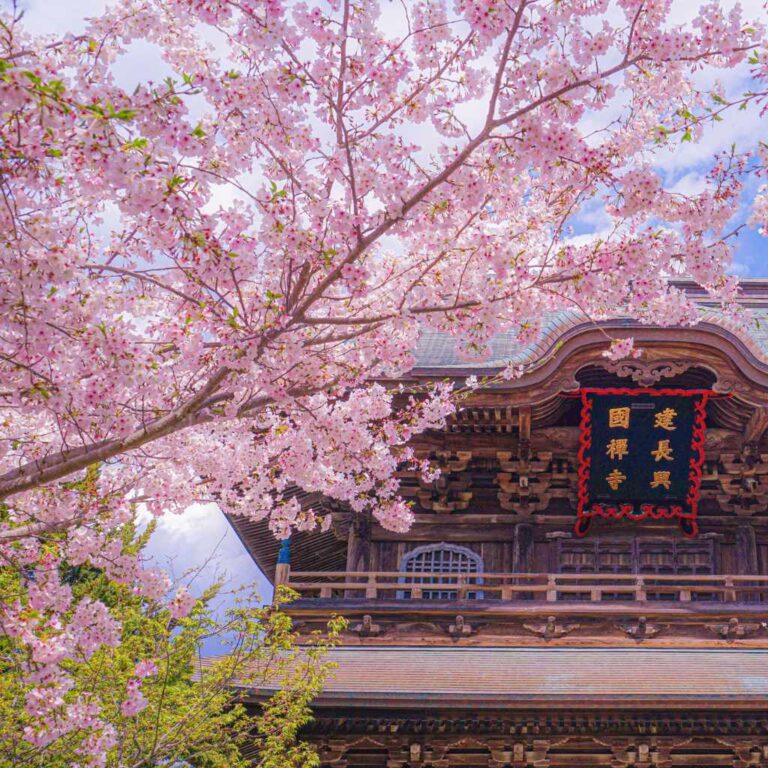
Cherry blossoms are famous for their stunning spring display. They signal the start of warmer weather. Many people enjoy them from afar. Others might want to get closer. This includes tasting them. But we need to be careful.
The scientific name for cherry trees is Prunus. This is a big family. It includes many types of cherries. It also includes plum and almond trees. Some Prunus flowers are eaten. Others are not. The most famous edible cherry blossoms come from Japan. They are often used in special dishes.
Why the Confusion?
The main reason for confusion is that not all cherry trees are the same. Some trees are grown for their fruit. Their flowers are secondary. Other trees are grown just for their flowers. These are often ornamental. Ornamental trees might be sprayed with pesticides. These sprays are not safe for eating.
Also, different parts of a flower can be different. Some flowers have parts that are bitter or tough. We need to know which parts are good. We also need to know how to prepare them. This makes a big difference.
The Japanese Connection
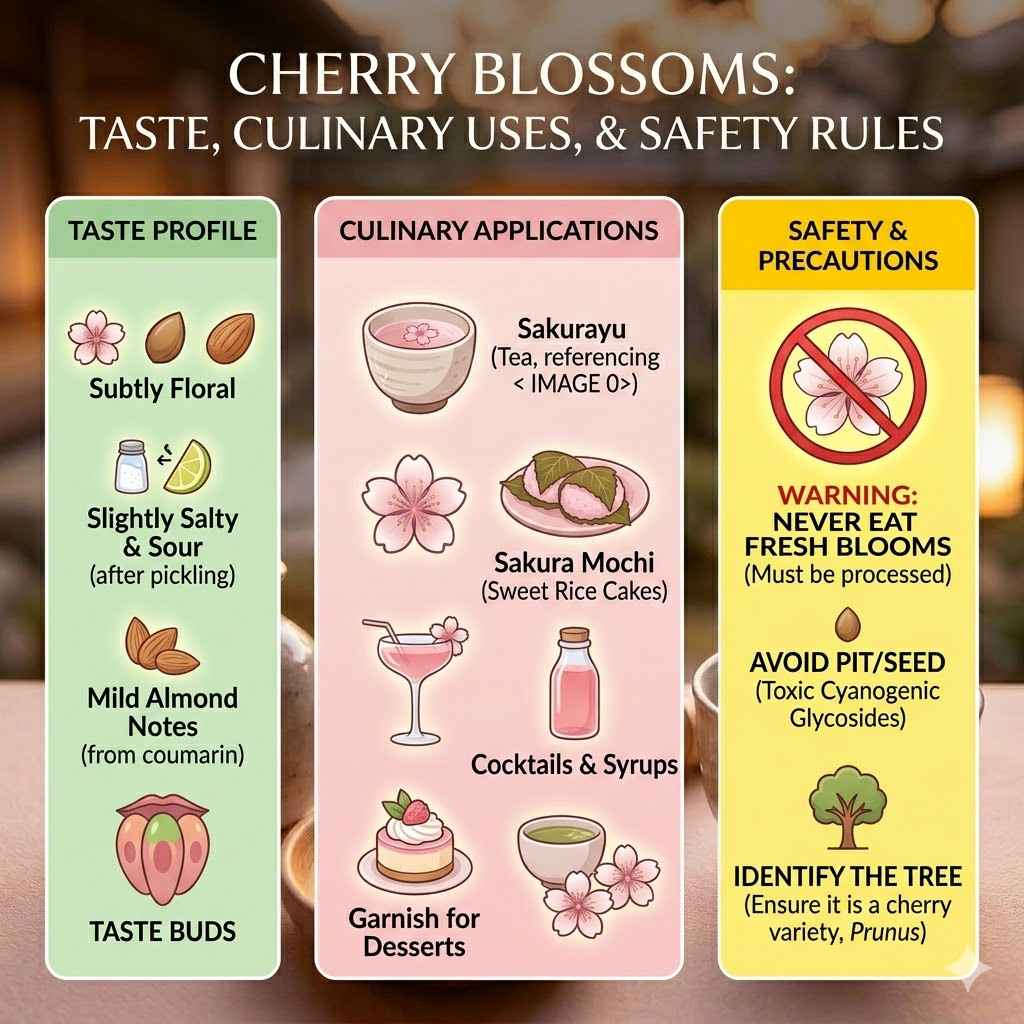
In Japan, certain cherry trees are cultivated for their edible blossoms. These are often pickled. Pickling preserves them. It also gives them a unique salty and slightly sour taste. These preserved blossoms are called sakura-zuke. They are used to flavor tea, rice, and sweets. The most common variety used is the Oshima cherry. It has a strong scent and flavor.
It’s important to understand that these are not just any cherry blossoms found in a park. They are grown and prepared in specific ways. This is why they are safe to eat.
My First Encounter with Edible Cherry Blossoms
I remember my first trip to Japan. It was spring. Everything was bursting with color. I saw so many cherry trees. The air smelled so sweet. I visited a small market. There, I saw little jars filled with pink petals. They looked so pretty. I asked the vendor what they were. She explained they were pickled cherry blossoms.
She offered me a tiny taste. It was surprising. It was salty. It was also a little floral. It was unlike anything I had tasted before. She showed me how they were used. They put a single pickled blossom in hot water. It made a special tea. It tasted so delicate. It was a whole new experience.
That day changed how I saw flowers. I learned that beauty could also be a flavor. But it also made me think about safety. It made me wonder about the cherry trees back home. Could I just pick one and try it? I knew I had to find out more. It felt wrong to assume.
Exploring the Different Parts of a Cherry Blossom
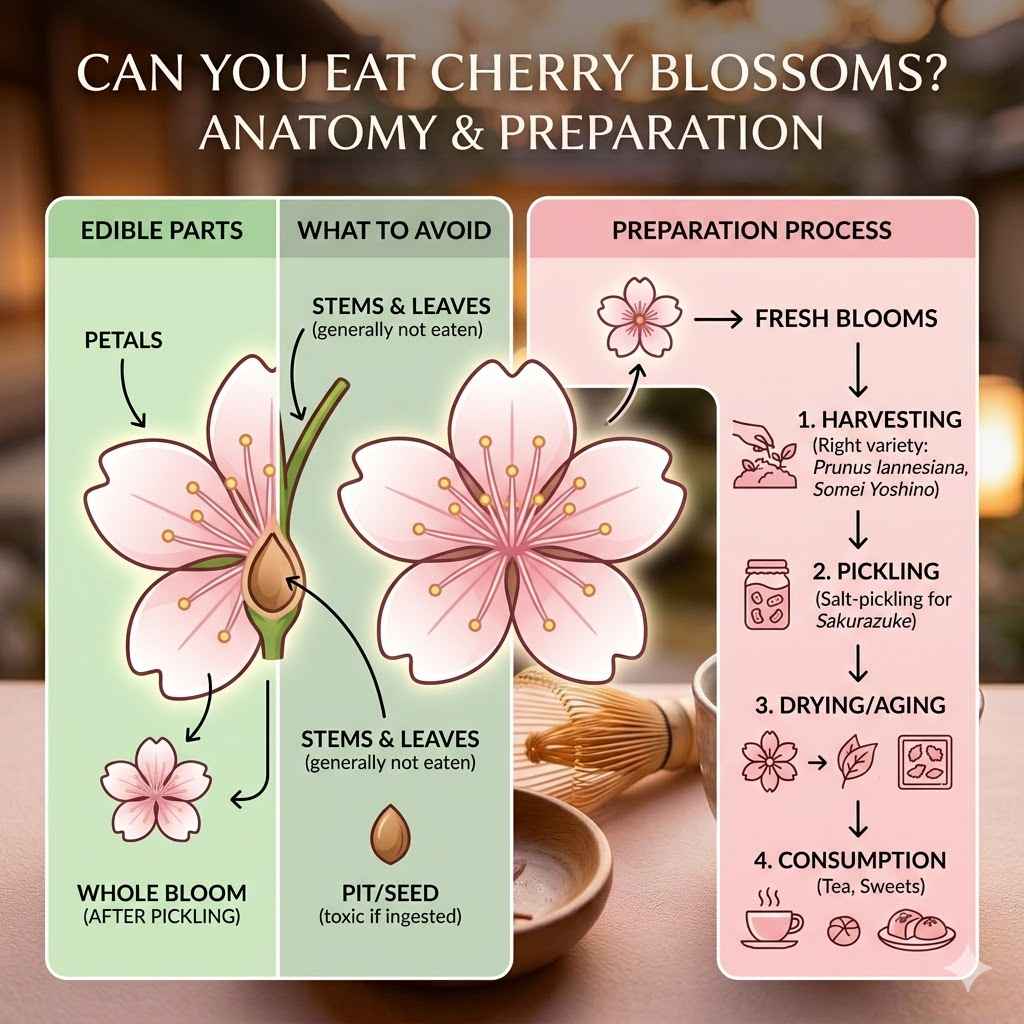
A flower has several parts. Some are more important for eating than others. For cherry blossoms, the petals are usually the main focus.
The Petals
The petals are the colorful parts we see. They are usually soft. They have a mild flavor. The taste can be a little sweet or slightly bitter. It depends on the type of cherry tree. The Japanese varieties are often picked for their scent and flavor.
The Stamen and Pistil
Inside the petals are the stamen and pistil. The stamen has pollen. The pistil is the central part. These parts can sometimes be bitter. They can also be tough. It’s generally best to remove them before eating the petals. This makes the eating experience much better.
The Sepals
Below the petals are the sepals. These are usually small and green. They are often tough. They are not typically eaten. You would remove these too.
Safety First: What to Know Before You Taste
This is the most important part. We must be sure the blossoms are safe. Eating the wrong flower can make you sick.
Identify the Tree Type
This is step one. Is it an ornamental cherry tree? Or is it a tree grown for fruit? Ornamental trees are often sprayed. They might have chemicals on them. These chemicals are not for eating. If you don’t know what kind of tree it is, do not eat its blossoms.
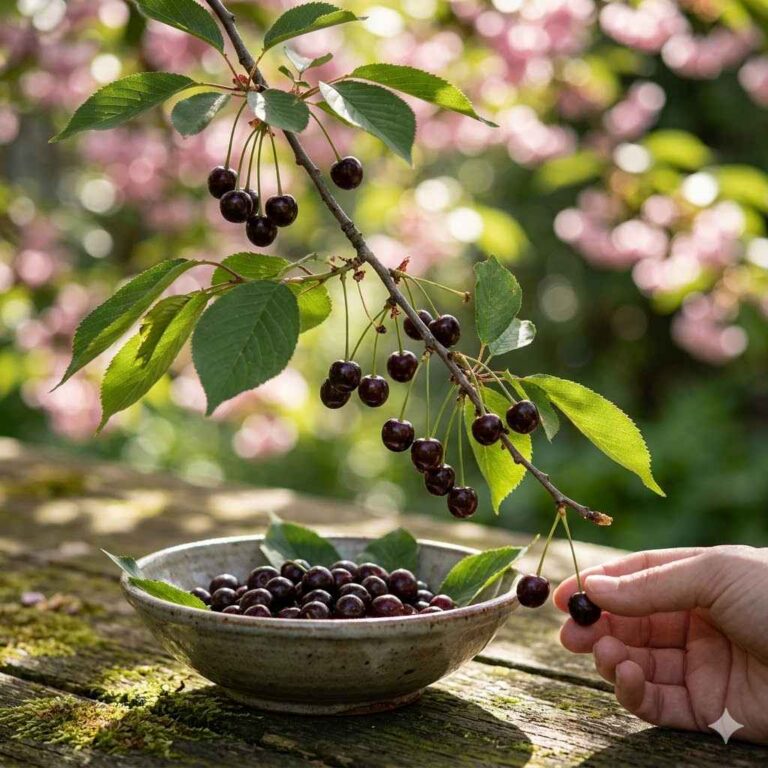
Even if it is a fruit-bearing cherry tree, not all varieties are ideal for blossoms. The best ones are often specific cultivars. These are bred for certain qualities.
Know the Source
Where are the blossoms coming from? Are they from your own garden? Do you know for sure they haven’t been sprayed? Are they from a wild tree you found? Wild trees might be near busy roads. They could pick up pollution.
If you are buying them, make sure they are from a trusted source. Look for products specifically labeled as edible. Japanese food stores often sell them. They will be prepared for eating.
Quick Check: Is This Blossom Safe?
Ask Yourself:
- Do I know for sure this is an edible variety?
- Has this tree been sprayed with any chemicals?
- Is this flower from a clean environment, away from pollution?
- Am I buying this from a trusted seller of edible flowers?
If you answer “no” to any of these, it’s best not to eat it.
Avoid Pesticides and Pollution
This is a big one. Many garden centers sell ornamental cherry trees. These are beautiful but not for eating. They are often treated with pesticides. These pesticides keep the bugs away. But they are harmful if you eat them.
Also, think about where the tree is. If it’s by a busy road, it might have pollution on it. If it’s in a park where people walk dogs, it might not be clean. The safest bet is a tree you know well. Or blossoms you buy that are made for eating.
Allergies are Possible
Like any food, you can be allergic to cherry blossoms. Even if they are safe, your body might react. It’s like eating strawberries for the first time. Some people get a rash. It’s wise to try a very small amount first. See how your body feels. This is true for any new food.
Contrast: Edible vs. Ornamental Cherries
Edible Cherry Blossoms:
- Specific varieties (like Oshima cherry).
- Grown and harvested for consumption.
- Often pickled or preserved.
- Safe if sourced properly.
Ornamental Cherry Blossoms:
- Primarily for decoration.
- May be sprayed with pesticides.
- Not intended for eating.
- Can be toxic or harmful if consumed.
How Cherry Blossoms Are Prepared for Eating
If you have safe cherry blossoms, how do you eat them? The most common method involves pickling.
Pickling Cherry Blossoms
This is the traditional Japanese way. It’s how they are preserved. It also changes their flavor.
1. Harvesting: Pick fresh blossoms when they are fully open. Do this in the morning after the dew has dried.
2. Cleaning: Gently rinse the blossoms. Remove any insects or debris.
3. Salting: This is a key step. The blossoms are packed with salt. This draws out moisture. It also helps preserve them. The salt also makes them edible. It neutralizes some compounds.
4. Rinsing and Squeezing: After salting, they are rinsed well. Then, they are squeezed to remove more water.
5. Pickling: They are then pickled in a brine. This brine often contains plum vinegar. This gives them a pink color.
The result is a salty, slightly sour blossom. It has a unique floral aroma.
Using Pickled Cherry Blossoms
Once pickled, they are ready to use.
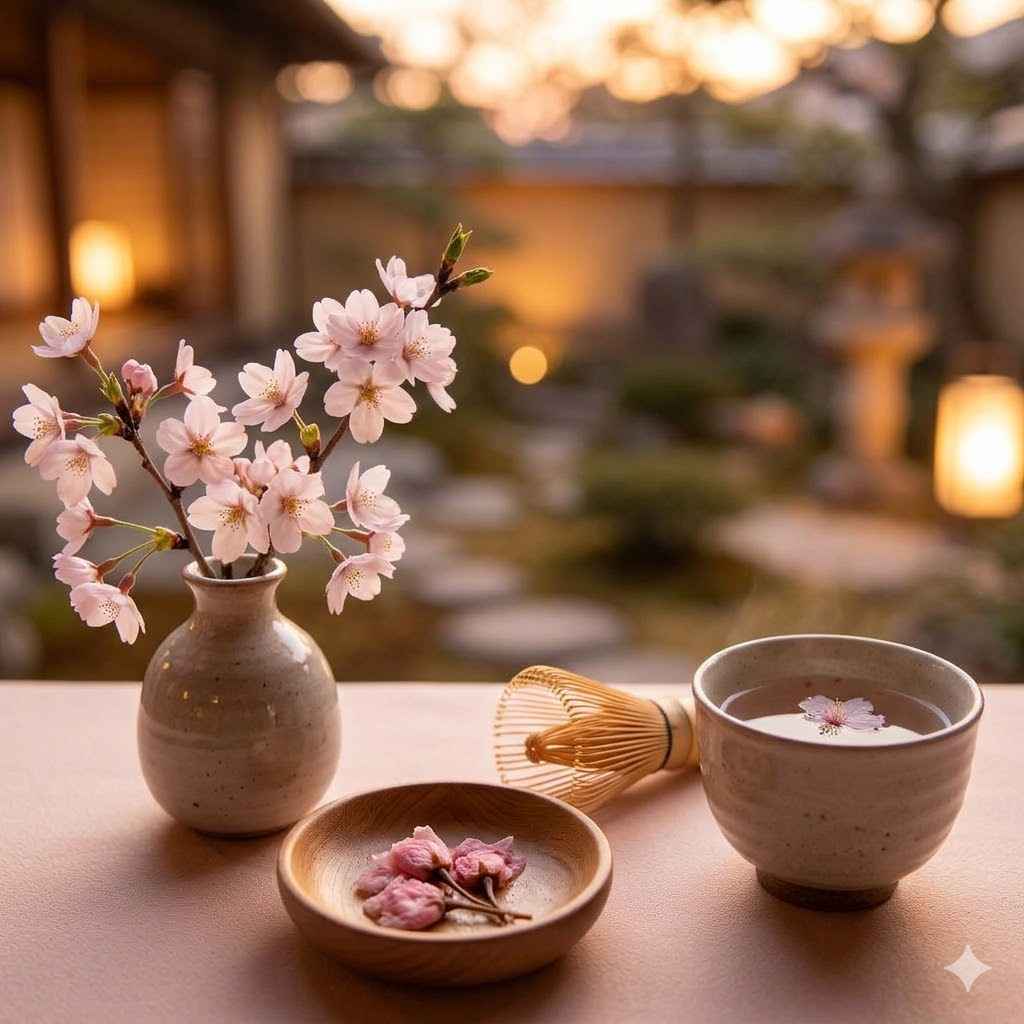
Sakura Tea (Sakura-yu): This is very popular. You place one or two pickled blossoms in a cup. Pour hot water over them. The blossom unfurls. It releases its scent and flavor. It’s a beautiful drink.
Flavoring Rice: A pickled blossom can be added to steamed rice. It gives the rice a subtle floral note.
Sweets and Desserts: They are used to decorate cakes. They are also mixed into mochi (rice cakes). They add a unique touch to pastries.
Savory Dishes: Sometimes, they are added to stir-fries or as a garnish.
Can You Eat Them Fresh?
Eating fresh cherry blossoms is less common. They have a more delicate flavor. They can also be slightly bitter. They don’t last long. Fresh petals can be added to salads. They are best used right away.
If you try fresh petals, make sure they are from a known edible variety. And make sure they haven’t been treated. Remove the stamen and pistil. Then, you can try a few petals.
Quick Scan: Ways to Enjoy Cherry Blossoms
| Method | Description | Flavor Profile |
| Pickling | Preserving in salt and brine. | Salty, sour, floral aroma. |
| Sakura Tea | Steeping pickled blossoms in hot water. | Delicate, floral, slightly salty. |
| Flavoring Rice | Mixing into cooked rice. | Subtle floral notes. |
| Fresh Petals | Adding raw petals to dishes. | Mild, sometimes slightly bitter. |
Real-World Context: Cherry Blossoms in Cuisine
The use of cherry blossoms in food is deeply tied to culture. It’s more than just eating a flower. It’s about tradition.
Japanese Traditions
In Japan, the cherry blossom season is a big event. It’s called hanami. People gather under the trees to picnic. While most people admire the beauty, a small part of the tradition involves culinary uses. The pickled blossoms are a special treat. They are not everyday food. They are often reserved for celebrations.
The flavors are subtle. They are meant to complement other foods. They are not overpowering. This is typical of Japanese cuisine. It focuses on natural tastes.
Beyond Japan
In other parts of the world, eating flowers is becoming more popular. People are exploring edible flowers for decoration and flavor. However, cherry blossoms are not as widely known for this outside of Japan. This is likely due to the safety concerns. Many people don’t know which ones are safe. Or how to prepare them.
If you want to try them, looking for imported Japanese ingredients is a good start. Or you could try growing your own edible variety.
What This Means for You: When to Enjoy and When to Avoid
So, can you eat cherry blossoms? The answer is nuanced.
When It’s Okay
You have confirmed you have an edible variety of cherry tree.
You have safely harvested the blossoms yourself, away from chemicals.
You have purchased commercially prepared, edible cherry blossoms from a trusted source.
You are prepared to clean and potentially pickle them for best results.
When to Be Cautious (or Avoid)
You found blossoms in a public park or roadside.
You are unsure of the tree’s variety or if it has been sprayed.
You see any signs of disease or damage on the blossoms.
You have known flower allergies.
It’s always better to be safe than sorry. If you have any doubt, do not eat them.
Simple Checks You Can Do
Before considering eating blossoms from your own tree:
1. Research the Variety: Find out the exact type of cherry tree you have. Is it known for edible flowers?
2. Observe the Tree: Has it been treated with anything? Are there warning signs about spraying?
3. Inspect the Blossoms: Look for any discoloration or spots. They should look fresh and healthy.
4. Taste Test (Tiny Amount): If you are sure they are safe, try just one petal. Wait to see if you have any reaction.
Quick Tips for Trying Edible Flowers
If you’re interested in edible flowers, cherry blossoms are just one option. Here are some tips:
Start Small: Always try a tiny bit first.
Know Your Source: Buy from reputable growers or suppliers.
Identify Correctly: Be 100% sure of the flower’s identity.
Wash Gently: Rinse under cool water. Pat dry.
Remove Non-Edible Parts: Take out stamens, pistils, or tough centers.
Consider Flavor: Think about how the flower’s taste will work with your dish.
Frequently Asked Questions About Cherry Blossoms
Are all cherry blossoms safe to eat?
No, not all cherry blossoms are safe to eat. Some varieties are ornamental and may be treated with pesticides. Only specific types, like those cultivated in Japan, are considered edible.
Always be certain of the source and type before consuming.
What do cherry blossoms taste like?
When properly prepared, such as pickled, cherry blossoms have a unique salty and slightly sour taste with a delicate floral aroma. Fresh petals can be mild and sometimes a little bitter. The flavor is subtle and not overpowering.
How do you prepare cherry blossoms for eating?
The most common preparation is pickling. This involves salting the blossoms, rinsing them, and then preserving them in a brine, often with plum vinegar. This process makes them safe and imparts a distinct flavor.
They are then used in teas, rice dishes, and sweets.
Can I eat cherry blossoms from my garden?
You can eat cherry blossoms from your garden only if you are certain it is an edible variety and has not been treated with any pesticides or chemicals. If you are unsure, it’s best to avoid eating them. Ornamental varieties are not safe for consumption.
Where can I buy edible cherry blossoms?
Edible cherry blossoms, usually in pickled form, can often be found in Japanese grocery stores or specialty food markets. Look for products specifically labeled as edible or intended for culinary use. They might be sold under names like “sakura-zuke.”
What are the risks of eating non-edible cherry blossoms?
Eating non-edible cherry blossoms can be risky. They may contain pesticides that are harmful if ingested. Some parts of certain cherry trees can also be toxic.
Always prioritize safety and only consume blossoms from known edible sources.
Conclusion
Cherry blossoms are a symbol of beauty and spring. While they are not a common food item everywhere, they can be enjoyed in certain cultures. The key is knowledge and caution. Always be sure of your source. Know the variety. Prepare them correctly. With the right approach, you can safely experience the subtle flavors of the cherry blossom. But if in doubt, admire their beauty from afar.
Sponsored / affiliate links. As an Amazon Associate I earn from qualifying purchases. I may earn additional commission from eligible campaigns.