Can Cherry Trees Grow in Pots? Yes, With a Dwarf Variety
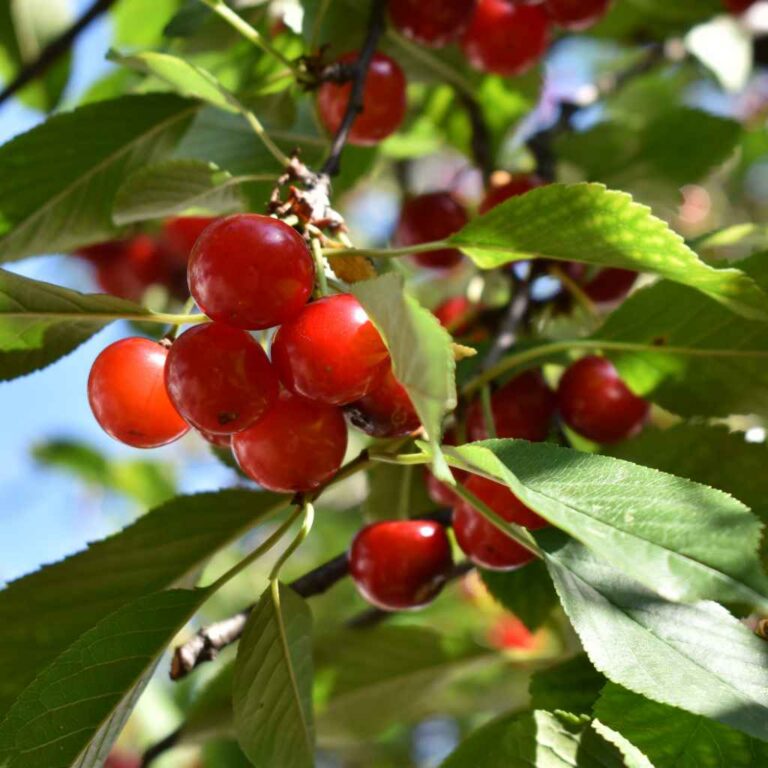
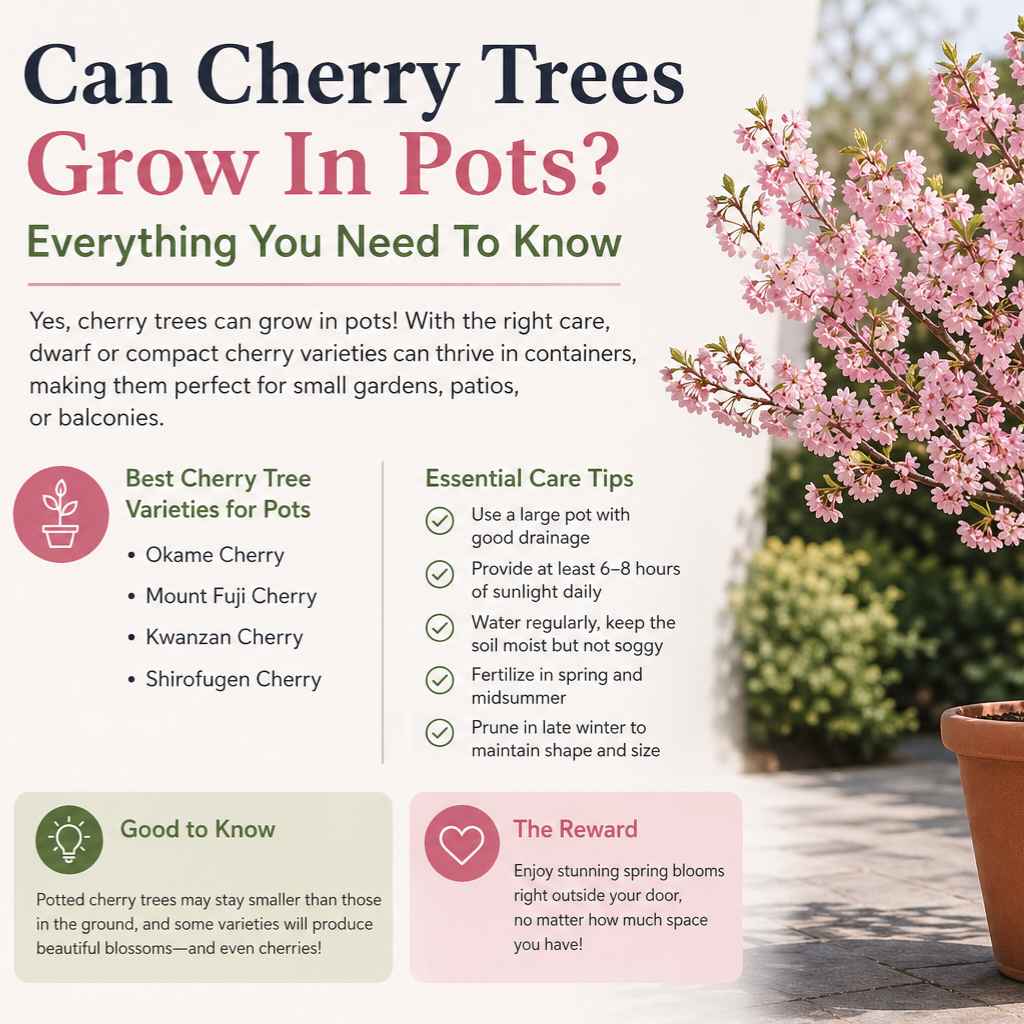
Yes, cherry trees can absolutely grow in pots. Choosing the right dwarf or semi-dwarf variety is key. With proper care, including the right soil, watering, sunlight, and pruning, you can enjoy fresh cherries even in small spaces like balconies or patios.
Can Cherry Trees Grow in Pots?
The short answer is a resounding yes! It might sound a little strange at first. A big, sprawling cherry tree in a little pot?
But with the right approach, it’s very doable. Many people are surprised to learn this. They think fruit trees need tons of ground space.
This isn’t always true, thanks to modern fruit tree breeding.
Special varieties have been developed. These are called dwarf or semi-dwarf trees. They are bred to stay smaller.
Their size makes them perfect for pots. They don’t get as tall or wide as their full-sized cousins. This is great news for anyone with limited yard space.
Or even for those who live in apartments with balconies.
Think about it. You can have a beautiful, flowering tree that also gives you fruit. All on your patio or deck.
It’s a fantastic way to add beauty and food to your home. Even if your home is small. The goal is to choose wisely.
And then give the tree the right kind of care it needs.
We’ll explore what makes this possible. We will look at the types of trees best suited for this. We will also cover what they need to thrive.
This includes the pot itself, the soil, and how to care for them all year round.
Choosing the Right Cherry Tree for Pots
Not all cherry trees are created equal when it comes to pot growing. The most important factor is the size of the tree. You need to look for specific types.
These are usually labeled as “dwarf” or “semi-dwarf.” These terms are important clues for success.
Dwarf trees are bred to stay small. They typically reach heights of about 6 to 10 feet. Semi-dwarf trees are a bit larger.
They usually grow to about 10 to 15 feet. Both can work in containers. But dwarf varieties are generally easier to manage in pots.
They require less heavy pruning.
Another thing to consider is pollination. Some cherry trees are self-pollinating. This means they can produce fruit with just one tree.
Others need a second, different cherry tree nearby to pollinate them. If you only have space for one tree, a self-pollinating variety is your best bet. Look for terms like “self-fruitful” or “self-fertile” on the plant tag.
Popular dwarf varieties that do well in pots include:
- ‘Carmine Jewel’: A tart cherry, great for pies and jams. It’s very hardy.
- ‘North Star’: Another tart cherry known for good fruit production. It’s a popular choice.
- ‘Montmorency’: While often a full-sized tree, it can be grafted onto dwarfing rootstock to keep it smaller.
- ‘Stella’: This is a sweet cherry variety that is self-pollinating. A great option for eating fresh.
- ‘Lapins’: Another self-pollinating sweet cherry. It is known for its large, firm fruit.
When you buy your tree, it will likely be a bare-root tree or a potted one. Bare-root trees are usually planted in late winter or early spring. Potted trees can be planted more when the weather is good.
Always check the specific instructions for the tree you choose. The nursery or garden center can offer great advice too.
It’s exciting to pick out your tree. Imagine it flowering in the spring and then bearing fruit later. Even a small tree can give you a good harvest.
It’s a rewarding process.
Dwarf vs. Semi-Dwarf in Pots
Dwarf Trees:
- Height: 6-10 feet
- Easier to manage in pots.
- Less pruning needed.
Semi-Dwarf Trees:
- Height: 10-15 feet
- Can still work, but needs more space.
- May need more pruning.
The Perfect Pot and Soil
Choosing the right container is super important. It’s like giving your tree its home. A pot that’s too small can stunt its growth.
It can also lead to the soil drying out too fast.
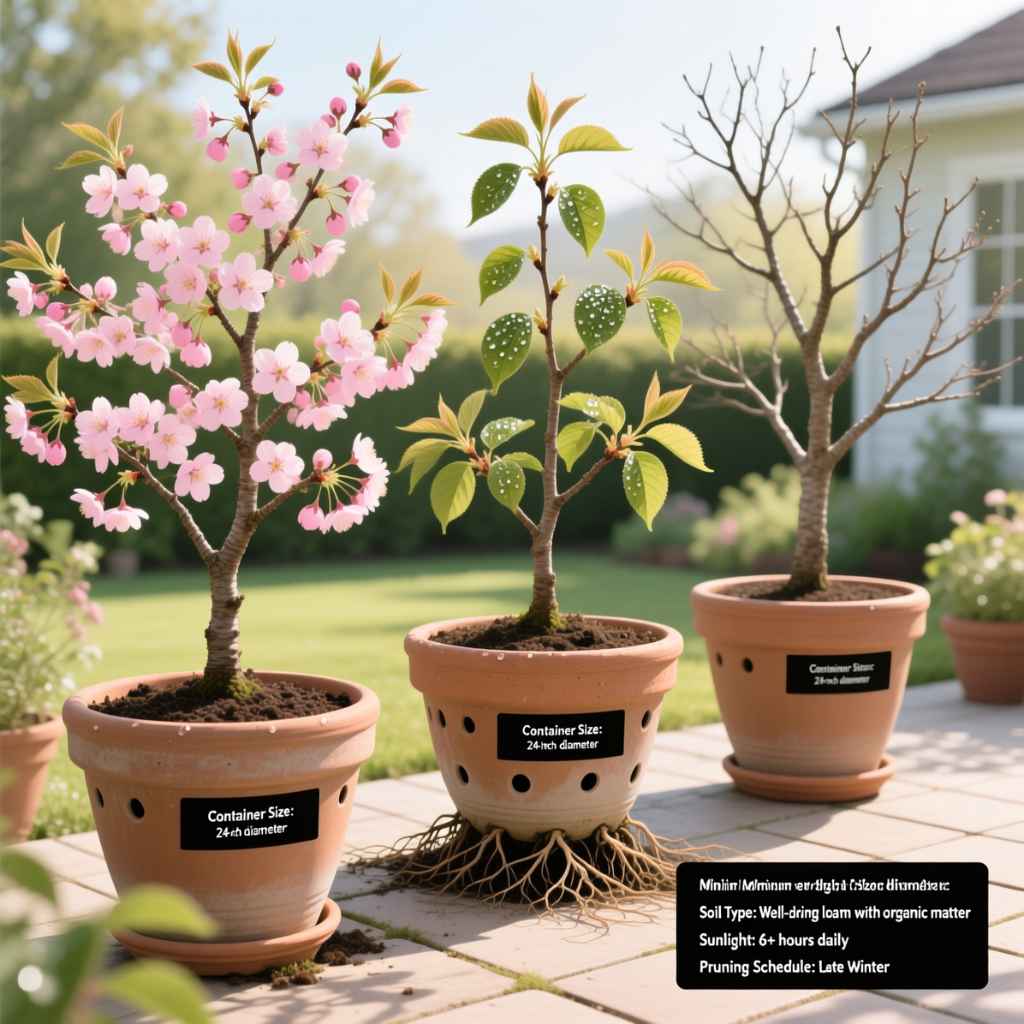
For a young dwarf cherry tree, start with a pot that is at least 15 to 20 gallons in size. As the tree grows, you will need to move it to a larger pot. Usually, you’ll go up to a 25 or 30-gallon pot.
Some people even use large fabric grow bags. These are great because they help with air circulation to the roots.
The material of the pot matters too. Terracotta pots look nice. But they can dry out very quickly.
Plastic pots retain moisture better. Wooden planters can also work. Make sure any pot you choose has good drainage holes.
Waterlogged roots are a cherry tree’s enemy. They can lead to root rot.
Now, let’s talk about the soil. You can’t just use dirt from your garden. Garden soil can become too compacted in a pot.
This stops water and air from reaching the roots. You need a good quality potting mix. Look for a mix that is designed for containers.
A good potting mix should be light and airy. It should also drain well. You can create your own mix too.
A common recipe is 1 part compost, 1 part peat moss or coco coir, and 1 part perlite or coarse sand. The perlite or sand helps with drainage. The compost adds nutrients.
When you plant your cherry tree, make sure the soil level is right. The top of the root ball should be about an inch or two below the rim of the pot. This leaves space for watering.
Gently pack the soil around the roots. Don’t pack it too tightly.
I remember the first time I tried growing a dwarf apple tree in a pot. I used a pot that was way too small. The soil dried out in a day!
The leaves started to droop. I felt terrible. It was a good lesson.
The right pot and soil are the foundation for a happy tree. It’s not just about the tree itself.
Potting Mix Essentials
Key Ingredients:
- Compost: For nutrients and organic matter.
- Peat Moss / Coco Coir: Helps retain moisture.
- Perlite / Coarse Sand: For excellent drainage.
Why it matters:
- Prevents soil compaction.
- Ensures air and water reach roots.
- Avoids root rot.
Sunlight and Watering Needs
Cherry trees are sun-lovers. They need plenty of sunlight to grow well and produce fruit. In fact, they need at least 6 to 8 hours of direct sunlight every day.
More is even better. This is why placing your potted cherry tree in a sunny spot is critical.
A south-facing balcony or patio is often ideal. If you don’t have a spot that gets that much sun all day, try to move the pot. You can move it to follow the sun.
This might be a bit of work. But it can make a big difference for your tree’s health and fruit production.
When it comes to watering, this is where many container gardeners get a little nervous. It’s a fine balance. You don’t want the soil to be too wet.
But you also don’t want it to dry out completely.
The frequency of watering depends on several factors. These include the size of the pot, the type of potting mix, the weather, and the size of the tree. In hot, dry weather, you might need to water your cherry tree every day.
In cooler, more humid weather, you might only need to water it every few days.
The best way to know when to water is to check the soil. Stick your finger about 2 inches into the soil. If it feels dry, it’s time to water.
If it feels moist, wait a bit longer. Always water deeply. Water until you see it coming out of the drainage holes at the bottom of the pot.
Overwatering is a common mistake. It can lead to root rot. This is a serious problem for any plant, especially one in a pot.
Signs of overwatering include yellowing leaves and wilting, even when the soil is wet. Underwatering can also cause problems. The leaves might turn brown and crispy, and the fruit might drop off.
When I lived in Arizona, the sun was intense. My potted lemon tree would dry out so fast. I learned to check it twice a day during the hottest months.
It’s a constant learning process. For cherry trees, consistent moisture is good, but never soggy.
If you’re going on vacation, consider asking a neighbor to water for you. Or you can use self-watering pots. These have a reservoir that releases water slowly.
Another option is to use a drip irrigation system. This can help keep the soil consistently moist.
Watering Wisdom
Check the Soil:
- Test: Stick your finger 2 inches deep.
- Dry? Water now.
- Moist? Wait longer.
Watering Technique:
- Deeply: Water until it drains from the bottom.
- Avoid Overwatering: Prevent root rot.
- Avoid Underwatering: Prevent leaf crisping and fruit drop.
Feeding Your Potted Cherry Tree
Even in a pot, your cherry tree needs nutrients to grow strong and produce fruit. The potting mix provides some food at first. But this will be used up over time.
So, feeding your tree is essential.
You can use a balanced fertilizer. Look for one that is formulated for fruit trees. A common choice is a fertilizer with an N-P-K ratio like 10-10-10.
N-P-K stands for Nitrogen, Phosphorus, and Potassium. These are the main nutrients plants need.
Fertilize your cherry tree in early spring. This is just as new growth starts. You can also fertilize again in early summer.
But avoid fertilizing too late in the season. This can encourage new growth that might be damaged by early frost. It can also interfere with the tree’s natural dormancy cycle.
Follow the instructions on the fertilizer package carefully. Too much fertilizer can harm your tree. It can burn the roots.
It’s often better to use a little less than the recommended amount. You can always add more if needed. But you can’t take it away if you use too much.
Organic options are also great for feeding your tree. Compost tea is a fantastic liquid fertilizer. You can also top-dress the soil with a fresh layer of compost once a year.
This slowly releases nutrients. It also helps improve the soil structure.
Remember that the amount of fertilizer needed will depend on the size of the tree and the pot. A larger tree in a larger pot will need more food than a smaller one. Over time, as the tree matures, its nutrient needs might change.
I find feeding my plants very satisfying. It feels like I’m giving them exactly what they need. It’s like preparing a healthy meal.
It’s important to pay attention to the signs the plant gives you. Yellowing leaves can sometimes mean it needs food. But it can also mean other things, like overwatering.
So, it’s a puzzle.
Feeding Schedule
When to Feed:
- Early Spring: As new growth begins.
- Early Summer: For continued fruit development.
What to Use:
- Balanced Fertilizer: (e.g., 10-10-10 for fruit trees).
- Organic Options: Compost tea, top-dressed compost.
Important Note: Follow package directions carefully to avoid burning roots.
Pruning Your Potted Cherry Tree
Pruning is a crucial part of growing a cherry tree in a pot. It helps keep the tree at a manageable size. It also encourages better fruit production.
And it helps maintain the tree’s health.
The best time to prune most cherry trees is in late winter or early spring. This is when the tree is dormant. Pruning before new growth starts allows the tree to heal quickly.
It also makes it easier to see the tree’s structure without leaves. You can also do light pruning after fruiting in the summer.
When you prune, you want to shape the tree. Aim for an open, vase-like shape. This allows sunlight to reach all parts of the tree.
It also helps with air circulation. This can prevent diseases.
Here are some things to look for when pruning:
- Dead, Damaged, or Diseased Branches: Remove these anytime you see them. They can spread problems.
- Crossing Branches: Branches that rub against each other can cause wounds. Prune one of them.
- Water Sprouts and Suckers: Water sprouts are fast-growing vertical shoots. Suckers grow from the base of the tree. Remove these as they can drain energy from the main tree.
- Branches Growing Inward: Branches that grow towards the center of the tree can crowd the space. Prune them out.
When making cuts, use clean, sharp pruning shears or a pruning saw. Make cuts just outside the branch collar. This is a slightly swollen area where the branch meets the trunk.
Avoid leaving stubs. These can invite pests and diseases.
For dwarf trees, you might need to do some “heading back.” This means cutting back the tips of branches. This encourages the tree to become bushier. It also helps control its height.
Don’t remove more than one-third of the tree’s canopy at one time. Over-pruning can shock the tree.
I used to be terrified of pruning. I always thought I would hurt the plant. But once I learned the basics, it became much less scary.
It’s like giving the tree a haircut. It looks better and grows better afterwards. For potted trees, this control is even more important.
Pruning Pointers
When:
- Late Winter/Early Spring: Best for dormant pruning.
- Summer: For light shaping after harvest.
Why:
- Control size and shape.
- Encourage fruit.
- Improve health and air circulation.
What to Remove:
- Dead, damaged, or diseased branches.
- Crossing branches.
- Water sprouts and suckers.
Pest and Disease Control for Potted Trees
Even though your cherry tree is in a pot, it can still attract pests and diseases. However, being in a pot can sometimes make them easier to manage. You have more control over their environment.
Common pests that might bother cherry trees include:
- Aphids: Small, green or black insects that cluster on new growth. They suck sap from the leaves.
- Spider Mites: Tiny pests that cause stippling (tiny dots) on leaves. They thrive in hot, dry conditions.
- Borers: Larvae that bore into the trunk or branches. They can weaken and kill the tree.
Diseases to watch out for include:
- Brown Rot: A fungal disease that causes blossoms to wither and fruit to rot. It’s common in humid weather.
- Powdery Mildew: A white, powdery coating on leaves and stems. It’s also a fungal issue.
- Bacterial Canker: Causes wilting leaves and oozing sap from the bark.
The good news is that with careful observation and prompt action, you can usually keep these problems in check. A healthy tree is less susceptible to pests and diseases.
For pests like aphids and spider mites, often a strong spray of water can dislodge them. You can also use insecticidal soap or neem oil. These are less toxic options.
Always test on a small part of the tree first.
For fungal diseases, good air circulation is key. Pruning helps with this. Removing infected parts of the tree promptly is also important.
Fungicides can be used if the problem becomes severe. Look for products specifically recommended for fruit trees.
It’s a good idea to inspect your tree regularly. Check the leaves, branches, and trunk. Look for any unusual spots, discoloration, or tiny insects.
Catching problems early is always easier to fix.
I once had a terrible aphid infestation on my rose bush. It was overwhelming. I felt so discouraged.
But then I learned about neem oil. I sprayed it consistently. Within a few weeks, the aphids were gone.
It taught me that even big problems can be solved with the right tools and patience. For potted trees, you can often isolate them and treat them more easily than in-ground trees.
Pest Patrol
Common Pests:
- Aphids: Can be washed off with water.
- Spider Mites: Thrive in dry air; increase humidity.
- Borers: Inspect for entry holes.
Common Diseases:
- Brown Rot: Remove infected parts immediately.
- Powdery Mildew: Ensure good air circulation.
- Bacterial Canker: Proper pruning is key.
Prevention is Key: A healthy tree is your best defense.
Overwintering Your Potted Cherry Tree
In many parts of the United States, winter brings cold temperatures. Cherry trees need a period of cold to rest. This is called dormancy.
But potted trees are more vulnerable to freezing temperatures than trees in the ground. Their roots are exposed.
The exact overwintering strategy depends on your climate zone. If you live in a mild climate (USDA Zones 7-8 and warmer), your tree might be okay outdoors. You can protect the pot by wrapping it.
Use burlap, bubble wrap, or old blankets. You can also move the pot closer to the house. This offers some shelter.
If you live in a colder climate (USDA Zones 5-6), you will need to bring your tree indoors for the winter. The best place is usually an unheated garage, shed, or a cool basement. The temperature should ideally be between 20°F and 40°F (-6°C to 4°C).
Before bringing it inside, make sure the tree is clean. Check for any pests. Water the tree thoroughly before the first hard freeze.
Once indoors, the tree will go dormant. It won’t need much light. You will also need to water it very sparingly.
Check the soil every few weeks. Water only if the soil is dry to the touch.
When spring arrives and the danger of frost has passed, you can move your tree back outside. Gradually introduce it to sunlight. Don’t put it in full sun right away.
This can shock the tree. Start with a few hours of morning sun. Then increase the exposure over a week or two.
I learned this the hard way with a potted fig tree. I left it out during a bad freeze. It looked like a total loss.
But with careful pruning and patience, it came back. It was a good reminder that protecting them in winter is vital, especially for tender perennials and fruit trees.
Winter Protection
Mild Climates (Zones 7+):
- Wrap the Pot: Use burlap, bubble wrap, or blankets.
- Shelter: Move closer to the house or a protected wall.
Cold Climates (Zones 5-6):
- Bring Indoors: Unheated garage, shed, or cool basement (20-40°F).
- Water Sparingly: Check soil monthly; water only if dry.
- Acclimate in Spring: Gradually reintroduce to sunlight.
When to Expect Fruit
Patience is a virtue when growing fruit trees. Even dwarf varieties in pots. Most potted cherry trees will take about 2 to 4 years to start producing fruit.
Some might produce a few cherries in their second year. Others might need a full three or four years to establish themselves properly.
The first few harvests might be small. Don’t be discouraged by a light yield in the beginning. As the tree matures and its root system grows stronger in the pot, your harvests will increase.
Proper care, especially consistent watering and feeding, will contribute to good fruit production.
The quality of the fruit is often excellent. Homegrown cherries often taste much better than store-bought ones. They are picked at their peak ripeness.
They are also incredibly satisfying to eat, knowing you grew them yourself.
The blooming period is also a beautiful sight. Cherry blossoms are a lovely sign of spring. They fill the air with a sweet scent.
This visual appeal alone makes growing a cherry tree worthwhile for many. Even before the fruit ripens, the tree brings joy.
What’s amazing about growing fruit in pots is the flexibility. If you move house, you can take your tree with you. You can rearrange your patio to give it the best light.
It’s a living piece of decor that also feeds you. It truly connects you to nature, even in an urban setting.
Fruit Production Timeline
First Fruit: Typically 2-4 years after planting.
Yield: Expect small harvests initially. Yields increase as the tree matures.
Factors for Success:
- Adequate sunlight (6-8+ hours/day).
- Consistent watering.
- Appropriate feeding.
- Proper pruning.
Troubleshooting Common Issues
Sometimes, things don’t go perfectly. It’s normal for plants to have issues. Knowing what to look for can help you fix them before they become big problems.
Yellowing Leaves: This is a common symptom. It can be caused by several things. Overwatering is a frequent culprit.
But it can also mean the tree needs more nitrogen. Or it could be a sign of a pest problem. Check the soil moisture first.
If it’s wet, ease up on watering. If it’s dry, consider fertilizing. If you see tiny insects, it’s time to treat for pests.
Leaf Drop: Cherry trees can drop leaves for various reasons. In the fall, it’s normal as they prepare for dormancy. If it happens in the growing season, it could be stress.
This stress might come from lack of water, extreme heat, or transplant shock. Make sure the tree is getting enough water. Protect it from harsh sun if needed.
No Flowers or Fruit: This is disappointing. It’s usually a sign that the tree isn’t getting enough sun. Or it might be too young to produce.
For self-pollinating varieties, a lack of fruit could mean insufficient pollination. This is rare if the tree is healthy and has enough sun. Ensure it’s getting at least 6-8 hours of direct sun daily.
If it’s a young tree, just be patient.
Stunted Growth: If your tree isn’t growing much, it could be the pot is too small. Or the soil is compacted. Or it’s not getting enough nutrients.
Consider repotting into a larger container with fresh potting mix. Also, make sure it’s getting enough fertilizer and water.
Dealing with plant problems can feel like a puzzle. But it’s also a learning experience. Each issue teaches you more about how to care for your plant.
It builds your confidence as a gardener. My first year with tomatoes, I had blight. It was awful.
But I learned how to prevent it the next year. It’s all part of the journey.
Quick Fixes
Yellow Leaves: Check watering & nitrogen. Look for pests.
Leaf Drop (Growing Season): Check water, heat, transplant shock.
No Fruit: Insufficient sun? Too young? Pollination issues?
Stunted Growth: Pot too small? Soil compacted? Needs nutrients?
Is it Worth Growing Cherries in Pots?
Absolutely! For many people, growing cherries in pots is incredibly rewarding. It brings a touch of nature and a delicious harvest to even the smallest living spaces.
The beauty of the blossoms in spring is a bonus.
You get the satisfaction of growing your own food. You control what goes into the soil and onto your tree. You can enjoy fresh cherries right from your balcony or patio.
The effort you put in is directly rewarded.
It requires attention, yes. But it’s manageable. The key is choosing the right dwarf variety.
And providing consistent care. Think of it as a living, edible decoration. It’s an investment in your home and your well-being.
The connection to nature that gardening offers is powerful. Even a small potted tree can provide that. It’s a reminder of the cycles of nature.
And the joy of patience and nurturing. It’s a fantastic hobby.
Frequently Asked Questions About Potted Cherry Trees
What is the best time of year to plant a cherry tree in a pot?
The best time to plant a potted cherry tree is typically in early spring. This allows the tree to establish its roots before the heat of summer. If you buy a tree in a container, you can often plant it throughout the growing season, but spring is ideal for most situations.
How often do I need to repot a cherry tree growing in a container?
You will likely need to repot your cherry tree every 2 to 3 years. As the tree grows, its roots will fill the pot. Repotting into a slightly larger container (about 2-4 inches wider) every few years helps prevent the roots from becoming pot-bound and ensures continued healthy growth.
The best time to repot is in early spring before new growth begins.
Will my potted cherry tree need protection in the wind?
Yes, especially in exposed locations like balconies or patios. Strong winds can damage branches and dry out the soil very quickly. You may want to anchor the pot or move it to a more sheltered spot during very windy periods.
Ensuring the tree is well-watered also helps it withstand wind better.
Can I grow both sweet and tart cherries in pots?
Yes, you can grow both sweet and tart cherry varieties in pots, as long as you choose dwarf or semi-dwarf rootstock. Remember to check their pollination needs. For pots, self-pollinating varieties (like ‘Stella’ or ‘Lapins’ for sweet, and ‘Carmine Jewel’ for tart) are often the easiest choices if you only have space for one tree.
How much fruit can I expect from a potted cherry tree?
The amount of fruit can vary greatly. A young tree might produce a handful of cherries. A mature, well-cared-for dwarf tree in a large pot could yield anywhere from 5 to 15 pounds of fruit per year.
This depends on the variety, growing conditions, and pruning practices.
What if my cherry tree’s leaves are turning brown and crispy?
Brown and crispy leaves are usually a sign of underwatering or heat stress. Make sure your tree is receiving adequate water, especially during hot weather. If the soil is consistently dry, increase the frequency and depth of watering.
Also, ensure the tree is getting enough sunlight but isn’t exposed to scorching afternoon sun without any relief.
Final Thoughts on Potted Cherry Trees
Growing cherry trees in pots is an achievable goal. It brings a unique beauty and delicious fruit to your doorstep. With the right dwarf variety, a suitable pot, and attentive care, you can enjoy this rewarding experience.
Embrace the process. Watch your tree flourish. And savor the sweet taste of homegrown cherries!
Sponsored / affiliate links. As an Amazon Associate I earn from qualifying purchases. I may earn additional commission from eligible campaigns.