Ash Afinomosia: Proven Essential Guide
Learn how to identify, work with, and care for Ash Afromosia lumber. This beginner-friendly guide offers proven techniques for bringing this stunning wood into your woodworking projects for beautiful, long-lasting results.
Woodworking can be a truly rewarding hobby, but choosing the right materials can sometimes feel overwhelming. When you’re starting out, you want a wood that’s not only beautiful but also forgiving to work with and built to last. That’s where Ash Afromosia shines! This guide is designed to make understanding and using this fantastic wood simple and straightforward, even if you’ve never picked up a saw before. Let’s unlock the secrets of Ash Afromosia together, so you can build projects you’ll be proud of.
What is Ash Afromosia? A Wood Like No Other
Ash Afromosia, often simply called Afromosia, is a tropical hardwood that has gained a lot of attention in the woodworking world for its unique qualities. It’s native to West Africa and is known for its striking appearance and impressive durability. It’s a popular choice for furniture, flooring, and decorative elements because it looks great and stands up to a lot of use. Think of it as a wood that combines elegance with toughness, making it a fantastic option for both hobbyists and seasoned professionals.
Appearance: More Than Just Pretty
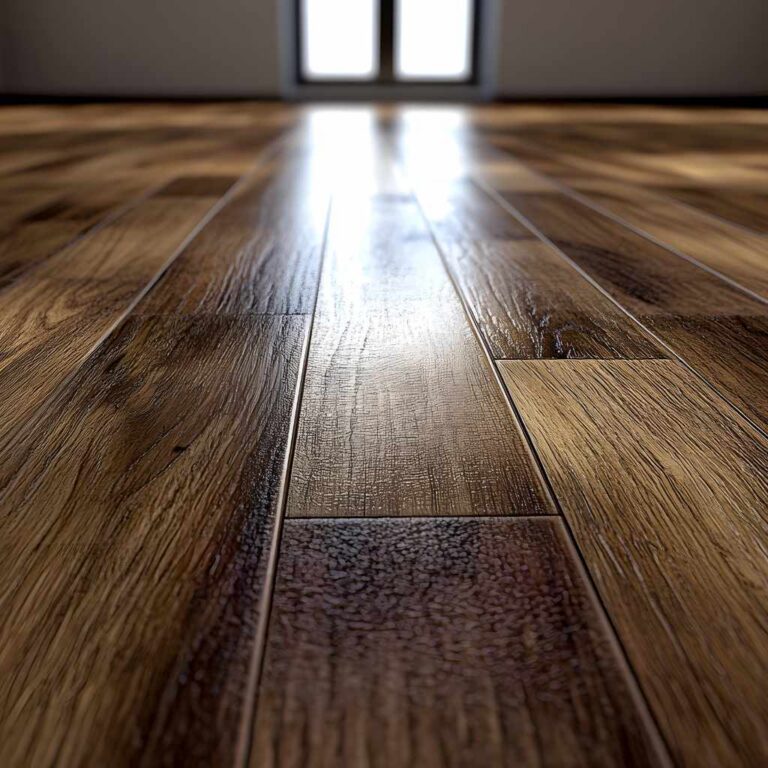
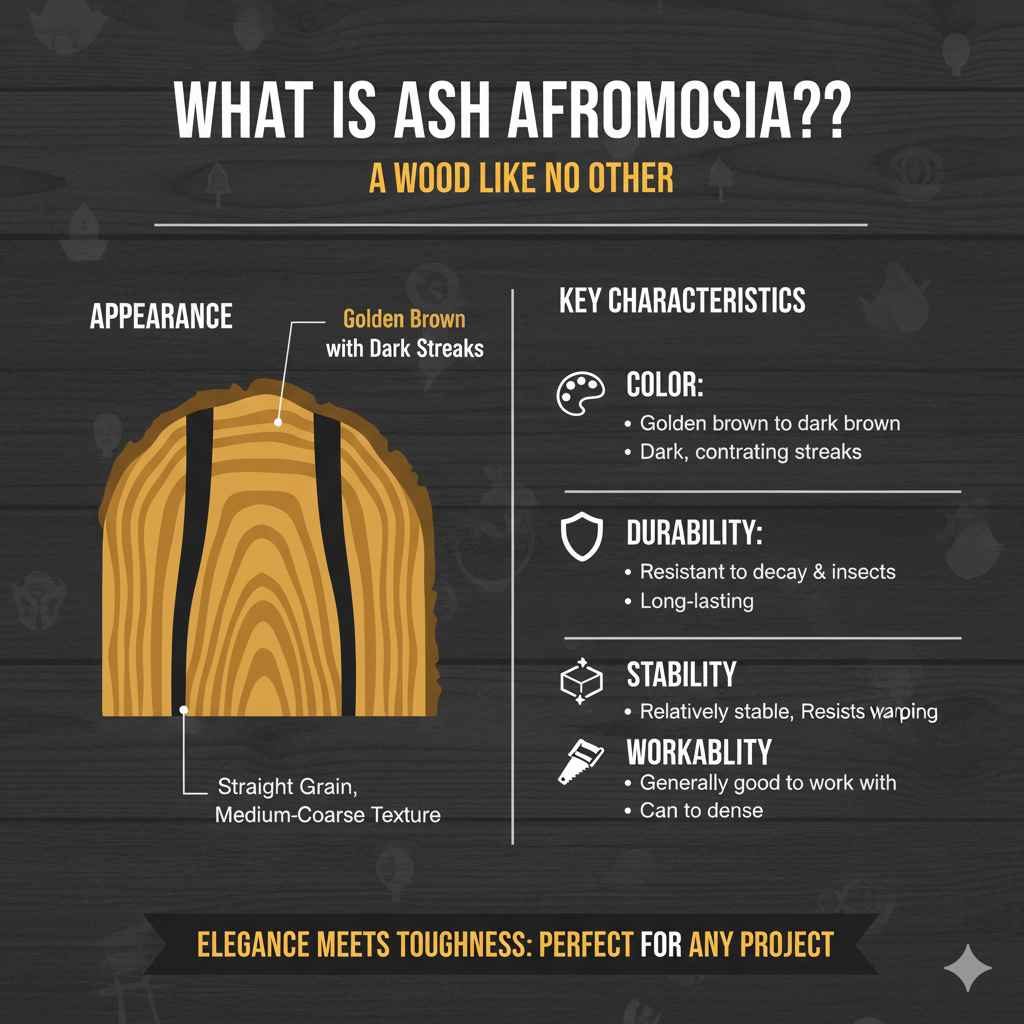
One of the first things you’ll notice about Ash Afromosia is its color. It typically ranges from a lovely golden brown to a richer dark brown. But what makes it really special are the darker, almost black streaks that often run through the grain. These contrast beautifully with the lighter wood, giving each piece a unique and natural pattern. It’s this natural variation that makes every project made with Afromosia a true one-of-a-kind piece. The grain itself is usually straight, which makes it easier to work with compared to some more wild-grained woods like walnut or cherry.
Key Characteristics of Ash Afromosia
- Color: Golden brown to dark brown, often with dark, contrasting streaks.
- Grain: Usually straight, with a medium to coarse texture.
- Durability: Naturally resistant to decay and insect damage, making it a long-lasting choice.
- Stability: It’s relatively stable, meaning it won’t expand or contract too much with changes in humidity, which is great for furniture that needs to stay put.
- Workability: Generally good to work with, though it can be a little dense.
Why Choose Ash Afromosia for Your Projects?
As a beginner, you want materials that help you succeed. Ash Afromosia offers several advantages that make it ideal for those just starting their woodworking journey:
- Forgiving Nature: While it’s a hardwood, Afromosia is less prone to splintering than some other dense woods when cut correctly. This means fewer frustrating mistakes and a smoother learning curve.
- Durability for Real-World Use: Your projects will last! Whether it’s a simple shelf, a bedside table, or something more ambitious, Afromosia’s natural resistance to wear and tear means your handcrafted items will look good for years to come, even with regular use.
- A Touch of Elegance: Even simple projects gain a sophisticated look thanks to Afromosia’s rich color and striking grain patterns. It elevates everyday items into statement pieces.
- Natural Resistance: You don’t have to worry as much about moisture or pests damaging your work, especially if it’s going to be used in areas where these might be concerns.
- Good Value for Quality: While not the cheapest wood, Afromosia offers excellent value for its durability and aesthetic appeal. You get a premium look and feel without the premium price tag of some exotic hardwoods.
Working with Ash Afromosia: Tools and Techniques
Even though Afromosia is friendly to beginners, like any wood, it requires the right approach and sharp tools. Using the correct techniques will make the process enjoyable and ensure your projects look their best. Remember, safety first in the workshop!
Essential Tools for Working with Afromosia
Having the right tools makes all the difference. Here’s a basic list to get you started:
- Measuring Tape and Pencil: For accurate marking.
- Saw: A hand saw will work for small projects, but a circular saw or miter saw will make cuts faster and straighter. Ensure your blades are sharp!
- Drill and Drill Bits: For making pilot holes and assembling pieces.
- Screwdriver or Drill Driver: To drive screws.
- Sander (Orbital or Belt) and Sandpaper: A variety of grits, from coarse (around 80-100 grit) to fine (220 grit or higher), for smoothing.
- Wood Glue: A strong, reliable adhesive for joining pieces.
- Clamps: Essential for holding pieces together while the glue dries.
- Safety Glasses: Always protect your eyes!
- Dust Mask: Especially important when sanding.
Cutting and Shaping Afromosia
Afromosia can be a bit dense, so keeping your saw blades sharp is crucial. Dull blades can lead to splintering and choppy cuts, which are frustrating for any woodworker, especially beginners. When cutting, take your time and let the saw do the work. For the straightest cuts, consider using a guide or a miter saw.
When it comes to shaping, Afromosia responds well to routing and carving. However, because of its density, it’s best to make detailed cuts in multiple passes rather than trying to remove a lot of material at once. This will give you more control and prevent tear-out.
Drilling and Fastening
Before driving screws into Afromosia, it’s always a good idea to drill pilot holes. This prevents the wood from splitting, especially near the edges, and makes it much easier to drive the screws straight. The size of the pilot hole should be slightly smaller than the screw’s shank diameter.
When using wood glue, ensure a good, tight fit between the pieces. Apply a thin, even layer of glue. Clamp the pieces securely, but not so tight that you squeeze all the glue out. Wipe away any excess glue that squeezes out with a damp cloth before it dries.
Sanding and Finishing
Sanding is key to achieving that smooth, professional finish. Start with a coarser grit sandpaper (like 80 or 100) to remove any rough spots or saw marks. Then, gradually move to finer grits (120, 150, 180, and finally 220 or even higher). Always sand with the grain. This is one of the most important steps for getting a beautiful finish.
Afromosia takes finishes very well. You can choose from:
- Oils (like Tung oil or Danish oil): These enhance the natural color and grain of the wood, giving it a warm, natural look. They are also easy to reapply if the surface gets scratched or worn over time.
- Polyurethane/Varnishes: These provide a durable protective layer, perfect for tabletops or items that will see a lot of wear. They come in different sheens, from matte to glossy.
- Stains: If you want to alter the color, Afromosia can be stained, though its natural color is usually so attractive that many prefer to let it shine through.
Always test your chosen finish on a scrap piece of Afromosia first to see how it looks. Apply finishes in a well-ventilated area and follow the manufacturer’s instructions carefully.
Ash Afromosia vs. Other Common Woods
To help you make informed choices, let’s compare Ash Afromosia to some other popular woods you might encounter. This will give you a better sense of its place in the woodworking world.
| Feature | Ash Afromosia | Oak | Pine | Walnut |
|---|---|---|---|---|
| Color | Golden to dark brown with dark streaks | Light brown to reddish-brown, prominent grain | Pale yellow to light brown, often with knots | Rich dark brown, can have lighter streaks |
| Hardness (Janka Scale) | ~1900 lbf | ~1290 lbf (Red Oak) | ~690 lbf (Eastern White Pine) | ~1010 lbf |
| Durability | High, resistant to decay/insects | Good, durable but susceptible to rot | Low, prone to dents and damage | Good, but can be softer |
| Workability | Good, dense, takes finishes well | Good, but can be prone to splintering | Very easy, soft, prone to dents | Good, but can be oily |
| Cost | Mid-range to High | Mid-range | Low | High |
| Typical Use | Furniture, flooring, high-end cabinetry, boat building | Furniture, cabinetry, flooring, structural | DIY projects, framing, temporary structures, simple furniture | Fine furniture, cabinetry, decorative items |
As you can see, Afromosia often sits in a sweet spot. It’s harder and more durable than pine and walnut, yet often has a more striking and consistent appearance than oak. Its resistance to decay also sets it apart for certain applications. For a beginner looking for a wood that offers beauty, durability, and good workability, Afromosia is a superb choice.
Projects Perfect for Beginners Using Ash Afromosia
Starting with simpler projects allows you to build confidence and hone your skills without getting overwhelmed. Ash Afromosia is forgiving enough for these first steps.
1. Simple Wooden Coasters
Why it’s great: Small, quick to make, great for practicing cutting and finishing. You’ll end up with a useful set for your home or as gifts.
- Cut Afromosia into 4-inch by 4-inch squares (or desired size).
- Sand all surfaces and edges smooth, working through grits from coarse to fine.
- Apply a protective finish like Danish oil or polyurethane.
- Consider adding small felt pads to the bottom to protect furniture.
2. Floating Shelves
Why it’s great: A practical project that looks impressive. It involves basic joinery and mounting techniques.
- Cut Afromosia boards to your desired shelf length and depth.
- For a simple hollow shelf, you’ll need to create a box. Cut pieces for the top, bottom, and sides.
- Assemble the shelf box using wood glue and screws (pre-drill pilot holes!).
- Sand everything smooth.
- Finish the shelf.
- Install heavy-duty shelf brackets or a mounting system suitable for the weight. Ensure you are mounting into wall studs for maximum stability. A helpful resource for understanding wall anchoring is found on the Popular Mechanics guide on hanging heavy objects.
3. Small Utility Box or Storage Bin
Why it’s great: Teaches basic box construction and how to create clean joints.
- Cut four side pieces and a bottom piece.
- You can join the corners with simple butt joints (glued and screwed) or more advanced joints like finger joints if you’re feeling adventurous.
- Assemble the sides, then attach the bottom.
- Sand thoroughly.
- Apply a finish.
- Add handles or lids as desired for extra flair and functionality.
Tips for Sourcing Ash Afromosia
Finding quality lumber is crucial for any woodworking project. Here’s where you can look for Ash Afromosia:
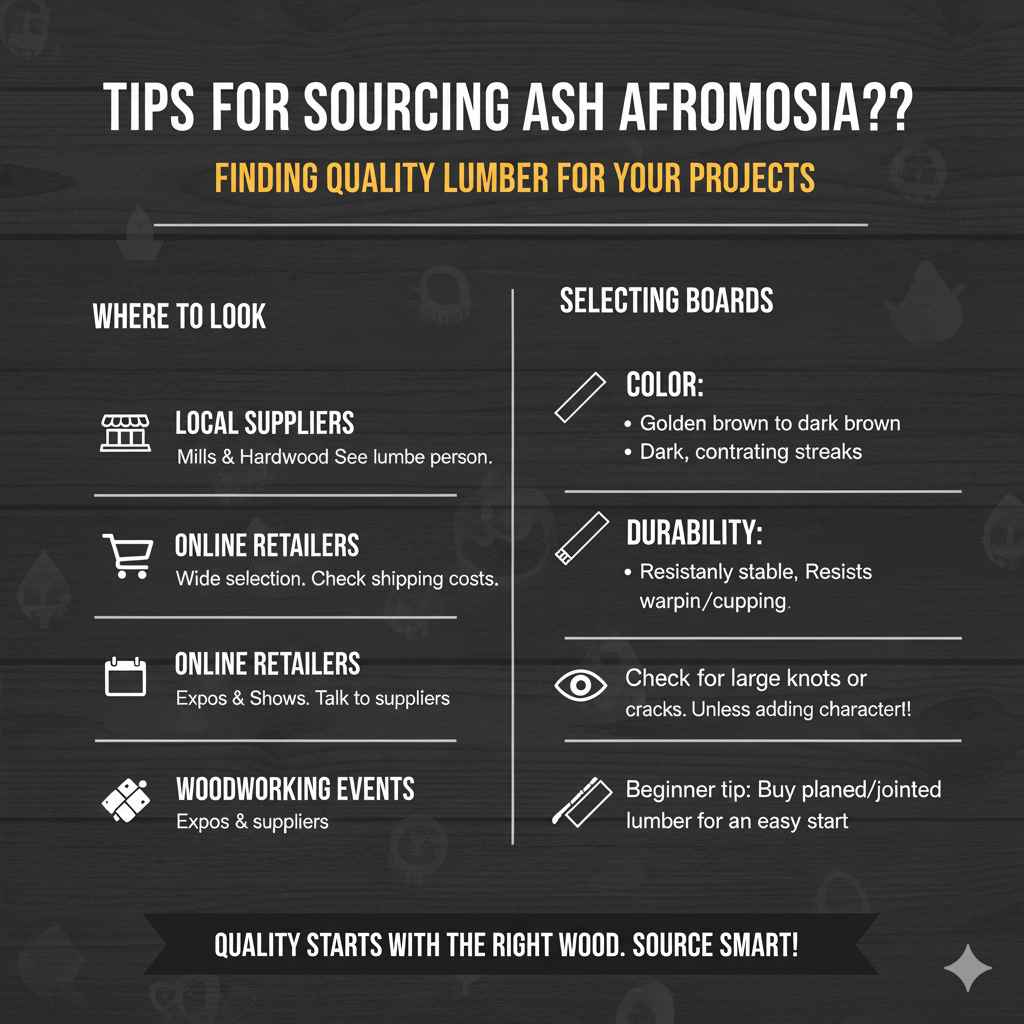
- Local Lumber Mills and Hardwood Suppliers: These are often the best places to find a good selection of woods. You can see the lumber in person before buying, which is a huge advantage.
- Online Retailers specializing in hardwoods: Many reputable online stores offer a wide variety of lumber, which they can ship directly to you. Be sure to check shipping costs and delivery times.
- Woodworking Shows and Expositions: These events can be great places to find unique species and talk directly with suppliers.
When selecting boards, look for pieces that are flat and straight, with minimal warping or cupping. Check for any large, distracting knots or cracks unless they add to the character you’re looking for. For beginners, it’s often easiest to buy lumber that has already been planed and jointed on two sides so you have a good starting reference point. If you’re purchasing online, look for suppliers who provide clear photos of the actual lumber you’ll receive.
Safety First: Always Prioritize Workshop Safety
Woodworking is a fantastic creative outlet, but it’s vital to work safely to prevent injuries. Here are some fundamental safety tips to keep in mind:
- Always Wear Safety Glasses: This is non-negotiable. Protect your eyes from dust, chips, and stray fasteners.
- Use Hearing Protection: Power tools can be loud. Protect your hearing for the long term.
- Wear a Dust Mask: Wood dust can be harmful if inhaled. A good fitting mask is essential, especially when sanding or cutting.
- Keep Your Work Area Clean and Organized: Clutter can lead to trips and accidents.
- Understand Your Tools: Read the manuals and know how each tool operates before you use it.
- Never Force Tools: If a tool is struggling, it’s likely dull or you’re trying to do too much at once.
- Unplug Tools When Changing Blades or Bits: This prevents accidental starts.
- Be Aware of Your Surroundings: Make sure there are no distractions when operating machinery.
- Learn About Wood Movement: Wood expands and contracts with changes in humidity. Understanding this helps prevent future issues in your projects and ensures stability. For a deeper understanding, resources from the Forest Products Laboratory (FPL) are excellent.
A safe workshop is a productive workshop. Taking these simple precautions will help ensure you have a positive and injury-free woodworking experience.
FAQ: Your Top Ash Afromosia Questions Answered
- Q1: Is Ash Afromosia difficult for a beginner to work with?
A1: No, Ash Afromosia is generally considered good for beginners. It’s a hardwood, so it requires sharp tools, but it’s less prone to chipping and splintering than some other dense woods. - Q2: What’s the difference between Ash and Afromosia?
A2: Ash is a common hardwood found in North America and Europe, typically light in color with prominent grain. Afromosia, also known as “African Ash” or sometimes “Teakwood,” is a tropical hardwood from West Africa, known for its richer brown tones and darker streaks, and superior durability. They are distinct species. - Q3: How can I prevent splintering when cutting Afromosia?
A3: Ensure your saw blade is very sharp and use a slower, controlled cut. For finer cuts, consider using a zero-clearance insert on your table saw or a fine-tooth blade on a miter saw. For hand saws, a sharp, fine-toothed blade is best. - Q4: Does Afromosia need to be sealed against moisture?
A4: Afromosia is naturally quite resistant to moisture and decay. However, applying a good quality finish (like polyurethane or a marine-grade varnish for very wet areas) will provide an extra layer of protection and enhance its beauty, especially for items used outdoors or in kitchens and bathrooms. - Q5: Can I stain Ash Afromosia?
A5: Yes, you can stain Ash Afromosia, but many woodworkers choose not to because its natural color and grain are so beautiful and distinct. If you do stain it, consider a wood conditioner first, as dense hardwoods can sometimes absorb stain unevenly.