Afromosia vs Ash Wood: Hardness, Stability and Safety Compared
Afromosia is not a kind of ash. It is a dense West African hardwood, harder than white ash and far more rot resistant, but also pricier and a known sensitizer. White ash is the cheaper, friendlier domestic hardwood. This guide compares hardness, strength, stability, durability, cost and dust safety using Wood Database figures so you can pick the right one for your project.
Afromosia vs Ash: They Are Not Related Woods
Afromosia (Pericopsis elata, also spelled afrormosia) grows in West Africa and is often sold as a teak substitute. White ash (Fraxinus americana) is a North American hardwood used for tool handles, baseball bats and furniture. Search results and older pages that say “ash afromosia” are mixing the two names; they share nothing beyond being hardwoods, and they behave very differently in the shop.
One difference matters before you pick up a saw. Afromosia dust is a documented irritant and sensitizer, so a respirator is not optional when you sand or machine it. If you are new to exotics, budget for one alongside the lumber.
Best Dust Respirator Pick | |
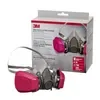 |
3M OV/P100 Odor/Particulate Multipurpose Respirator 65021 A reusable half-mask with replaceable organic vapor/P100 cartridges, a sensible layer of protection when you sand or machine irritating exotics like afromosia.
|
As an Amazon Associate we earn from qualifying purchases. | |
Afromosia vs Ash Specs Side by Side
The table below puts the published numbers next to each other. The pattern is clear: the two woods bend and flex almost identically, but afromosia is denser, harder, more stable and far more durable. Ash wins on price and on being easier on your lungs.
| Property | Afromosia | White ash | Difference |
|---|---|---|---|
| Janka hardness | 1,570 lbf | 1,320 lbf | Afromosia about 19% harder |
| Dried weight | 45.3 lbs/ft3 | 42 lbs/ft3 | Afromosia about 8% heavier |
| Bending strength (MOR) | 14,920 lbf/in2 | 15,000 lbf/in2 | Essentially tied |
| Stiffness (MOE) | 1,715,000 lbf/in2 | 1,740,000 lbf/in2 | Essentially tied |
| Crushing strength | 9,570 lbf/in2 | 7,410 lbf/in2 | Afromosia about 29% higher |
| Volumetric shrinkage | 9.9% | 13.3% | Afromosia moves about 26% less |
| Rot and insect resistance | Very durable, excellent insect resistance | Perishable, not insect resistant | Afromosia far ahead |
| Cost | Medium to high | Among the cheapest domestic utility hardwoods | Ash far cheaper |
| Health note | Sensitizer, CITES Appendix II | Skin and lung irritant in susceptible people | Afromosia needs more caution |
For a wider view of where these Janka numbers sit among other species, see our wood hardness scale.
Which Is Stronger and More Stable?
Here is the myth worth correcting: because afromosia is harder, many people assume it is also the stronger board. On bending strength it is not. Afromosia is rated 14,920 lbf/in2 for modulus of rupture and white ash 15,000, and their stiffness figures differ by about 1.5%. A shelf or tabletop of the same thickness will span about the same distance in either wood.
Where afromosia pulls ahead is the surface and the stability. The Janka rating of 1,570 lbf against 1,320 lbf means it dents and wears less, and its crushing strength (compression along the grain) is about 29% higher, which matters for posts and leg joints. Its volumetric shrinkage of 9.9% versus 13.3% means roughly a quarter less total movement as humidity changes.
Movement direction matters too. Afromosia has a tangential-to-radial shrinkage ratio of 1.9, while ash works out to about 1.6 (7.8% divided by 4.9%, our calculation). So afromosia is slightly more prone to cupping across a wide flat board even though it moves less overall. Quartersawn stock reduces the effect in either species.
Durability, Outdoor Use and Cost
Durability is the biggest practical gap. Wood Database rates afromosia heartwood as very durable with excellent insect and borer resistance, which is why it has a history in boatbuilding, flooring and veneer. White ash heartwood is rated perishable with little decay resistance and no insect resistance, so it belongs indoors or under a maintained finish, never in ground contact.
Cost points the other way. Ash is described as one of the least expensive domestic utility hardwoods, comparable to oak, while afromosia sits at medium to high cost and comes through regulated trade. A common trap is a seller offering afromosia as bargain teak; our guide to telling teak from look-alikes covers the pore and grain differences, and we compare its closest cousin in iroko vs teak.
If you are weighing ash for furniture specifically, our page on ash wood furniture pros and cons covers finishing and indoor use in more depth.
Working Afromosia and Ash in the Shop
Machining and tearout
Afromosia machines well, but its grain is sometimes interlocked, which can tear out on the planer and jointer, and it dulls edges slightly faster than ash. Take light passes and keep knives sharp. Ash produces good results with hand or machine tools, and it responds well to steam bending.
Finishing and staining
Ash glues, stains and finishes well. Afromosia has a fine, uniform texture with natural luster and darkens over time from yellowish brown, so finish a test piece first. Afromosia also develops dark stains on contact with iron in damp conditions, so use stainless or coated fasteners and keep steel wool away from it.
Dust control
Both woods irritate susceptible people; Wood Database notes skin irritation and reduced lung function for ash, and a sensitizer rating for afromosia. Connect a dust collector or shop vacuum to every machine, wear a respirator when sanding, and wash off dust before eating or touching your face.
Health and Sourcing Facts About Afromosia
- Sensitizer: reported effects include eye, skin and respiratory irritation, asthma-like symptoms and a higher infection risk from splinters.
- CITES Appendix II: international trade is regulated, so ask any seller for documentation of legal origin.
- IUCN status: listed as endangered after a population decline of more than 50%, a reason some woodworkers avoid it entirely.
- Ash: plentiful domestic supply and easy to source in most lumber yards, with none of these trade restrictions.
Which Should You Buy?
- Choose ash for indoor furniture, workbench parts, tool handles and any project where budget, shock resistance and easy machining matter most.
- Choose afromosia for boat parts, exterior trim under cover, flooring or a teak-look piece where durability and stability justify the price and the extra safety steps.
- Skip afromosia if you cannot get legal-origin documentation, cannot control dust, or want a beginner-friendly first hardwood; ash is the better place to start.
Afromosia vs Ash FAQ
Is afromosia a type of ash?
No. Afromosia (Pericopsis elata) is a West African hardwood in the legume family, while white ash (Fraxinus americana) is a North American tree in the olive family. The name “ash afromosia” is a misnomer, and the two woods differ in color, texture, durability and cost.
Is afromosia harder than ash?
Yes. Afromosia rates 1,570 lbf on the Janka scale against 1,320 lbf for white ash, roughly 19% harder. Their bending strength is nearly identical, at about 14,920 and 15,000 lbf/in2, so the extra hardness shows up as dent resistance more than as a stiffer board.
Is afromosia wood safe to work with?
Treat it with caution. Wood Database lists afromosia as a sensitizer that can irritate the eyes, skin and lungs, and asthma-like symptoms have been reported. Use dust collection, wear a properly fitted respirator with P100 filters, and avoid breathing sanding dust.
Is afromosia or ash better for outdoor use?
Afromosia. Its heartwood is rated very durable with excellent insect resistance, while ash heartwood is rated perishable and is not insect resistant. Ash is fine for indoor furniture and tool handles but a poor choice for ground contact or unprotected exterior work.
Sponsored / affiliate links. As an Amazon Associate I earn from qualifying purchases. I may earn additional commission from eligible campaigns.