Ash Wood Pros and Cons for Furniture: Hard as Oak, Rot-Prone
White ash is one of the best-value furniture hardwoods you can buy. It measures 1,320 lbf on the Janka scale, within about 2% of white oak’s 1,350 lbf, and the Wood Database says it prices about the same as oak. Its weaknesses are real, but they are not the ones most guides repeat. This page covers the honest pros and cons of ash wood furniture, with a side-by-side numbers table against oak, maple, walnut and cherry.
The short version: indoors, ash’s “perishable” rot rating is no worse than red oak’s or hard maple’s, so rot is mostly an outdoor problem. The cons that matter for furniture are open pores that need filling, a shrinking supply because of the emerald ash borer, and a species mix-up, because “ash” can mean anything from 850 to 1,480 lbf.
Ash Wood Furniture Pros and Cons at a Glance
Best Grain Filler For Ash
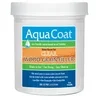 |
Aqua Coat Water-Based Clear Wood Grain Filler (16 oz), $23.83 Ash is a ring-porous wood with open pores, and filling them is the one extra step that separates a textured finish from a smooth one on a tabletop.
|
Here is the whole verdict before the detail. If a piece stays indoors and you are willing to fill the pores, ash is hard to beat for the price.
- Pros: oak-level hardness, excellent shock resistance, straight grain that stains and glues well, good steam bending, and a mid-range price.
- Cons: perishable outdoors, open pores that show through a thin finish, an uncertain future supply, wide species variation, and irritating dust plus an unpleasant smell when milled.
Ash vs Oak, Maple, Walnut and Cherry: The Numbers
Most pros and cons lists use vague words like “durable” and “affordable.” These are the measured values for the woods ash actually competes with in a furniture store.
| Species | Janka (lbf) | Bending strength (lbf/in2) | Dried weight (lb/ft3) | Decay resistance |
|---|---|---|---|---|
| White ash | 1,320 | 15,000 | 42 | Perishable |
| European ash | 1,480 | 15,020 | 42 | Perishable |
| Black ash | 850 | 12,600 | 34 | Perishable |
| White oak | 1,350 | 14,830 | 47 | Very durable |
| Red oak | 1,220 | 14,380 | 43.8 | Non-durable to perishable |
| Hard maple | 1,450 | 15,800 | 44 | Non-durable to perishable |
| Black walnut | 1,010 | 14,600 | 38 | Very durable |
| Black cherry | 950 | 12,300 | 35 | Very durable |
Two things stand out. First, ash’s strength is not “good for the price”: at 15,000 lbf/in2 of bending strength it beats white oak, red oak, black walnut and black cherry, and only hard maple is higher. Second, the decay column corrects a common myth. Ash is called rot-prone, yet red oak and hard maple carry a similar non-durable rating and nobody avoids them for dining chairs. Decay resistance only separates these woods when the furniture gets wet, which is why white oak, not ash, is the classic outdoor choice.
If you are comparing species head to head, see our detailed ash vs oak comparison and the ash vs walnut guide.
The Pros of Ash Wood Furniture
Oak-Level Hardness at a Mid-Range Price
White ash’s 1,320 lbf Janka rating sits between red oak (1,220) and white oak (1,350), so it resists dents from dropped items about as well as either. It is also far harder than black walnut (1,010) or black cherry (950), the two woods that cost noticeably more. For a family dining table that takes daily abuse, that is a lot of dent resistance per dollar. For a deeper look at the numbers, see our guide to the advantages of ash wood.
Shock Resistance and Strength
Along with hickory, white ash is one of the most commonly used hardwoods for tool handles in North America, according to the Wood Database, especially shovels and hammers where impact resistance matters. Baseball bats are another classic ash product. In furniture, that toughness shows up in chair legs and stretchers, the joints that flex and get kicked every day.
Straight Grain That Stains, Glues and Finishes Well
The Wood Database describes ash as having a medium-to-coarse texture similar to oak, with grain that is almost always straight and regular. It glues, stains and finishes well. Stained ash can look very similar to oak, but oak has wide rays that show as short brown lines on flatsawn boards and ash does not, which makes ash easier to tell apart from oak. Our guide to finishing ash wood covers stain and clear-coat choices.
It Bends and Machines Well
Ash produces good results with both hand and machine tools and responds well to steam bending, which is one reason it turns up in curved chair parts. That makes it forgiving for a first furniture build.
The Cons of Ash Wood Furniture
Poor Decay Resistance Outdoors
Ash heartwood is rated perishable, or only slightly durable, and it is not resistant to insect attack. Keep it inside or under cover. If outdoor use is what you have in mind, read our ash wood for outdoor use guide before buying.
Open Pores Show Through a Thin Finish
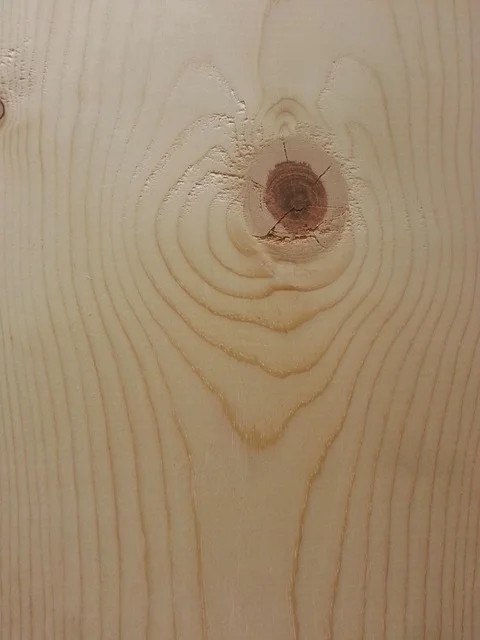
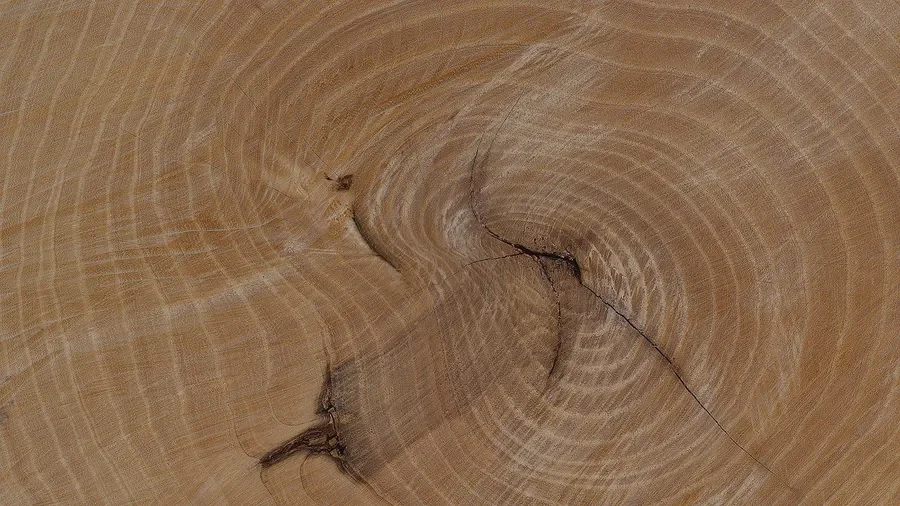
Ash is ring-porous: it has large earlywood pores two to four rows wide, and they leave a visible texture in a thin clear coat. On a dining table or desk you will feel and see those pores unless you fill them. This is the main practical con for anyone who wants a glass-smooth surface, and it is the reason the product above is our pick for this page.
The Emerald Ash Borer and Supply
The emerald ash borer, first detected in Michigan in 2002, has killed hundreds of millions of ash trees in the United States and Canada. Its larvae feed on the inner bark, which eventually kills the tree. The Wood Database lists white ash as critically endangered on the IUCN Red List, based on a projected population reduction of over 80% over three generations. Today ash is still among the cheapest utility hardwoods, but that is a reason to expect tighter supply and rising prices rather than a permanent bargain. The borer attacks living trees, so it is a sourcing and price issue, not a defect in a finished, dried table.
“Ash” Is Not One Wood
The table above shows the spread: European ash at 1,480 lbf is about 74% harder than black ash at 850 lbf. A listing that only says “ash” tells you little. Ask whether the piece is white ash, European ash or another species, because black ash is closer to cherry in hardness than to oak.
Dust, Smell and Wide Sapwood
The Wood Database notes that ash has a distinct, moderately unpleasant smell when worked, and that Fraxinus species have been reported to cause skin irritation and a decrease in lung function. Wear a dust mask and use dust collection when you sand or mill it. Ash also has very wide sapwood that runs from beige to light brown and is not always sharply separated from the heartwood, so colors on a table top can vary from board to board. Choose boards by eye if a uniform look matters.
Which Furniture Is Ash Best For?
- Dining tables and chairs: excellent. Hardness and shock resistance suit heavy daily use.
- Bed frames, dressers and bookcases: very good. See our ash wood dresser guide for design options.
- Kitchen cabinets: good, since ash is hard and takes stain evenly. See ash wood kitchen cabinets.
- Painted furniture: workable, but fill the pores first or the texture shows through.
- Patio and garden furniture: avoid. Choose white oak or another durable species.
For the botanical basics, including whether ash counts as a hardwood, see is ash wood a hardwood; for cleaning and upkeep, see how to spot quality and care for ash wood furniture.
Working With Ash: Practical Tips
- Fill the pores before the finish. Work a grain filler across the grain, wipe off the excess across the grain, let it dry, and sand lightly. Test on a scrap board first.
- Keep edges sharp. Sharp blades cut the coarse grain cleanly and reduce tear-out.
- Buy kiln-dried lumber and let it acclimate in your shop before cutting.
- Seal every surface, including undersides, with a clear finish to slow moisture changes.
- Protect your lungs. Use a dust mask and dust collection whenever you sand or saw ash.
Ash Wood Furniture FAQ
Is ash wood good for furniture?
Yes. White ash has a Janka hardness of 1,320 lbf, within about 2% of white oak (1,350 lbf), and a bending strength of 15,000 lbf/in2 that beats white oak, red oak, black walnut and black cherry. It is best for indoor tables, chairs, beds and cabinets, and it is a poor choice for outdoor pieces.
Is ash harder than oak?
About the same. White ash measures 1,320 lbf on the Janka scale, red oak 1,220 lbf and white oak 1,350 lbf. European ash is harder at 1,480 lbf, while black ash is much softer at 850 lbf, so the species matters more than the word ash.
Does ash wood furniture rot?
Not indoors under normal conditions. Ash heartwood is rated perishable for decay resistance, but red oak and hard maple carry a similar non-durable rating, and both are standard furniture woods. Rot only becomes a real risk when the wood stays wet, such as on a patio.
Is ash cheaper than oak?
Roughly the same price. The Wood Database describes ash as one of the least expensive utility hardwoods in the United States and says it should compare similarly to oak on price. Local supply varies, and the emerald ash borer may tighten it over time.
Can you use ash wood for outdoor furniture?
It is not a good choice. With a perishable rot rating and no insect resistance, ash left outside without constant finish maintenance will decay far sooner than white oak, which is rated very durable. Keep ash furniture indoors or under cover.
Is Ash Wood Furniture Worth Buying?
For most indoor furniture, yes. Ash gives you white-oak hardness, better bending strength than oak, walnut or cherry, and a price near oak’s. Its real drawbacks are the open pores you need to fill, a supply that the emerald ash borer is squeezing, the wide difference between ash species, and its poor performance outdoors. Confirm the species, keep it dry, fill the pores, and it will hold up for decades of daily use.
Sponsored / affiliate links. As an Amazon Associate I earn from qualifying purchases. I may earn additional commission from eligible campaigns.